
Mark Váradi never intended to join the family’s wine business. He was comfortably ensconced in the airline industry, working in Airbus’ Asia-Pacific headquarters. Eventually, however, he fell in love with the vineyards. “We have always actively contributed to the brand’s growth and honestly, wine is an easy industry to fall in love with,” says Váradi, laughing.
His journey mirrors his father József Váradi’s vino passion. The Hungarian entrepreneur started the low-cost carrier Wizz Air in 2003 and grew the airline into a behemoth. In 2016, he founded Juliet Victor Vineyards after winning multiple business and leadership awards. He chose the name as a tribute to his aviation roots. When pilots communicate in the air, they use the ICAO Phonetic Alphabet. Juliet Victor is the acronym for his full name.
“My father thought that the company was a good way to give back to our country. Tokaji wines have a long heritage, but aren’t well known in other parts of the world. So, he wanted to push the wine via an export-focused winery,” says the younger Váradi.
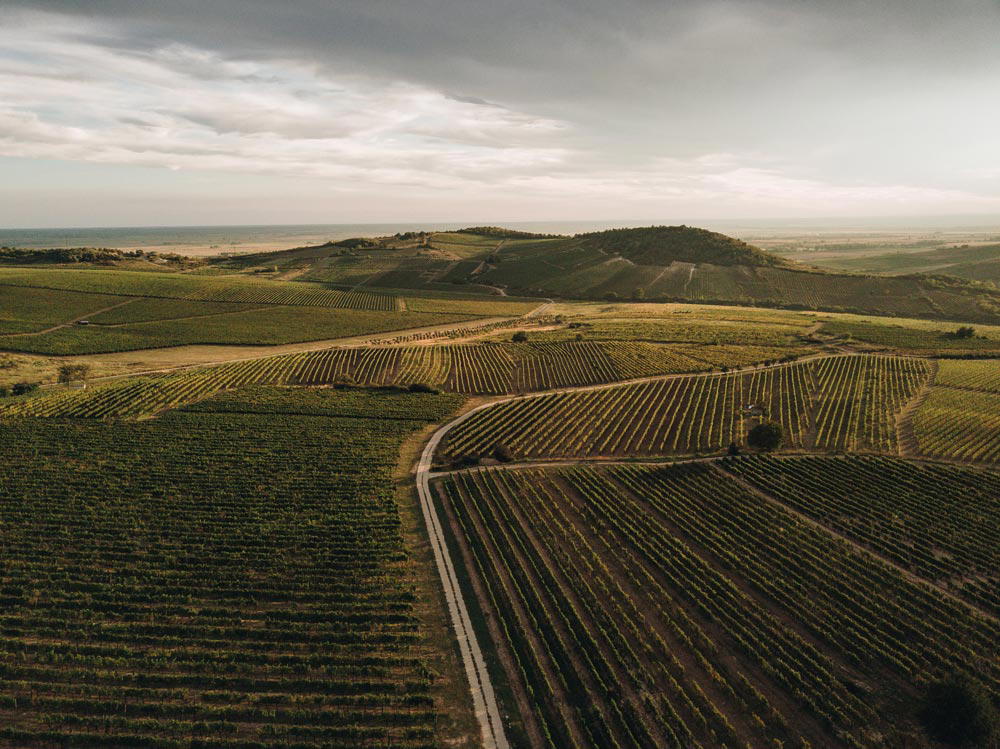
One of the world’s oldest wine regions in Europe, Tokaji wine was the first to receive appellation control in 1730, several decades before port and over 120 years before Bordeaux. It grew in popularity throughout Europe and was heavily consumed by royalty such as Louis XV of France and the King of Hungary Franz Josef, hence the nickname “wine of kings, kings of wine”.
Communist rule wasn’t kind to the Eastern European countries. Consequently, Tokaji wines suffered. The government took over all the vineyards and mass replanted the soil with a mishmash of grape varietals that paid no heed to climate, terroir, and noble rot, the grey fungus that affects wine grapes and gives Tokaji wines its unique sweetness.
Although Hungary’s wine quantity went up, its quality went down the drain, and even though the wall fell in 1989, the world’s memory of Hungarian wines was tainted by the swill that dominated its exports in the preceding 30 years.
The Tokaji wine industry has slowly been making a comeback in the past three decades, helped in part by younger vino entrepreneurs like Mark Váradi. For fun, he first brought Hungarian wines from Juliet Victor’s stable into Singapore to give to friends. Many enjoyed drinking them so much that they asked him for more.
Wine collectors even encouraged him to consider opening a subsidiary in Asia. Emboldened by the support, he founded Juliet Victor Asia in October 2021. The business grew rapidly and in February 2023, he quit his job to focus on the company. That same month, he also took over Juliet Victor Vineyards.
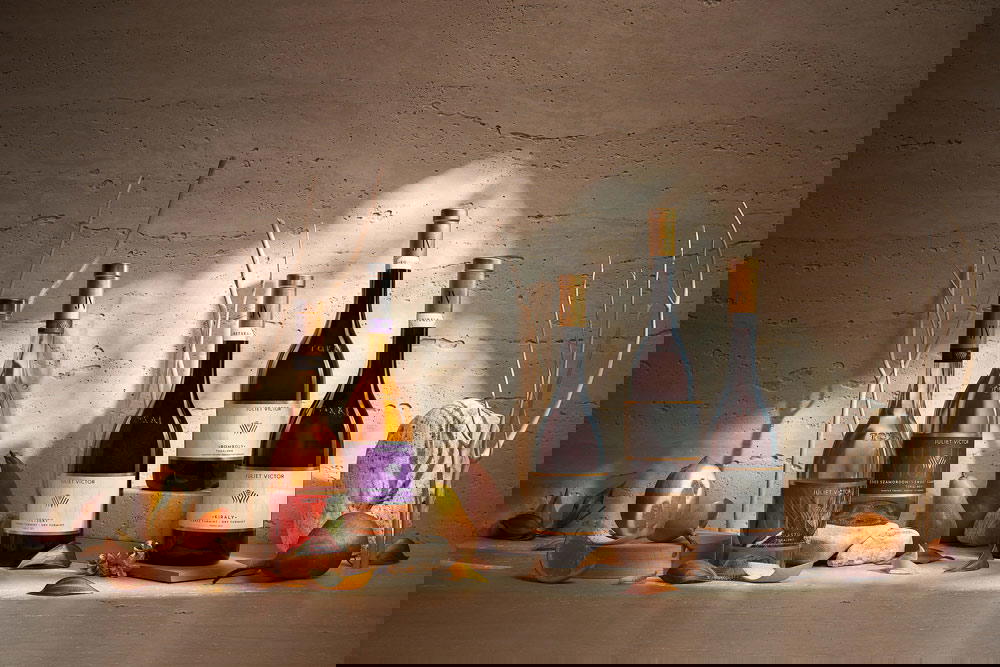
The Váradi family has been acquiring historically significant vineyards since 2015 and now owns over owns over 30ha, producing up to 80,000 bottles that are exported annually to meet demands. Its winery in the town of Mád was reconstructed from an old farmhouse and is well worth a visit when you’re in the country.
Currently, Váradi is focusing on education. He works closely with trade partners and restaurants to spread the Tokaji gospel.
Juliet Victor’s wines are available at several of Singapore’s fine dining restaurants, including Odette, which educate customers about Hungary’s storied wine heritage. “The country is splendid. Restaurants here are open-minded and don’t mind doing something different. It also helps that they know the history of wine,” says Váradi.
Most wine consumers today usually get their first taste of a new label at a wine bar or dining spot, then buy it from a store. It’s the main reason Váradi only sells Juliet Victor wines online.
The way it’s growing, it won’t be long before Hungarian wines, and by extension Juliet Victor, returns to the top.
Edit: The initial version of the article had incorrect information about the vineyards the family owns and annual production numbers.