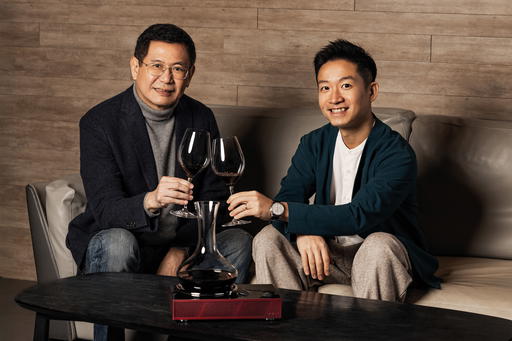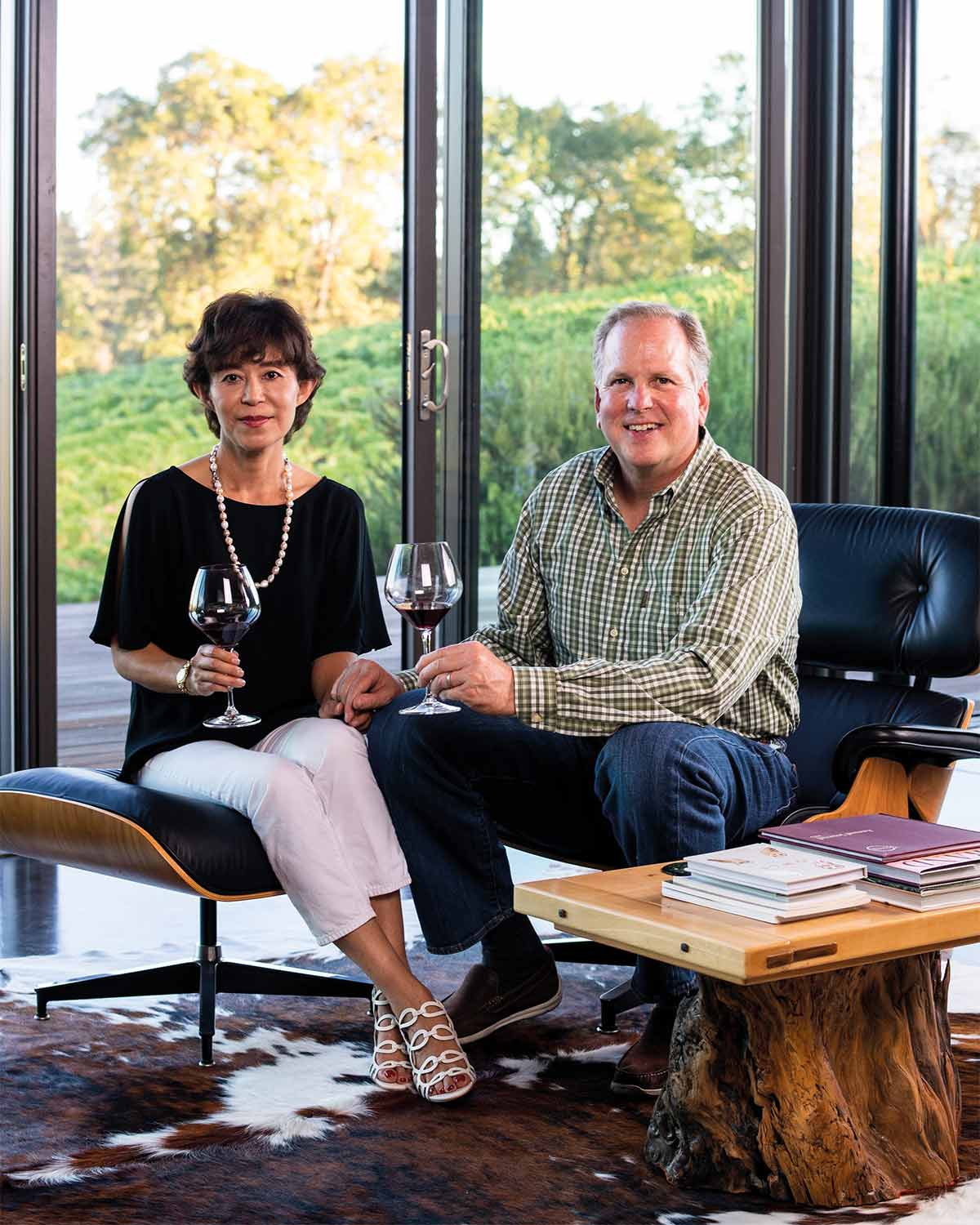
Akiko Freeman first tasted wine when she was 7 years old. The elixir was introduced to her by her Francophile, Burgundy wine-loving father, who himself inherited the habit from Akiko’s grandfather who picked up the habit from his days at the University of Oxford. “The Japanese government sent him there to study, and he stayed with a wealthy English family who loved French wine. Influenced by them, he brought some bottles home,” Akiko says.
Thousands of kilometres away, in Scarsdale, Westchester County in New York, a young boy would see his parents drinking wine during meals and accompany his mother to buy a Pouilly-Fuissé. Zachys, a famous liquor company involved in all aspects of wine, was also located in his town. Growing up, Ken Freeman was always fascinated by the typographical logo.
On September 28, 1985, the two met by accident, literally.
As an exchange student at Manhattanville College, Akiko had just arrived three weeks prior—“I thought it was in Manhattan and was so shocked when the cab dropped me off and there were no high-rises!” When her dormitory friend invited everyone to a keg party, she eagerly accepted, hoping to make new friends. Having just arrived off the boat, Akiko dressed to the nines—Chanel dress, coiffed hair, and high heels—not knowing what a keg party was. Upon arriving at the given address, she was ushered into the basement where everyone wore jeans and T-shirts, adding more shocks to her surprise.
At the same time, Ken was on board a boat headed for the Caribbean when Hurricane Gloria forced the ship to moor at Scarsdale as a precaution. For the time being, at least. As Ken had nothing to do, he showed up at a keg party hosted by his childhood best friend.
“I see these guys in flannel shirts and T-shirts and jeans, and then across the room, I notice this attractive Japanese woman all dressed up,” Ken smiles.
They dated, married, and travelled extensively for work and leisure. Eating and drinking together, they shared their love of wines. Unlike other wine enthusiasts, they took their appreciation to a whole new level by starting a vineyard. They wanted to make pinot noir. They only needed a cool, sunny climate to produce the fruit-forward flavour they envisioned. Western Sonoma County’s rugged hills ticked all their boxes.
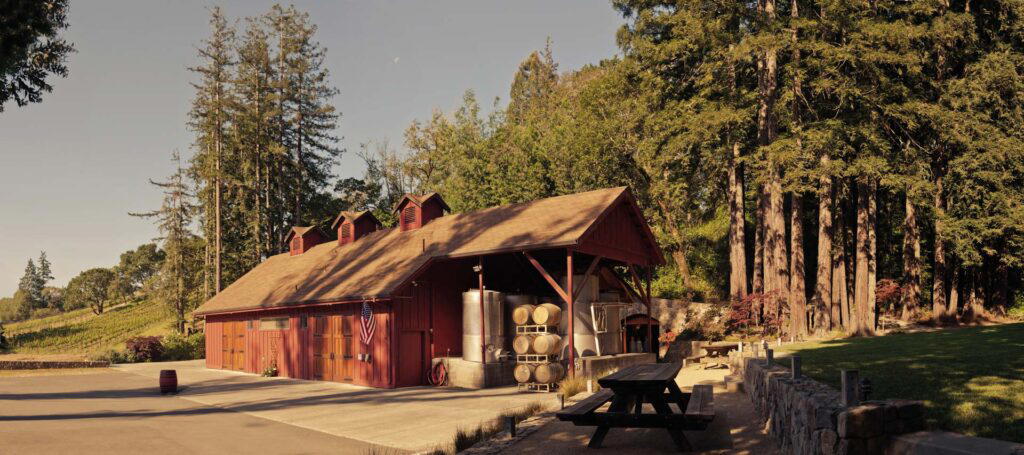
The Gloria Estate planted its first grapes in 2001. Its name comes from the tempest that brought them together.
While the estate might be small—producing between 5,000 and 6,000 cases of wine annually—it’s a heavy hitter. Robert Parker’s The Wine Advocate consistently scores its wines in the 90s. A state dinner at the White House in April 2015 saw the late Shinzo Abe and Barack Obama clink glasses of Ryo-fu Chardonnay (Japanese for cool breeze). This wine now consistently sells out every season because of the presidential association.
More interestingly, Freeman Winery is entirely powered by solar panels. “Actually, we generate more electricity than we use, so we sell our excess wattage back to the government,” beams Akiko with pride.
Currently, they own two vineyards. Besides Gloria Estate, the couple also grows pinot grapes at Yu-ki Vineyard on the Freeman Ranch, about 6.5km west of the first vineyard. Even though both are relatively close to each other, their markedly different weather—Gloria is cool and calm while Yu-ki is ruggedly cold and windy—are on full display in the wines they produce. The pinots from Gloria Estate are clean yet deliciously complex with a fruity mouthfeel. Those from the Yu-ki Estate taste more earthy with hints of mushrooms, black cherries and wet moss.
Ken says the pandemic didn’t dampen sales. In fact, it revealed a bigger revenue wellspring—retail. Previously, the winery focused more on selling in bulk to restaurants, hotels, and other similar hospitality businesses. But when Covid-19 enveloped the globe, sales in this segment spluttered to a halt. However, retail customers and Freeman vino lovers flocked to its website, buying up as many bottles as they could to drink at home. “Our direct to consumer business went up 30 percent. Now, the ratio is about 70:30 in favour of retail,” says Ken.
This also empowered them to eliminate the middleman, resulting in higher profit margins for themselves.
They’re not giving up on hospitality, though. “We still want to be in great restaurants and have people learn about our wines. It’s still the best way to get to know new customers,” says Ken.
The couple also plan to add a third vineyard to their portfolio, but they’re not rushing it. Now, they just want to enjoy the sweet fruits of their labour. Preferably fermented and in a wine glass, please.