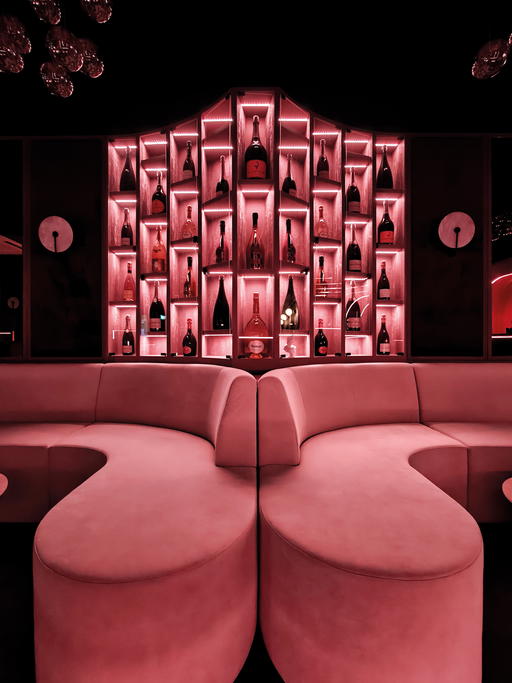

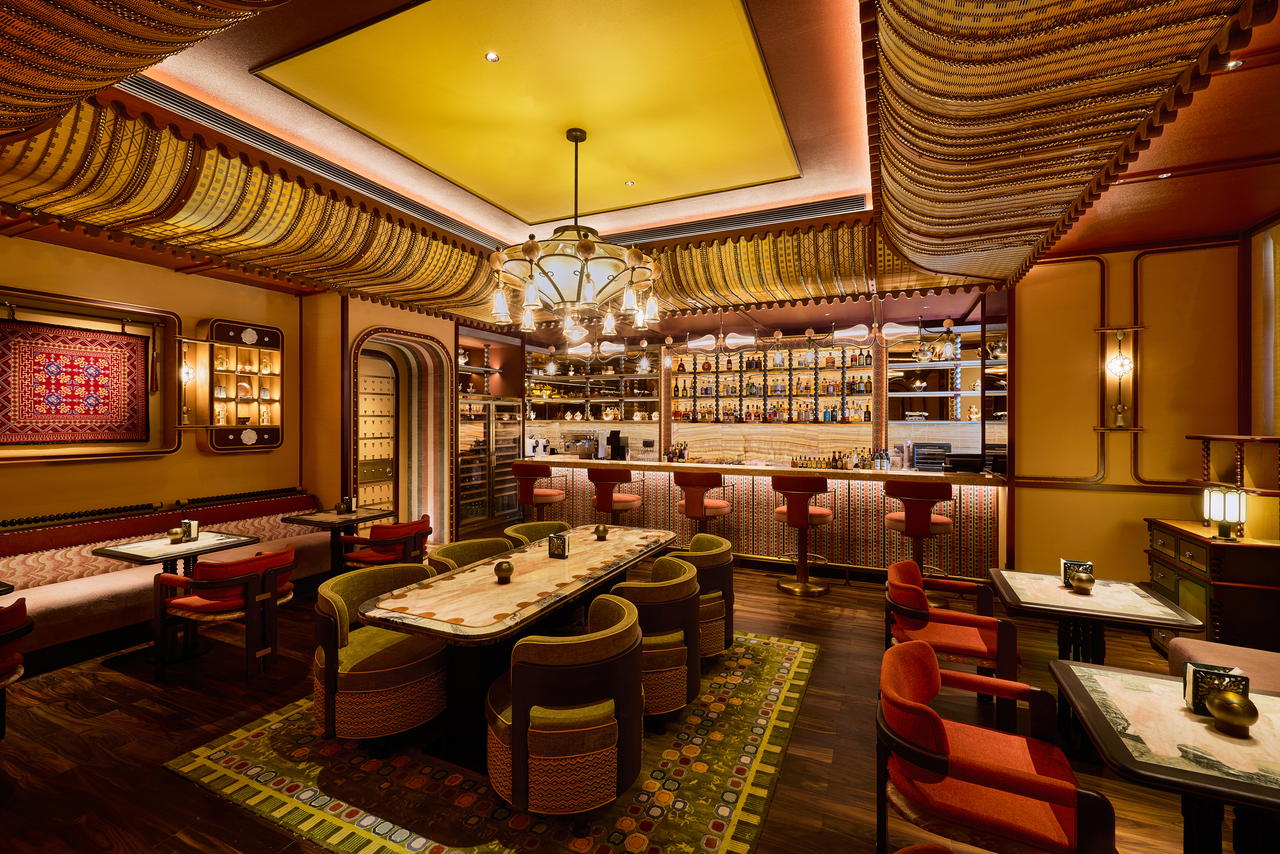
It’s my first night in Kunming. I haven’t done my homework so I can’t quite say what visitors get up to, but what is deducible is that a large enough subset frequents cocktail bars—at least enough for Shangri-La Kunming to open the doors to Suma, which it hails as “Yunnan’s first destination bar”. Given that the southwestern province is one of China’s most storied regions, I’m eager to hear the tales these cocktails will tell. It’s why I’m fresh off the plane but made a beeline for the bar.
Suma’s menu comprises four flavour profiles: spice, fruity and floral, umami, and bitter. Spice includes everything from chilli and cinnamon to clove and cardamom. Fruity and floral is inspired by the region’s bountiful produce variety and is its “most approachable section”. Umami involves savouriness while bitter is not only strong in taste, but also alcohol content.
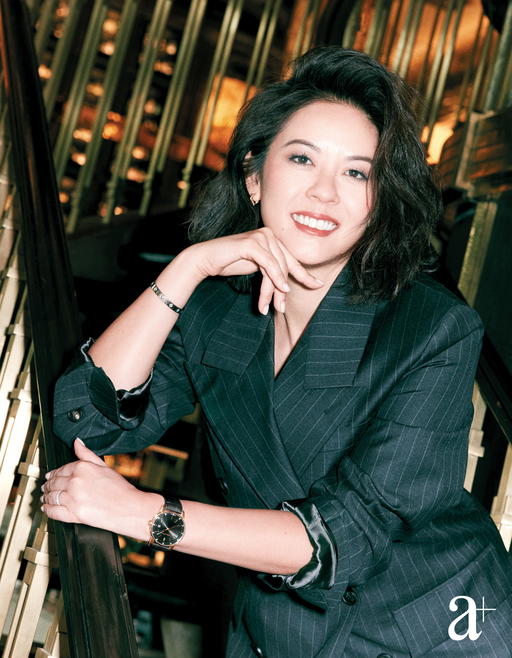
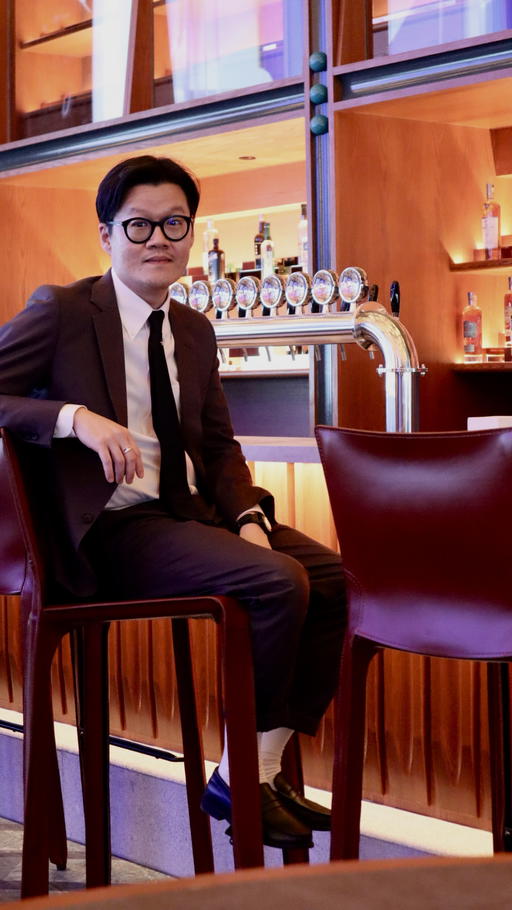
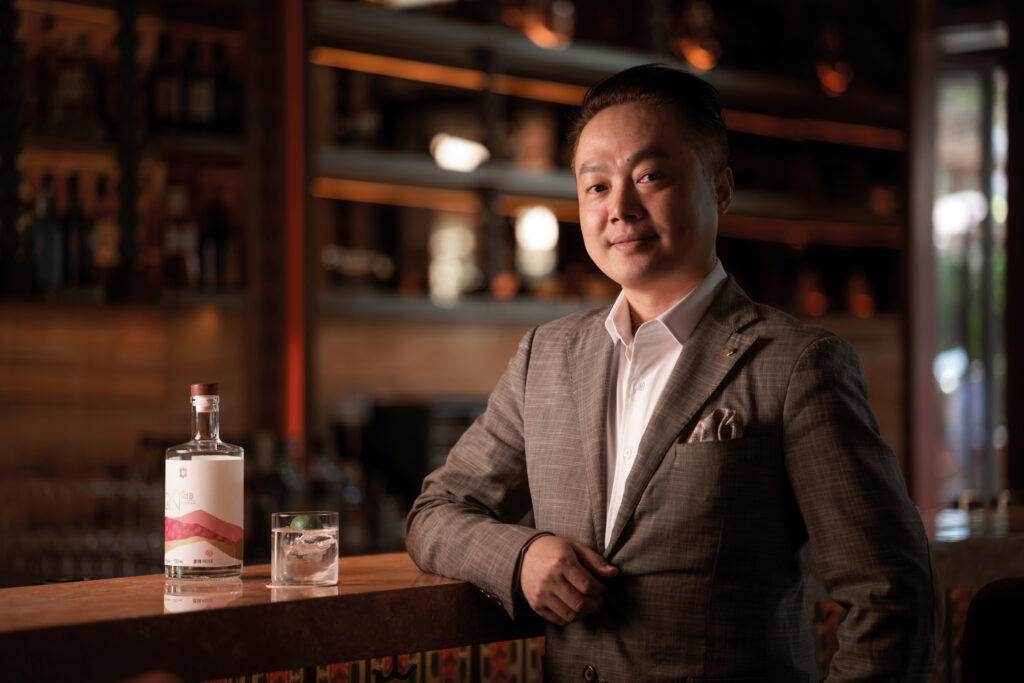
I appreciate the concision of the descriptions. The way the menu unfolds and rotates like a paper fan? Not so much; I find it a painfully florid catalogue and repeatedly fumble with it. So, it’s a good thing that Frankie Zou, Bar Manager, is here with bells on and ready to decide my beverage line-up for me. Known for his mastery of bitters, he used to run a bar in Beijing before shuttering it during the Covid-19 pandemic.
Also the founder of Vicu Gin, a small-batch distillery that purposefully uses Chinesegrown botanicals, Zou has created vividly fruit-forward bitters like orange, rhubarb, and celery.
Because Suma was created in collaboration with SG Group, the firm founded by Shingo Gokan and known for award-winning bars across Japan, China, and the US, its menu pays homage to one of his signatures: Tree Tomato Tree. Made with Jiao-Yu Gin (an award-winning dry gin from China’s Laizhou Distillery) and tamarillo, yellow tomato, and mastiha, the cocktail is meant to evoke “the fruit, leaf, and sap of a single tree”, bottling Yunnan’s produce in a glass. Zesty and savoury, its delightful to tomato lovers, divisive to others.
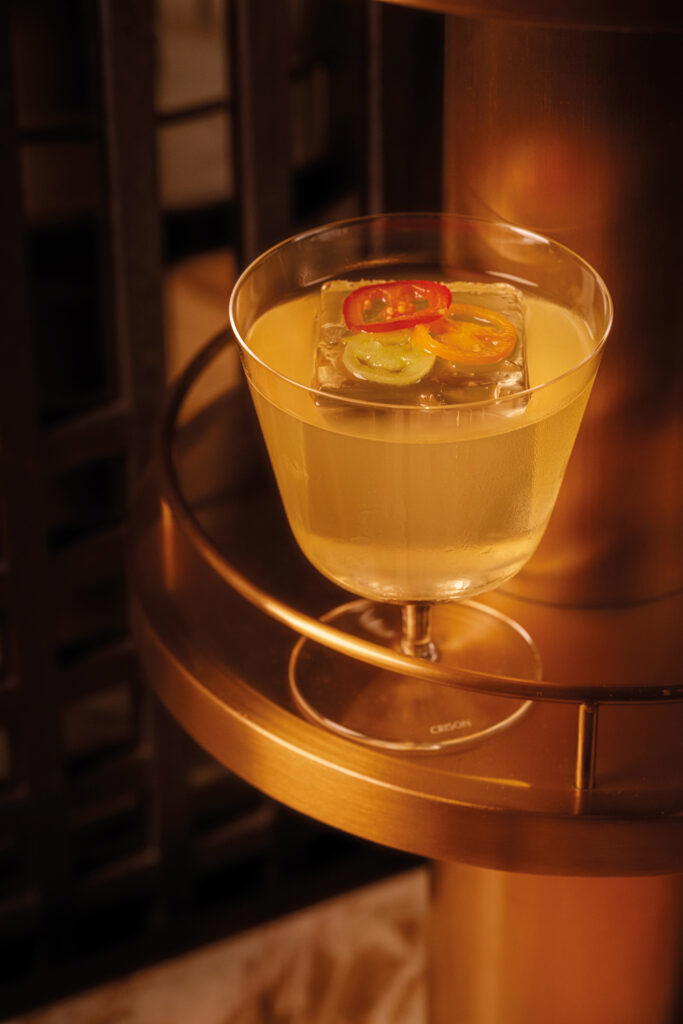
Another standout is Por Amor, inspired by the lychee martini. Made with Linglie Vodka (a herbaceous Chinese vodka also from Laizhou Distillery that scored a gold at World Vodka Awards 2024), Don Julio Blanco Tequila, local lychees, osmanthus rice wine, and clarified pomelo juice, its taste is reminiscent of bandung, but a lot more sophisticated and a lot less sickly-sweet.
It comes with a rose-shaped ice block infused with Yunnan’s heirloom rose varietals. “This tints the drink pink and releases delicate floral notes gradually,” Zou explains.
Then there is Yak Butter Fashioned, a nod to yak meat as a staple protein in the high-altitude Tibetan regions of Yunnan. Inspired by the Shangri-La’s butter tea ritual (a practice involving brick tea, yak butter, and salt), it melds malt whisky and mugi shochu (a Japanese distilled spirit made from barley) with yak butter, roasted pu’er, and raw orange blossom honey. It’s a spirit-forward drink that is silky, smoky, and gently spiced.
Aside from the 20 cocktails on the menu, there are two to three limited-edition drinks every season. Zou says winter drinks typically contain five spice (a traditional Chinese spice blend that typically consists of cinnamon, cloves, fennel seeds, star anise, and Sichuan peppercorns) and even eggnog.
Food is also available and the dishes worth mentioning are Chef Signature Handmade Shrimp Cake, Local Black Pork Stuffed Morel, and my top pick, Grilled Seabass in Banana Leaf.
As Suma’s clientele largely originates from cosmopolitan cities like Beijing and Shanghai, Zou says, the company sets a high bar for itself. “Our customers’ palettes and expectations differ from the locals—they want to see what we can do,” he makes plain.
“They want to know the philosophy behind our drinks and it’s our job to communicate our flavours.”