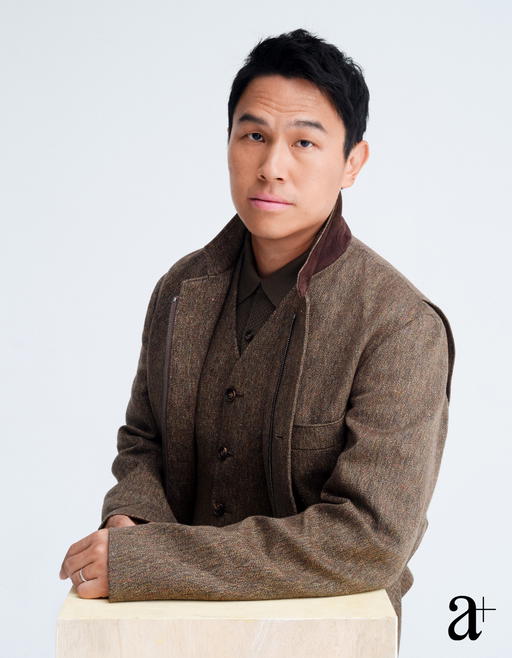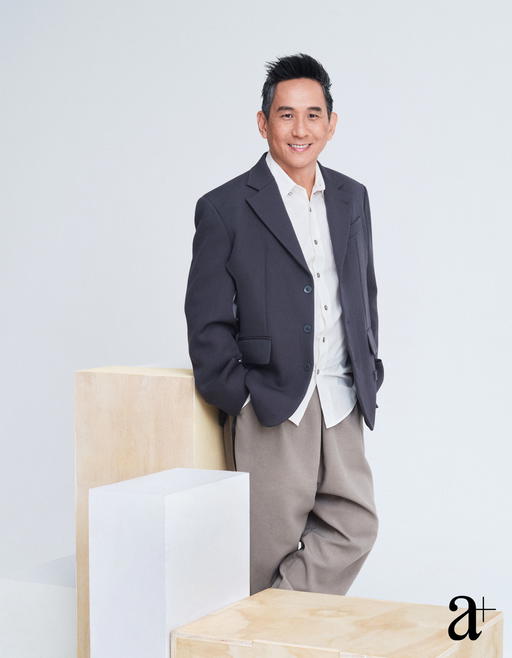

It must have been a peculiar sight for the Malians. In the sea of locals and white expats, the young Chinese boy in glasses stood out. This was in the 1980s, when globalisation had barely touched the African country, so Justin Chen and his family became curious novelties. “We were probably one of only four Chinese families in the capital of Bamako at the time,” Chen, 40, says.
The elder Chen came to the city in the 1970s to take over an enamel steel factory from his father, who was in ill health. It was a tough decision. He would be alone in a country he did not know and disconnected from the rest of the family. International direct dialling was expensive, the Internet was still a theoretical concept, and the city’s infrastructure was still in its infancy.
His sense of responsibility, however, outweighed all other considerations.
Most of the family’s connection to Hong Kong, where the Chens were from, was mainly through books and VHS tapes. “My parents spent much of their 20s and early 30s in Mali. It felt like a hardship posting,” says Chen. However, his worldview was shaped by his experiences growing up in the African city, where he realised the distinct differences between other children and him, and their shared identities. Poet Maya Angelou once said that there is beauty and strength in diversity, and Chen experienced it first-hand. Despite their different skin colours, accents, and backgrounds, his hopes and dreams mirrored that of his African and French (many of his kindergarten classmates were from France) friends.
The Global Citizen
Even so, while Chen didn’t feel alienated, he always felt like an outsider looking in through the window. The family moved to Singapore when he was 6, but that feeling never faded. “I don’t know how much it affected me,” he says. “But it definitely made me aware of and understand different backgrounds, cultures, and perspectives.”
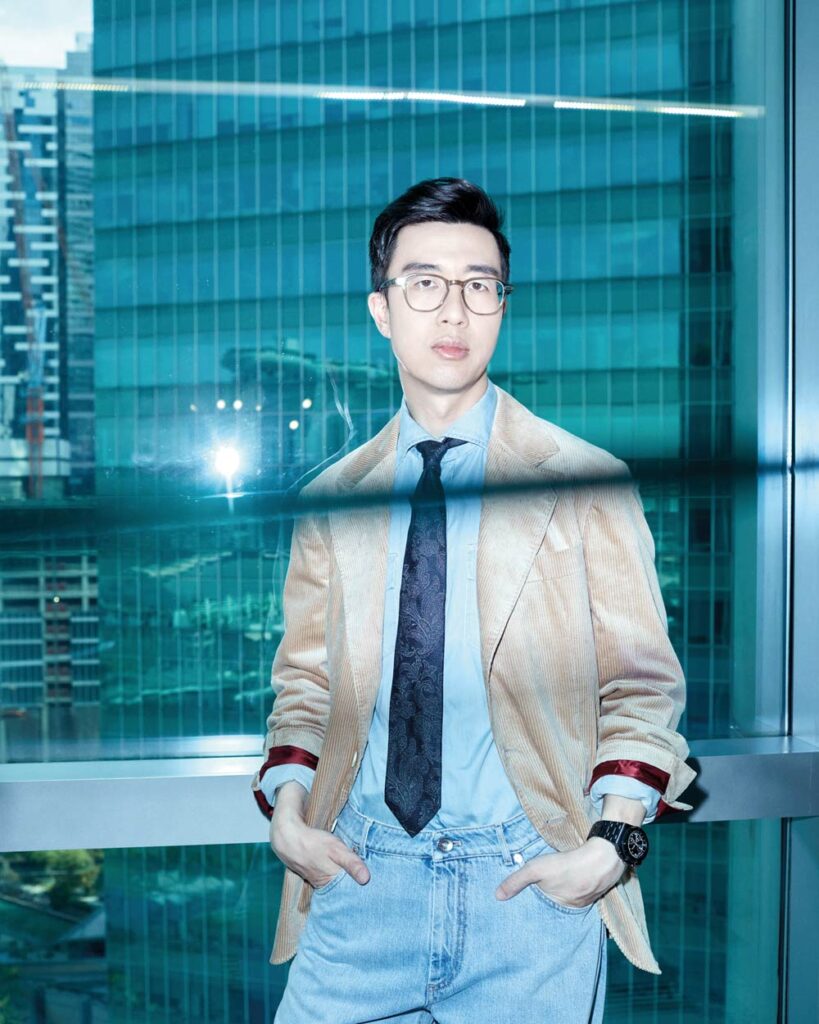
Photo: Joel Low.
While some might consider it a curse, Chen sees his constant relocation when he was growing up as a blessing. Age has reframed that experience. Instead of viewing himself as an outsider, he now calls himself a guest.
“My family’s regular travels gave me a broad perspective and enabled me to adopt a more global mindset on issues. It also pushed me to be more open-minded about the different cultures that the world offered,” says Chen.
It also taught him to be wary of complacency creeping in. The family’s move to Singapore coincided with the city-state’s explosive growth in the 1990s, and the Chens capitalised on it. They bought several properties, including undervalued shophouses, and slowly laid the foundation for a real estate empire. But Chen would always remember those years in Mali fondly, even after experiencing the fruits of hard work that enabled him to get a degree in architecture at the University of California, Berkeley and, subsequently, a design role in a Californian firm that played a part in envisioning Apple and Starbucks stores.
In 2008, the family acquired an old building at 75 High Street, which needed a refresh. The original idea was to subdivide the floors and lease them out, like what the Chens did with their other properties. “Then, my father asked if I was interested in coming back to work on this project because it needed some design thinking. He wanted to shift away from the traditional method of buying and leasing real estate and add value to the properties instead,” says Chen.
Intrigued, he agreed and returned to Singapore.
Design And Responsibility
Armed with a repository of design knowledge, Chen began by asking a simple question: how can we rethink the role of the office, moving from task-based working to collaboration? He worked together with award-winning architect Colin Seah, the man behind the boutique New Majestic Hotel, to come up with an answer. Together, they created Face-to-Face, a boutique work and event space designed to “inspire different dialogues” between people in varying disciplines.

Photo: Joel Low.
When Face-to-Face was finally unveiled, it marked many firsts for Chen. It was his first completed project with Arcc Holdings, his family’s company. Secondly, it was a realisation that his interest in design can enable business. Thirdly, and most importantly, it signalled his homecoming.
The years that followed saw further developments on these themes, with the opening of The Co., one of the first coworking spaces in Singapore and KL. Then, Chen started Arcc Spaces, a design-led luxurious take on coworking, in 2018. Within five years, it grew from one location in Singapore to 12 locations across five cities, including Kuala Lumpur, Shanghai, Beijing, and Hong Kong. Beyond coworking and real estate, Chen had something else in his mind.
Taking On The Reins
He ventured into hospitality with Else. The company opened its first location, an elevated guesthouse in KL, in 2022. It took over the conserved historical Lee Rubber Building and turned heritage into a hip, humanistic outpost. He admits Malaysia’s capital wasn’t in his initial shortlist of locations for a hotel. However, a chance encounter with two KL residents opened his eyes to the burgeoning creative scene outside the city centre. “Although I prided myself on being curious and open-minded, here I was stereotyping KL before I even gave it a chance. Many always see the city, and by extension, the country, as sitting in the shadow of Singapore. There is so much more to the city than meets the eye, however.”
This incident, along with several others, drove home an important point for Chen. Businesses are not just a money-making vehicle. They have a responsibility to their employees, and the community at large.
He recounts returning to Mali several years ago after almost a decade away from the country that shaped his childhood. The factory still stood strong, as did the apartment Chen grew up in. The employees remained as well. Several who joined in the ‘70s and ‘80s had risen through the ranks to become managers, guiding a new batch of junior employees. Seeing these changes through an older, more experienced lens made a huge impression on Chen.
“It made me realise the obligations my parents took on when they came to Mali. They not only took over a business, but also assumed responsibility for the livelihoods of the staff.”
The longevity of a family business depends on the right values being passed down from one generation to the next. In this regard, Chen has learned well. His meticulousness shines in his answers, and it’s clear that he understands the duty that comes with taking over the reins.
Design In The Future
Some might see his age as a disadvantage. The clarity of youth, however, means he’s not just trying to increase profits for the next quarter, as many listed corporations are wont to do, but future-proof the company as well. The rapid explosion of artificial intelligence (AI) and machine learning hasn’t escaped his thoughts.

Photo: Joel Low.
“When I was studying architecture, we were using software like AutoCAD and had just started experimenting with 3D modelling. Even back then, there was debate about whether students should still learn to sketch by hand or just dive into these digital tools,” says Chen. Similar arguments arise each time there is a quantum leap forward in technology and old roles are questioned.
Chen isn’t averse to AI. He believes that it’ll lighten the creative’s workload. “The designer will become a problem solver and production is left to the machine. A human will still have to take the brief, deconstruct the problem, generate a solution, and write a prompt the AI can understand.”
However, he envisions a future where design will eventually become a democratic process. And he’s excited. Instead of experts coming in and imposing their will on a room, office, house, or building, anyone with a stake in the space or who is part of the community can help to determine its final look and feel.
This concept remains close to his heart. After all, any creative project serves the people using it. “Much of the work we do now attempts to give back to the city that the space is in. For example, Else Hotel is our love letter to KL. That project ignited a desire to look at forgotten spaces and how a project or building can rejuvenate them.”
Chen has been specifically studying the rural areas of Japan. As more and more people leave the quiet towns to search for jobs in the city, these spots become increasingly dilapidated and eventually wither. Chen wants to breathe new life into them. He believes great-quality design and architecture projects can entice the younger generation back.
One needn’t look too far for a great example. Bukit Pasoh Road and Keong Saik Road were once forgotten streets filled with cheap hostels and seedy brothels. However, when New Majestic Hotel opened, a plethora of hip restaurants, bars, and clubs took root. While the hotel is no longer there, the area continues drawing the young and young at heart.
Gentrification that respects heritage and builds community has merit. Just like a factory in Mali that connected a young boy to a completely different world that opened his heart to the power of community, diversity, and a human-centric approach to design.
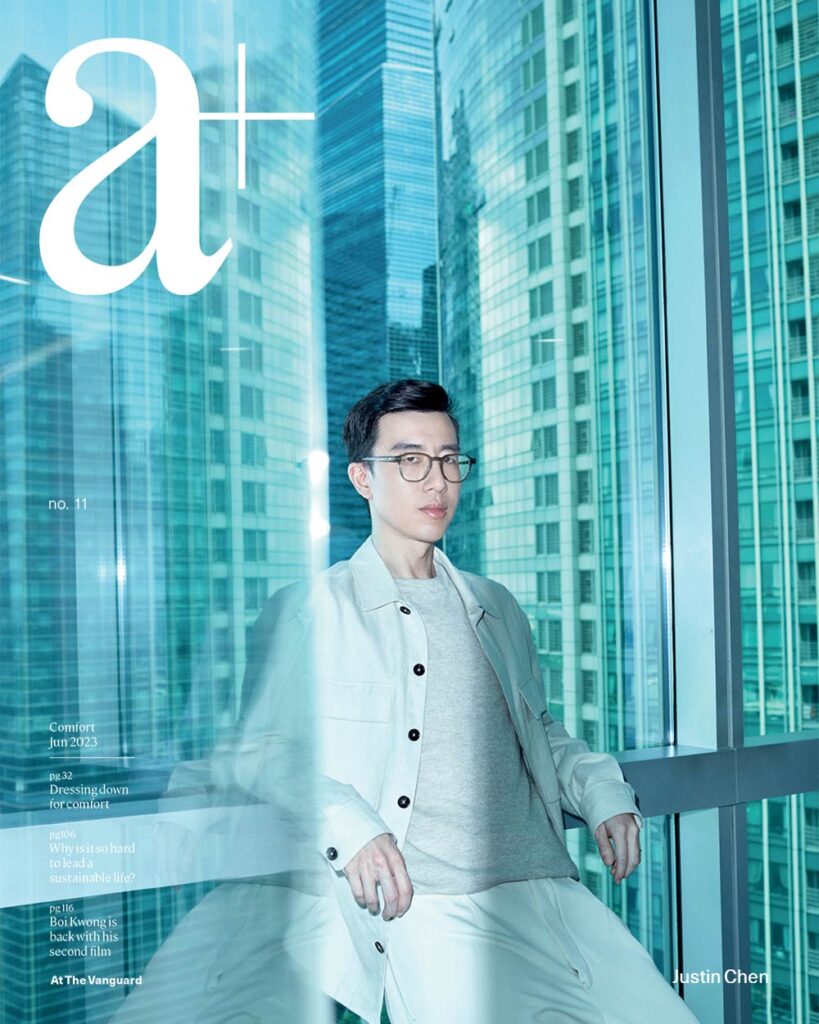
Videography: Alicia Chong
Photography: Joel Low
Styling: Chia Wei Choong
Grooming: Keith Bryant Lee, using Bobbi Brown & OUAI
Photography Assistant: Eddie Teo