
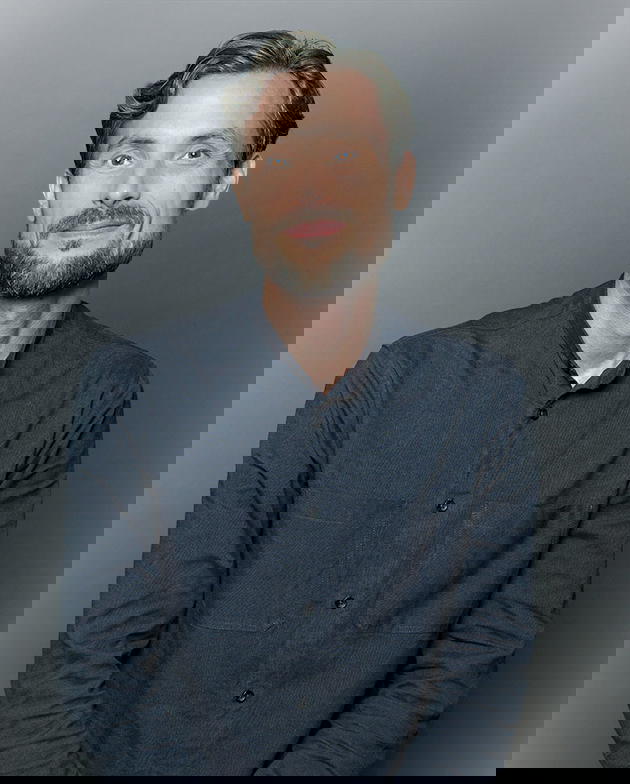
As Southeast Asia’s cities continue to grow denser and hotter, the conversation around climate-responsive design has never been more urgent. And at FIND – Global Summit 2025, happening 11 to 13 September 2025, Marina Bay Sands Expo & Convention Centre, landscape architect Bernd Michael Schernau is leading the discussion.
His session, “Tropical Canopies: Building Everyday Sanctuaries in the City”, begins 1.05pm on 11 September, dives into how these structures can help to shape the future for urban living. “In Singapore, these canopies are more than a trend. They’re transforming how developments function and flourish,” says Schernau.
A landscape architect with over a decade of experience in Southeast Asia (including Singapore) as well as Germany, he creates spatial experiences that connect people to places. These are rooted in his design philosophy, which draws on greenery, materiality, and light to influence how people feel in built environments.
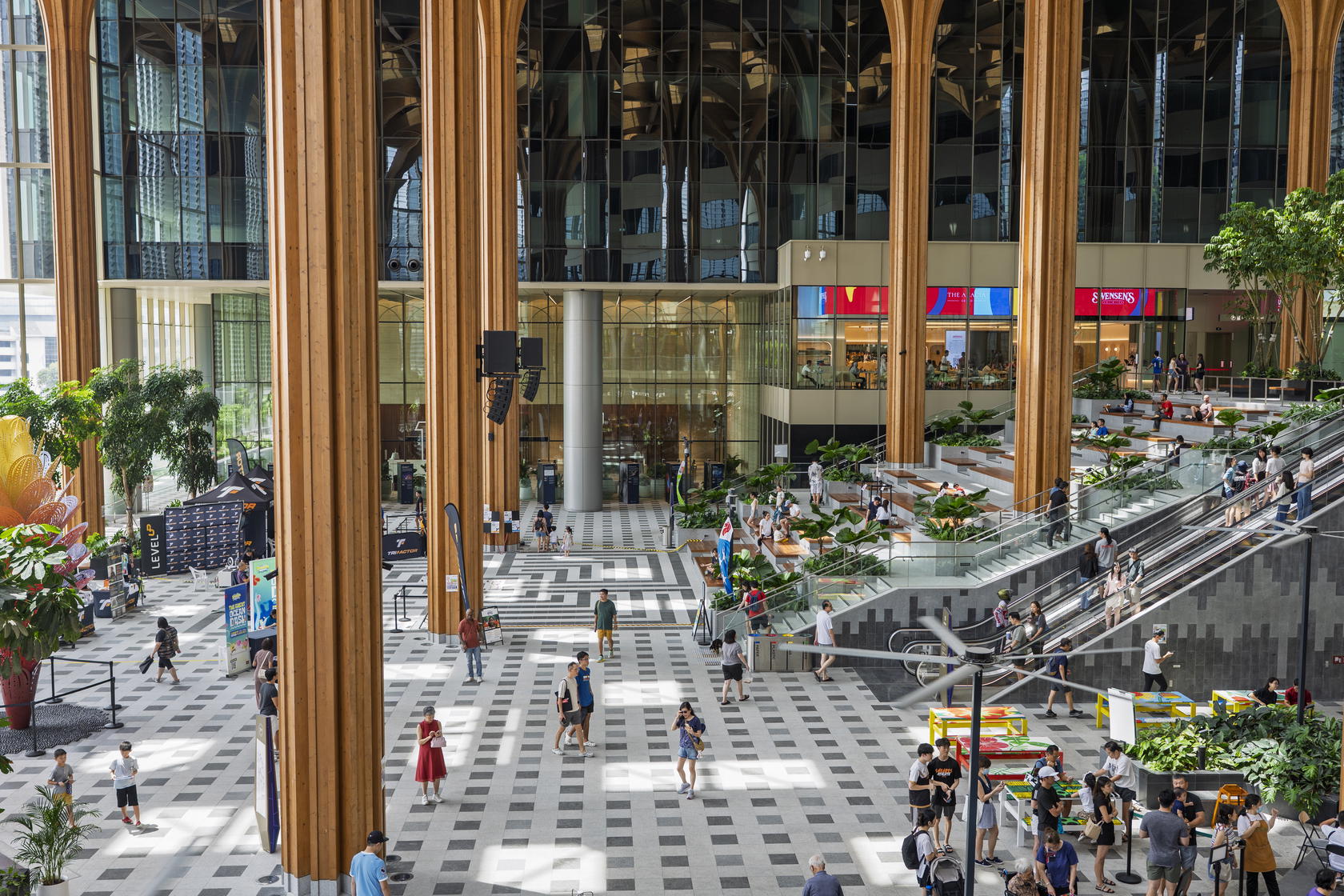
Schernau is among a new generation of designers rethinking greenery as an active system, not an afterthought. “We understand that the effect of a well-integrated canopy can mimic that of a real forest, offering natural cooling and overall climate resilience. But beyond temperature, these spaces support wildlife and help restore balance in our cities,” he says.
His work is helping position Singapore as a global testbed for tropical urbanism. Among his current projects is Temasek Shophouse, which integrates regenerative design principles like rainwater harvesting, faunitecture, and circular materials reuse, all while maintaining low-maintenance, culturally relevant solutions.
“The Temasek Shophouse reflects my personal design ethos,” he shares. “It’s a great example of how small-scale interventions can embody sustainable practices, and make them visible and tangible to the public.”
Schernau is excited about moving beyond speculative futures to focus on designing the present . “As my colleague Dr Hossein Rezai has put it, the real question is, what kind of present leads us to the future we want? These discussions push us to see design as a tool for shaping regenerative, resilient cities starting today,” he quips.
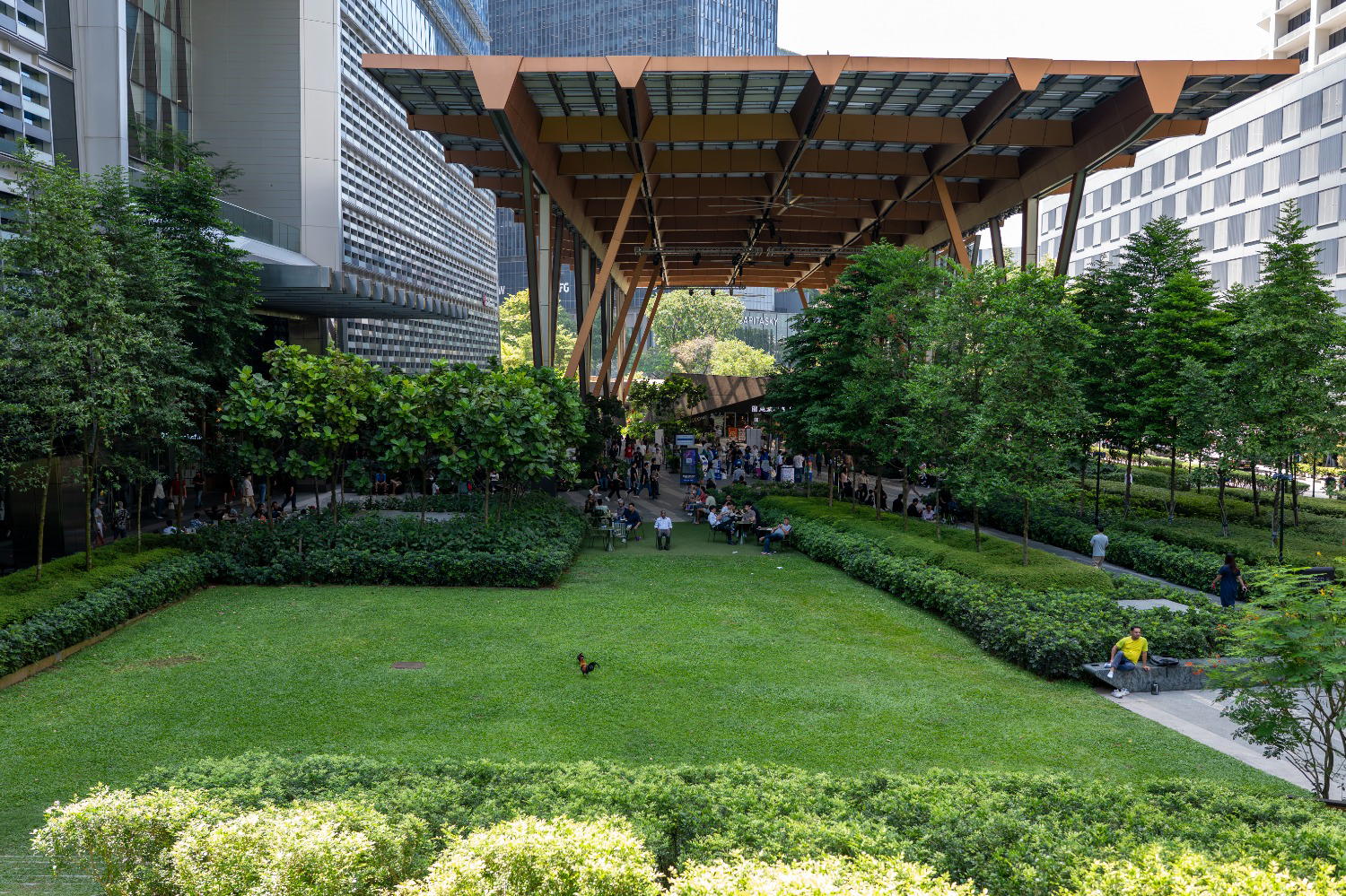
For “Tropical Canopies: Building Everyday Sanctuaries in the City”, he will examine Nordic planning models such as pedestrian- and cyclist-first cities, their potential, and their challenges in Southeast Asia.
Cultural differences in car ownership and status aside, Schernau sees opportunities in Singapore’s “car-lite” shift as well as major infrastructure investments like the North-South Corridor. “It’s about mindset. If we can pivot, the impact on air quality and noise will be profound.”
People-first cities, for Schernau, are intuitive and climate-conscious. While he concedes Singapore’s success in blending comfort with efficiency, he also reminds that its challenge now is to reduce ecological footprints without compromising quality of life. “Technology can help, but only if we keep people at the centre. A people-first city must align human comfort and convenience with planetary responsibility.”
Pre-register by 10 September, 2025, for complimentary access to this industry event.