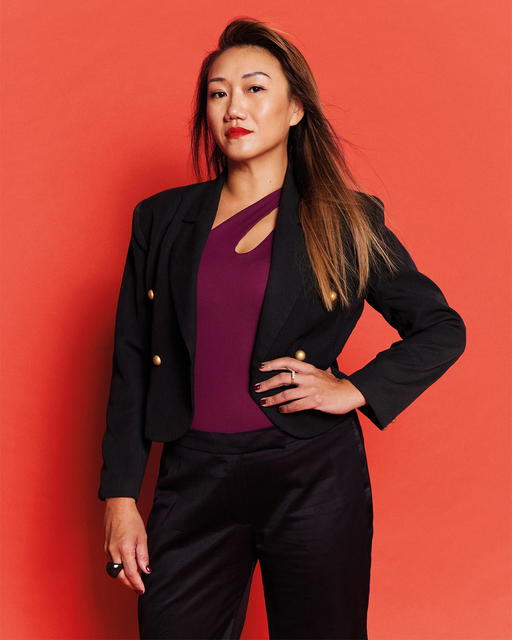
There is a photo somewhere in the recesses of Deborah Widjaja’s house, placed tidily in an album dedicated to childhood moments. In it, she is 6 years old and wearing the biggest grin on her face. A festive party hat adorns her head and friends and family surround her. For most, it might seem like a normal birthday party. For Deborah, this day is special. She planned it.
“My mother was surprised when I took the initiative to do that,” Deborah says, smiling at the memory. “I planned the programme timing, curated the guests, made and sent out invitations, compiled the grocery list and went with my helper to the supermarket, chose the film I wanted to play during the party, bought the cake, and even selected the snacks I wanted to serve!”
Most children would have blown out the candles and called it a day. Deborah, however, is detail oriented to a fault. It’s a characteristic that has carried over to her adult life, both in her job as a group deputy CEO and executive director of Bund Center Investment and in raising her two young children.
School gave her the opportunity to pursue her creative and artistic streak. Her parents, notably her mother, encouraged her to pursue her passions. So she did, studying international relations and filmmaking at the University of Southern California (USC). After graduation, she continued expanding her silver screen ambitions and enrolled in a filmmaking programme at the New York Film Academy. She didn’t want to be in front of the camera, preferring to tell stories through the lens instead. “I wanted to be a socially impactful filmmaker.”
In another universe, Deborah would have followed in the footsteps of her favourite directors Robert Zemeckis and Edward Zwick—“I love Forrest Gump and Blood Diamond inspired me so much”—creating films that not only entertained, but provoked discussions in viewers’ minds.
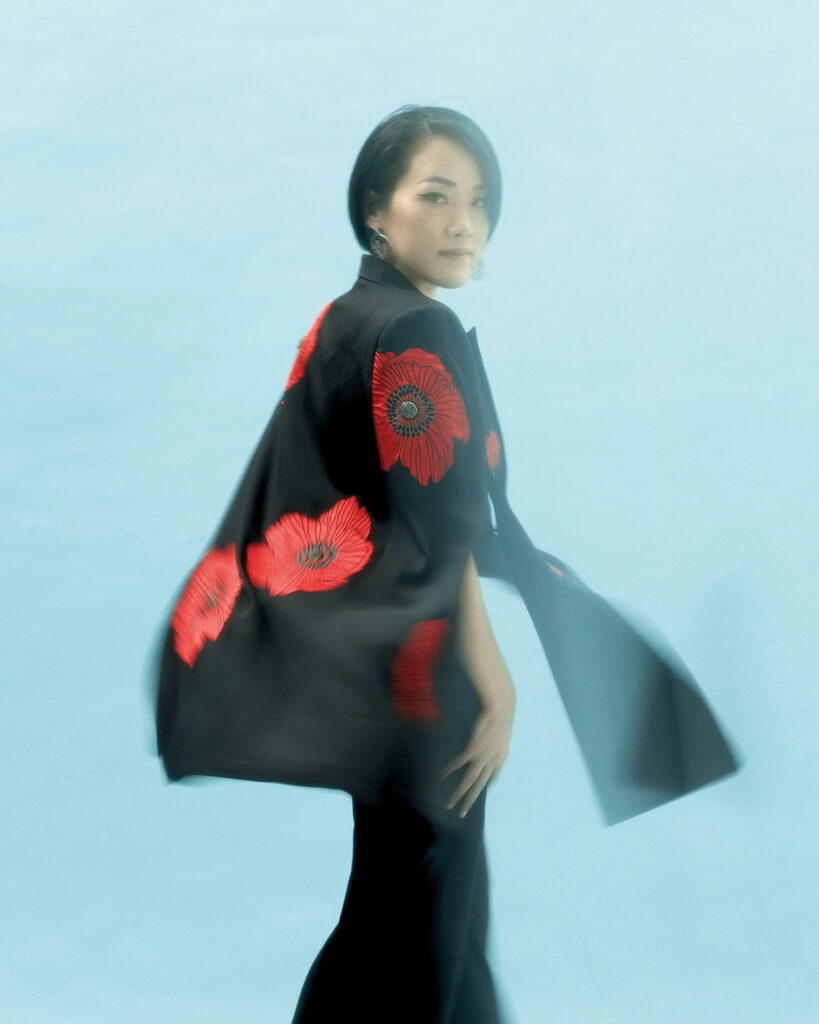
This life, however, had different plans for her. Deborah’s parents asked her to return to Shanghai and join the family business. Intrigued, she agreed, thinking it could be a short sojourn to learn the ropes before returning to films.
She’s still with the company to this day.
Admittedly, it was a struggle in the beginning. There were times Deborah wanted to pack it in and call it a day. Business Mandarin was a different animal. In the morning, she would discuss the boiler system of a building. When the afternoon rolled around, she might be neck-deep in leasing and renovation issues. All in a language she was not fluent in.
Beyond linguistics, the cultural differences also took their toll. But she refused to let these challenges get the better of her. “There were so many lessons I learned,” she says. It also helped that her parents had a lot of faith in her, even more than she did in herself.
Sixteen years later, she’s still at Bund Center Investment, overseeing the company’s portfolio of commercial properties in China. In that time, she also had two children, Alexandra and William.
While China taught her resilience and fortitude, her kids instilled patience, empathy, mindfulness, and alignment in her. She needed to be the change she wanted to see in herself before she could expect them to do it. “Children do as they see, not what they are told. They are fantastic at detecting misalignment, even before they can articulate. I must walk the talk and, hopefully, they will follow suit,” says Deborah.
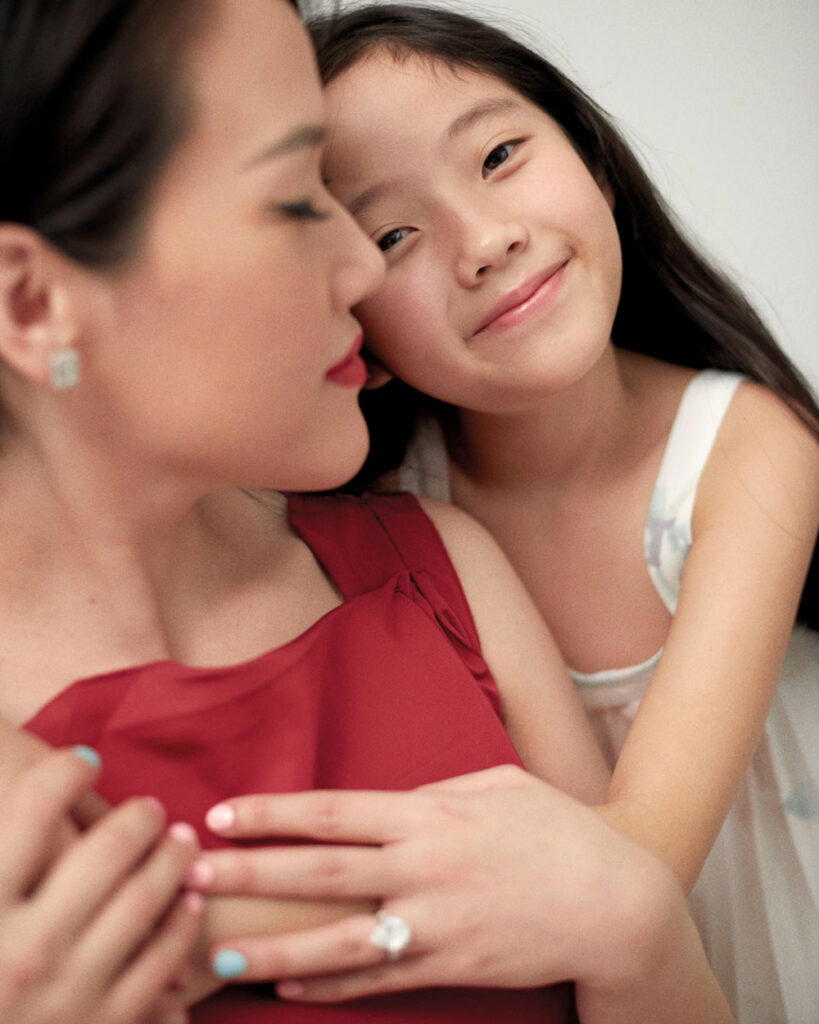
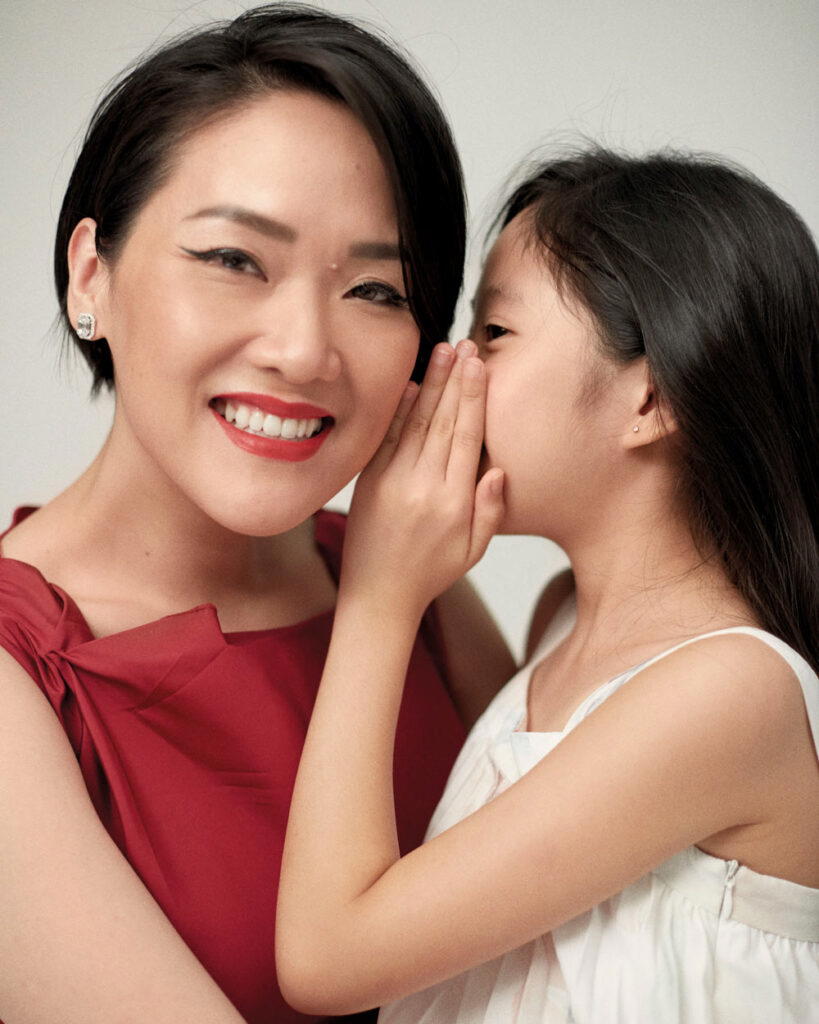
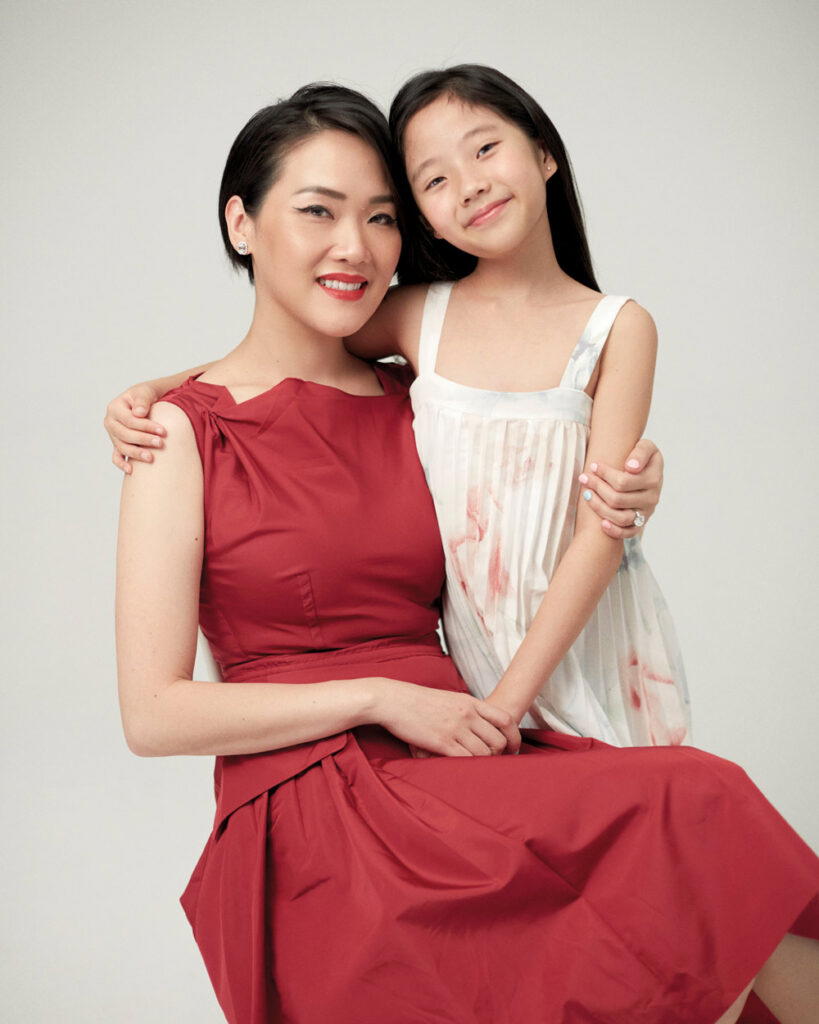
In the beginning, mother’s guilt wracked her. She kept feeling like she wasn’t doing enough for them. It was only after reading A Radical Awakening: Turn Pain into Power, Embrace Your Truth, Live Free by Dr Shefali Tsabary and The Myth Of Normal by Dr Gabor Mate that she gained clarity on being a more conscious parent, focusing on the being instead of the doing. “The latter book explains how societies today have normalised practices such as parenting in isolation. Humans are designed to function as part of a tribe, living together and helping each other out. Parenting shouldn’t fall squarely on the shoulders of one or two adults. It takes a village,” explains Deborah. She reckons it’s why there is a dramatic uptick in health issues, depression, and autoimmune disorders.
Today’s postmodern societies are highly demanding, especially on mothers. If they don’t build a thriving career, have well-adjusted children who excel academically or in the sporting arena, and look like a million dollars all the time, they are failing. It is stressful, but it made Deborah realise that it’s fine to build a support network that she could rely on so everyone thrived.
“It’s a lot more empowering than constantly giving in to the familiar mother’s guilt of not being able to do everything and be everywhere all at once,” she says.
The work she’s put into her parenting, personal development, and self-awareness pillars is clear, even if Deborah thinks more can be done. Her eldest, Alexandra, is a smart, polite and patient 10-year-old lady with the sass of Margaret Thatcher and the confidence of a woman who knows tomorrow’s lottery results.
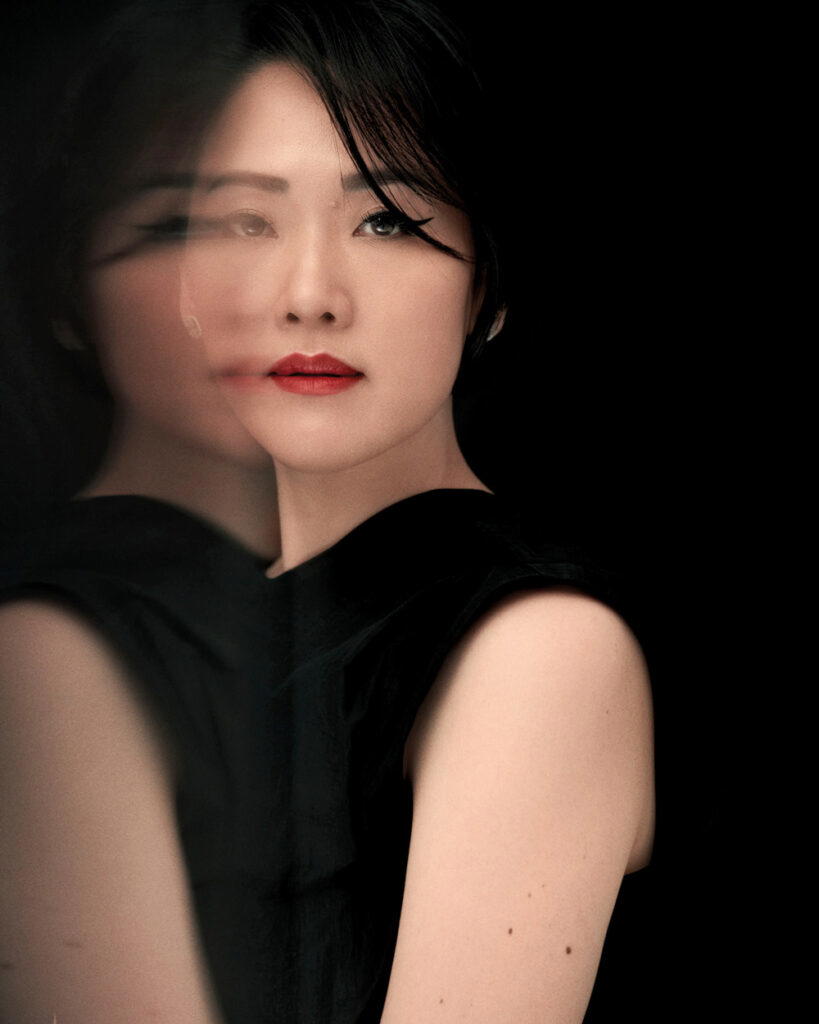
Photo: Joel Low.
At the photo shoot, she and Deborah happily hammed it up for the camera, displaying a level of comfort only possible from a lifetime of chemistry.
It’s been a long learning journey and Deborah questioned many things that she grew up with. Ultimately, she realised that she, like most parents, only has one goal. “When they grow up and make the occasional unwise decision, I want to be that safe space for them. The world isn’t always going to be a bed of roses, but they know that they can always come to me.”
The adventure is far from over, but Deborah is cherishing each day, seeing her children grow and develop into fine, young adults.
Beyond parenting, Deborah has started using her influence to explore her other interests and create change at the same time. Late last year, together with entrepreneur Sandhya Sriram and former banker Harmin Kaur, she co-founded Women Venture Asia (WVA).
A non-profit organisation, it aims to bridge the gender chasm in entrepreneurship. Globally, only 2.3 percent of venture funding capital flows to female founders. The gap is narrower in South-east Asia, thanks to a slightly more robust ecosystem—23 percent of venture capital decision makers are women. However, more needs to be done in the space to create a more robust and equitable field. Research has shown that diversity spurs innovation.
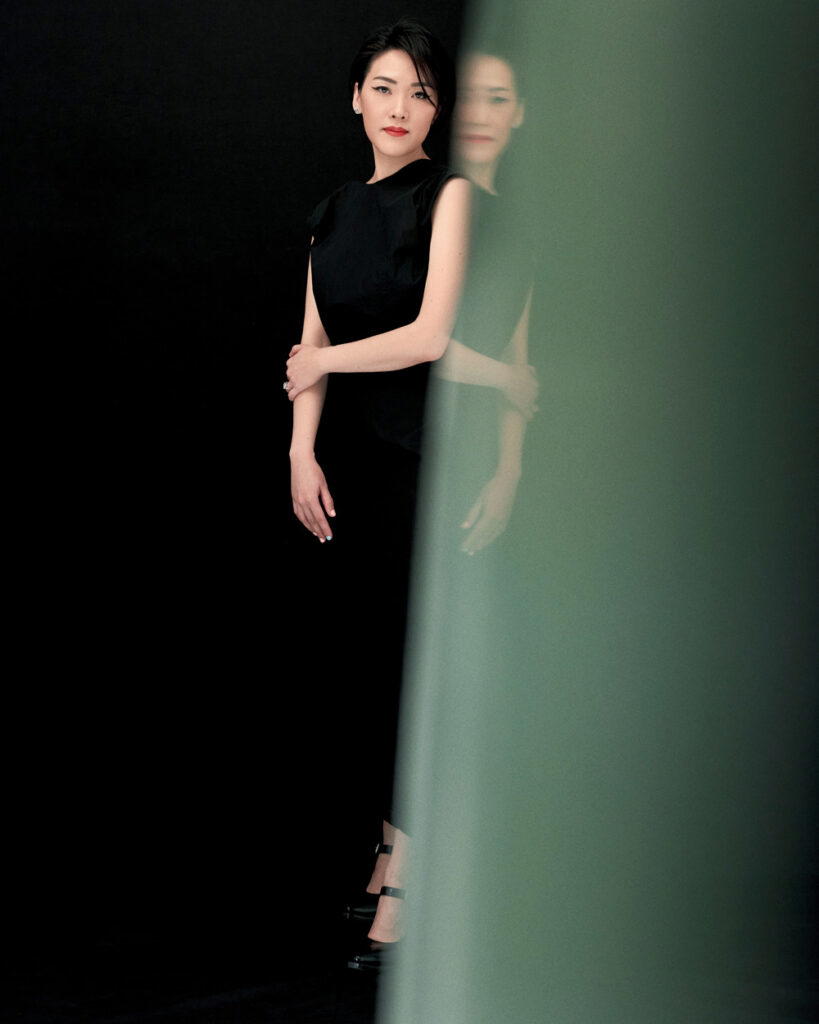
Photo: Joel Low.
It’s only been less than a year, but WVA has grown significantly. In October 2022, it held its inaugural conference. This year, it’s already organised a retreat, worked with the Singapore Exchange to ring the bell for gender equality in March when the markets opened, and hosted a panel discussion titled ‘Investing In Women: Building A More Inclusive Ecosystem’. Plans are in the works to launch a founders’ programme “focused on mentoring, capacity building, and providing access to a broader investor ecosystem”.
On a personal development level, Deborah also recently joined the Singapore chapter of the Young Presidents’ Organisation (YPO). Founded in 1950 in Rochester, New York, the organisation slowly expanded around the world, gathering like-minded business leaders to connect, collaborate, and share ideas.
Today, there are over 34,000 members spread across 150 countries. South-east Asia has 1,200 members in 20 chapters. “It’s the largest community of changemakers on earth. Our vision is to be better, inspiring leaders to make a difference in lives, families and communities,” says Deborah.
Just like her parenting journey, YPO has been a rollicking ride, but with minimal tantrums and a lot more upside. “I’ve met amazing people, formed enriching friendships, and attended many international conferences and educational programmes.” She loves it so much that she’s joined the executive committee as an engagement officer, supporting members of the Singapore chapter to build strong and lasting relationships within YPO.
She’s still deep in the tank and figuring out the most effective forms of engagement, but I have no doubt that she’ll do an excellent job. After all, this is the woman who threw an amazing birthday party for herself at age 6. She’ll probably wear a different hat, one that’s not so glittery. Cake, however, will still be served.
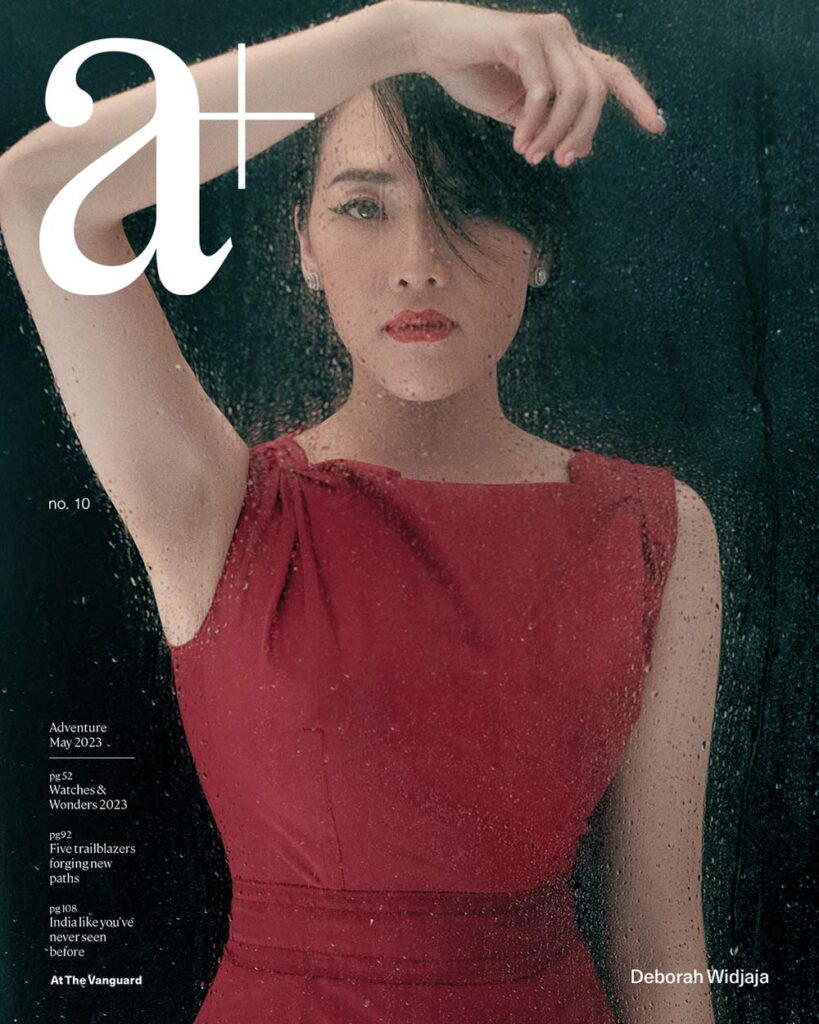
Photography: Joel Low
Styling: Chia Wei Choong
Hair: Sean Ang, using Goldwell & Dyson Hair
Makeup: Wee Ming, using Gucci Beauty
Photography Assistant: Eddie Teo