The city of Hong Kong has long been regarded as one of the great dining destinations in Asia. However, the complex combination of political unrest and some of the world’s longest-lasting Covid-19 restrictions resulted in plummeting tourism, with nary a foreign traveller in three years.
Ready to reclaim its role as a dining mecca, Hong Kong’s dining scene is still as multicultural as ever despite many expats and residents moving away. Visitors will discover a thrilling variety of cuisines, from Korean to Nordic and Argentinian to Singaporean.
CONTINENTAL SHIFT
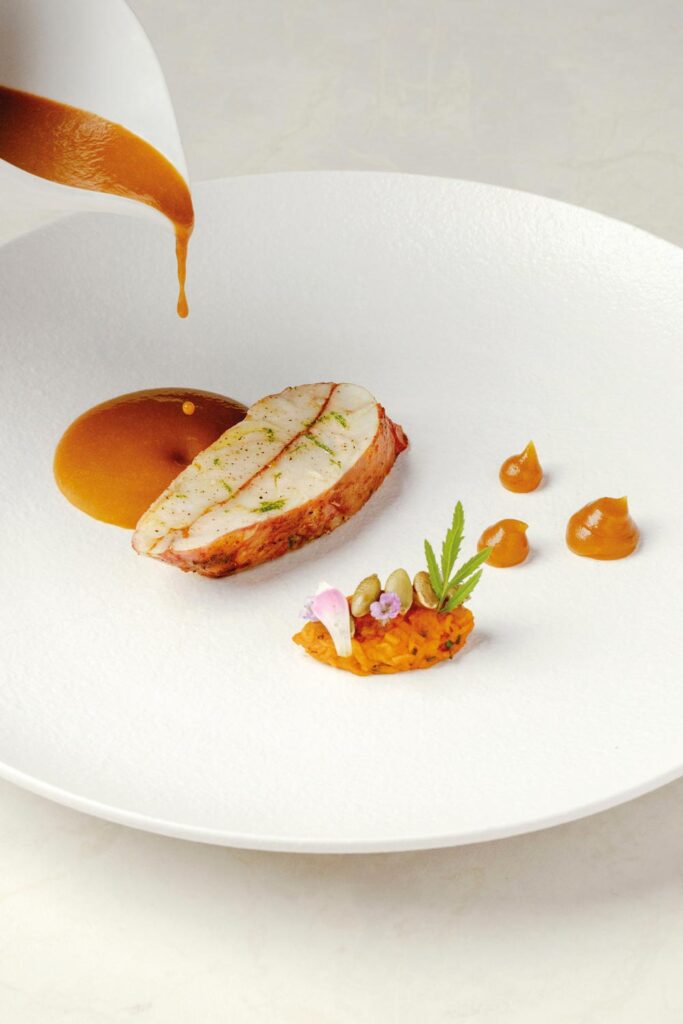
The last couple of years have seen Latin American cuisine take off in the city. Venezuela-born chef Ricardo Chaneton leads the brigade with Mono in Central. While paying homage to the flavours of his childhood, Chaneton reinterprets LatAm cuisine, serving vibrant dishes like langoustine with fermented Ecuadorian cacao and pork rack with morcilla (blood sausage) and sarrapia (tonka beans).
Mono, No. 41 on Asia’s 50 Best Restaurants 2023 list, opened just as the pandemic began. In a twist of fate, the Covid travel restrictions, says Chaneton, may have helped Mono become one of the city’s favourite restaurants.
“We opened when no one was flying out of Hong Kong, and people were looking for something different. For three years, our contemporary Latin American menus gave diners a taste of a region unfamiliar to them,” he says. “Now, overseas visitors are coming back, so we’ll continue cooking for them. Hong Kong remains a world destination for gastronomy.”
Chaneton, formerly head chef at three-Michelin-starred Mirazur in France, the World’s Best Restaurant in 2019, also partnered with lauded Argentina-born chef Agustin Balbi to open the informal, neighbourhood Rosita in Wan Chai.
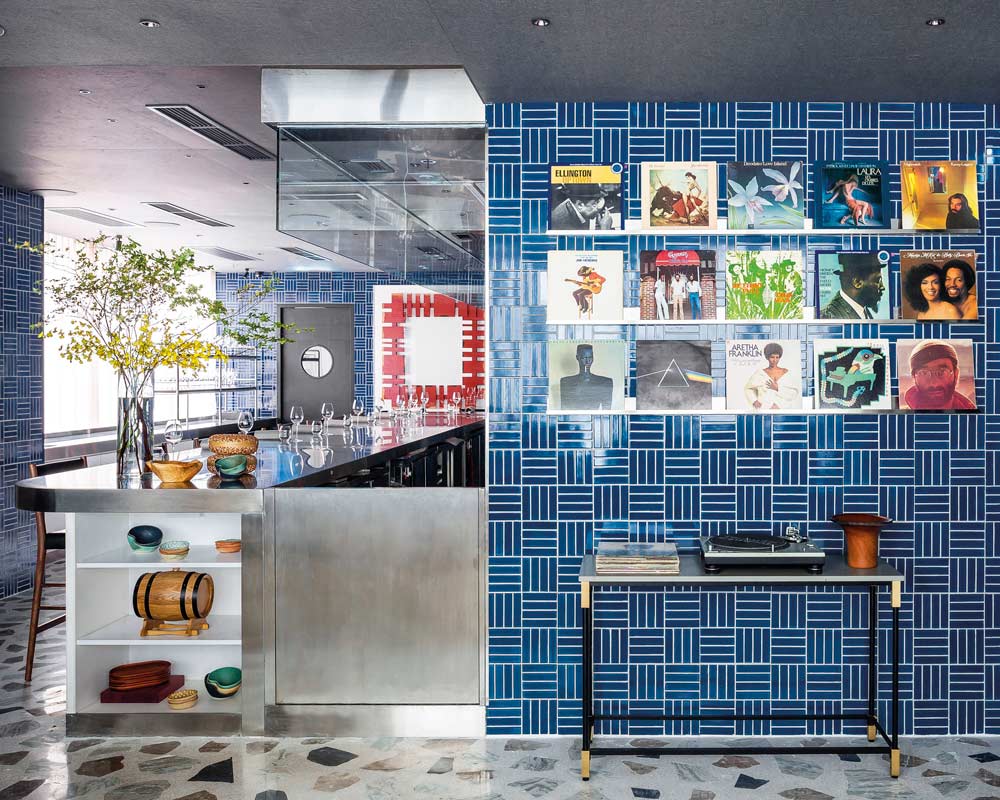
It offers modern Latin American, incorporating French and Japanese techniques and flavours. Expect dishes such as ceviche with passionfruit, home-style slow-cooked stew with Argentinian chorizo and avocado, and cinnamon-sprinkled churros with dulce de leche dipping sauce.
Balbi spent five years in top kitchens in Japan before settling in Hong Kong.
He serves beautifully plated Japanese-meets-Argentinian at his Michelin-starred Ando in Central, which entered the extended Asia’s 50 Best Restaurants list this year at No. 62. The kitchen excels at combining unexpected flavours and ingredients—sashimi paired with black olives, for example—for a thrilling new dining experience, while also offering a taste of comfort in dishes such as Balbi’s signature Sin Lola, his take on arroz caldoso or soupy rice that pays homage to his beloved grandmother.
A TOUCH OF SPICE
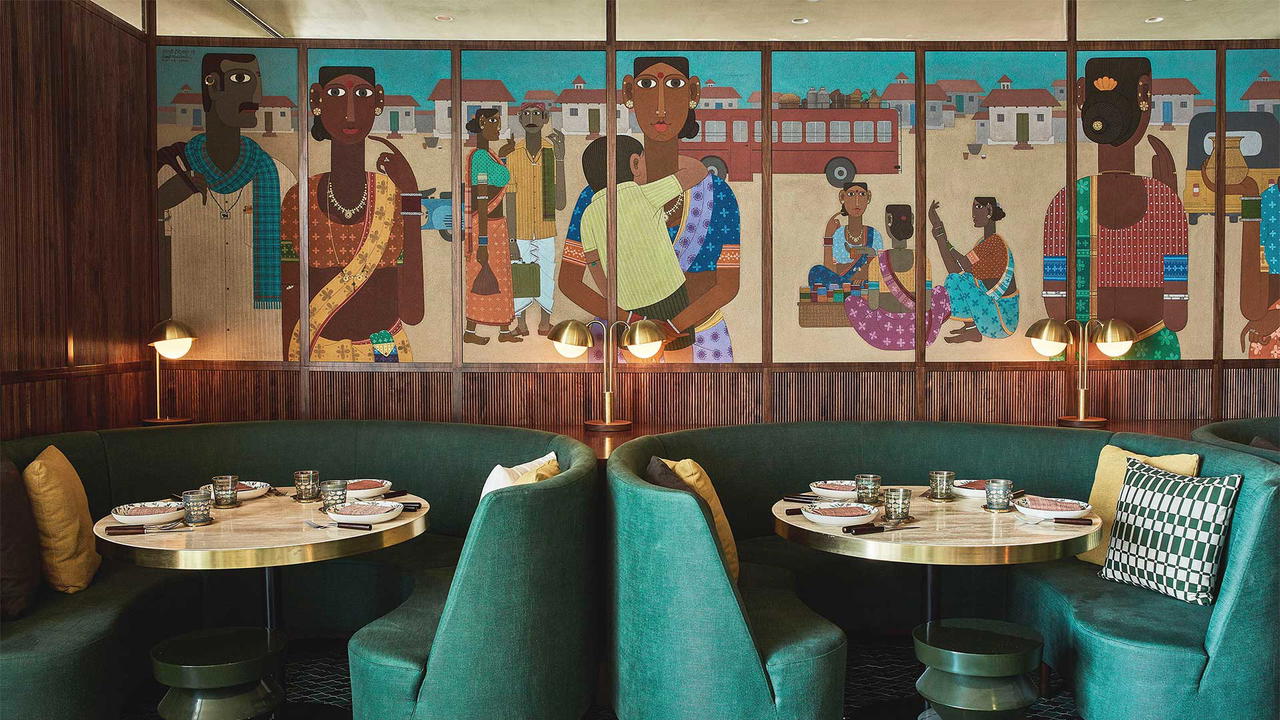
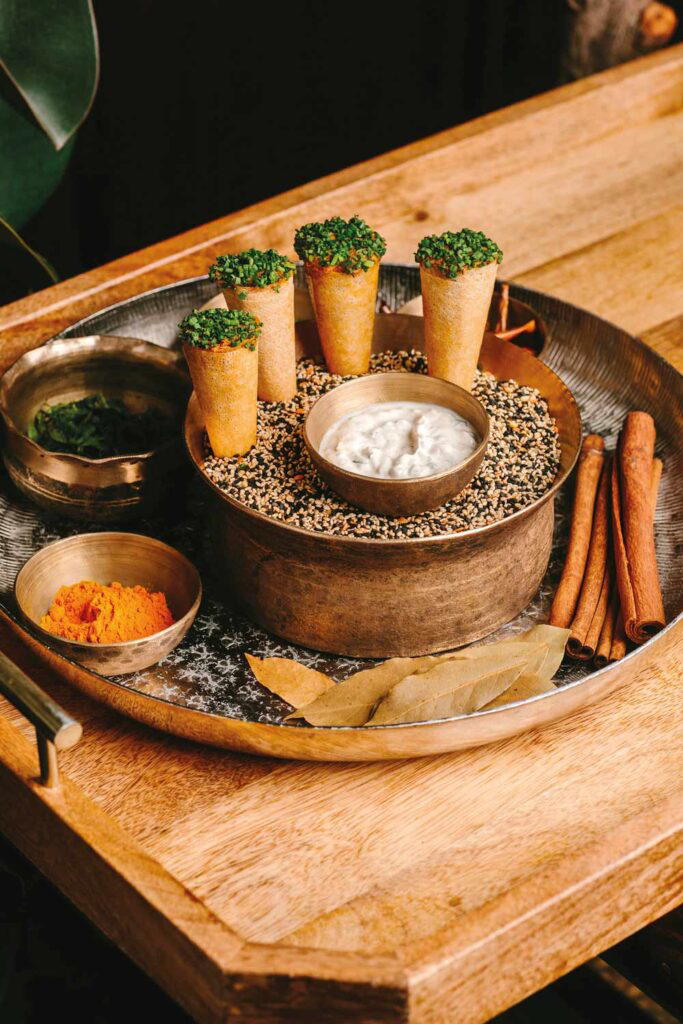
From Latin America to the Indian subcontinent, we come to Chaat at the glamorous Rosewood Hong Kong. It also opened a few months into the pandemic, quickly winning a loyal following and a Michelin star. Rarely, if ever, has an Indian restaurant attracted such acclaim in the city.
Talented chef Manav Tuli sticks to authentic Indian flavours, but adds unusual twists, such as tandoori Wagyu beef cheeks, and a dessert of deliciously smoky naan topped with chocolate, nuts, and a blob of gooey marshmallow. Dishes are rich and rewarding, with beautifully balanced spicing.
Also noteworthy at West Kowloon’s Rosewood is Texan barbecue spot Henry, which has a butchery specialising in dry ageing, and Legacy House, the Cantonese restaurant that pays homage to the Cheng family patriarch Dr Cheng Yu-Tung, founder of the holding company that owns Rosewood Hotel Group.
EUROPEAN DELIGHTS
Hong Kong’s love affair with Italian food continues at Estro by chef Antimo Maria Merone, a protégé of chef Umberto Bombana of three-Michelin-starred 81⁄2 Otto e Mezzo Bombana. Merone worked in the Macau branch of Otto e Mezzo before moving to Hong Kong to open Estro in 2021.
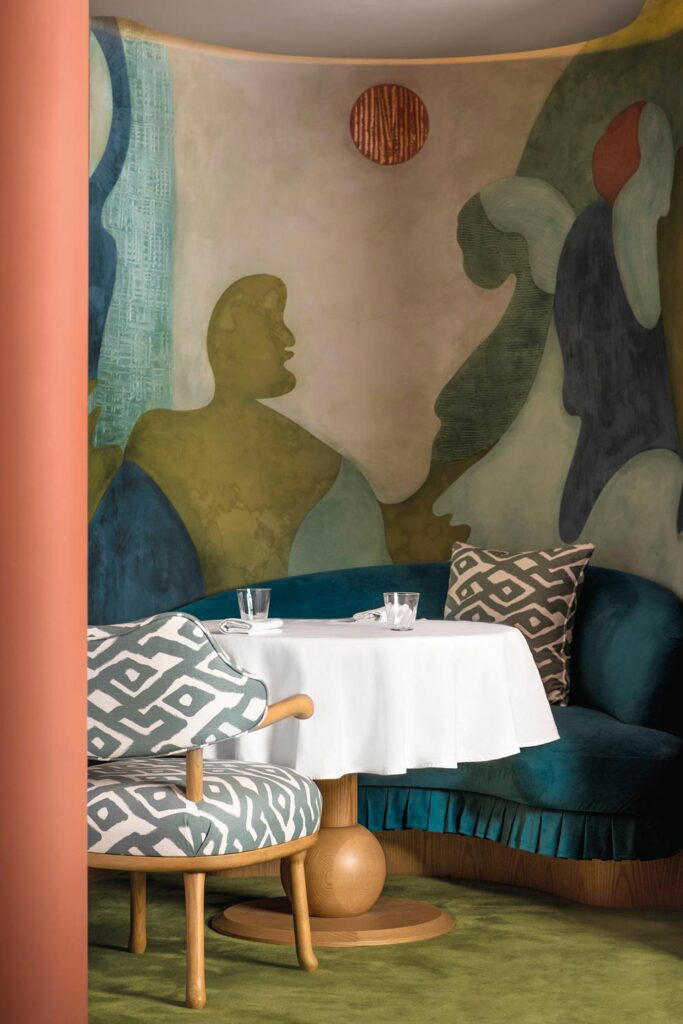
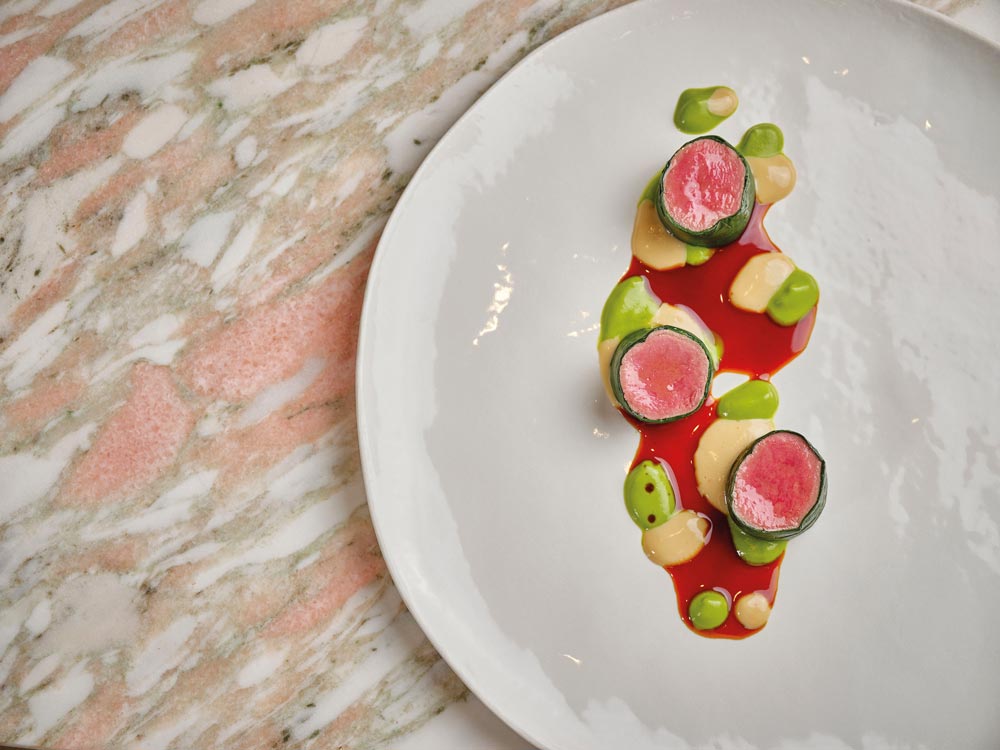
Here, he cooks modern Neapolitan dishes, such as the splendid bottoni (button pasta) with saffron that is draped in a sheet of gossamer-thin gold, and scialatielle pasta (short, thick and slightly curved strands) with king crab and Amalfi lemon. The restaurant also debuted on the extended Asia’s 50 Best Restaurants list this year at No. 61.
Roganic Hong Kong by three-Michelin-star English chef Simon Rogan continues to delight with its elegant contemporary British dishes made with only the freshest local ingredients. The Causeway Bay-based restaurant is a leading light for sustainability. Head chef Ashley Salmon works closely with farmers in Hong Kong’s New Territories. He also introduced QR codes on wooden blocks to replace printed menus and repurposed waste ingredients used in dishes and cocktails.
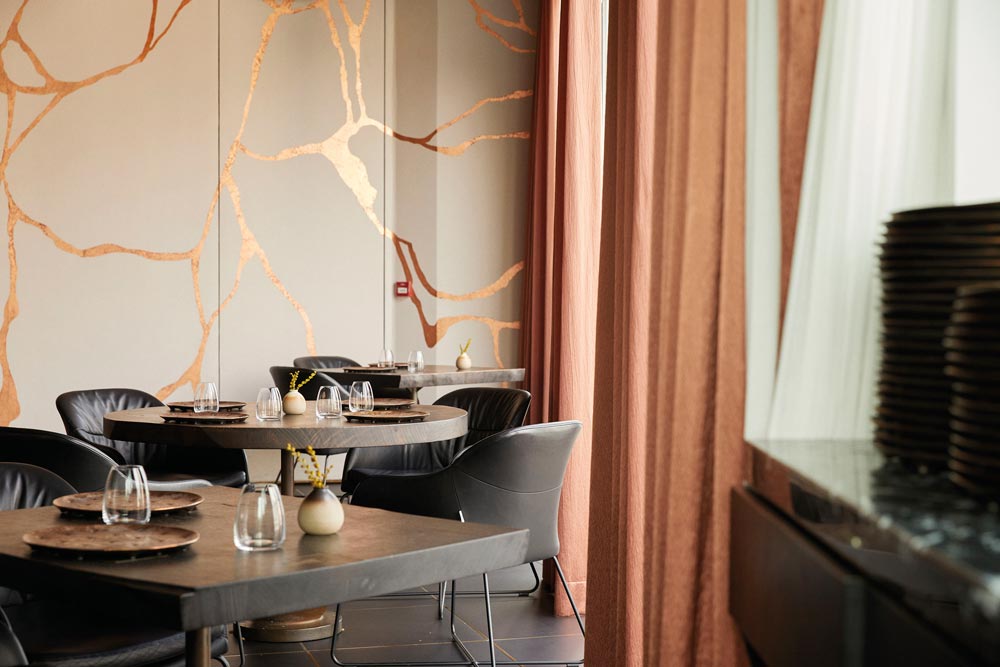
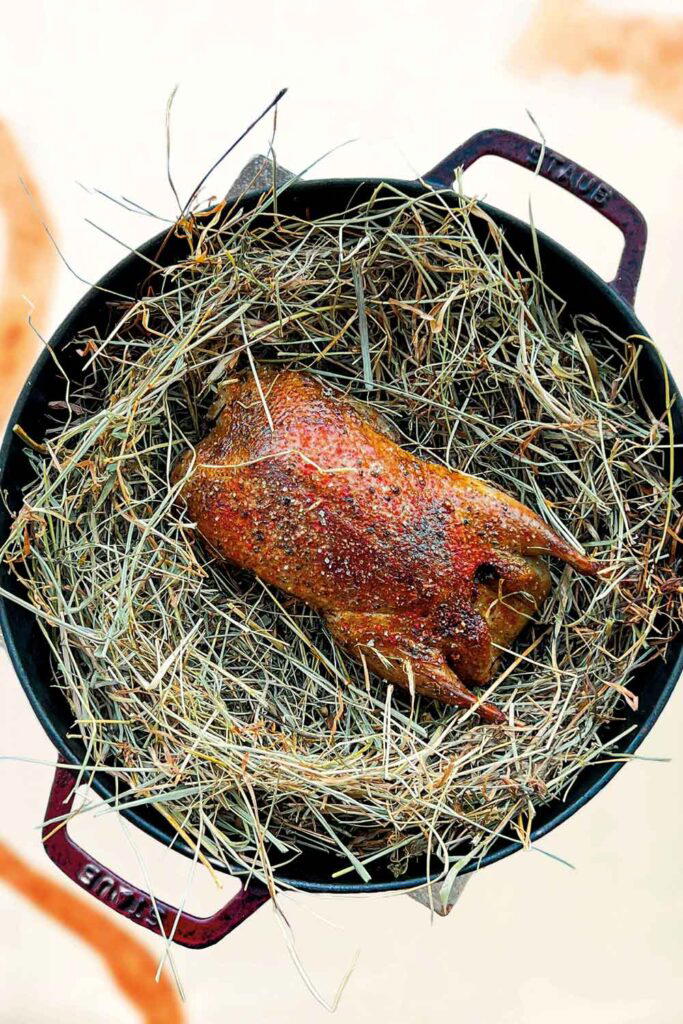
Keeping the flame for French cuisine alight is two-Michelin-starred Écriture in Central. Executive chef Maxime Gilbert looks to Japan for inspiration and ingredients, serving delights such as iwashi (sardine) on beetroot tart with quail egg, and the divine Morel—seared vin jaune mushroom custard with smoked eel and parsnip dashi with tarragon. Some dishes involve a little theatre. Servers wheel over a charcoal grill for a dramatic opening of pastry-enclosed scallops, or wild duck cooked in hay displayed tableside.
THOROUGHLY JAPANESE
While a range of Hong Kong’s top chefs draw on the Japanese approach to cooking, the new 14-seater Artifact looks to the country for more than just inspiration. Chef Kiyoshi Sato bases his degustation menu on “shun”, the Japanese philosophy of seasonality. He sources many of his ingredients from Japan, including pricey delights like kinmedai fish and rare soy sauces. But, the key ingredient is caviar. It features in almost every dish, including the bread on the side, for which it is dehydrated and grated over butter.
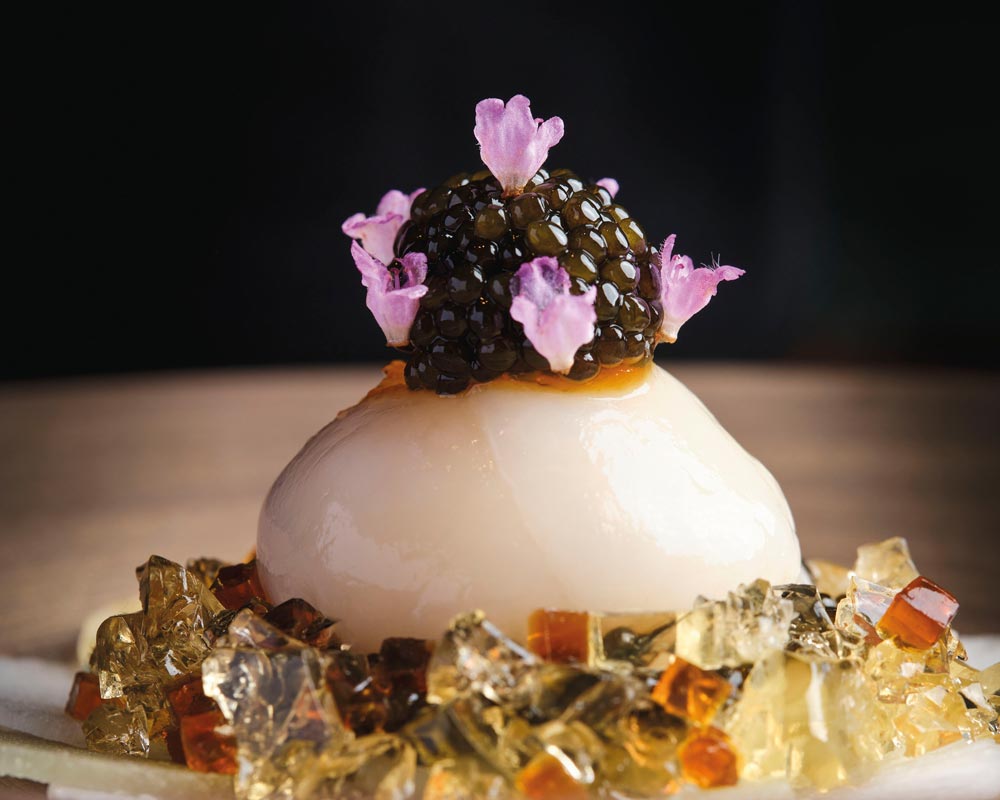
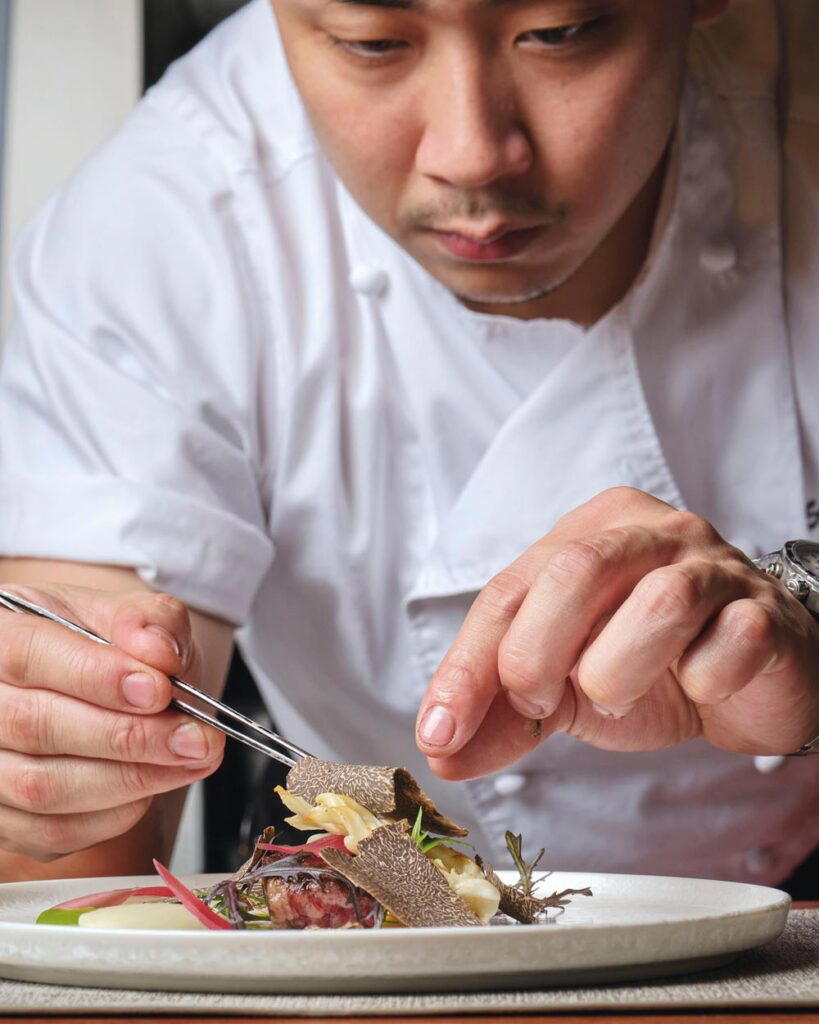
The plating is exquisite and there are moments of sheer brilliance, such as Sato’s use of Japanese white strawberries in a dish of carabineros (red prawns from the Mediterranean) with miso cream and Baerii caviar. The strawberries, with their hint of acidity, lift the dish and balance the umami and saline flavours beautifully. This neo-Japanese counter is in the basement food arcade in Jardine House, Central, an unlikely setting for a fine dining kitchen. But seated at the counter watching the chefs at work will keep diners transfixed.
LOOKING LOCAL
While Hong Kong is a multicultural dining mecca, it remains an outstanding destination for Chinese cuisine. Trendsetting restaurants include The Chairman, which won Asia’s Best Restaurant in 2021 and is now No. 13, along with chef Vicky Lau’s Mora, her new soya-focused kitchen, and Tate Dining Room. Then there is chef Vicky Cheng’s Vea and his new fine dining hotspot, Wing, which celebrates the eight great cuisines of China.
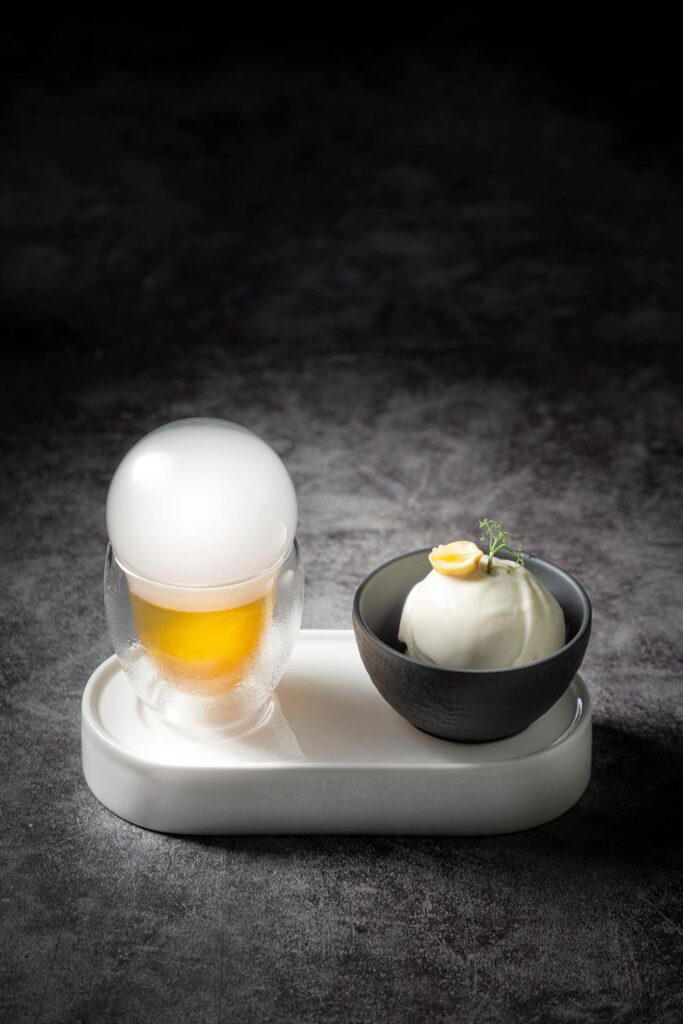
Chef Silas Li is creating waves at Hong Kong Cuisine 1983 in Happy Valley. After his role as executive chef at the much-loved One-ThirtyOne in Sai Kung, he became the private chef of local business tycoon Dickson Poon. Now he’s back in a restaurant kitchen, reinterpreting Chinese classics with an East-meets-West approach.
The restaurant also serves as an establishment akin to a training academy, with Li setting the kitchen up with an unusually high number of veteran chefs. They share their knowledge with young cooks, helping to demystify a world that can “be secretive”, according to Li, with chefs hanging on to their recipes and techniques.
“I want to share what I’ve learned over the decades with young cooks in Hong Kong. They can take over the mantle and keep our cuisine alive,” says Li.