Editor’s Note: A previous version of the article had minor factual errors, specifically regarding Marcy’s ownership structure and the New York borough that Goh first stayed in. These have been edited.
At 14, I wrote obsessively and played a lot of video games. I penned long blog posts—back when blogs were still around—and woke up at 2am to play Harvest Moon: Back To Nature on the first Sony Playstation. As my mother only allowed me a certain amount of gaming time each week, I had to devise ways to play more without her knowing.
At 14, Goh Tong Hann was already working. He started as a sales assistant in Chinatown’s OG Department Store. Then, he worked in the Bugis outpost, selling “Nike bags for $5 an hour”. He even gave tuition while serving the mandatory military service.
Goh wasn’t desperate for money. His parents simply wanted to teach him the value of labour. “They made a conscious decision to ingrain in me the idea that I must earn money for what I want.” And Goh wanted many things. The original iPhone; the discontinued iPod Touch; flight tickets to Australia to holiday with his friends.
The Comfort Of Darkness
At 30, Goh now owns PleasureCraft Group. The name playfully alludes to the boat people drive for enjoyment, while also blending the company’s core ethos of crafting pleasures. Its portfolio features two restaurants—seafood-forward Marcy’s and modern European Hevel—and Parliament Bar. The latter is Singapore’s version of a dive bar, except that the seats are still intact and there’s no weird odour, he laughs.
Goh never dreamed of opening restaurants and bars. He describes himself as a restless kid who was always up to no good. His bicycle was a close companion. While riding two-wheelers, he and his friends explored their neighbourhood’s nooks and crannies.
Books were secondary. He never understood the purpose of school and regularly stood outside classrooms for failing to complete homework. Like a compass in a magnetic storm, he felt lost within the constricting, structured walls of academia. Later, in secondary school, however, one thought dominated his mind. “I realised, ‘Oh my God, my friends are going far away and leaving me behind’,” says Goh. After that, he scored seven distinctions in his final GCE O-Level exams. They remain friends to this day.
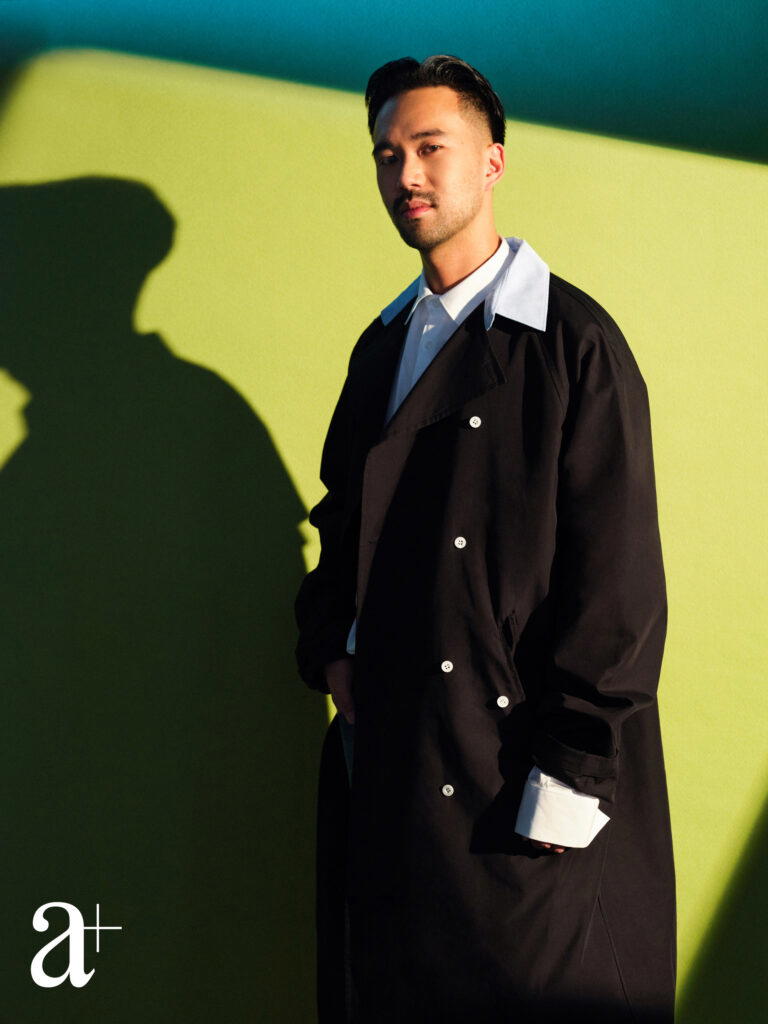
A common thread that ties every era of Goh is his desire to remain hidden. He shuns the limelight. His social media feeds only feature snapshots from his travels and raving reviews of the food and drinks served at his three businesses. This interview only happened because his public relations manager encouraged him to be more open. For a long time, Goh just wanted to let his work do the talking.
The fear is understandable. The mob is a fickle beast. It likes to deliberate without nuance and context and passes down sentences while disregarding the human at the centre. Goh didn’t want his privilege—his parents are notable members of society—to dominate the discourse. I’ve heard this lament from several other old-money entrepreneurs. When is their work acknowledged on its merit, without the spectre of the family’s heritage? Consequently, Goh retreats to his sanctum.
Creating Pleasurable Experiences
Before PleasureCraft Group, he worked in several hotels around the world—Hong Kong, New York, and Singapore. From a young age, he had always loved these meccas of hospitality.
On family holidays, while most children made a beeline for their rooms to jump on the beds, Goh wandered around the lobby to soak it all in. While the grandeur of the Grand Hyatt Jakarta lobby made a big impression, he particularly loved hotels in Tokyo. In a sense, hospitality was a serendipitous path. “As I was waiting to enter the military, I thought long and hard about what I wanted to do next. I honestly didn’t know what I wanted to do. Everyone around me seemed to know what they were doing, and I always wondered how they knew,” Goh says.
Then, one day, he walked into The Peninsula Hong Kong. His next step crystallised almost instantly. A few days later, Goh applied for and successfully enrolled in the prestigious Les Roches International School of Hotel Management in Crans-Montana, Switzerland.
There, he was put through the wringer. Swiss hospitality schools are notoriously arduous, but for good reason. Some of the best hospitality executives in the world owe their ascent to their Les Roches education. Thanks to the school, he also discovered his next step—serendipity once again.
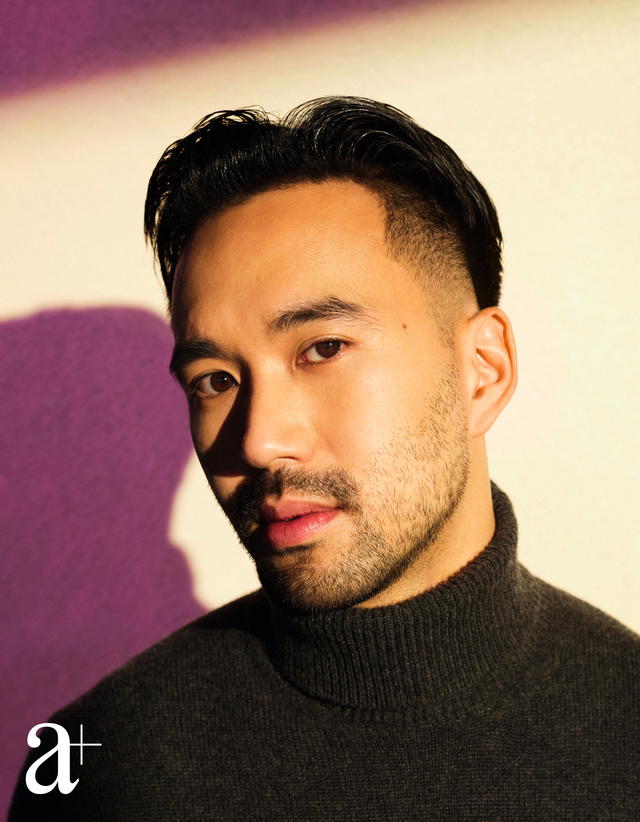
Goh believes in the quality of ease, which can be found in all his restaurants and bars.Photo: Stefan Khoo 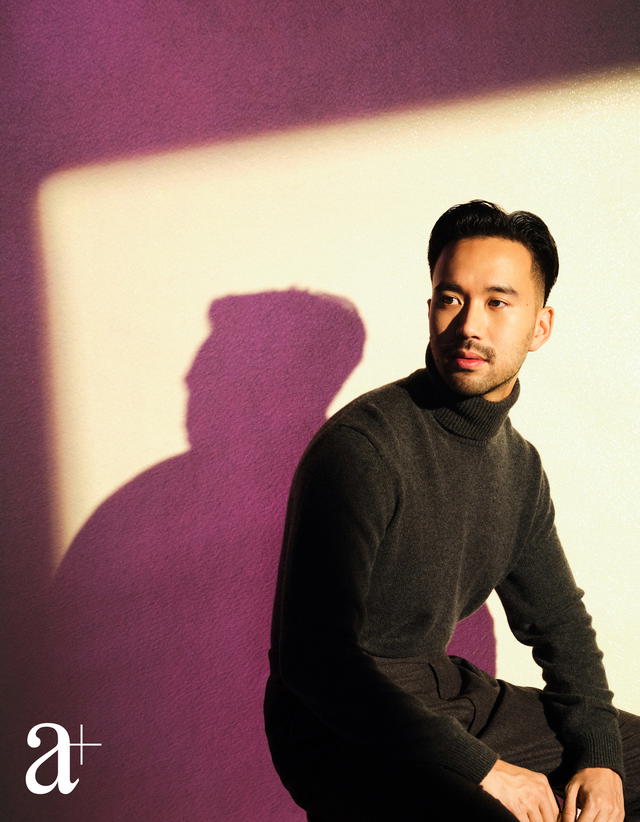
Goh is wearing a cashmere turtleneck sweater and wool trousers, both from Ralph Lauren Collection.Photo: Stefan Khoo
All Les Roches students must complete two internships. Goh’s first internship was with The Upper House in Hong Kong. He says it was the best introduction to hotels he could have possibly asked for. The second was The Mark Hotel in New York. “I thought going to Hong Kong again would be playing it safe. I wanted to visit somewhere I’d never been before,” says Goh. He cold-emailed 20 hotels in the Big Apple. Only one person replied and kindly informed him that he no longer worked there. Then his former general manager at The Upper House came to his rescue and connected him directly with his contact who agreed to take him on.
It was a trial by fire. This Asian boy with bright lights in his eyes and a vision of New York shaped by fictional American shows travelled alone to the city. His first real encounter with the concrete jungle was riding a cab driven by a dodgy Russian driver for 90 long minutes to his walk-up apartment in the Upper East Side. Goh was tense throughout the ride, uncertain if he was literally being taken to slaughter or not. He only relaxed when the cab pulled up in a suburban neighbourhood.
Goh admits the New York plunge was naïve in hindsight, but he had the time of his life. His love for the city led him to work for another hotel after graduation, The Hoxton. While the two hotels he’d interned at already had processes in place, The Hoxton introduced him to the pain—and jubilation—of starting from scratch.
“We were six people around the same age moving boxes, loading rooms, and creating systems. We had to solve many problems and figure out the best way to do things,” says Goh.
People At The Centre
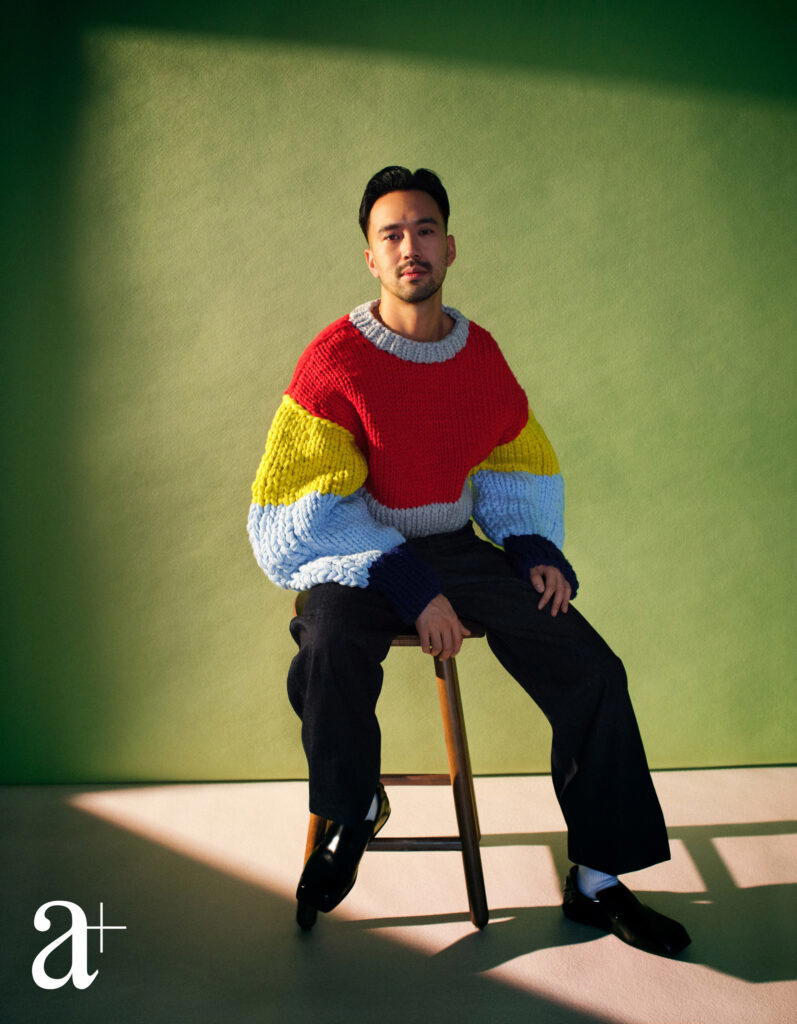
Most importantly, he learned the value of ease at The Hoxton. It is unquantifiable and unmeasurable, yet you can feel it—that easy vibe—float around a space before carelessly draping across a sofa. The Italians call it “sprezzatura”, a careless yet thoughtful nonchalance. Ease.
You can find this quality by the truckloads in Goh’s spaces. Before Marcy’s, a sleazy pub called JJ Atlante occupied the unit. It featured working women pawing at unsuspecting men and a rock band that had seen better days. Goh did not gut the space when he took over. He kept the orange walls, streaked with brown from age and cigarette smoke, and painted all the other walls in different shades to give the illusion of three separate antechambers.
He also kept the original wooden panelling on the front door. “A lot of restaurants have glass frontage to pique the interest of passers-by and entice them to come in. I wanted a bit of mystery. I wanted people to hear the sounds from within, and then peek through the curtains.”
There’s an almost cinematic quality to Goh’s restaurants. Walking into Marcy’s feels a lot like walking onto a Wong Kar Wai set with lush red curtains, walls smothered with art, and baroque tables and chairs. The aesthetics of Parliament and Hevel are similar.
But it’s not enough to build beautiful places. You must fill them with people, too. Goh’s hotelier background drove home the importance of culture, transparency, and accountability.
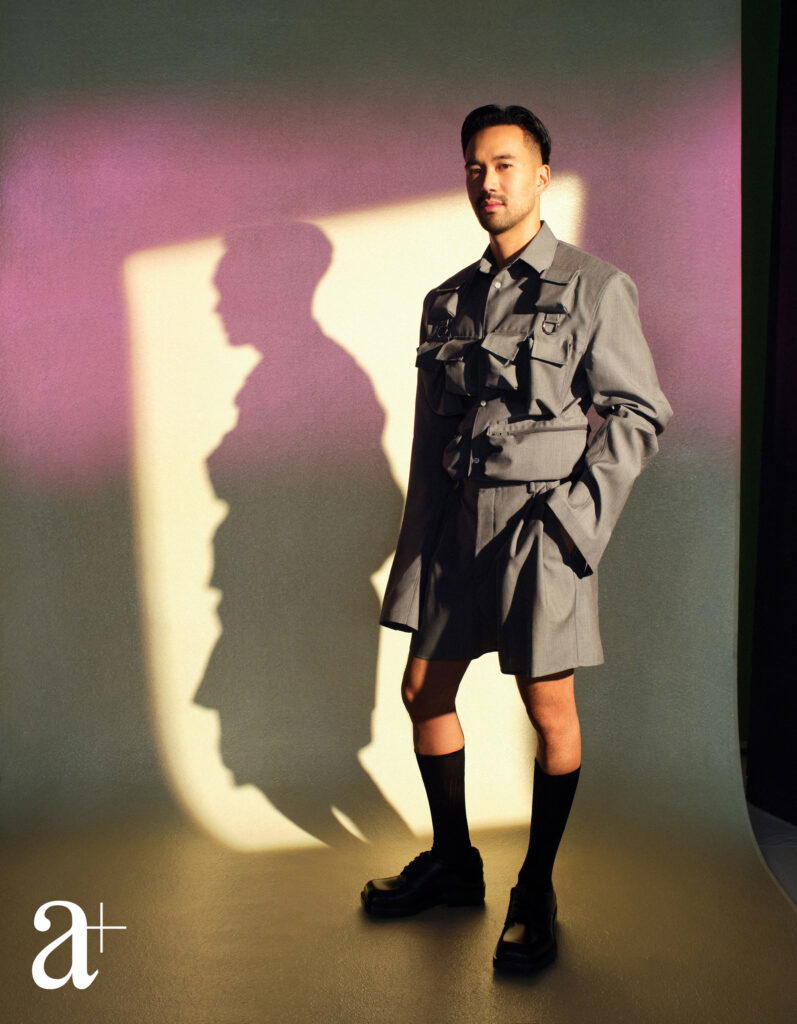
He learned how to involve staff and make them feel committed. He also emphasised the point that luxury doesn’t have to be a series of doors opened by butlers in white gloves. It can be a friendly smile and the ability to make you feel welcomed and at home. “Staying in hotels all the time can make you feel detached, like you’re in a little bubble. You must find ways to build connections, says Goh.”
It’s a testament to the camaraderie that Goh has built, which also serves as the foundation that keeps his joints chugging along. Singapore’s F&B industry is relentless. It’ll wear anyone down to their nubs. The customers are demanding, the hours are long, and profit margins are just one minor inconvenience away from being wiped out.
But it is in this cauldron that Goh has also experienced incredible moments. “I want our people to grow and develop within the company. If they outgrow us faster than we can expand, that’s great. I’m happy that they’ve found somewhere to continue their journey.” To Goh, it means he’s done a fantastic job. To this day, several of his former employees return to the restaurant on their days off to grab a drink or to catch up with friends they’ve made in the kitchen.
Marcy’s and Parliament are now stable, so he’s focusing on his latest. Opened at the tail end of 2023, Hevel is Goh’s attempt to plug a specific gap in the market. “I realised that fine dining ticket prices have massively increased from $150 to over $300 in some places now. There is space at the $120 to $150 price point that we can fill.”
Just like Marcy’s, which recently became a partnership with chef Ryan Nile Choo, Hevel is a labour of love created with Stefan Liau, the former head chef at Mandala Club. Goh’s business relationships mirror his restaurants. There is always that sense of ease and comfort when two similar minds meet.
Once Hevel is able to stand on its own two feet, Goh wants to open another place. The plan is “once a year”. However, that number is naturally a moving target. An ingredient he’s fascinated with is meat offcuts, or less obvious cuts. This includes necks, cheeks, and tails. Although he isn’t sure if they are economically viable, he has been fascinated with them for a long time. “They are dear to me, but let’s see,” says Goh.
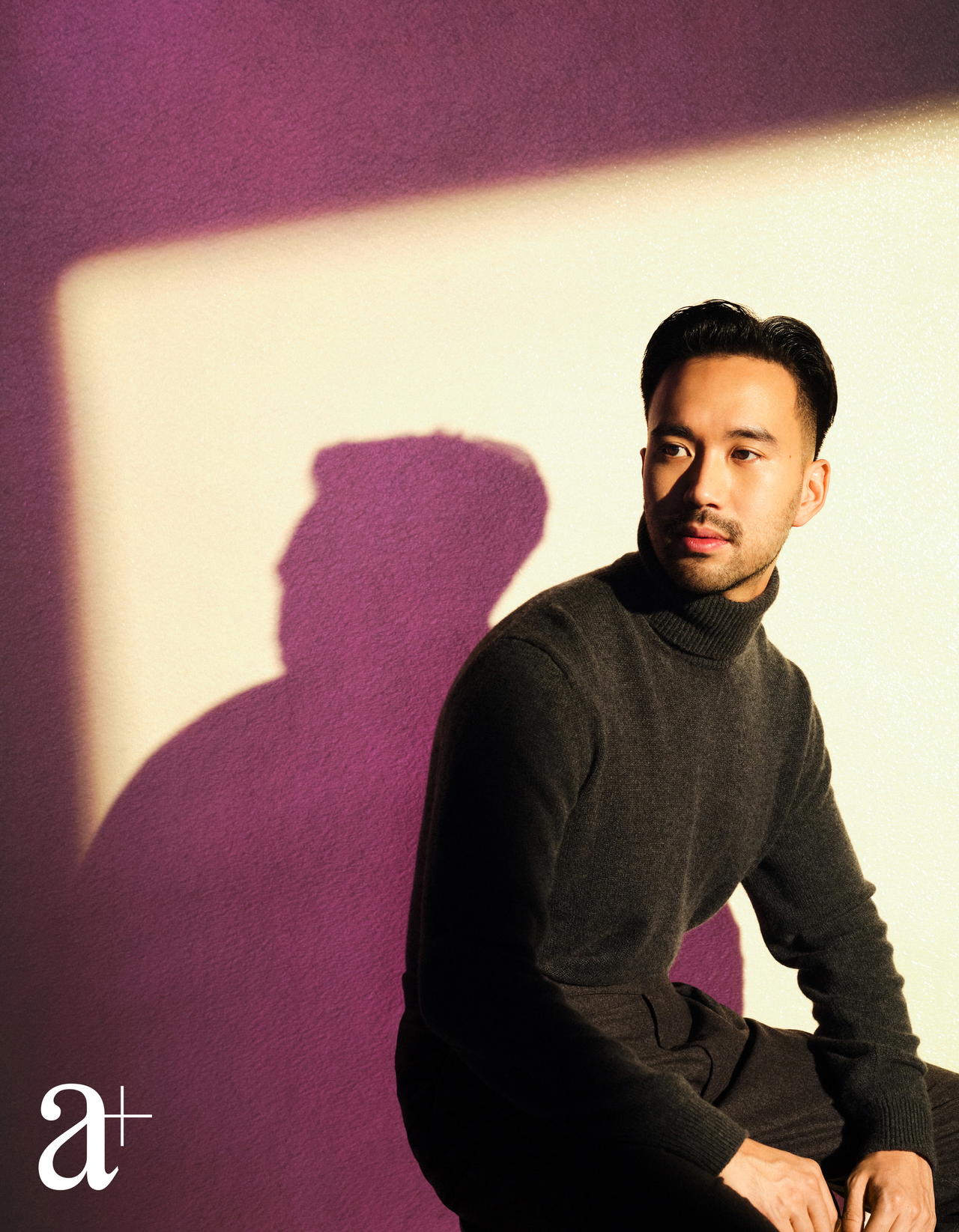
The bright lights will soon search again for Goh if and when his fourth outlet opens. For now, after this interview, he’s returning to the shadows.
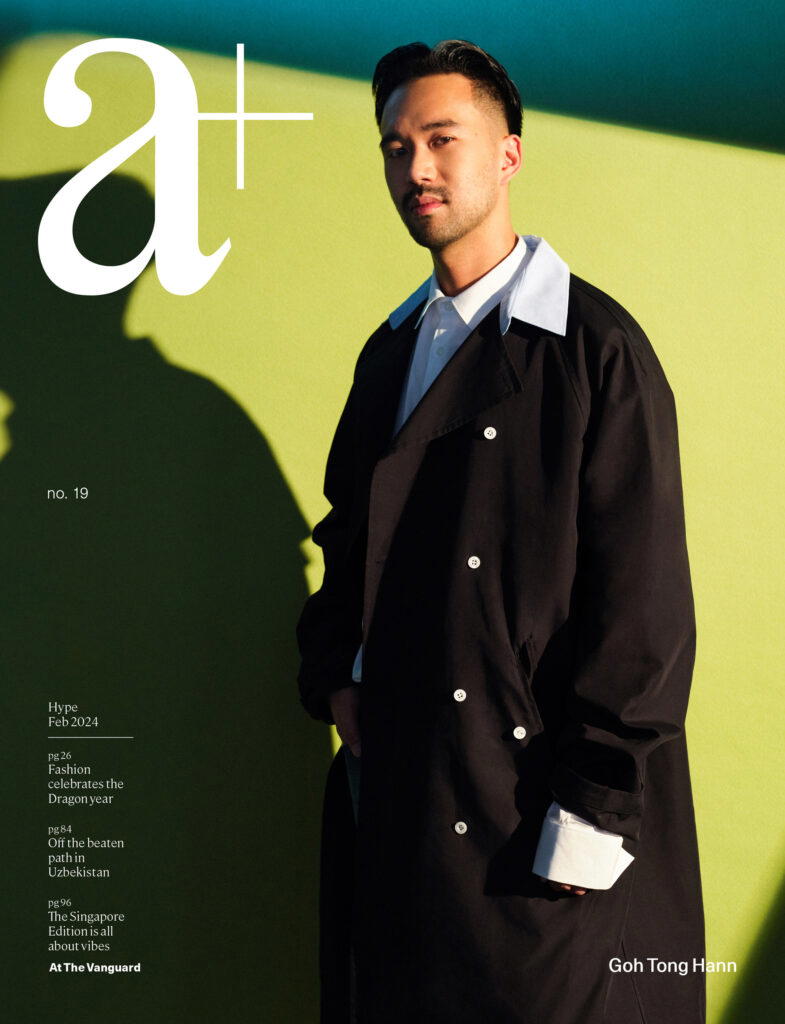
Photography Stefan Khoo
Styling Chia Wei Choong
Hair Christvian Wu, using Revlon Professional
Makeup Keith Bryant Lee, using Tom Ford Beauty
Photography Assistant Alif
Styling Assistant Julia Mae Wong