Roxy van de Burggravehoeve, Ann (Abby) vom Baronenschloss, Athena du Grand St. Bernard, Cali les Piédanlo, Djanga au Moulin de Tallans, Edène du Grand St. Bernard, Haika du Grand St. Bernard, Hoxane du Grand St. Bernard, Tosca du Grand St. Bernard, and Zeus. These are not just random names, but monikers given to the four-legged residents of Marigny in the Valais canton of Switzerland whose families are noble and altruistic.
The non-profit Fondation Barry currently keeps 32 of these Swiss alpine icons in its kennels. A recognised charity, it took over the breeding kennels—the oldest in the world for the famous Saint Bernard alpine dogs—and the original breeding stock from the canons of the Great St. Bernard Hospice in 2005.

The 11th-century hospice sits 2,469m above sea level and a few hundred metres from the Italian border. It was named after Archdeacon Bernard of Menthon of Aosta. Both the hospice and the pass in which it lies were originally dedicated to St Nicholas.
A pair of paintings by Italian artist Salvator Rosa from 1690 was the first evidence that dogs were used at the monastery. From the mid-17th century, the canons kept the large mountain dogs to guard them and their guests during a time when brigandage (highway robbery and plunder) was rampant.
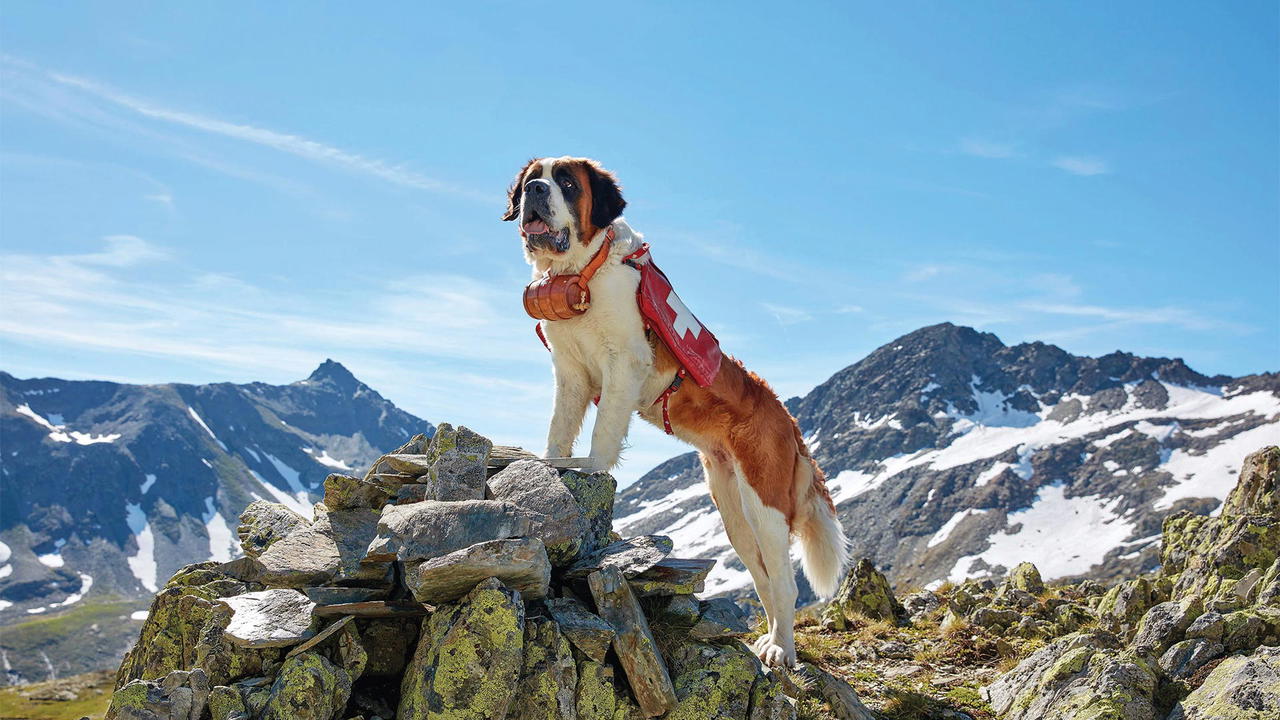
The dogs are often depicted carrying a small flask of brandy around their necks to revive travellers. As late as 2004, 18 Saint Bernards were still being kept at the hospice for sentimental and traditional reasons, though the last recorded rescue was in 1955.
“In keeping with the tradition of Saint Bernard breeding at the hospice, we mainly breed short-haired dogs although we have some long-haired residents,” says Jean-Maurice Tornay, former prefect of Entremont and the current Fondation Barry president.
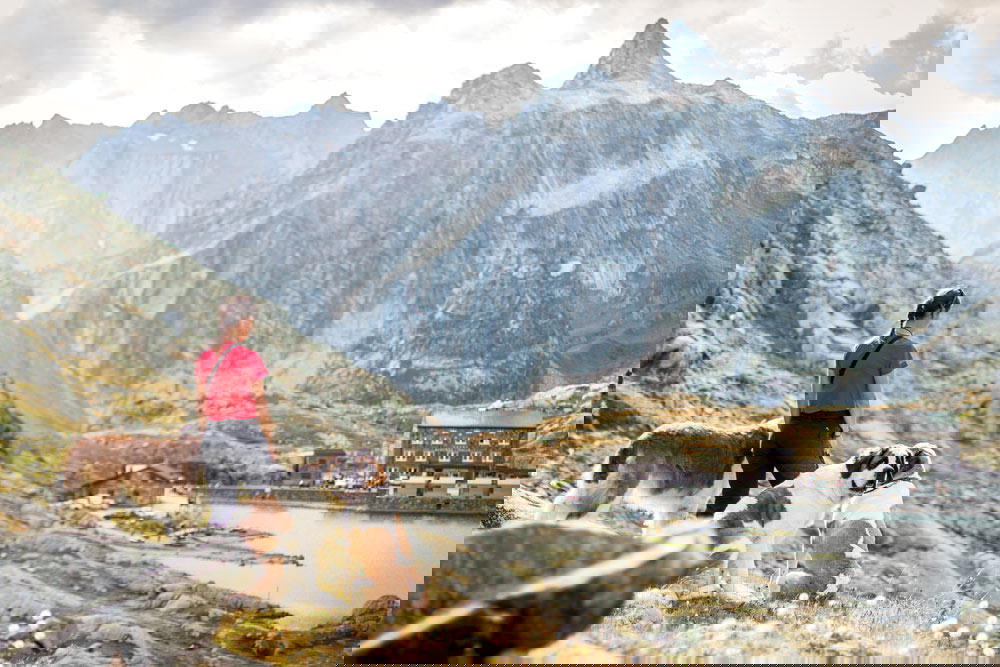
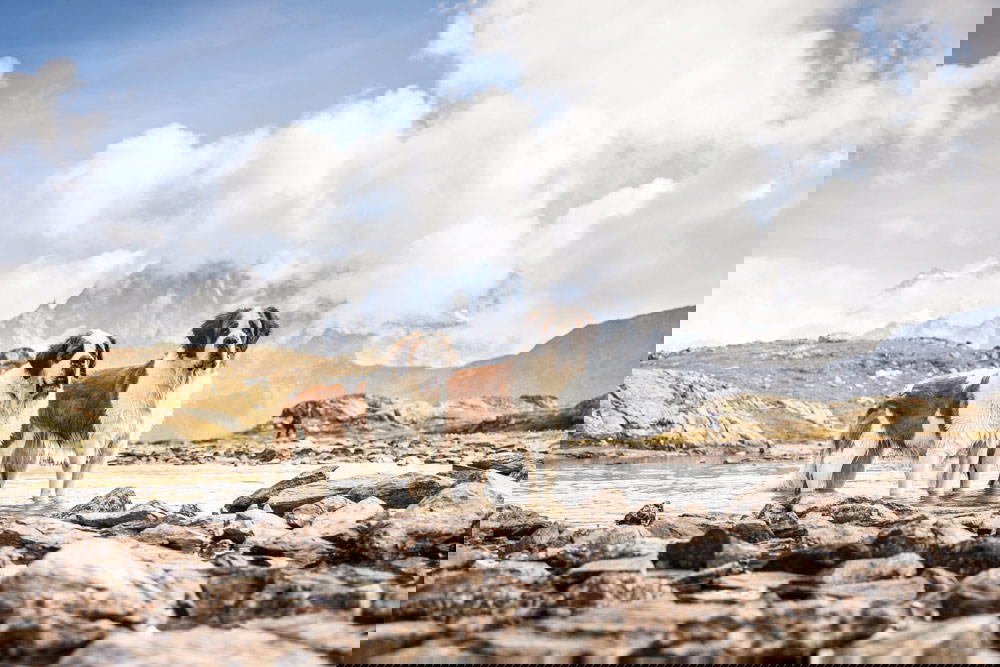
“Every year, an average of 20 pedigree puppies are born in our breeding kennel. Our aim is to breed Saint Bernards in the spirit of the original breed. We place special emphasis on robust health, longevity, sociability, and the placid, harmonious personality of this type of dog,” Tornay continues.
Large farm dogs found widely across the region were direct ancestors of the emblematic mid-European breed. In a few generations, these were bred according to a specific set of ideal criteria, resulting in the breed we know today.
In 1867, Heinrich Schumacher of Holligen near Bern presented documents proving his dogs’ ancestry. In 1884, Switzerland established its dog registry. The first entry was a Saint Bernard named Léon. That same year, the Swiss Saint Bernard Club was founded in Basel.
Since June 1887, the breed has been considered Switzerland’s national dog. For a long time, Saint Bernards were popularly referred to as Barry dogs after the breed’s most famous icon named Barry who lived at the hospice from 1800 to 1812 and saved the lives of more than 40 people.
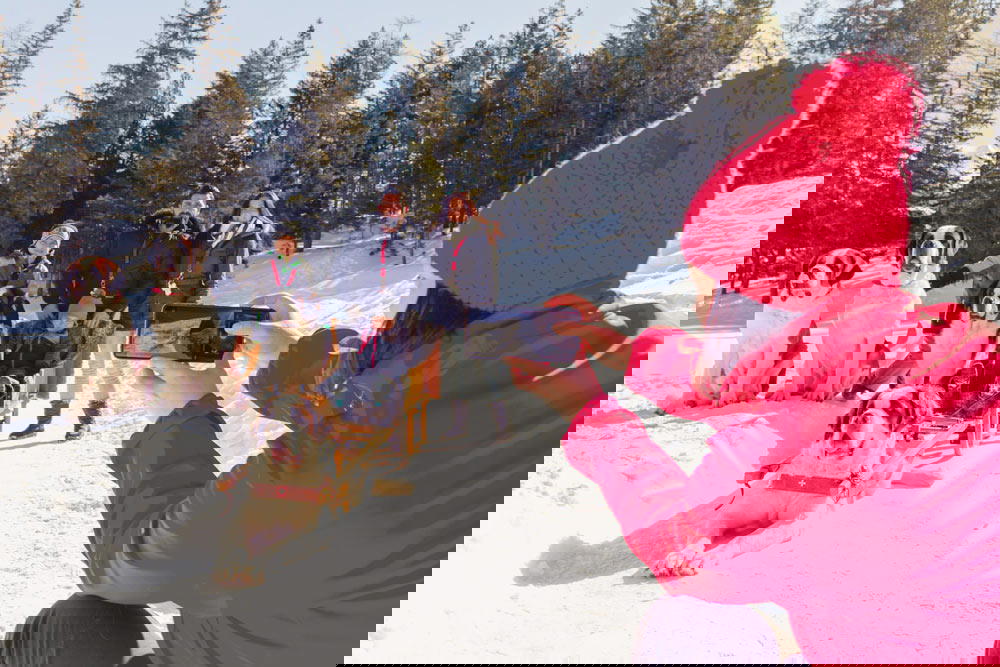
In 1812, Barry passed away in Bern, and his stuffed body is on display at the Natural History Museum there. His phial, in which he carried a reviving liquor, is still on his neck. Traditionally, the most beautiful puppy in a litter is named Barry in his memory every year.
At the foundation, a team comprising vets, a special education teacher, the head of dogs and kennels, and 10 keepers look after their well-being, optimum development, socialisation and training.
A Saint Bernard puppy costs 2,600 Swiss Francs (S$3,700). The latest in the line are Lindt, Karma, Louve and Lincoln who are looked after by Manuel Gaillard, head of the Saint Bernard kennel breeding centre in Martigny, and his team. He has been at the Fondation since 2005.
The dogs are fed Kibbles. Every summer, they return to their original home. In July and August, twice a day, visitors can accompany them on a 90-minute hike into the mountains at an altitude of 2,400m. The number of participants is limited to 10 people divided into a maximum of three groups, with one dog per group. You have to be at least 8 years old to participate. Adults pay 49 Swiss Francs and children are charged 20.
Beyond breeding, the foundation also focuses on high-quality animal-assisted interventions in the social sphere—therapy, education, coaching and other activities.
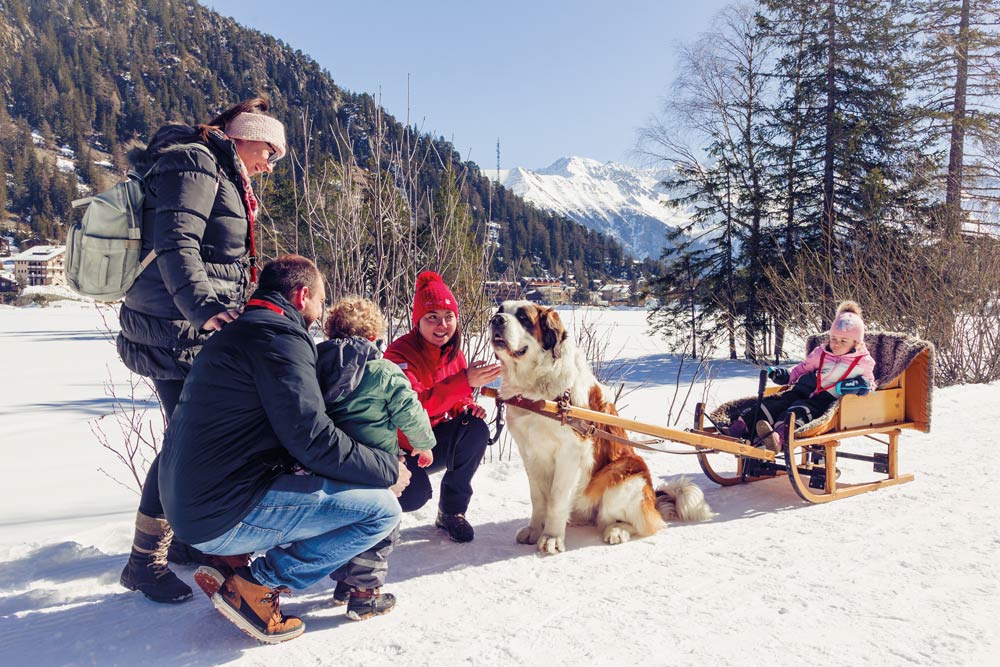
“Our dogs love being around people and, together with their handlers, form what is termed a therapy dog team,” says Tornay. “Our animal-assisted activities include visiting residential and care homes to bring smiles and add variety to the lives of the residents. Additionally, we provide support programmes involving, for instance, people living with dementia, and conduct outreach in Swiss prisons, helping inmates re-socialise and accept responsibility.”
The dogs are also popular with children. The foundation has formed partnerships with schools and other institutions to design camps that last several days, and even longer-term programmes, to support the social development and learning needs of the young.
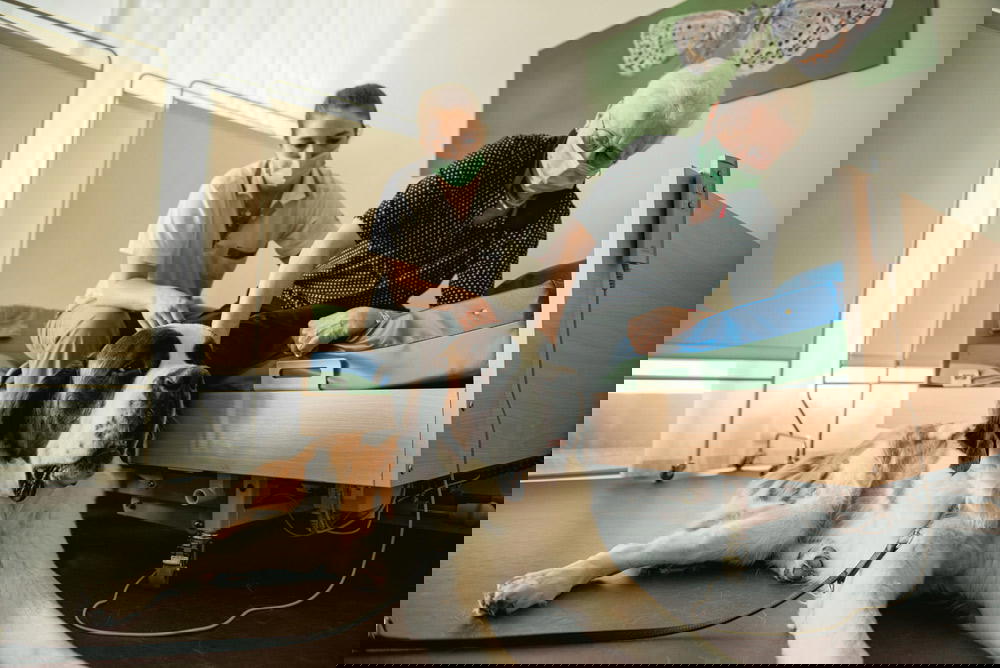
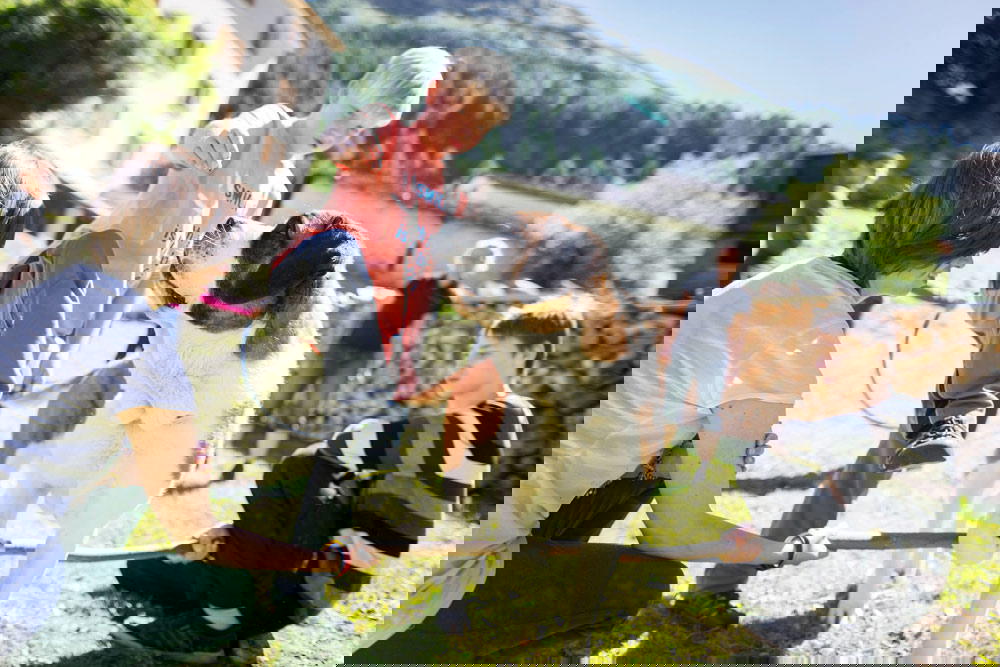
It is also not uncommon for dogs to be deployed in hospitals and for rehabilitation, where they assist people with special needs or those facing challenging life situations to uncover their potential as co-coaches. “Our goal is to be available for interventions 365 days a year,” says Tornay.
Beyond therapy, the Saint Bernards are also famously sociable. In spring, summer and winter, you can walk in the company of the famous canines in the villages of Martigny and around Champex-Lac.
Martigny’s Saint Bernard museum explores the breed’s cultural influence and its role from companion to avalanche and therapy dog. Bernard and Caroline de Watteville founded the Musée et Chiens du Saint Bernard or Barryland in 2006, which is open daily from 10am to 6pm, except for the Christmas holidays. Children can interact with the dogs as well.
The town of Martigny also has a 2nd-century Roman amphitheatre, the Tissières Foundation Geosciences Museum, and the Les Marécottes zoo, the highest zoological garden in Europe. But it’s clear that the dogs—friends, playmates, rescuers, therapists and social workers—are the stars.