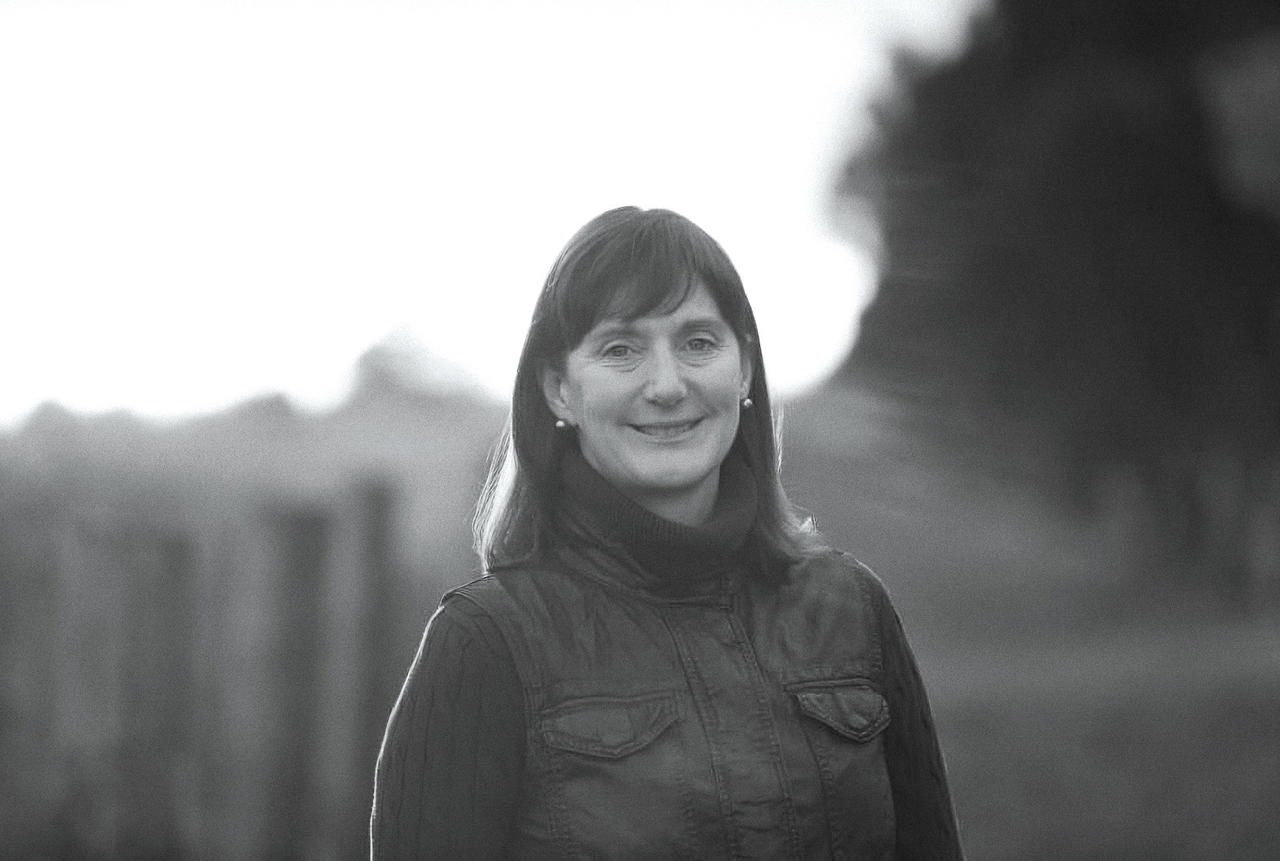
Sue Hodder has done this for ages—over three decades. “I’d like to retire, of course,” she says, laughing. The senior winemaker at Wynns Coonawarra Estate never intended to stay for such a long time.
After graduation, Hodder travelled the world and worked at several wine companies and regions. Then, she returned to Australia, got married, went through a divorce, and reconnected with Peter Douglas, an old friend from school and a winemaker at Wynns.
In 1993, Douglas asked Hodder to join him at the estate. She agreed, only intending to stay for a bit.
Thirty years later, Hodder is a revered name in the Australian winemaking industry. She and Sarah Pidgeon, who joined Wynns in 1998 when Hodder took over Douglas and became the winery’s first female chief winemaker, have built a formidable partnership.
Hodder helmed the winery during a time of significant tumult. Climate change and the rise of the non-alcoholic movement are two issues she’s grappled with. In fact, she’s intimiately familiar with the former.
“The turn of the century was profound for Wynns. We were working with viticulturist Allen Jenkins to rejuvenate our vineyards and we had already discussed climate change and the effect on our soils,” says Hodder.
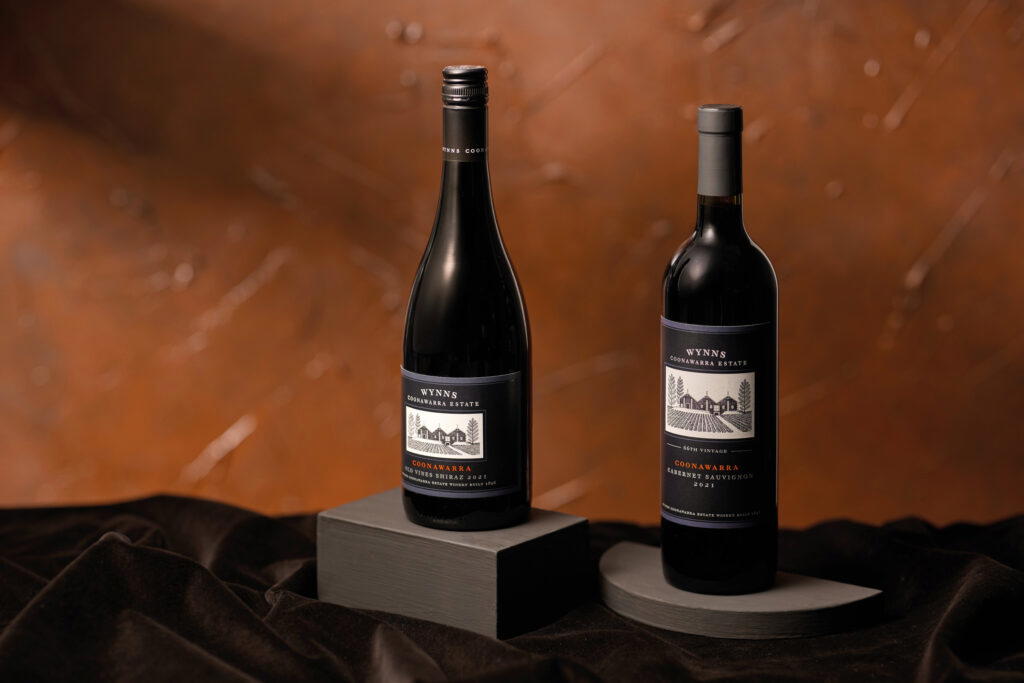
Now, sustainability underpins everything Hodder does. Beyond better soil moisture management and vine health, the winemaker has also instituted a “strategy of absolute improvement every year”. The estate has set standards that it must meet annually. These include emissions, fuel consumption, and water usage. The winery also has a composter that converts waste into compost. Then, Hodder works with a local vendor who incorporates other plant materials to ensure the compost is suitable enough for the vineyard’s soils.
Wynns also uses a lot of technology. “We use satellite imagery to study the entire 500-ha vineyard and see which portions are thirstier than others. Then, we give them more water. We are more precise with our resources now for quality and sustainability,” says Hodder.
Even used barrels are given new leases of life as fertiliser or cattle feed by turning them into biochar, a carbon-enriched biomaterial.
It’s not just the environment. The community’s sustainability is just as important to Hodder. A small estate with just over a hundred people, Coonawarra is famous for its terra rossa or red soil that’s responsible for the excellent wines. “There must always be jobs for everyone.”
Hodder is also keenly aware of the non-alcoholic movement. She’s drunk a few “pretty good” zero-alcohol wines and even keeps a bottle of non-alcoholic gin in her home. “Funnily enough, this gin is more expensive than the other gins I have with alcohol,” she says. While Wynns has no plans soon to create a zero-alcohol wine, Hodder is keeping a close eye on the trend. “I am interested in the category,” she proclaims.
In the meantime, she’s focused on spreading the good word of Wynns, and shepherding the label to the next generation of winemakers.
She sees a bright future for the Australian wine industry. As tastes develop, more are drinking less, but better. These vino enthusiasts communicate directly with Hodder and the other winemakers through social media and drive long distances to visit the winery. “I think a heritage Australian label that’s moving forward sustainably is an interesting story,” she says.
And, as much as she wants to keep doing this forever, Hodder understands that succession planning is essential. She sings the praises of a young, talented winemaker named Chris Plummer, and mentions another young woman who recently joined the company with deep and robust expertise in winemaking, engineering, and business.
Even so, Hodder loves every hectare of the vineyard. “I’d like to work for another decade.”