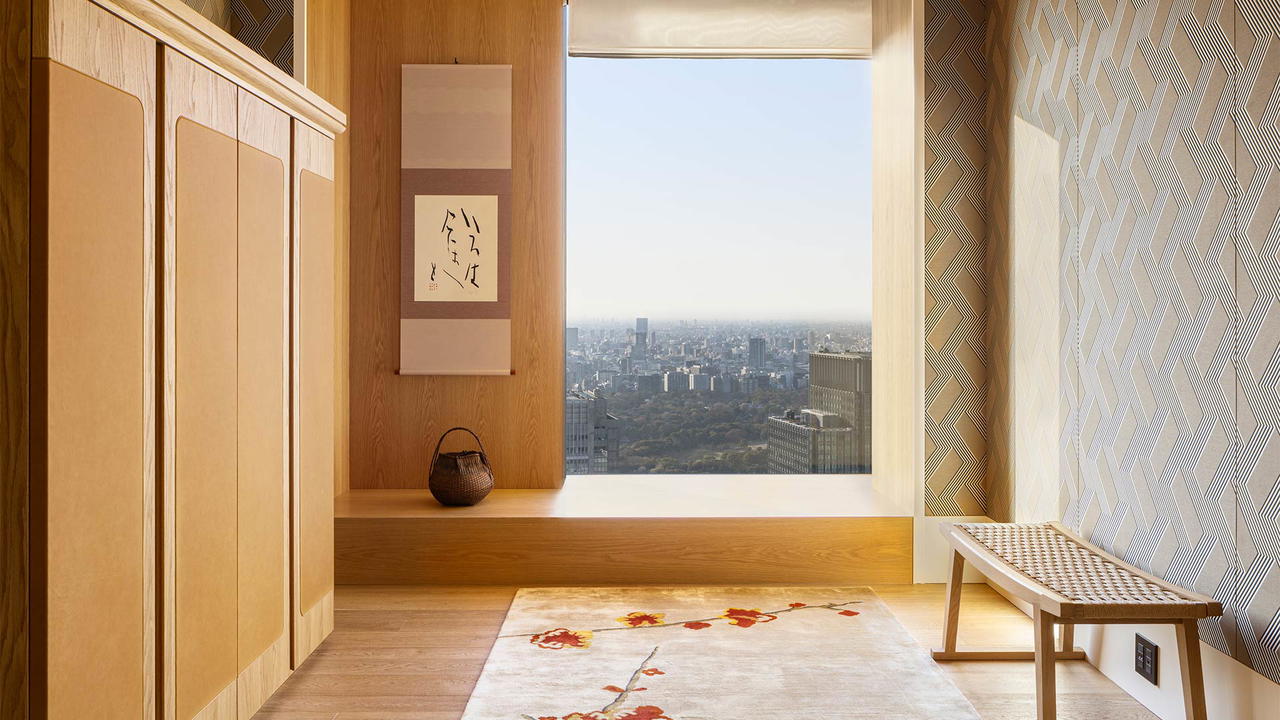
The first thing you’ll notice are the gorgeous views. Tokyo’s business landscape stretches out before you—tall spires of glass and rectangular concrete blocks sitting beneath your vantage point, as though paying homage to you. On the opposite side, trains pull in and out of Tokyo JR Station, their sizes akin to miniature toys in a child’s playset. Just beyond that, the Imperial Palace’s grounds are a beautiful shade of emerald green in a monochromatic world.
The views are even better at night, as the resplendent lights of the buildings around you beam like glittering emeralds, rubies, sapphires, diamonds, and more in a jewel box.
The Bulgari Hotel Tokyo is the literal crown jewel of the Tokyo Midtown Yaesu tower, occupying the 40th to 45th storey, the highest five floors of the building. According to Bulgari Group’s executive vice-president Silvio Ursini, it was a conscious decision. “We picked this spot because we studied the view from the corridors and fell in love with it,” he says.
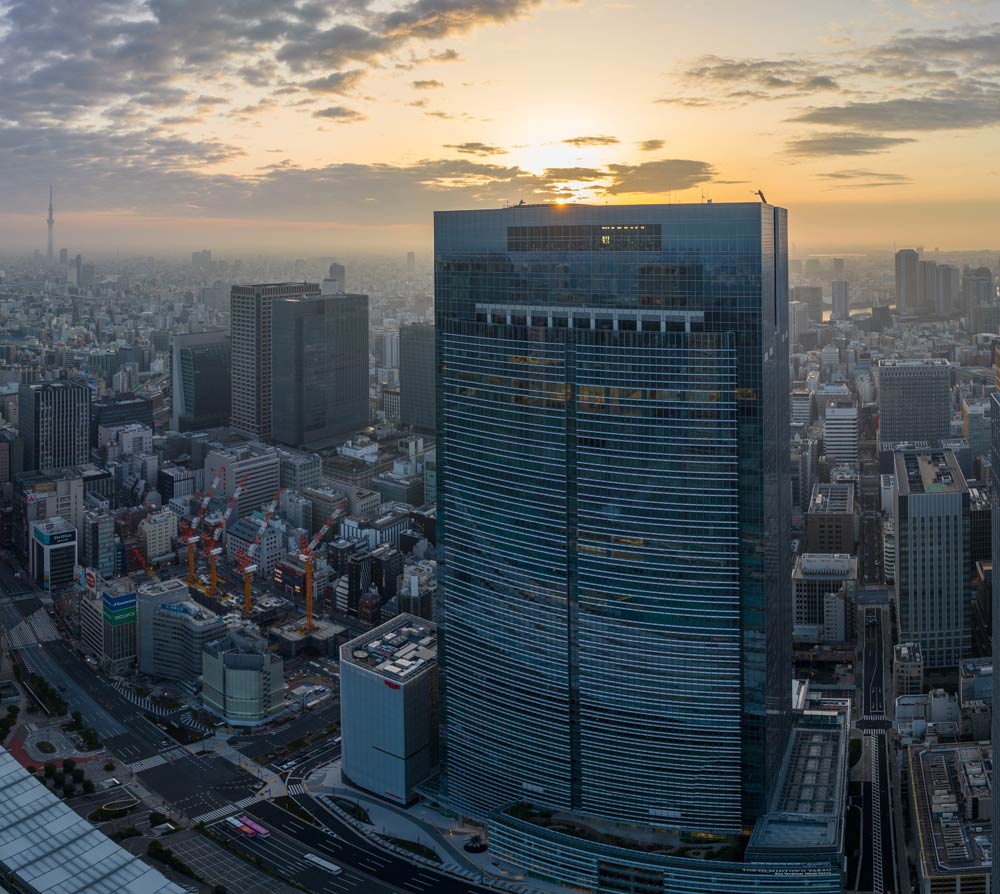
Ursini first came to the area eight years ago. There was nothing special, just small office buildings that were nothing to write home about. Ursini, however, saw the potential. The hotel opened seven years after Bulgari signed the lease, an eternity in the hospitality industry. It’s not even the longest. Dubai took far longer—over a decade, says Ursini.
He’s never rushed the process. For the Italian maison, the hotels aren’t a business. They are a labour of love.
“If we were running it as a business, we would have 50 to 100 hotels already. They are an expression of creativity, innovation, and the art of living. Coincidentally, the eight hotels are all remarkable business successes. I always think that this is because we ironically don’t treat them like one.”
A Warm Welcome Home
Ursini’s raison d’être for all of Bulgari’s hotels has never changed: make each one like a home. It’s the same brief he gives to long-time designers and collaborators Antonio Citterio and Patricia Viel of ACPV Architects. The three first worked together on the Milan property before it opened in 2004. Two decades on, luxury travellers still love the Bulgari Hotel Milan, citing its impeccable furnishings and Italian flair.
Viel replicates the latter with every new Bulgari property while including design elements of the host city.
In Japan, for example, the suite floors and panels are made from elm, crafted and finished by a Japanese wood artisan. Noting how Asians remove footwear before entering the home, Viel wanted to incorporate this culture and encourage holidaymakers to go barefoot. A Japanese ceramic tea set sits on every cupboard.
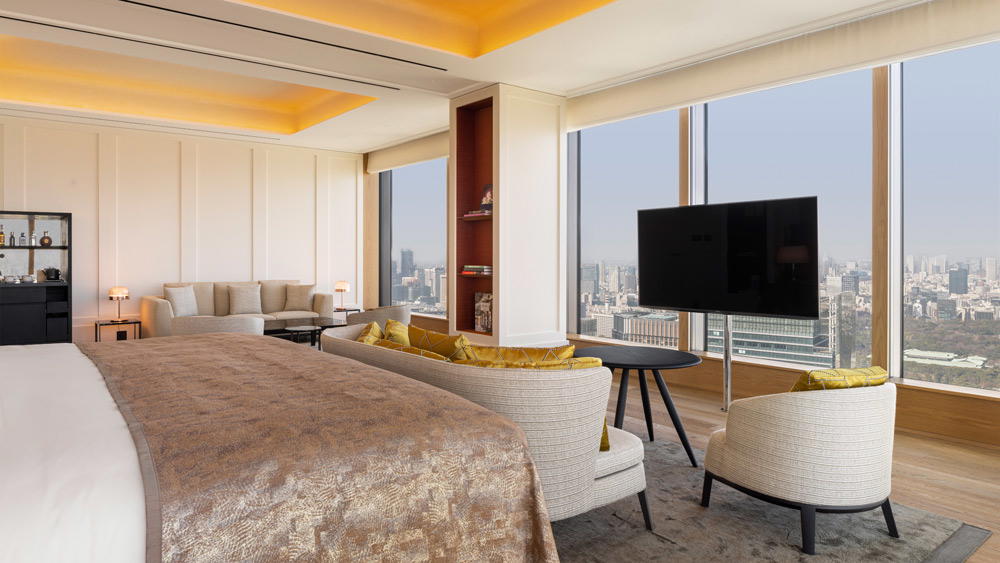
Photo: Bulgari.
Out in the public hallway, when you step out of the elevator, the floor is stone before turning into a lush metre-long carpet. Then it gives way to the same elm wood. Again, Viel creates the sensation of coming home after a long day out. Even the buttons in the elevator are placed at the side of the car because putting them in the typical spot at the front “feels corporate and cold”.
Her respect for Japanese architects and their approach to craftsmanship made her dig deeper into her well to complement their creative rigour and discipline.
“To design something here is to reach perfection in execution, thinking, and coherence. It was difficult to find something to add to this widespread beauty,” she notes.
Another challenge she grappled with was earthquakes. Japan gets an astonishing 1,500 earthquakes a year on average, thanks to its precarious geographical location—the islands straddle four tectonic plates and are home to 10 percent of the world’s active volcanoes. Most are minor and hardly felt, but every once in a while, an earth-ripping one shakes through the major cities, including Tokyo. Being from Italy, Viel admits she never had to deal with such problems before. Here, she had to design a hotel that could withstand earthquakes while still incorporating Bulgari’s sense of beauty.
The chandelier, a gorgeous centrepiece crafted from Murano glass, is one example. It floats ethereally 10m above the restaurant floor. A lot of painstaking work went into it. Through clever design and engineering, hidden cables secure its prismatic entrails so that it could hang tight during an earthquake and not become a falling hazard.
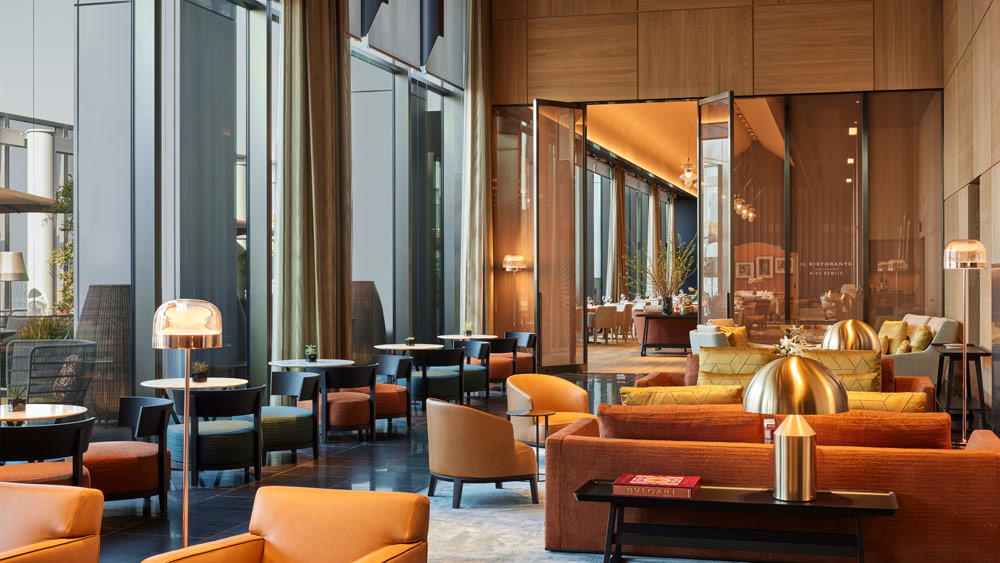
It’s just one of the many concessions Viel had to make throughout the hotel. A guest, however, would never notice them. The Italian architect never wavered on her human-centric design principles, finding beauty in the most challenging architectural circumstances.
Beyond design, the Bulgari Hotel Tokyo welcomes other additions, mainly to incorporate technology. Ursini professes that he isn’t a fan of smart products, but acts on feedback. Smartphones can now be connected to the televisions. Already present in the Japan property, this feature will soon be rolled out to the older ones. He also mentions plans to introduce tech-enabled workout mirrors. A new trend that caught on during the pandemic, these smart fitness mirrors let you follow along to a workout class or have a personal trainer train you in real-time, virtually.
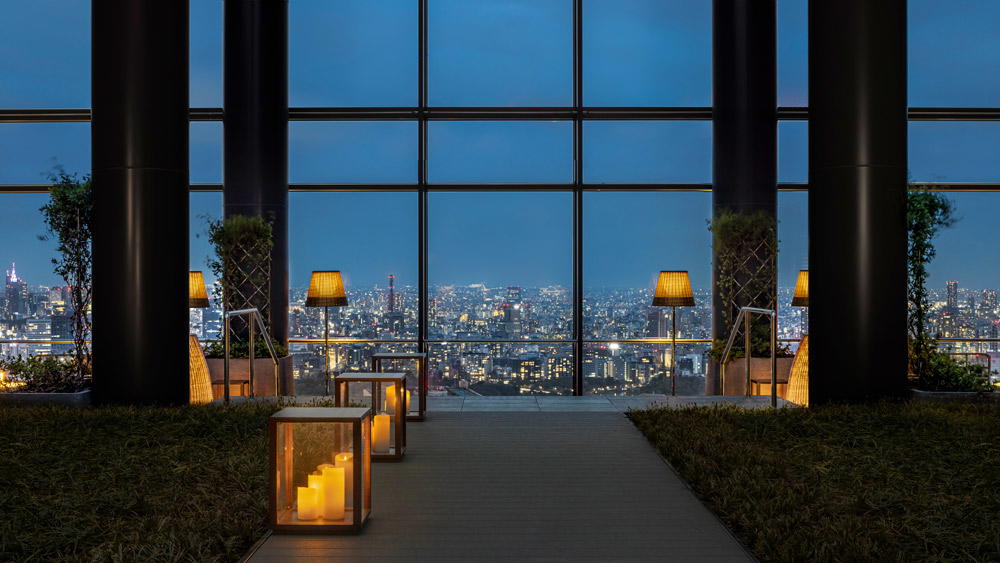
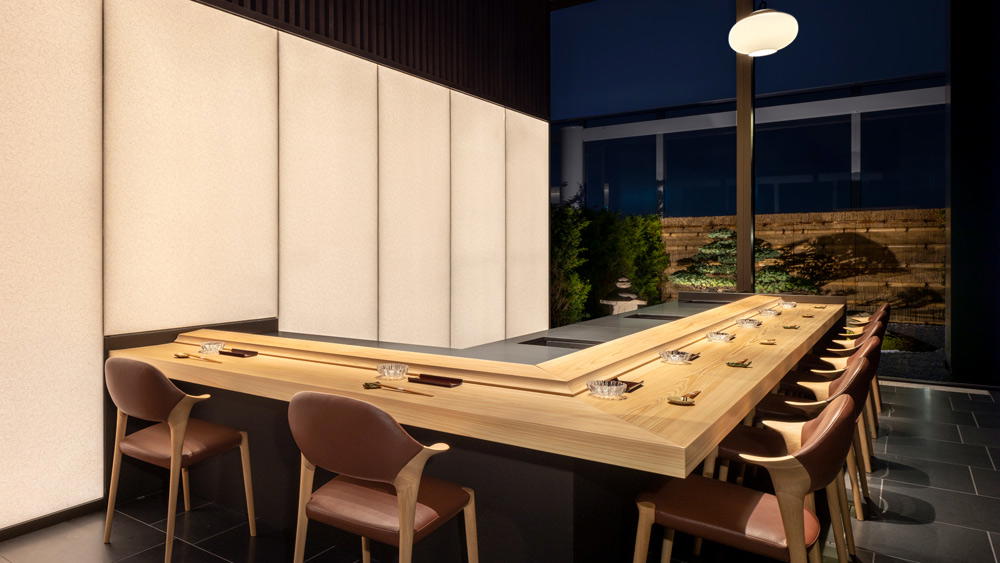
Like the other seven properties in the Bulgari hospitality empire, the main restaurant is helmed by Michelin-starred chef Niko Romito. An eight-seater sushi restaurant Sushi Hoseki only available in Tokyo also welcomes diners. A bar on the top floor gives you even more reason to experience ‘la dolce vita’, Italian for the sweet life.
There is also a gym managed by fitness consultants Workshop, a heated swimming pool, and the Bulgari Spa. Viel has cleverly designed these facilities away from the lobby. You can saunter out of your room in a robe and use a separate elevator away from prying eyes.
With only 98 rooms, the Bulgari Hotel Tokyo is set to be a hot ticket item. There are already plans to open five more hotels in the next three years, beginning with Rome, the spiritual home of the jeweller. That is slated to open this year, but Ursini believes that will be an even harder room to book.
You don’t have to take a 13-hour flight to experience the famed Bulgari hospitality though. Come home to Tokyo instead.