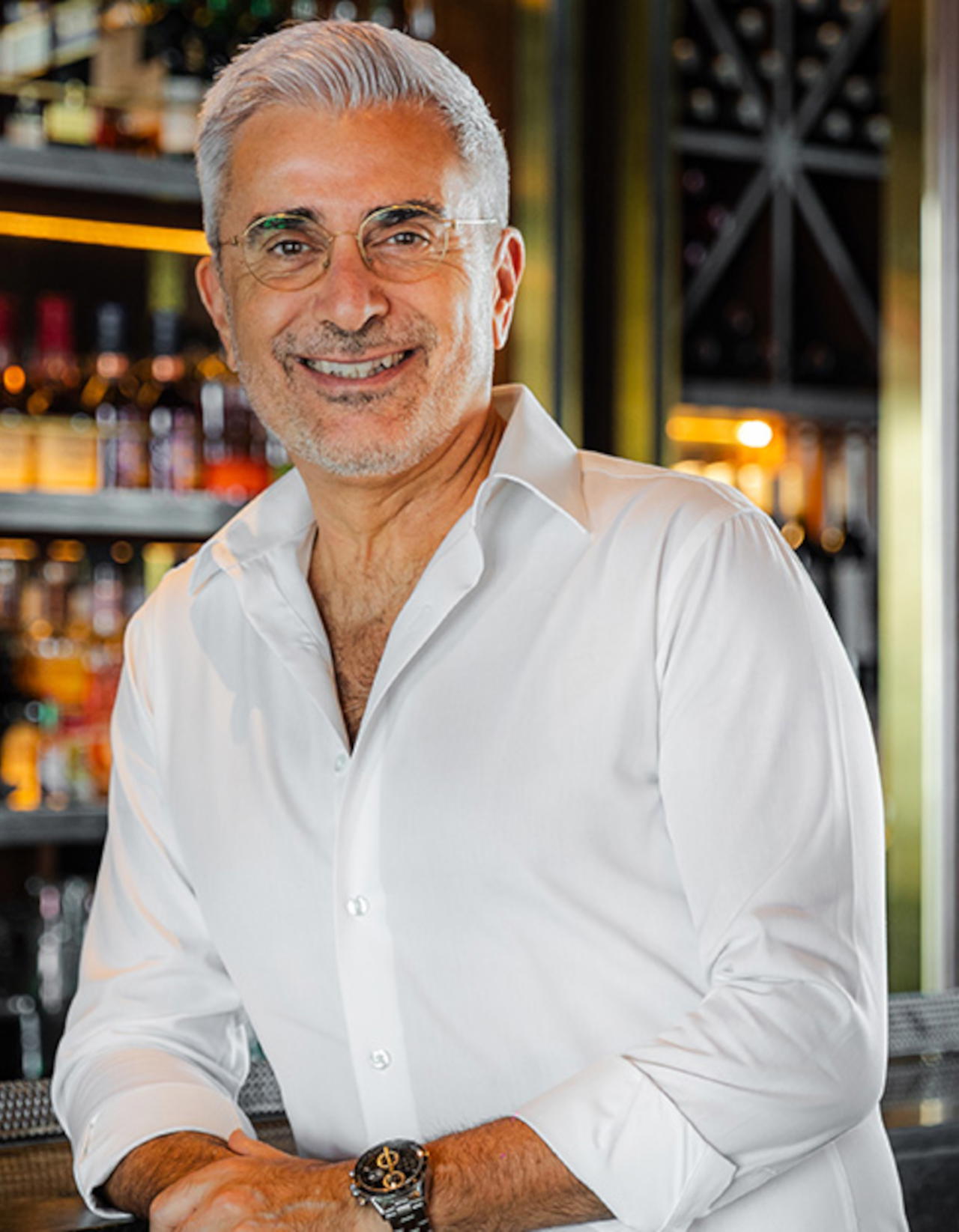
There has been a dramatic inflation of the experience economy, says Harry Apostolides of Cé La Vi. As people increasingly favour alternative experiences like escape rooms and night cycling over routine drinking, traditional nightlife attractions are being outpaced.
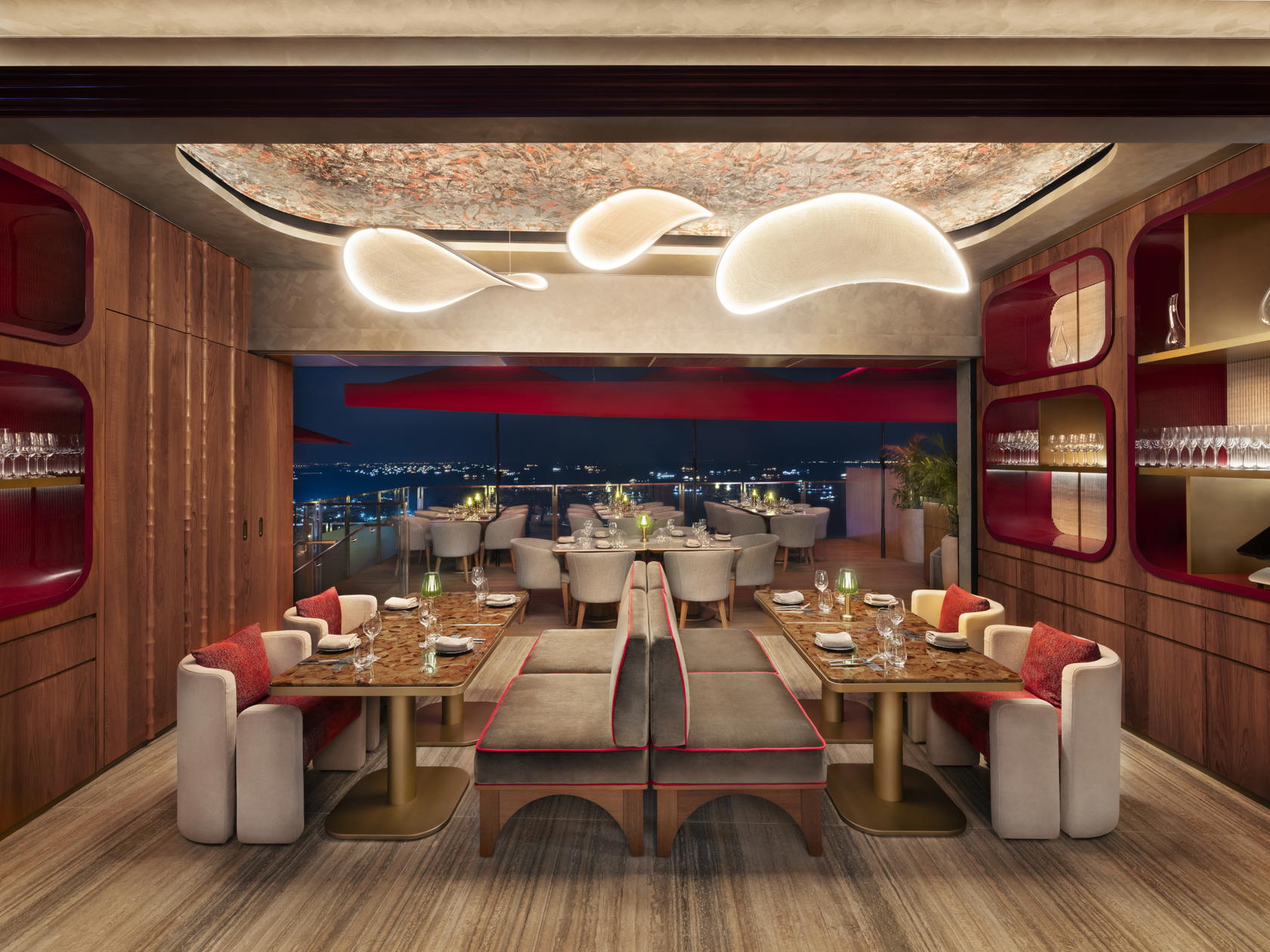
It is why he transformed the way in which he runs the iconic rooftop restaurant group, first by amalgamating Cé La Vi Singapore’s restaurant, sky bar, and club lounge into a cohesive experience. “Rather than relying solely on late-night crowds, our venue attracts a broader clientele, encouraging guests to spend their entire evening with us and shifting the focus from drinking alone to a more holistic social experience,” he explains.
Second, by rethinking traditional operating hours and concepts to unlock new revenue streams. Last year, Cé La Vi Singapore introduced a Day Lounge and its Sky High Brunch has been successful in widening its audience.
Apostolides founded Cé La Vi 15 years ago in Singapore and the brand currently has a presence in three other locations: Dubai, Tokyo, and Taipei. Outlets in London and Miami are slated to open this year.
Originally from Melbourne, he moved to Singapore in 2008. What was meant to be a short-term stay became something more permanent when he found both personal and professional fulfilment here. Prior to founding Cé La Vi, he was Chairman of Crystal Jade Culinary Concepts, and before that, led the brand expansion for Como Group.
One of his biggest challenges in running the business, he lets on, has been ensuring Cé La Vi’s signature experiences—modern Asian cuisine, world-class entertainment, and a rooftop setting—are consistent across its locations. To mitigate the problem, he focuses on operational standards and training so that all teams are guided by the same ethos when it comes to service, creativity, and passion.
To Apostolides, continual innovation is key to staying afloat in a saturated landscape with highly discerning, well-travelled consumers. The pace of change must be relentless and reinvention should not be a strategy, but a necessity.
It helps that our cosmopolitan city never fails to keep us on our toes. “This allows us to thrive in an atmosphere of continual reinvention. I aim to create a place that feels like a destination in itself, where guests come not just for the view, but for the full spectrum of experiences that are unique in Singapore’s landscape.”
He shares five lessons he has learnt from the F&B business.
1. DON’T FOLLOW TRENDS, BUILD A LEGACY
“When Cé La Vi first started, it was tempting to mirror the hottest trends dominating hospitality—concepts that came and went with the seasons. But from the start, I believed in building a venue that would withstand the test of time, one that combined elevated cuisine, world-class views, and a sense of theatricality rooted in Asian hospitality.
That meant making some tough calls, like investing in live entertainment and multi-sensory dining at a time when others were scaling back. When we launched in Tokyo, many questioned whether the market needed another rooftop experience. By staying true to our distinctive identity, we not only filled a gap, but also helped define a new standard. If we had chased what was popular instead of what was authentic, Cé La Vi would never have become the lifestyle brand it is today.”
2. CHAOS REVEALS CLARITY, ESPECIALLY IN A CRISIS
“The Covid-19 pandemic was a defining moment for all of us in hospitality. But instead of letting it paralyse the brand, I used it as a chance to look inwards. I remember walking through the empty dining rooms and thinking, “We’ve been given time, a rare gift in this industry. Let’s use it wisely.”
We stripped everything back and began questioning assumptions. Were our teams structured for agility? Could we achieve more with leaner systems? The answer was a resounding yes. By the time we reopened, we had trimmed costs, refined service flows, and retrained our teams with renewed purpose. The chaos forced us to innovate. In doing so, we built a more resilient, focused, and scalable operation without lowering our standards.”
3. NEVER UNDERESTIMATE THE HUMAN ELEMENT
“One of my proudest moments as a leader came when a junior team member, usually quiet in meetings, hesitantly proposed a concept for a guest experience activation. It was clever, culturally relevant, and unlike anything we had tried before. Rather than reshaping it or assigning it to someone more senior, I asked her to lead the project.
She rose to the occasion, coordinating departments, staying late, and even presenting to our partners. The event was a hit, drawing record engagement and glowing reviews. More importantly, it reminded me that talent is everywhere—it just needs space to shine. As leaders, we can create systems and strategies, but it’s people who bring magic to the guest journey.”
4. STAY TECHNOLOGICALLY CURIOUS OR RISK FALLING BEHIND
“In hospitality, it’s easy to view tech as something that belongs in Silicon Valley, not our dining rooms. But staying curious has been one of the most important drivers of our success. From digital reservations and predictive inventory tools to AI-assisted guest preference systems, we’ve embraced innovation wherever it helps us create a more seamless experience.
I remember initial resistance when we proposed upgrading our POS system across three markets simultaneously. It was expensive and complex, but it enabled us to centralise reporting, improve accountability, and make faster decisions. That leap allowed us to operate more like a global brand, not just a collection of venues. In this business, if you don’t evolve, you fade. The trick is knowing which technologies enhance your craft and having the courage to implement them before your competitors do.”
5. TRUST YOUR GUT—THAT’S how ADVENTURE BEGINS
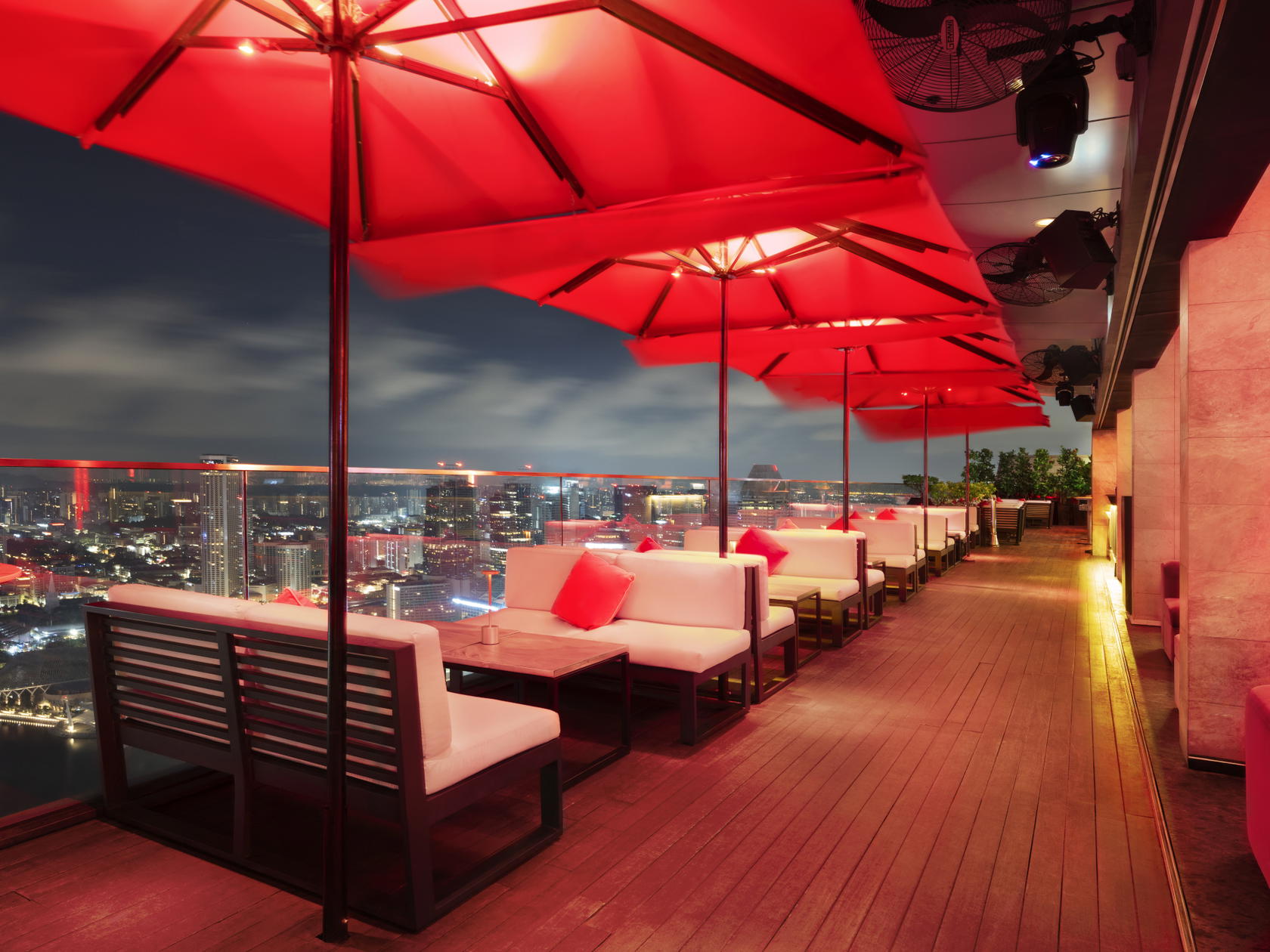
“When we were first considering opening Cé La Vi in Singapore, there was hesitation both internally and from outside advisors. The location was unorthodox: perched atop Marina Bay Sands, a yet-to-be-completed integrated resort in a city that, at the time, was still finding its global hospitality identity.
It was a bold concept to pair fine dining and nightlife in the sky in a market with a reputation for playing it safe. But something in me said this was the future. Singapore was on the cusp of transformation and this could become a defining symbol of that change.
Today, Cé La Vi Singapore is not only an icon of the skyline, but has also set the tone for our brand globally. That experience taught me something I carry to every new venture: spreadsheets can guide you, but gut instinct propels you. Often, the boldest bets yield the richest rewards.”