The Japandi style (Japanese-Scandinavian) might be familiar, but what about Japindian (Japanese-Indian) food?
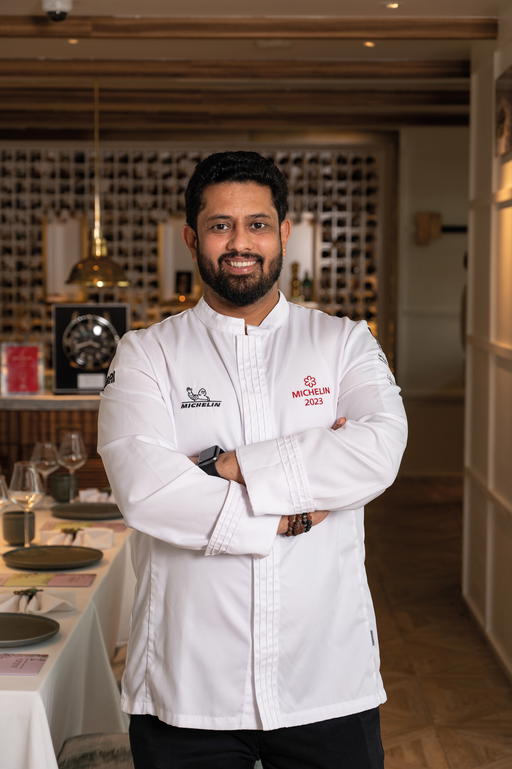
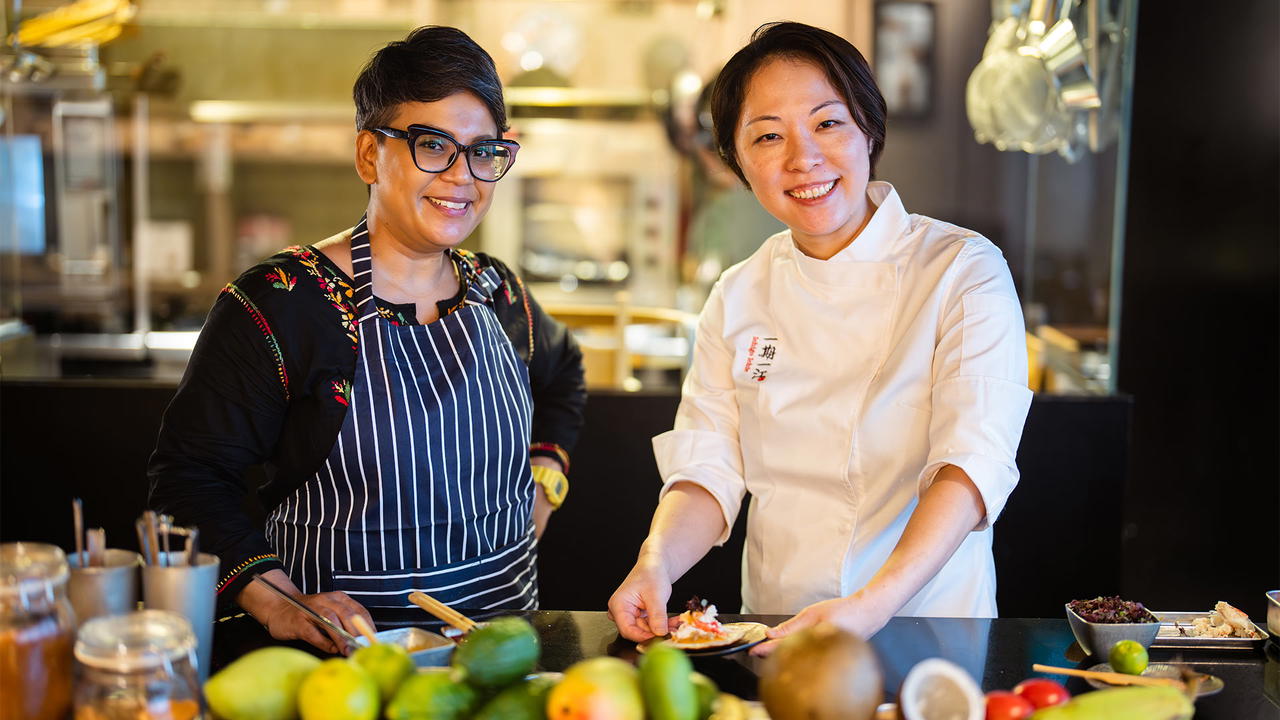
It’s the intriguing premise behind Japanese chef Akane Eno’s second four-hands menu at Ichigo Ichie. This time, she’s partnering with Vasunthara Ramasamy (also known as Vasun), creator of the South Indian private dining concept Cutlery Optional.
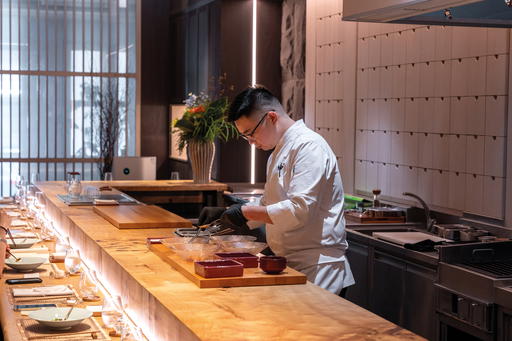
During the media preview, my husband jokes that that I’ll be eating Japanese curry. Eno chuckles when I repeat it. The only clue to what lies ahead is the colourful produce lining the restaurant’s wooden counter in the InterContinental Singapore Robertson Quay. Spice boxes and jars containing yellow, ochre, and rust-coloured powders sit alongside the exotic array of plantains, limes, and mangoes.
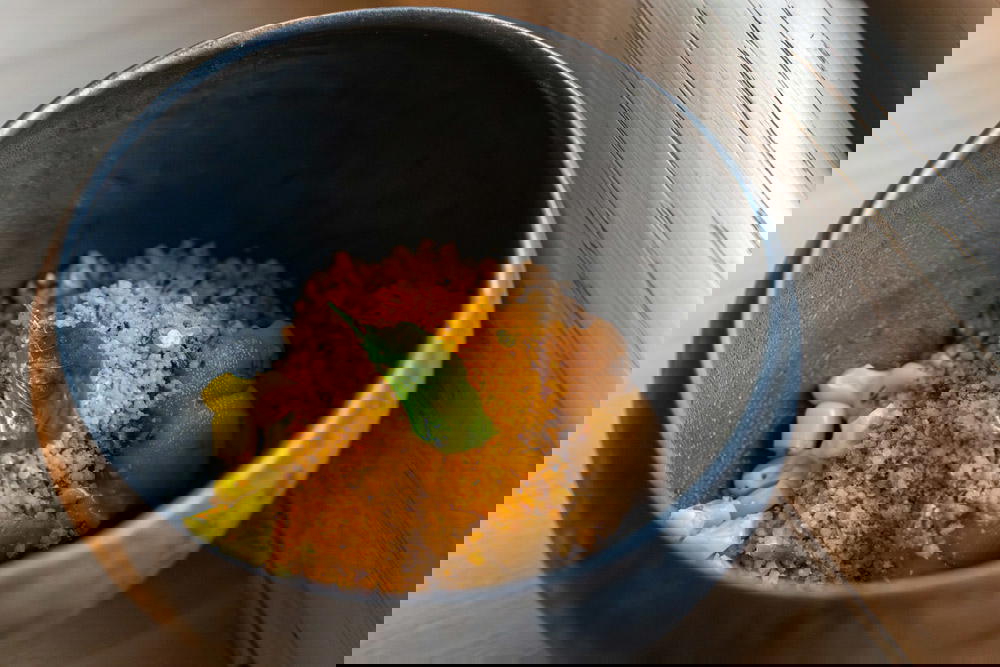
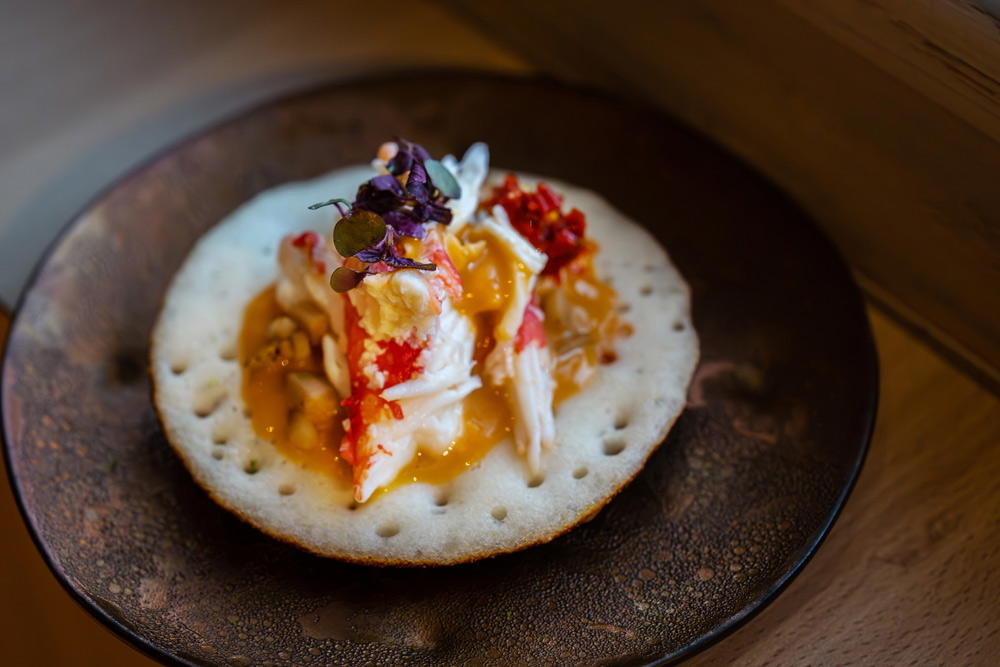
Eno serves the first course. It’s a bowl of grilled Japanese sweet corn topped with orange tongues of Bafun uni and generously dusted with Vasun’s famed peanut podi, a coarsely ground blend of peanuts, red chillies and spices. “Mix it,” says Eno. A mouthful begins with an explosion of contrasts: slippery, custardy uni meets crunchy peanuts and mildly sweet corn meets briny uni. A warming sensation creeps up on the back of my tongue with each spoonful, explaining why podi is sometimes called “gunpowder”.
The intriguing dish is the second instalment in a series in which Eno, who specialises in kappo cuisine, invites other top female chefs to join her in Ichigo Ichie’s kitchen. In the first edition last April, Eno collaborated with Lolla’s Johanne Siy.
Each partnership supports fellow females in a male-dominated industry. It’s fascinating to observe chefs’ experimentation with new ingredients and techniques, transcending cultural boundaries, and to taste the results. Cross-pollination in the kitchen and in the dining room creates a fun experience for all.
“As far as I know, there hasn’t been a menu like this before,” says Vasun, a former MasterChef Singapore contestant. She’s known for her authentic flavours in signature dishes, like freshly made thosai and goat neck biryanis, often achieved by painstakingly making almost everything, including spice mixes, from scratch.
“There are many commonalities in South Indian and Japanese cooking, such as the importance of balance,” says Vasun, who wants to show diners the artisanal heritage of a cuisine that has unfortunately become dominated by commercialised, overly spicy foods.
South Indian and Japanese cooking share many ingredients, such as rice, seafood, and black sesame. The latter is the principal ingredient in gingelly oil, used in South Indian stir-fries. Techniques like fermentation are also seen in thosai, yoghurt-based dishes, and pickles.
Both cuisines emphasise freshness and seasonality, and have a long tradition of vegetarianism and links to Buddhism as well, says Vasun. For example, sattvic diets based on Ayurvedic principles don’t use onions or garlic. This is also the case with Shojin Ryori, Japan’s Buddhist vegetarian cuisine.
In Eno, who combines unconventional ingredients such as cream cheese and curry leaves into her kappo cuisine, Vasun has found a kindred spirit.
Although they met recently, the two are fast friends, as evidenced by their easy banter and almost effortless way of collaborating on dishes. According to Eno, only the sashimi course really pushed their limits. Its natural freshness and delicacy resisted many of the flavours and textures they experimented with. In the final cut, seasonal sashimi with ginger and soy sauce reminiscent of fish curry is paired with mango marinated in kombu chilli.
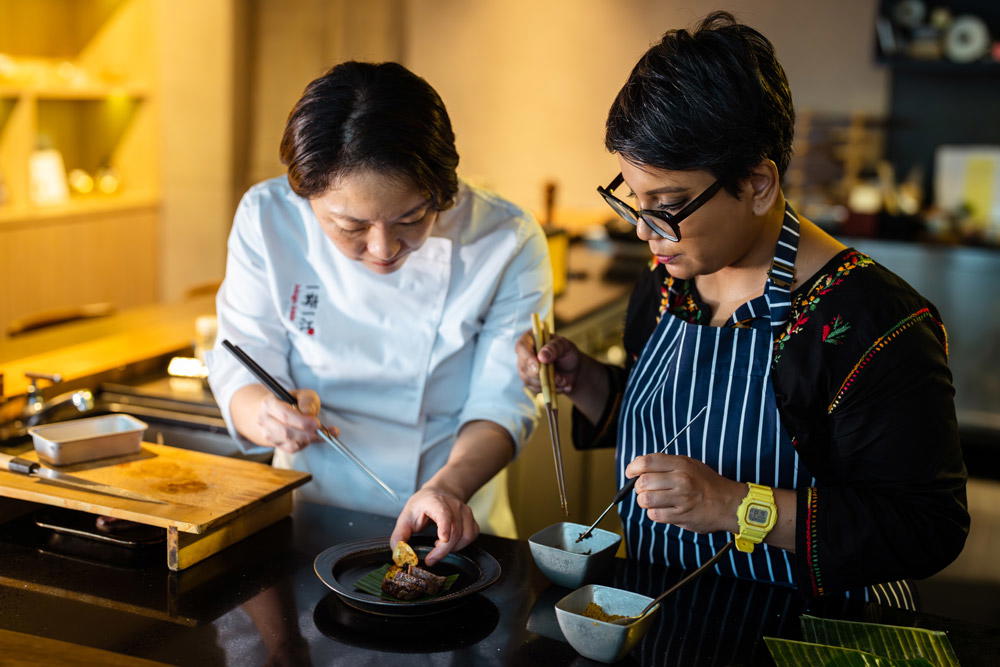
My second course is the Japanese King Crab Thosai. The crab is dressed with sumiso and cubed lotus root for texture, then given a kick from fermented chilli paste topped with sudachi jus and zest. It’s carefully assembled before diners. Best eaten with your hands, it sits on a blini-like thosai, made extra fluffy and aromatic by adding koji rice and 10 hours of fermentation.
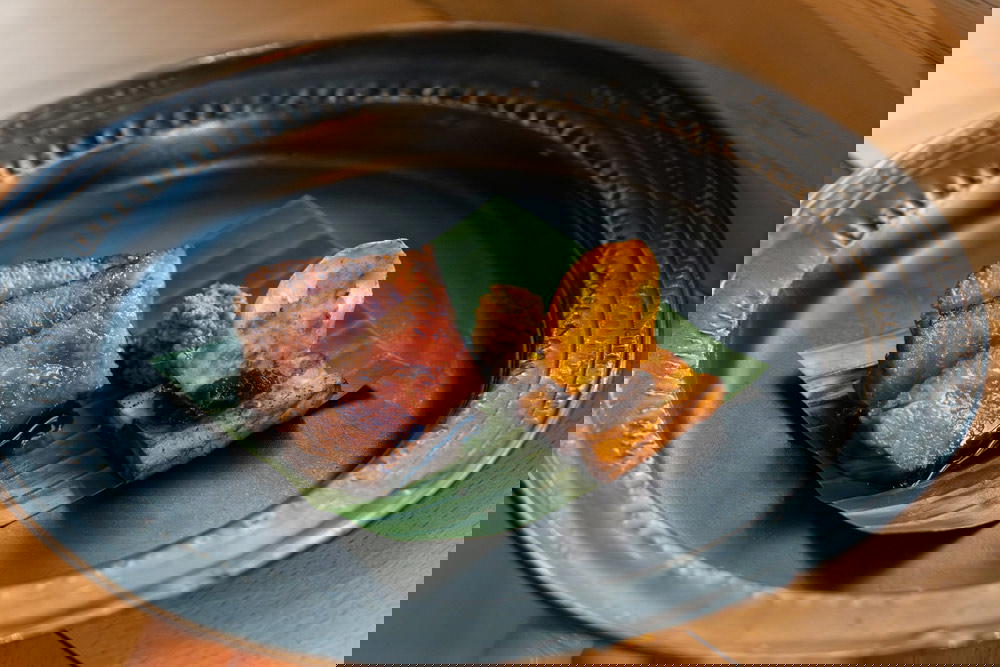
Next, a small hibachi heralds something very special: the sweet richness and mellow scent of Iga beef. Cultivated in Japan’s Iga region since the 14th century, it was eaten by Iga’s famed ninjas and is produced in tiny quantities. Only available in Singapore at Ichigo Ichie, the smoky, sizzling meat is brushed with a rich beef reduction and paired with a dab of kasundi (Indian fermented mustard seed and green mango). On the side, a petite slice of plantain is topped with bael and black garlic-miso chutney.
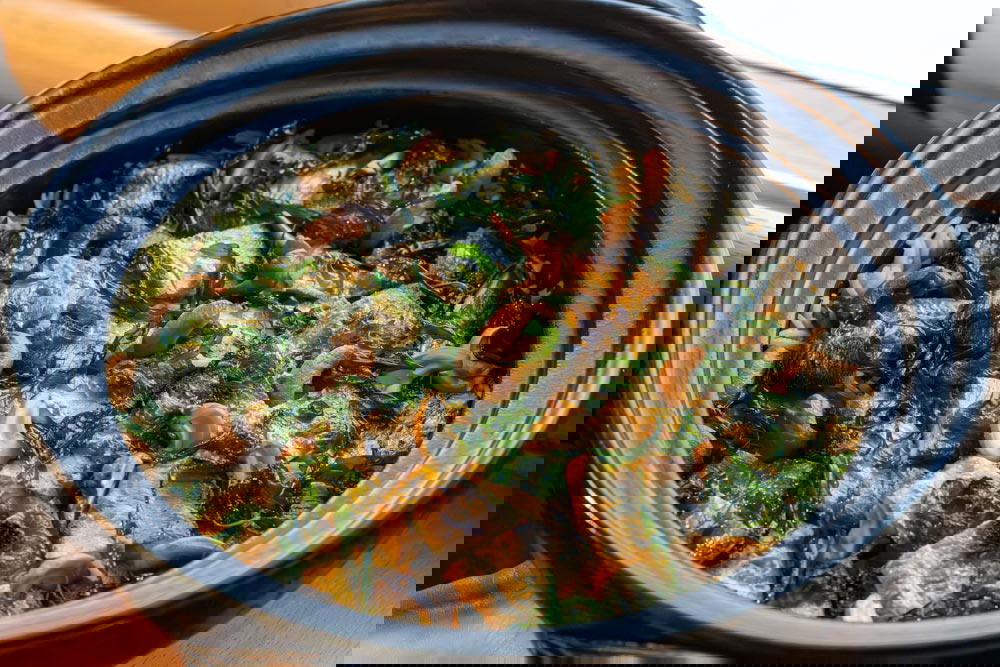
The Ayu Pulao, a hybrid of a Japanese donabe and the Indian rice dish, is also outstanding. Dried ayu fillet is brushed with sweet fish sauce, then grilled and served with basmati rice spiced with dashi, curry leaf oil, and coriander oil.
The fragrant, cashew-studded rice is tasty by itself but even better when the accompanying tomato rasam made with Japanese Amela tomatoes is poured over it, ochazuke-style (a traditional dish of cooked rice steeped in green tea or dashi).
Not to be overlooked are the menu’s sweet courses. The palate cleanser is a refreshing granita made with tangy, fragrant mosambi limes and perilla leaf, while the meal concludes with long pepper ice cream topped with a dressing of black sesame, miso and jaggery.
While I’m savouring this, Vasun shows me some long pepper seeds. Their elongated, miniature forms resemble pine cones, and they were enjoyed in Europe long before black peppercorns became easily available. Today, long peppers are used in Indian and Indonesian cuisine, where their flavour is more complex and nuanced.
“It’s been the most rewarding experience, learning from each other,” says Vasun, of the collaboration. “My ultimate wish is for diners to experience how well the flavours, ingredients, and cooking techniques of Indian and Japanese cuisine can complement each other. Ultimately, I want them to have a memorable dining experience.”
Served for one night only on 10 June at Ichigo Ichie, Akane Eno x Vasun’s six-course Japindian menu costs $328++ per person. For an additional $88++ per person, a drinks pairing menu with five drinks curated by female brewers and winemakers is available.