
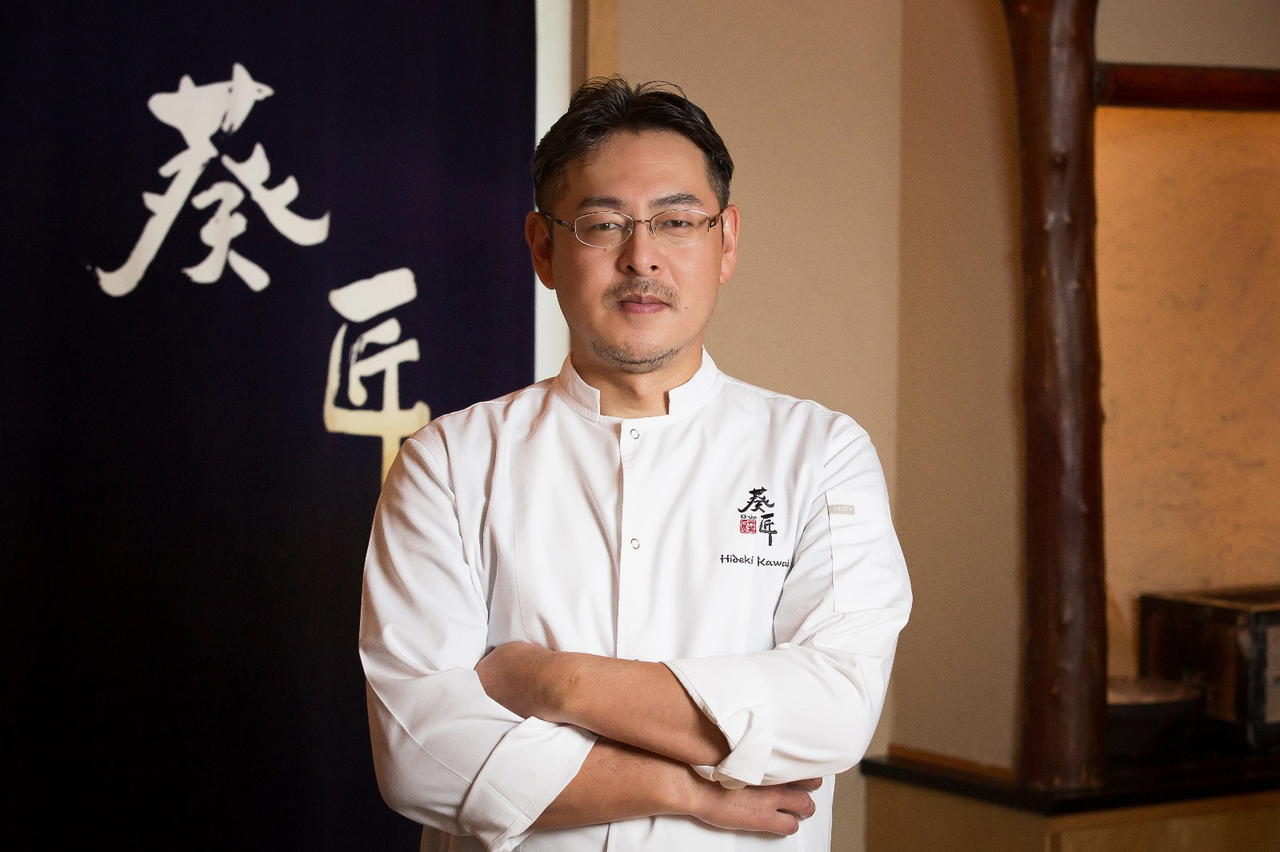
On the evening I visited Ki-sho, Singapore recorded 255.2mm of rainfall, its highest ever for 2025, from January 10 to 11. For the first time, enjoying a winter omakase menu on our tropical island felt apt.
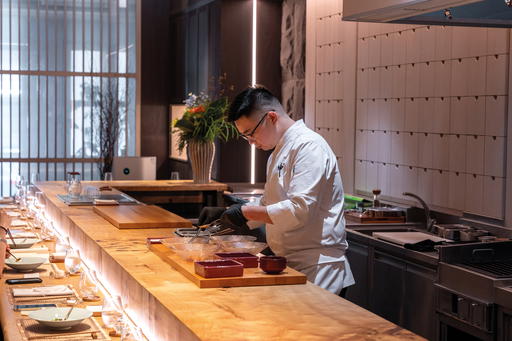
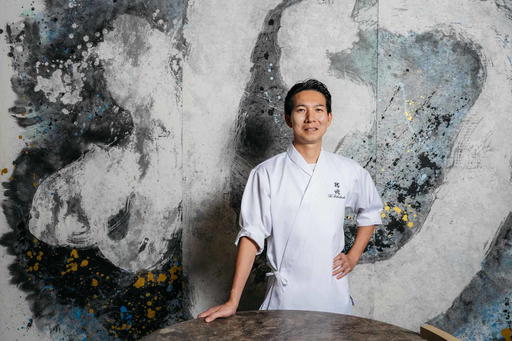
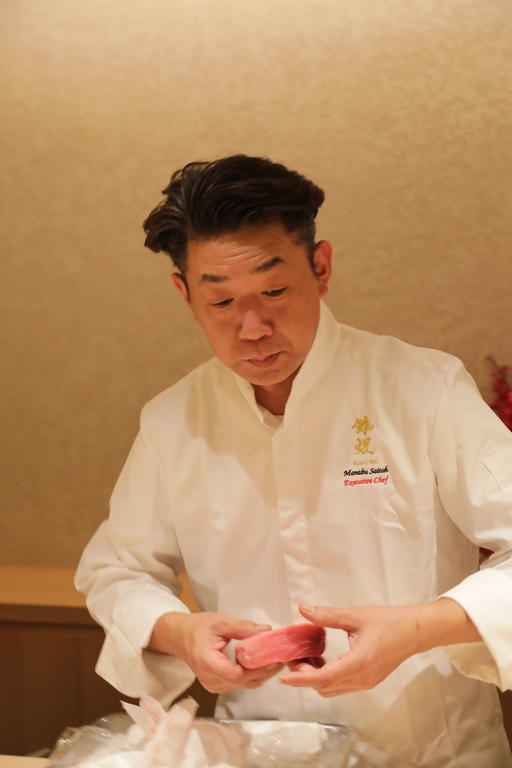
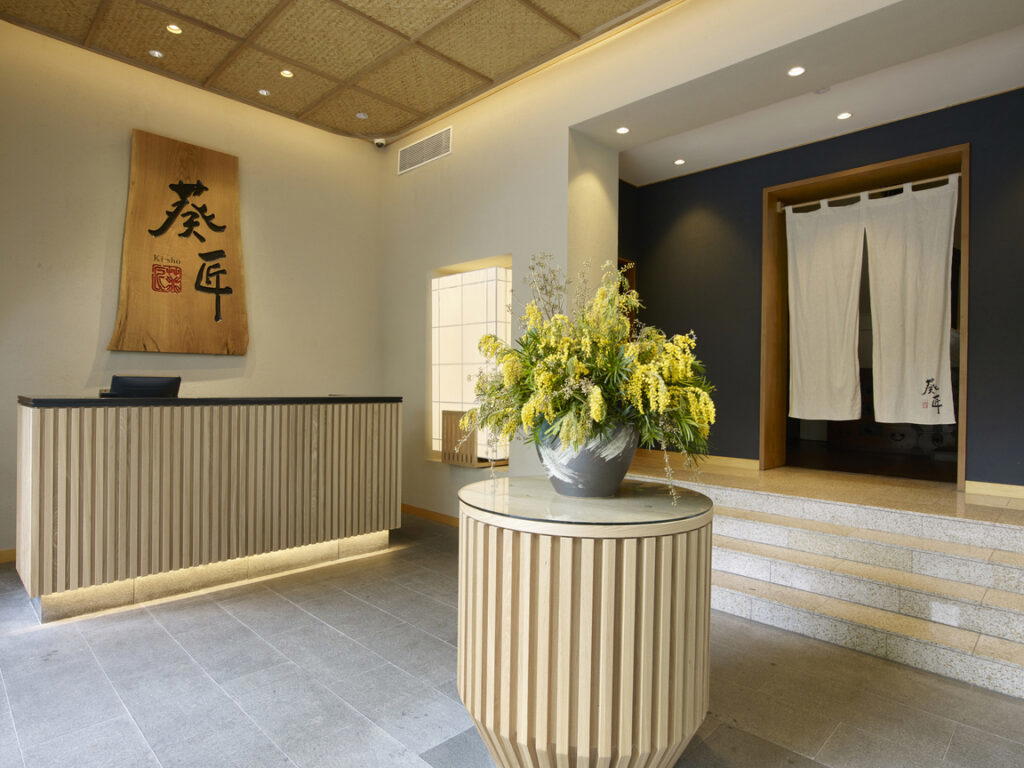
Nestled in a black-and-white building on Scotts Road, this kappo-style omakase restaurant is helmed by new resident chef Kawaii Hideki. Born and raised in Osaka, Kawaii brings with him an over-30-year culinary journey, beginning straight out of high school under the mentorship of leading chefs at Nanchi Yamato-ya and Hozenji Yokochoin Osaka.
While working in Osaka, most of his customers were local. As such, he primarily focused on traditional flavours and light seasoning, which are preferred by Japanese diners.
His culinary approach at Ki-sho is a little different, however. For one, he had to cater to international customers whose tastes were more diverse. “This taught me to balance light and rich flavours while ensuring that the essence of Japanese cuisine remains intact,” he explains.
For his winter menu, Kawaii draws on his close relationship with sought-after suppliers in Japan to bring in prized seasonal ingredients from the country.
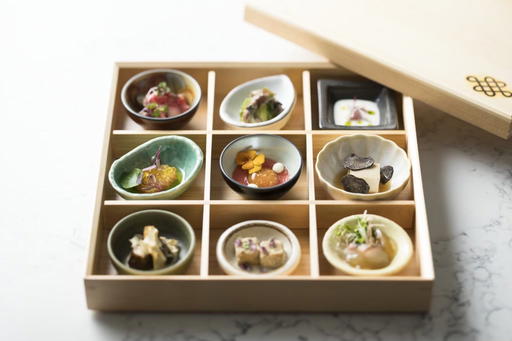
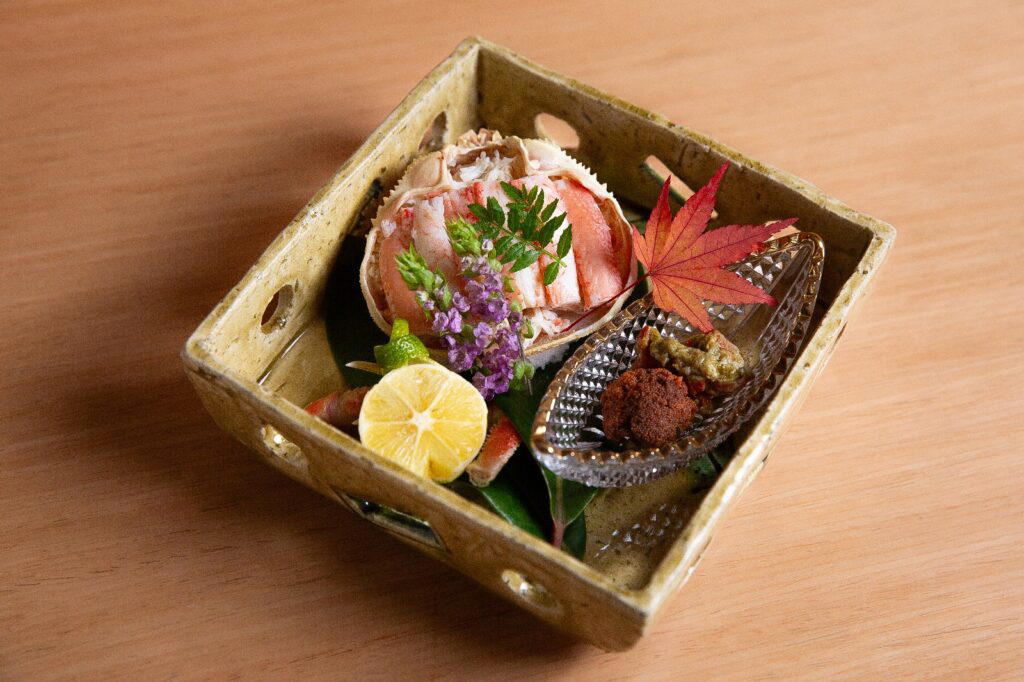
The meal starts with the belly-warming Kabusecha, a welcome tea synonymous with the Nara region, served alongside aged tea leaves in ponzu sauce. After which, we savoured the Sakizuke, which was female snow crab with tomato jelly. The delicately sweet yet briny flavours come together beautifully in this appetiser.
Kawaii considers the Takiawase, consisting of kinki (rock fish), fukahire (shark fin), and ebi imo (shrimp taro), as among his standout dishes. The shrimp taro offers an excellent textural contrast, with its soft and creamy interior encased in a crispy skin. Paired with the fatty kinki and the jelly-like shark fin sauce, this dish strikes the perfect balance between the delicate sweetness of the taro and the richness of the fish.
Meanwhile, I gravitated towards the Yakimono—charcoal-grilled A5 Omi Wagyu served with marinated black miso, snow salt, freshly grated wasabi, marinated barley, and deep-fried garlic. The beef, which comes from Japan’s Shiga prefecture, satiated my craving for a hearty meal.
A luxurious winter speciality, pufferfish milt, is the star of the Shiizakana or hotpot dish. Prepared in a savoury tonkatsu broth, its creamy texture makes every bite a delight. “The milt’s indulgent warmth makes it an ideal ingredient for comforting dishes during the cold months,” the chef offers.
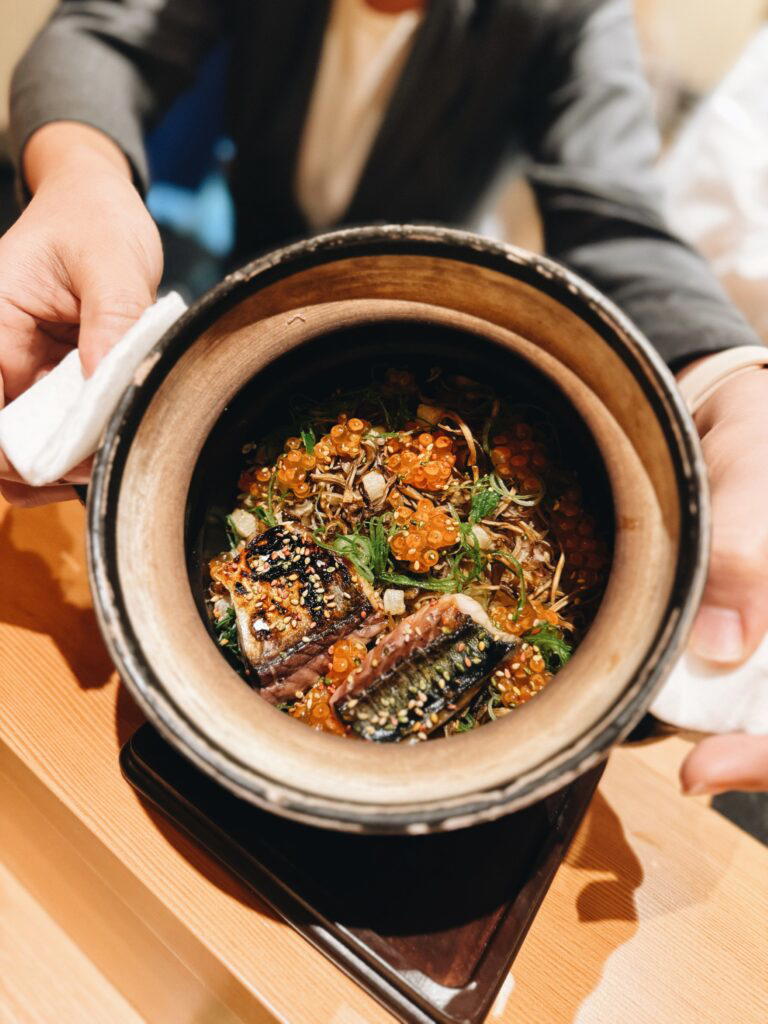
The grand finale for me, sans dessert, was the Shokuki or Japanese Donabe. Saba or mackerel is mixed into a claypot and topped with a generous portion of ikura. Thanks to its heartwarming combination of charred bits of rice, the fatty fish, and the salty burst of ikura, this struck me as most memorable on that cold, rainy evening.