
Indian cuisine is known for its alliteration of strong flavours—spicy, sweet, smokey and savoury—and Indian Accent is known to do a crackerjack job at delivering them through its modernised tasting menus. More precisely, to the degree of being one of India’s most awarded restaurant. The New Delhi establishment also ranks 19th in this year’s edition of Asia’s 50 Best Restaurants.
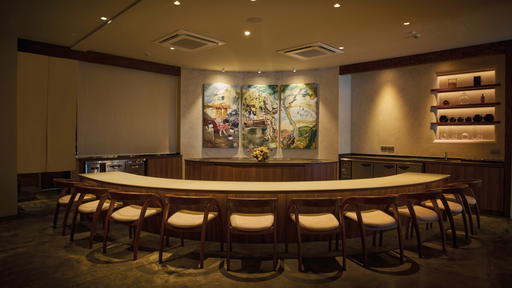
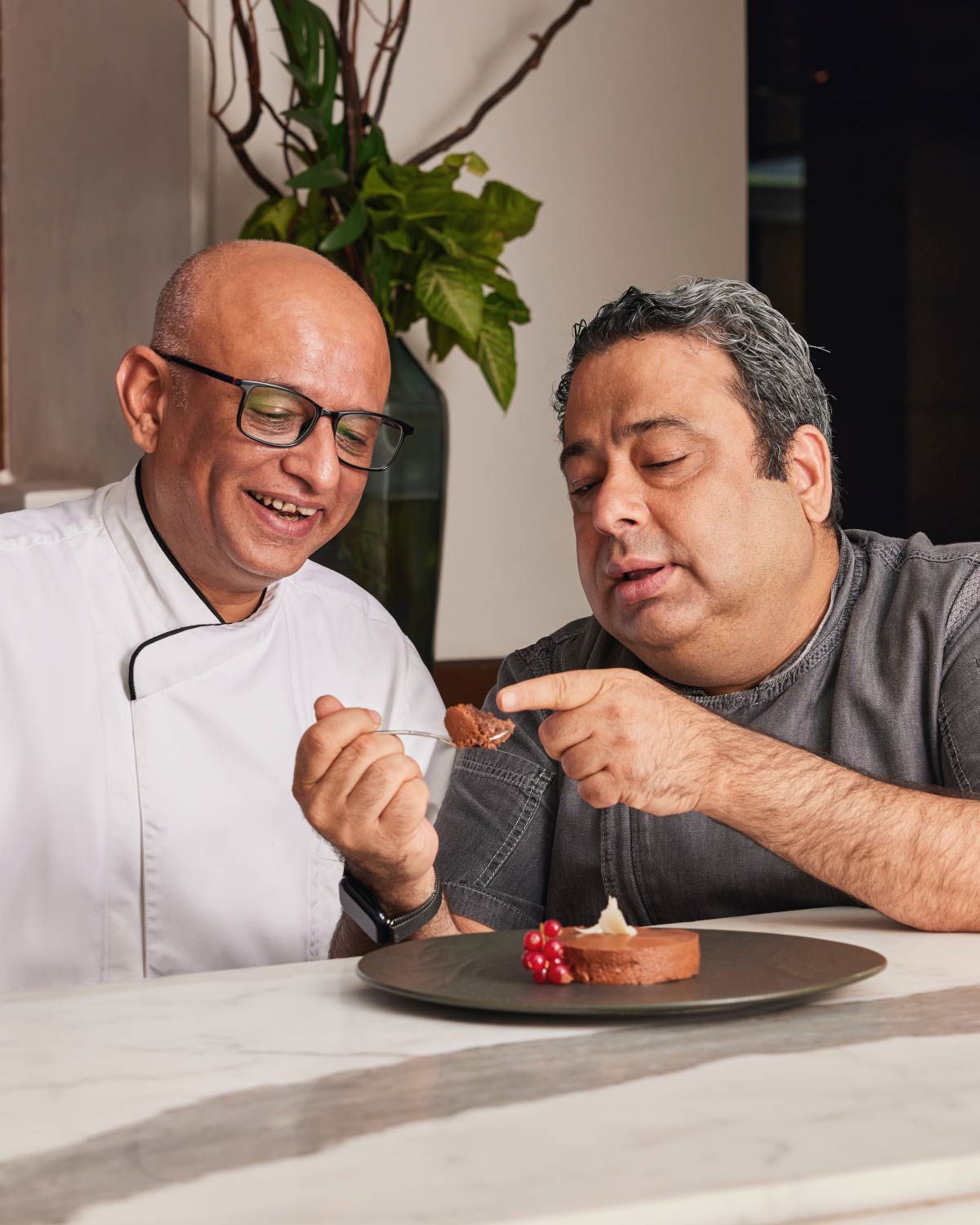
Helmed by culinary director Manish Mehrotra and executive chef Shantanu Mehrotra, the brand also has a branch in New York and will soon open another in Mumbai. But for now, both chefs and their 40-strong team are in Singapore for their Mandala Masters x Amaya Ventures residency at Mandala Club.
Launched on 9 May and to be held till 25 May, the pop-up offers both lunch and dinner services and operates Tuesday to Sunday. Vegetarian and non-vegetarian menus are available and patrons can choose from four, seven and nine courses for lunch, and seven and nine courses for dinner.
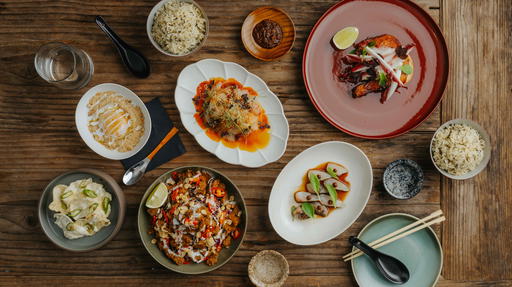
How are discerning diners such big fans of the restaurant? Let us count the ways. Dinner kicks off with a dream of an amuse-bouche in the form of stuffed blue cheese naan and sweet corn soup with garam masala. The coin-sized flatbread is fluffy, the salty filling, warm, and the sweetness of the soup is equalised by the spice—the pairing instantly whets the appetite.
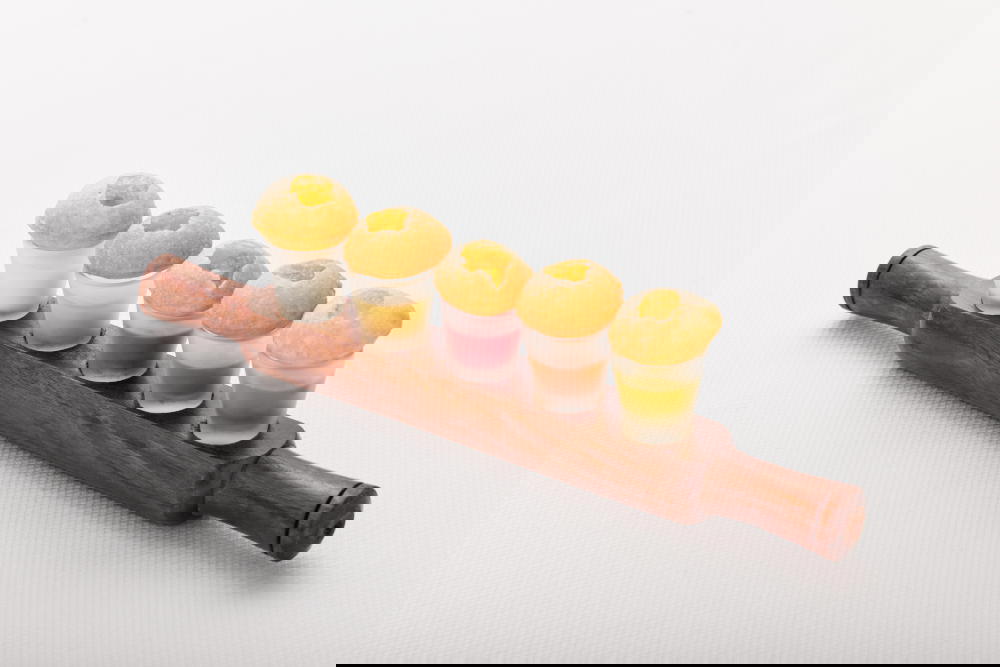
The first course features a trio of flavour bombs with a standout the smoked eggplant and maple papdi, but it is the second that will have you whipping out your phone for the gram: a phuchka (crispy puffed puri with a hole in the middle) quintet stacked atop multi-coloured, differently-differently waters they are to be filled with. The tamarind, pomegranate and yogurt shots are well-balanced and a refreshing recess from the dense starters.
Although less showy, the master stroke is the third course of morel, gobindobhog (short-grain, sticky rice with a sweet buttery flavor), mushroom payesh and truffle. Typically used in desserts and cooked in cane or palm sugar, the gobindobhog is boiled in mushroom stock in this iteration and boasts risotto-like texture with an umami punch. It should be noted, however, that the dish is special to the nine-course menus and unavailable on the seven-course options.
Then, the literal meaty segment of meetha achar (sweet mango pickle) pork spare ribs an elevated version of sweet and sour pork. Evenly marinated, the meat has been immersed in coconut milk overnight for elimination of odour and the flesh falls off the bone.
The fifth course is another gem of kanyakumari crab, sago pongal and caviar. The sago cooked in coconut milk and mustard curry leaves is supple, lending body without overcomplicating the already-robust flavours from the marination—a blend of tomato, garlic, onion and chilli—of the crab. A banana crisp is used to square up the softness of the textures.
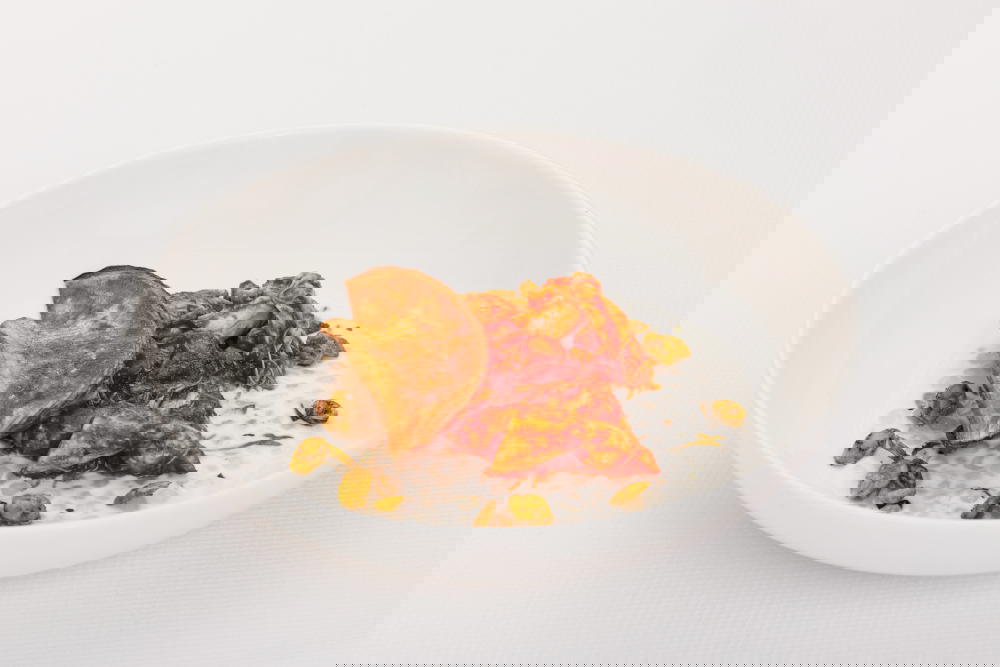
Curiously, it is followed by wagyu pathar kebab with bone marrow nihari (a rich, slow-cooked meat stew). Beef by an Indian restaurant and a highly lauded one at that? Yes, please, and it does not disappoint. The stew, albeit toothy, does not overshadow the smokey, thinly-sliced meat that has been cooked over stone.
But among the many hits is one miss: the main course of butter chicken kulcha (flatbread) served with black dairy dal and wasabi and kakdi raita. This was uninspiring given the buildup of compellingly creative flavours a result of equally compelling cooking techniques, but was nonetheless nicely seasoned and satiating. It helps that patrons are offered seconds of the dish, especially when everything is better on a full stomach.
The tantalising affair is wrapped up with two types of desserts, my preference the doodh jalebi with pista ki lauj (a milk-based sweet made with pistachios). The latter, presented as a miniature ice cream sandwich of sorts, packs a punch without being sickly sweet. There’s good reason why Indian Accent is India’s top contender in fine dining, and given that they’re only firing up the stoves here for two weeks, it might be a good idea to get on with booking yourself a seat.