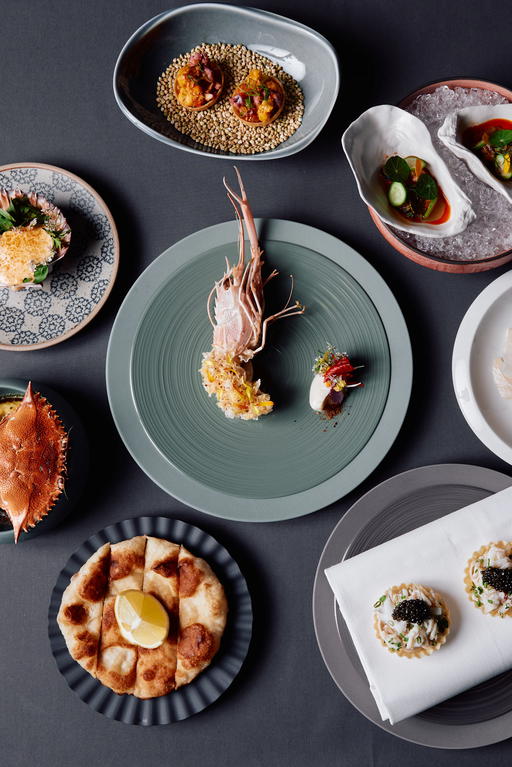

Avatāra, the only vegetarian Michelin-starred restaurant in Dubai, has opened a new outpost in Mumbai. While expecting scrumptious fare, I was taken aback by what looked like fine art on a plate. Exquisite creations from unsung heroes like turnips, parsnips, drumsticks, and bitter gourd—ingredients often overlooked—blew me away.
The restaurant plays with unusual ingredient pairings, textures, and temperatures to create a perfect balance of flavours. I was surprised to learn that none of the dishes contain common taste enhancers, such as onion, garlic, mushroom, cottage cheese, and eggplant, that are often found in vegetable-based dishes.
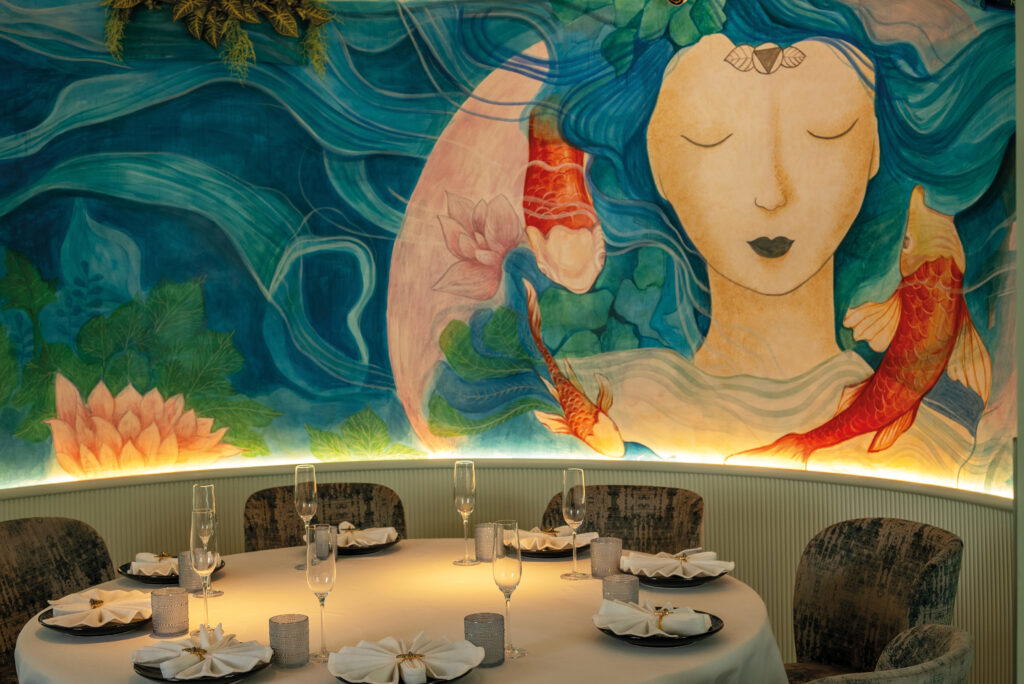
The cuisine at Avatāra Mumbai is not just about taste, but also about balance and harmony, inspired by Ayurveda, an ancient Indian medical system. As part of its goal to reinvent and elevate vegetarian cuisine, the Sanskrit menu celebrates nutritious, plant-based ingredients that are often underutilised.
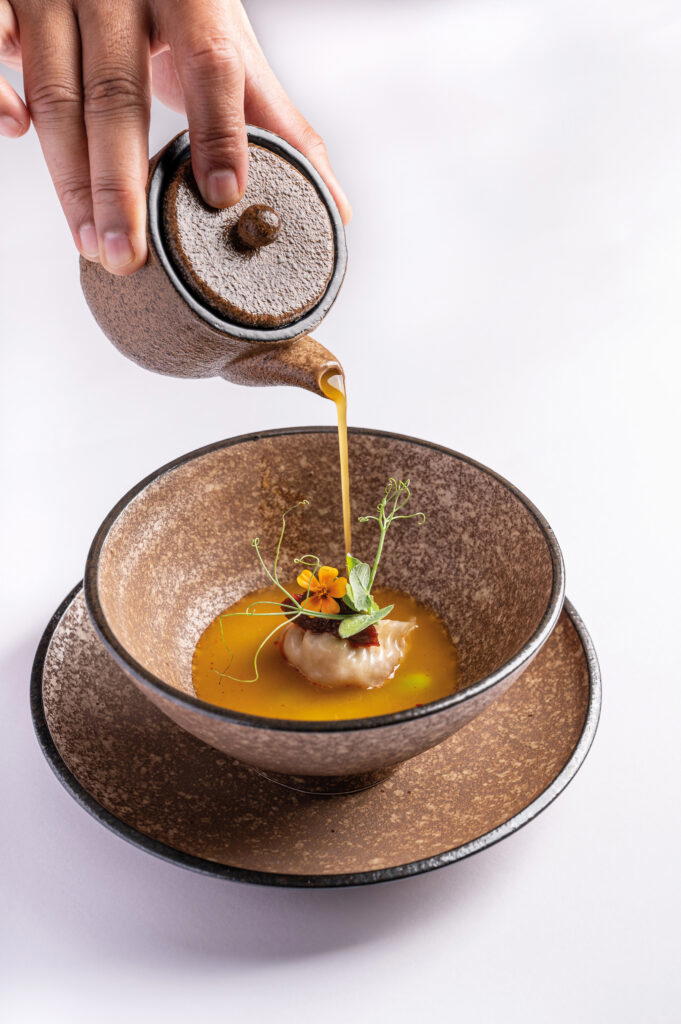
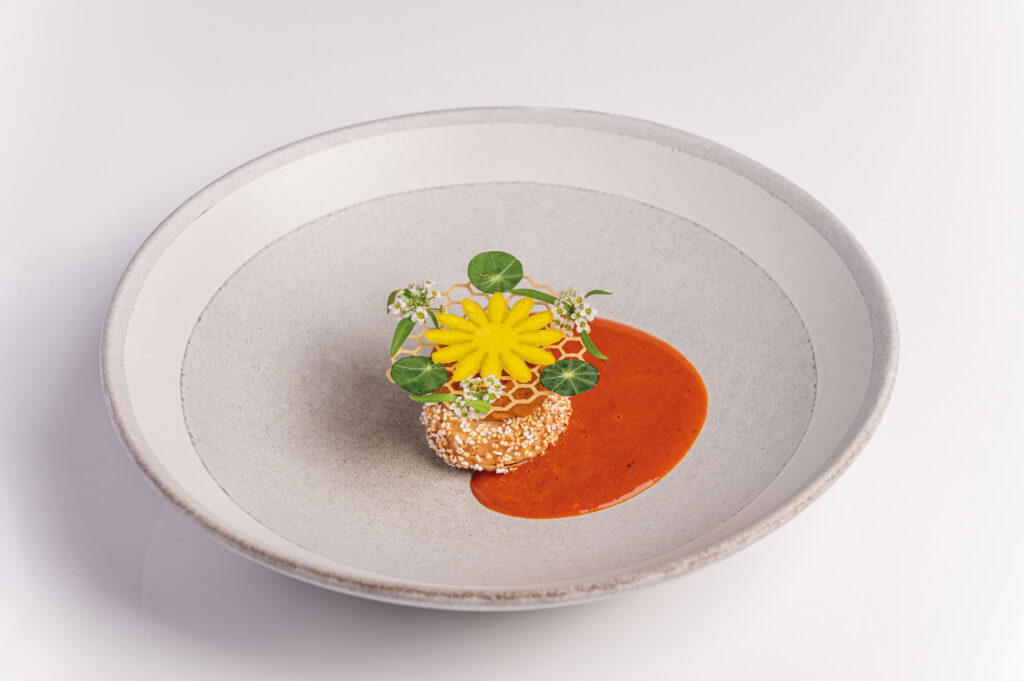
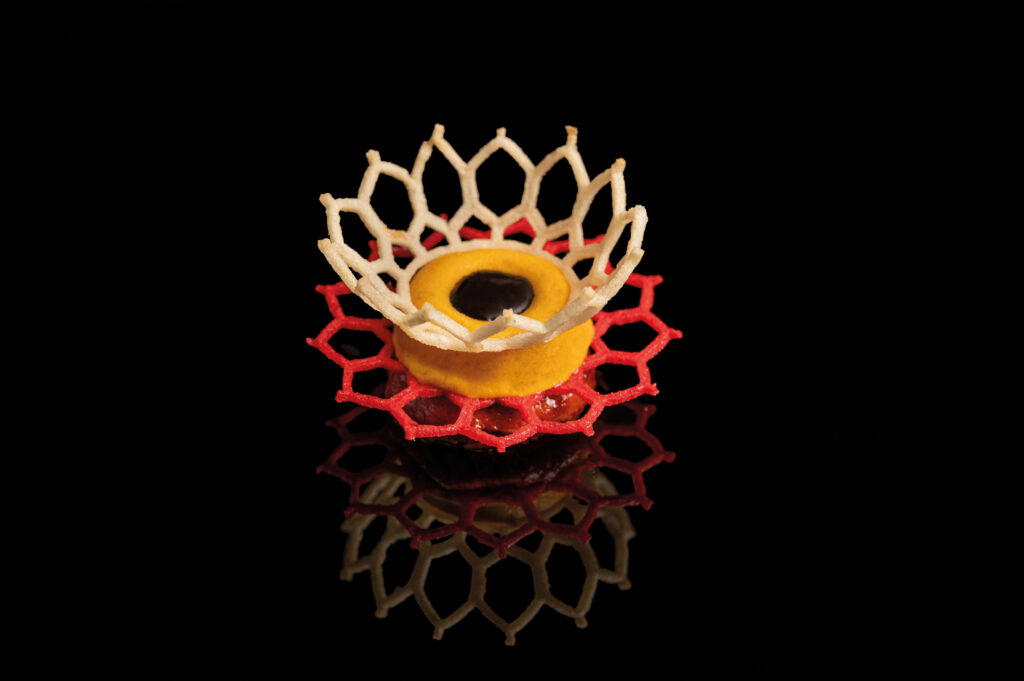
Among the courses, Jadon, features chips made from root vegetables like lotus, sweet potato, yam, tapioca, and beetroot. It is beautifully complemented by a tart pomegranate chutney and a velvety chickpea-coriander mash. Karuvelvilas, on the other hand, combines ghee-roasted karela with mango sambhar gelato and a crispy dosa to create an intriguing dish that piques the palate.
Panasa comprises jackfruit-stuffed momos dunked in fragrant, lemongrass-infused sea buckthorn thukpa, a noodle soup. The mineral-rich turnip is the star of Grinjanah, where it is paired with robust red kidney beans, a dainty, crunchy sheet of Amaranth, and apple chutney.
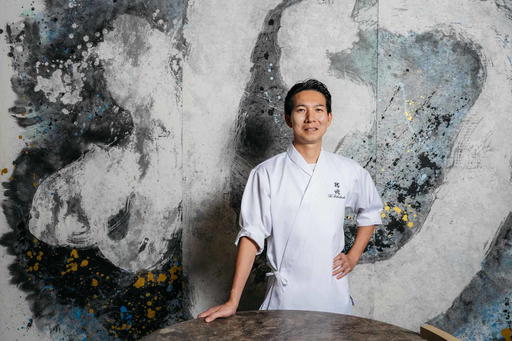
Rahul Rana, executive chef at Avatāra, Dubai, grew up in a predominantly vegetarian community in northern India’s Rishikesh, nestled in the foothills of the Himalayas. “The Indian culture is deeply rooted in plant-based eating, with a long history of vegetarian dishes influenced by religious, cultural, and social practices. It is for this reason that I have always been intrigued by the limitless possibilities of creating soul-satisfying meals out of our good ol’ plants,” he shares.
Rahul wants to make native Indian vegetables and traditional recipes popular worldwide and redefine healthy eating. With edible plants and flowers gaining popularity, he anticipates a trend towards light, healthy, and innovative plant-based meals.
“People are becoming more aware of their health and the environment; they want to know exactly what they are putting into their bodies. Consuming fruits, vegetables, plant-derived nuts, seeds, oils, whole grains, legumes, and beans makes things simpler,” he says. Vegetables are good for the gut, and Rahul believes people are also attracted to their long-term physical and mental health benefits.
Plant-based restaurants are no longer a rarity. Many high-end dining establishments across the globe are replacing meat from their menus with gourmet dishes prepared with organic, farm-grown vegetables. The trend appeals to vegetarians and meat lovers. Rahul believes this shift in fine dining reflects a fundamental change in the way we value food.
Embracing plant-based menus demonstrates the industry’s commitment to sustainability and inclusivity as well. By serving impressive plant-based dishes, upscale restaurants not only highlight the potential, versatility, and sophistication of vegetables but also showcase the ethical coexistence of luxury vegetarianism.
Chefs who practise plant-based cuisine must unleash their creativity by experimenting with traditional and newly discovered ingredients, techniques, and presentation styles, according to Rahul. He adds that creating a plant-based menu is both challenging and invigorating. “It requires a deep understanding of ingredients and cooking methods to ensure that each dish is flavourful, visually appealing, and nourishing without leaving diners feeling uncomfortably full. Taste is everything.”
His innovative culinary skills and passion for vegetarian cuisine earned him the title Future Great Chef of the Year during the Gault & Millau UAE 2023 Awards. His goal is to evoke strong emotions with every bite. “The selection of ingredients is crucial, as each one has a different character and nature. During our research phase at Avatāra, we cook each dish using five different techniques: steaming, frying, roasting, boiling, and braising. Then we settle on one or a combination of a few techniques that maintain the flavour and bring out the oomph factor,” he adds.
The latest trends in plant-based fine dining include using ancient grains, exotic fruits, and heirloom vegetables. The traditional culinary practices of fermentation, sun drying, pickling, and spice blending are also making a comeback, perhaps with a modern twist. “Fermentation and smoking techniques are gaining popularity as well, adding depth to plant-based dishes. Avatāra Mumbai practises in-house fermentation, which is also our way of being eco-friendly,” he adds.