
When Meiyu Li first fell in love with wine, the sommelier profession was almost unheard of in mainland China. Today, at 38, she is the country’s first female sommelier to achieve the advanced sommelier accreditation from the prestigious Court of Master Sommeliers.
Li’s interest in wine began in 2018.
While studying French at La Sorbonne University in Paris, she took cultural courses that sparked her interest in regional cuisine and wine, resulting in a spontaneous weekend trip to Burgundy. She tasted about 20 wines made from chardonnay and pinot noir grapes.
“Despite originating from the same two grape varieties, the wines had distinct flavour profiles and aromas because of the distinct terroirs of the vineyards,” says Li. These nuances surprised her and left her seeking opportunities to study wine professionally. Thus, her journey began.
She has worked in Park Hyatt Beijing Hotel, where her responsibilities included hosting visits from wine merchants and wineries, and coordinating food and wine pairings with the head chef. She has also worked at multiple three-starred Michelin restaurants, serving as a wine consultant through DrinkArts, her wine and management consultancy company.
As passionate as she is about educating the public about Chinese wines, becoming a sommelier was not her initial goal. “I wanted to join the wine trade industry or become a wine journalist after graduation.”
Then Li took part in China’s Sommelier Conference organised by Sopexa and won the Northern Championship. Suddenly, becoming a sommelier no longer seemed like a pipe dream. “In 2010, there were less than five sommeliers in mainland China. I realised that working in this field would provide me with unique experiences others would not have.”
Although China has a long history of winemaking, its wine culture is quite niche compared to traditional winemaking countries like France and other European countries. According to Li, China lacks a well-established legal framework and a clearly defined wine style, which will take time to develop.
“However, when Chinese people are committed to achieving something, the process can be rapid. In the past decade, many wineries have emerged consistently, improving the quality of Chinese wines,” she explains.
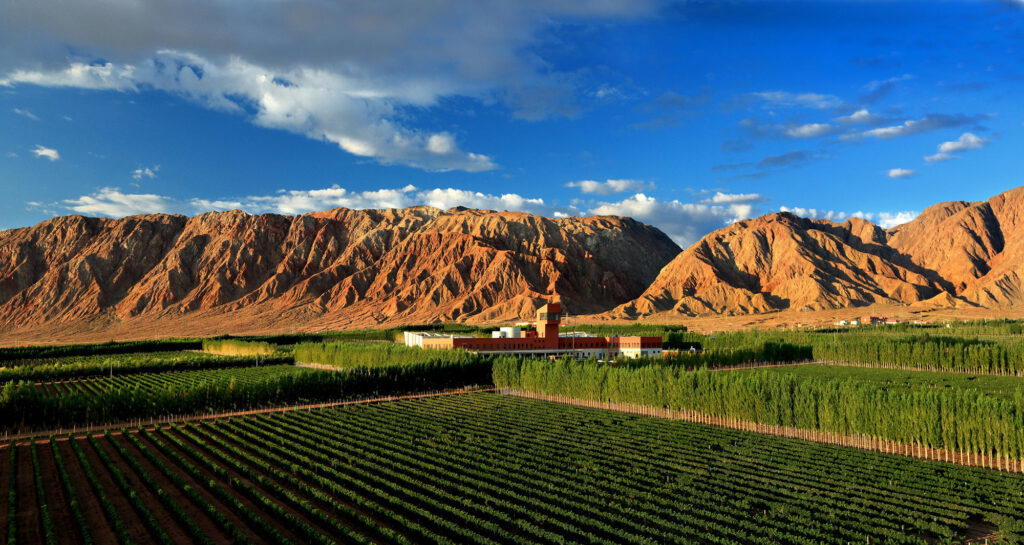
The rise of China’s wine industry is a recent development, occurring in less than two decades. “In northern China, the climate is cold and dry with insufficient snowfall to keep the grapes warm. To survive the winter, many vineyards bury the vines in the ground to prevent freezing,” she says. This practice inadvertently increases the cost of Chinese wine production by 30 to 35 percent.
In the past, China wineries often produced wines characterised by high alcohol content and intense oak flavours, aligning to the preference of the earlier Chinese market that associated these attributes with quality wine. Consumer palates have matured since then, says Li.

As more boutique wineries emerge, winemakers—some returning from overseas—strive to create distinctive wines using international techniques and incorporating unique perspectives.
“Winemakers [in China] are exploring a broader range of grape varieties, including indigenous ones such as Puchang vineyard’s bei huo, a cross-breed of vitis amurensis (wild grape) and black muscat. Another example is marselan, originally imported from France, that has now developed into a distinctive Chinese variety,” says Li.
For those unfamiliar with Chinese wines, Li recommends the yellow rice wine. A traditional wine unique to the country, its history spans thousands of years. It’s also incredibly versatile.
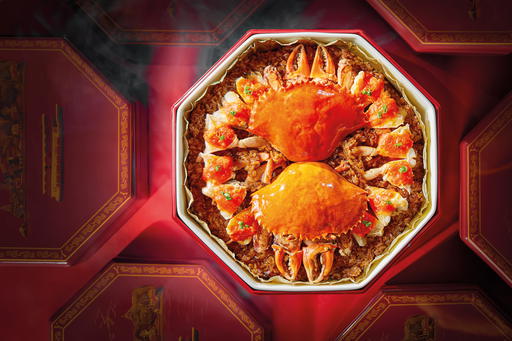
“A good dry Chinese yellow wine harmonises with an array of Chinese dishes. From seafood to red meats, and appetisers to main courses, including the sweet and the spicy, its versatility extends across various culinary spectrums, offering newcomers to China an insightful experience of Chinese culture,” says Li.