

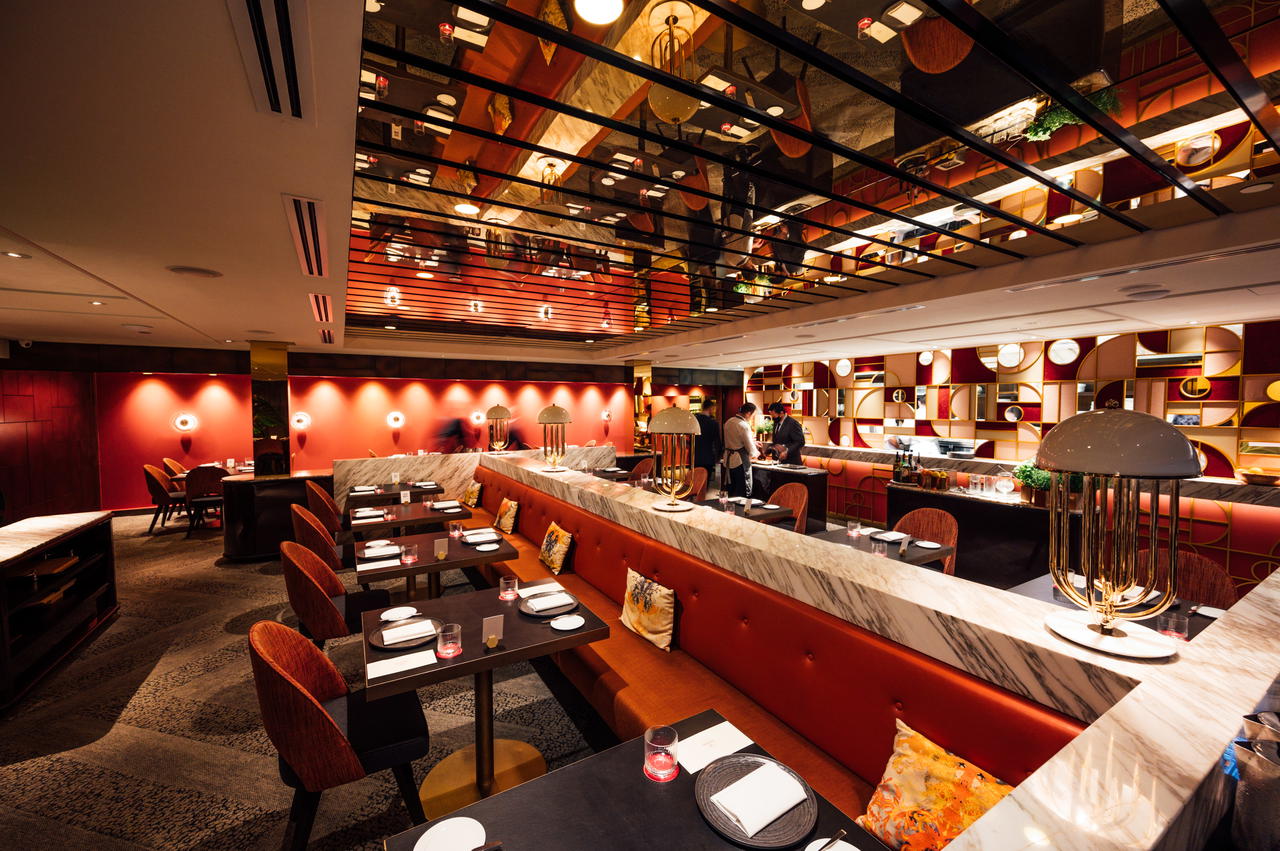
The news that Michelin-starred La Dame de Pic closed in May shocked the local food scene. In Raffles Singapore, Anne-Sophie Pic’s restaurant opened to much fanfare six years ago. It even hosted a sold-out 12-day residency by Taiwanese celebrity chef André Chiang in March. Unfortunately, Osteria BBR by Alain Ducasse, the hotel’s Italian restaurant, also closed early this year.
The closures of these two restaurants follow a spate of high-profile cessations in recent months, marking a turbulent year for the F&B industry. Among the other notable establishments that bowed out in the first quarter of 2024 were Ebb & Flow’s Tigerlily Patisserie, Three Buns by Potato Head, élan by Les Amis, and Kubo by The Tipsy Collective. Similarly, Punggol Seafood, famous for its chilli crab, shuttered after 50 years.
In March alone, 234 F&B businesses closed, while 335 new ones opened, according to the Accounting and Corporate Regulatory Authority. What does this high turnover mean for the industry and how are restaurants adjusting their headwinds to cope?
post-pandemic slump
When the pandemic eased, life was expected to return to some semblance of normalcy. Goodbye, dining restrictions, and a big welcome to the tourists. But diners did not return with the same level of frenzy restaurant owners expected. For the most part, economic inflation, shifting consumer behaviour, and rising labour and operational costs were cited as the main reasons for these closures.
These sentiments are echoed by owner of ilLido Group Beppe de Vito, which oversees concepts like Italian fine-dining joint Braci and rooftop oyster bar Southbridge. In his opinion, closures are rarely caused by a single, clear-cut issue.
“Restaurateurs often grapple with factors such as rising rent, lease negotiations, personnel issues, and failed partnerships,” he says. ilLido recently closed Levant after its lease ended. Due to the current labour shortage, it consolidated the team and focused on Baia, an upcoming rooftop dining concept.
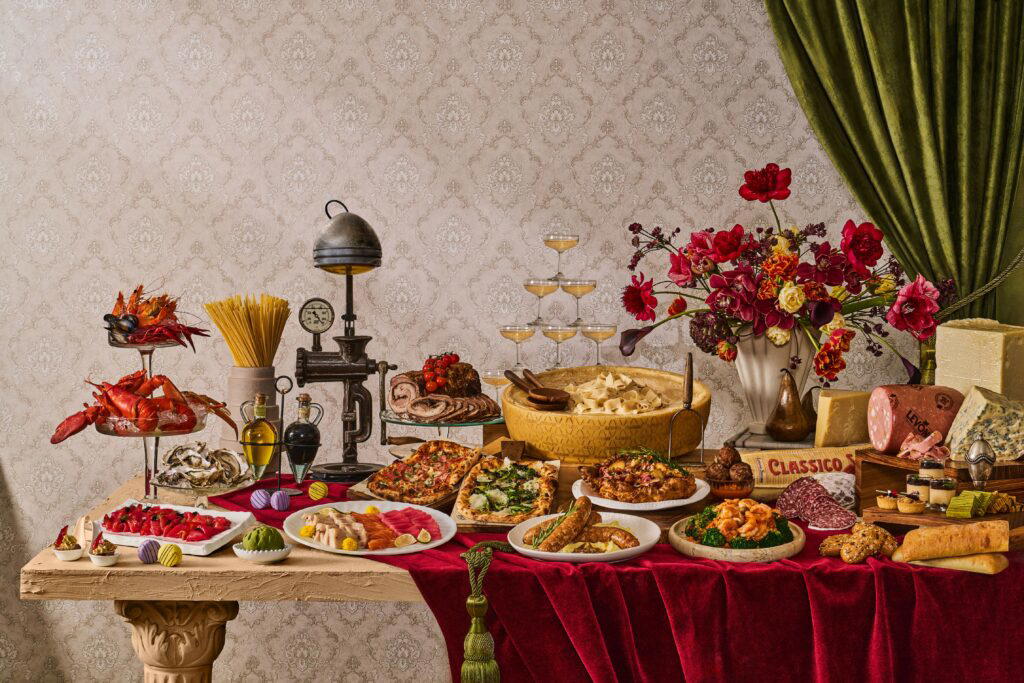
Michael Goodman, chief visionary officer of The Dandy Collection, believes restaurants are closing because of deep-seated issues in the industry. Neon Pigeon and Firangi Superstar are among the establishments owned by the group. “Rising operational costs are a big issue. Rent, ingredients, and wages are all increasing at unsustainable rates. The consumer pool shrinks as more venues open, so that’s tricky as well,” Goodman says.
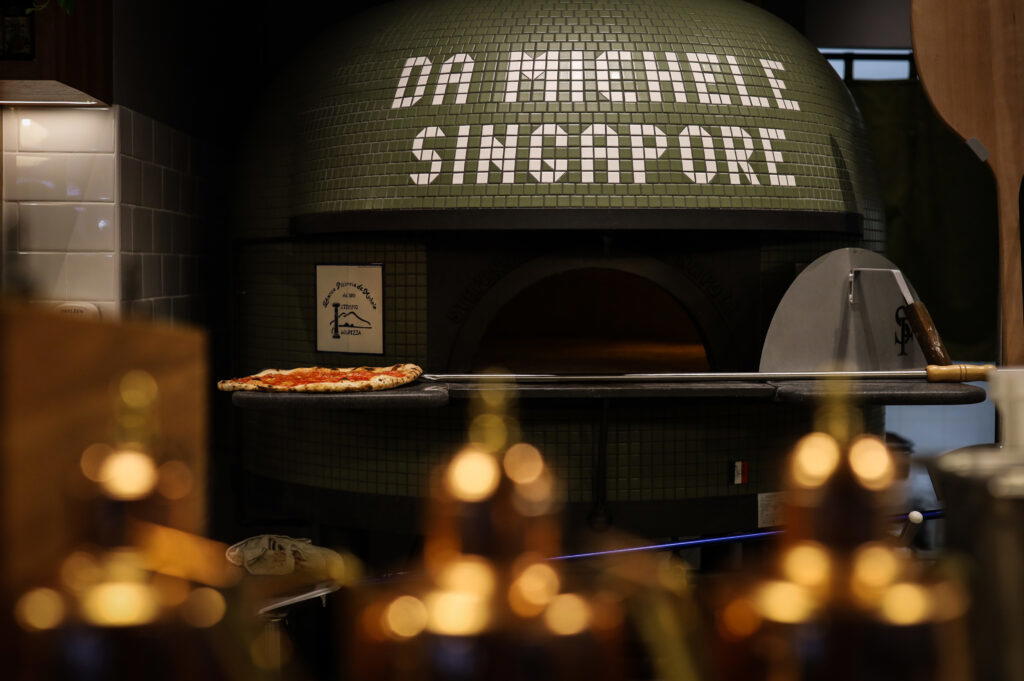
The cost of ingredients has a significant impact on restaurant profitability. The complex international situation around the Suez Canal, says Marcello Mazzotta, co-owner and director of the newly opened L’Antica Pizzeria da Michele, undoubtedly doubles the cost of imported ingredients from Europe. Despite this, he believes the solution is to maintain a unique market position. “The ingredients we use are carefully selected from southern Italy. These are not readily available here, or used by other restaurants in Singapore,” he quips.
In addition to rising costs, consumers and their changing behaviours have also affected restaurant footfall. Dr Martin Bém, founder of microbrewery LeVeL33, feels that the immense increase in residential rents over the past two years after the pandemic is a contributing factor. Thus, consumers are more likely to think twice before dining out.
Work-from-home arrangements have also continued for one to two days a week at some companies, especially those in the CBD. The footfall in venues relying on office traffic has dropped by 20 to 30 percent compared to before Covid-19, according to Bém.
Since the pandemic, Goodman agrees that consumer profiles have changed dramatically. There has been some tightening of belts. Rather than just luxury dining, diners seek value-for-money and unique experiences. As consumers become more sensitive to the cost of dining out and restaurants face higher operation costs, owners find themselves trapped in the middle and forced to close their establishments. “Restaurateurs cannot fully pass these costs along to guests, creating a lose-lose situation,” says Daniele Sperindio, owner of I’WA Group.
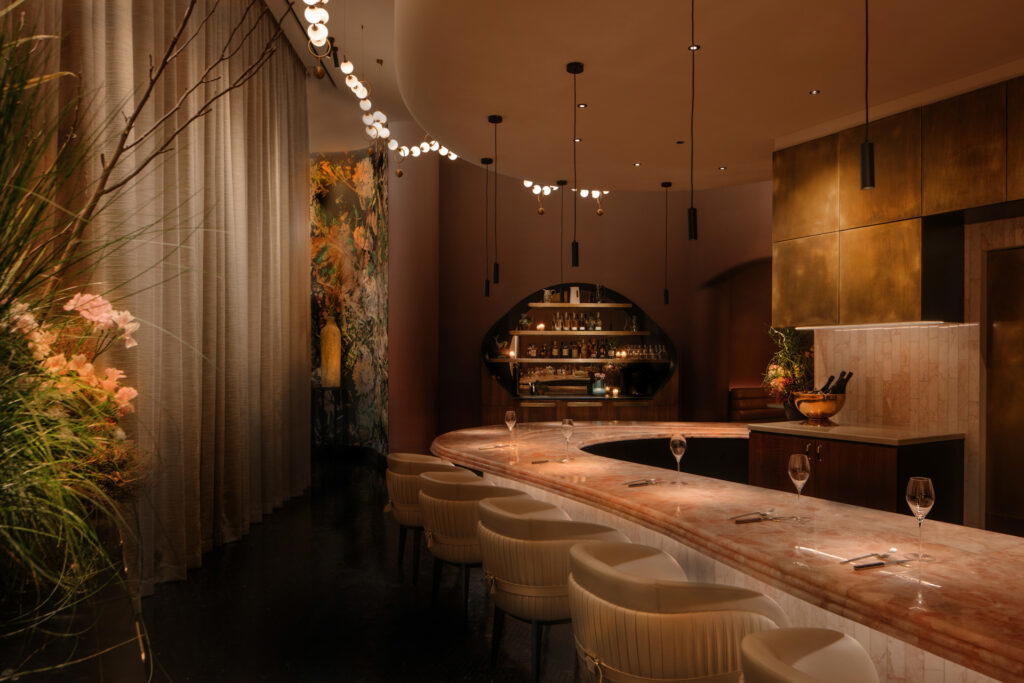
is the pivot here?
During these uncertain times, these F&B proprietors had to pivot to meet changing consumer trends. The InterContinental Singapore, for example, reevaluated its dining concepts. LUCE and The Lobby Lounge have been refreshed to offer both à la carte and buffet options. “Rather than focusing on commercial success, it is important to focus on the F&B concept. Customer recognition and service are equally important to sustain a business,” says David Kana, InterContinental Singapore’s director of F&B.
He anticipates that diners will appreciate experience-focused dining coupled with quality food. The Banquet of Hoshena at LUCE blends stunning 3D visuals with an enchanting storyline that shapes the seven-course dinner menu. “It is important for restaurants to use innovative products and concepts,” he adds.
Png Weileen, owner of Dal.Komm Coffee, acknowledges that the F&B sector is fiercely competitive. New eateries continually join the market. To distinguish themselves, full-service restaurants must innovate and provide experiences that create a unique brand identity. “People no longer dine out solely for sustenance. They seek memorable experiences they can share on social media and with friends and family. Full-service restaurants that can provide these memorable moments will be in high demand,” says Png.
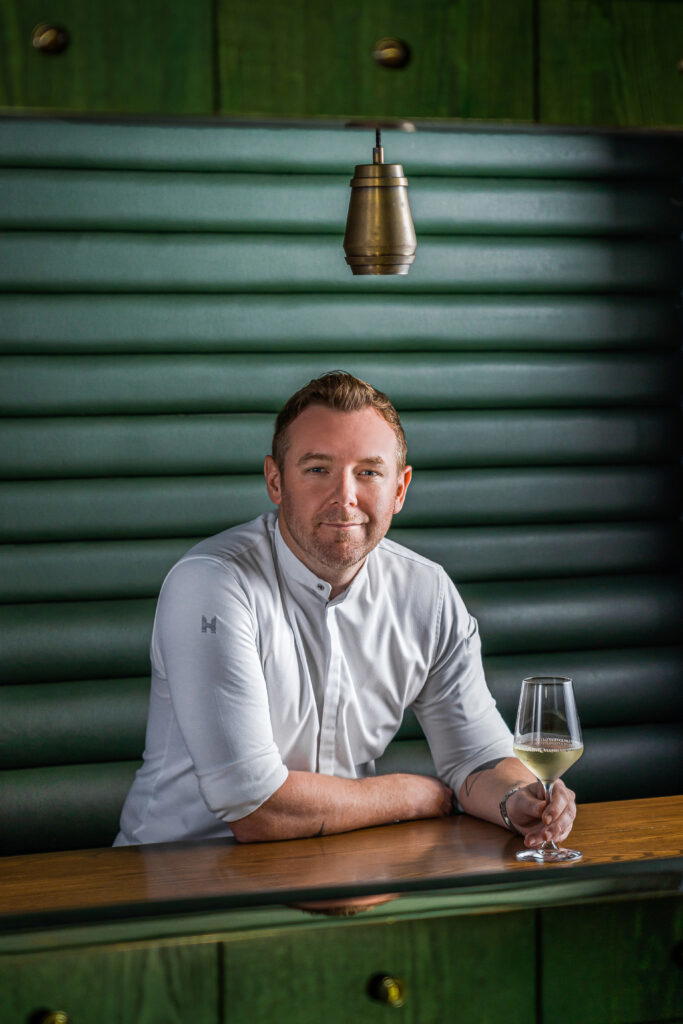
Nua Irish restaurant Cure launched an affordable à la carte set menu in March. Besides offering diners the choice of starter, main, and dessert, the menu also lets them determine the length of the menu based on their dining time. “Restaurants looking to thrive in this dynamic landscape will need to be adaptable and innovative,” says Andrew Walsh, the restaurant’s chef-owner.
Culinary Arts Group, which owns several concepts like Araya, Revolver, and Hamamoto, has also changed its offerings. As co-founder Kashma Budhrani explains, Culinary Arts converted the now-defunct izakaya Barood into Revolver’s Private Experience Room. In investing in private dining rooms, it hopes to provide guests with a relaxed and exclusive dining experience.
“We strive to remain resilient and appealing to customers by continuously enhancing our offerings and providing exceptional dining experiences,” Budhrani says. To stay relevant, it also offers distinctive culinary experiences. Collaborating with renowned chefs who bring authentic and innovative flavours from their cultural backgrounds is one of these efforts.
“At Araya, chefs Francisco Araya and Fernanda Guerrero present dishes that stay true to their roots while incorporating modern and comforting flavours. As with Hamamoto and Revolver, this has been well received.”
for the long haul
In Sperindio’s opinion, locals support homegrown brands, which he is grateful for. “What we are doing is simple. We do our best to listen to our customers and their desires,” he says. Gemma, for example, is now open on Mondays since diners often struggle to find dining options on that day.
After increasing the minimum salaries across the board at the beginning of the year, I’WA has refined overall operational costs at the group level. “Sometimes, it isn’t about making more money. It’s about spending less on things that don’t affect the guests or the team,” he explains.
Mazzotta hopes restaurants can continue to meet diners’ ever-changing needs in these challenging times if they remain adaptable. “By focusing on value, flexibility, and unique experiences, restaurants can attract and keep customers in the competitive dining landscape of 2024.” Singapore’s thriving F&B scene contributes to the city’s attraction. Let’s hope it stays that way.