Whizzing past padi fields and cashew farms, what lies ahead in Siem Reap feels deliberately vague at first. Roadside vendors set up makeshift grills to sell chicken with Kampot pepper sauce, a local favourite. Children cling to motorbike riders on their way home from school as night markets begin to stir, easing into the evening rush.
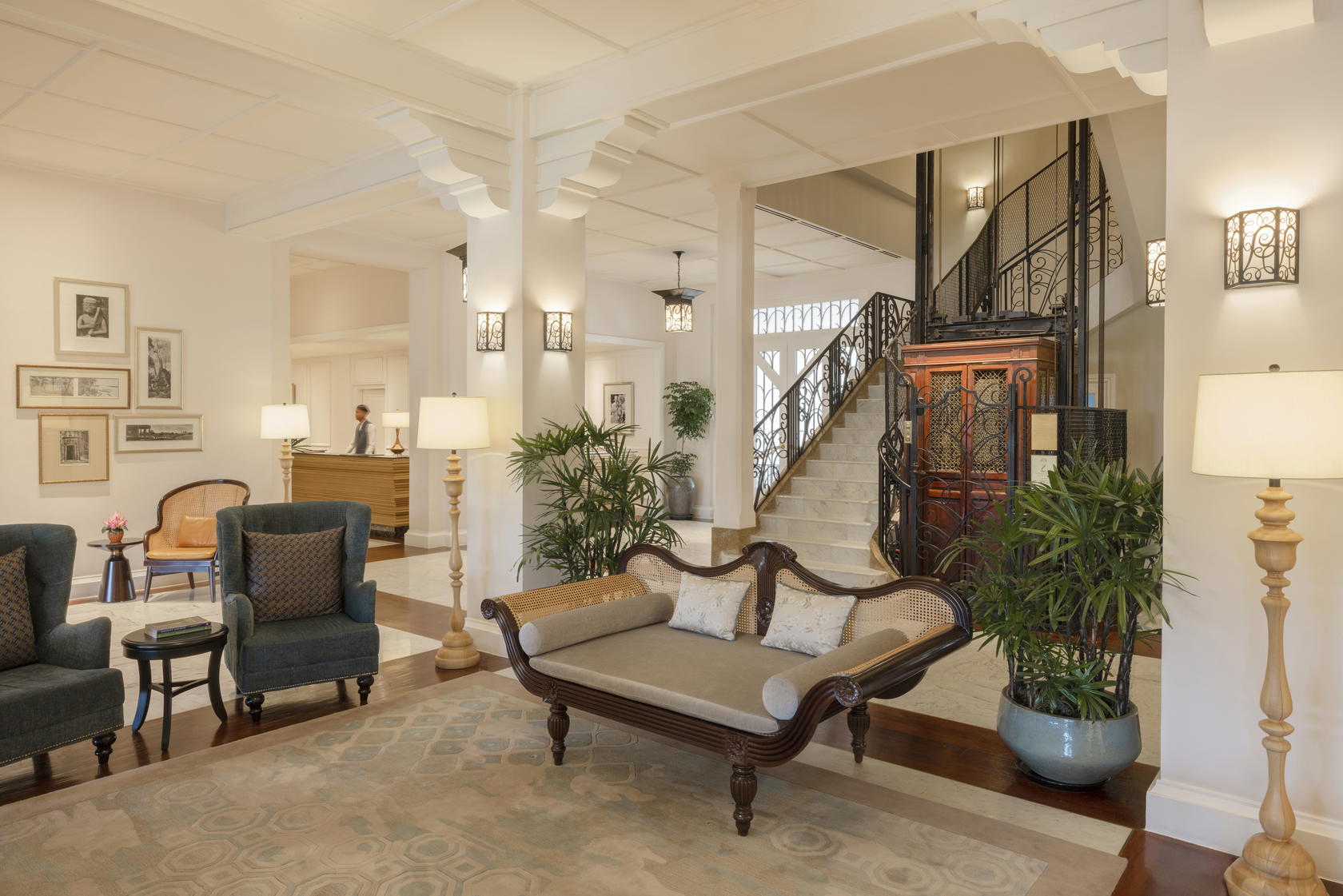
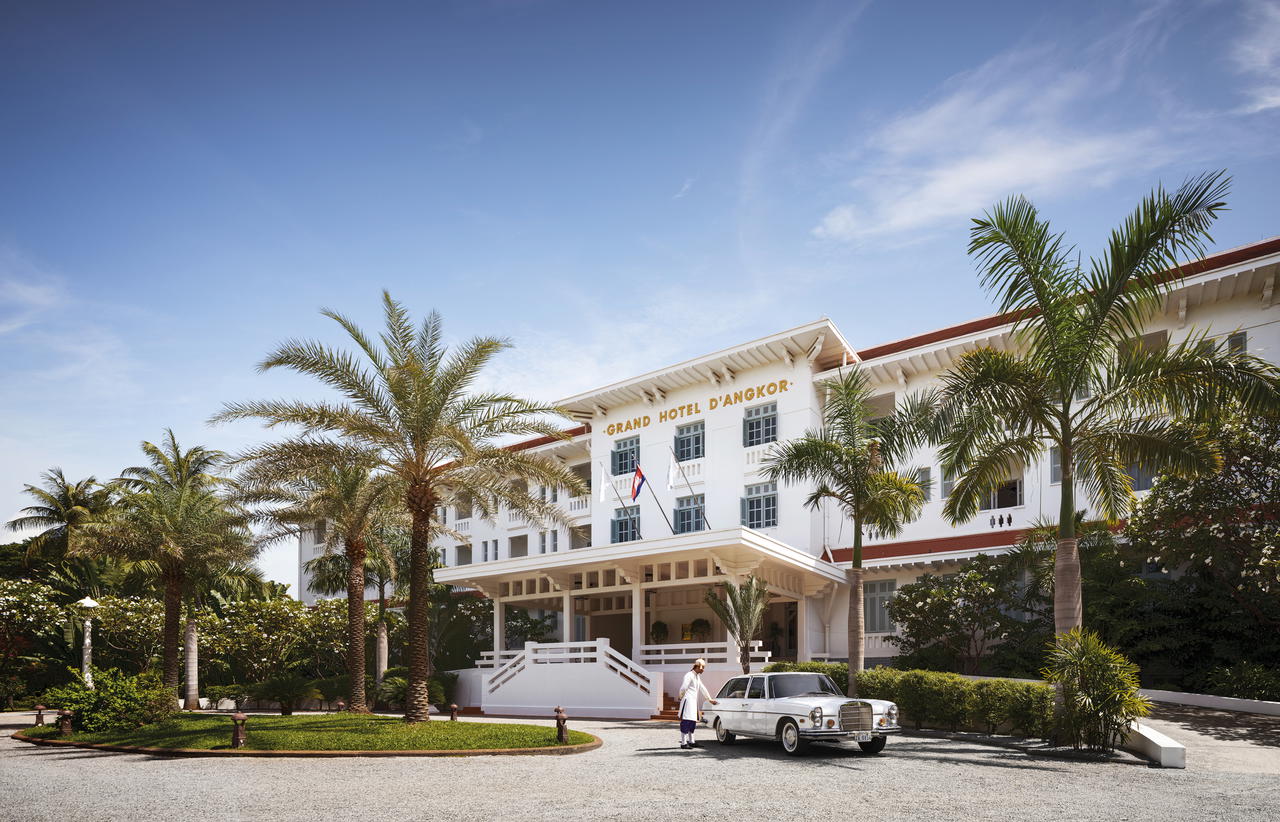
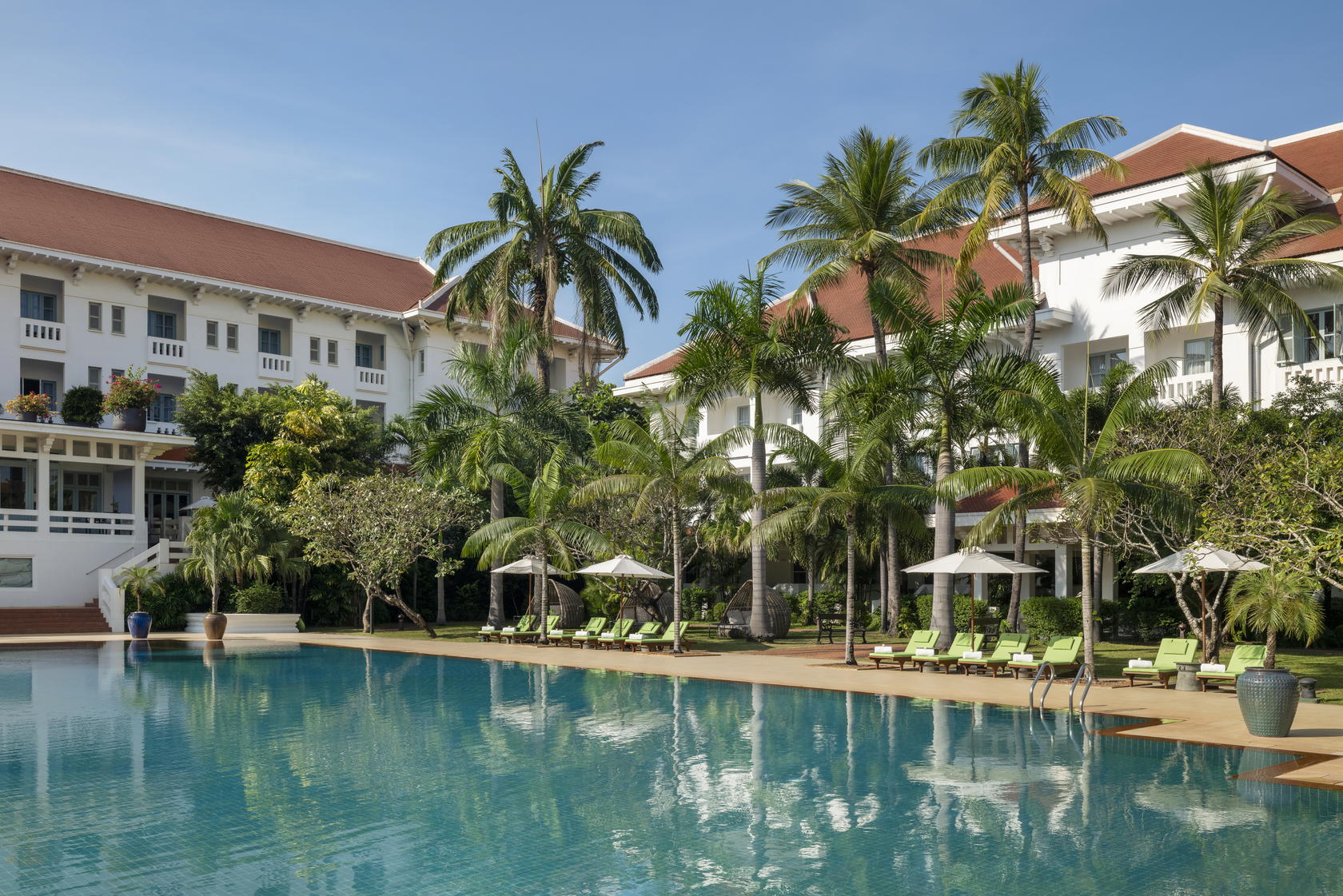
Just off the main road, the Raffles Grand Hotel d’Angkor rises quietly into view. Set away from traffic, it offers a calm, dignified base from which to explore the region’s storied ruins.
An elegant blend of Art Deco and colonial influences, the hotel was designed by Ernest Hébrard, who also designed Phnom Penh’s Hotel Le Royal. It opened in 1932 to welcome early explorers to Angkor Wat.
Restorations have been thoughtfully carried out in recent years. The rooms and shared spaces feel fresh and modern, yet many original features are still evident. An old timber-and-iron elevator in the lobby continues to operate, quietly linking the present to the hotel’s past.
On arrival, our butler welcomes us and swiftly escorts us to our room, where a tiny house lizard living in the bathroom is a small, but memorable incident for me. Being in the tropics, it wasn’t entirely unexpected.
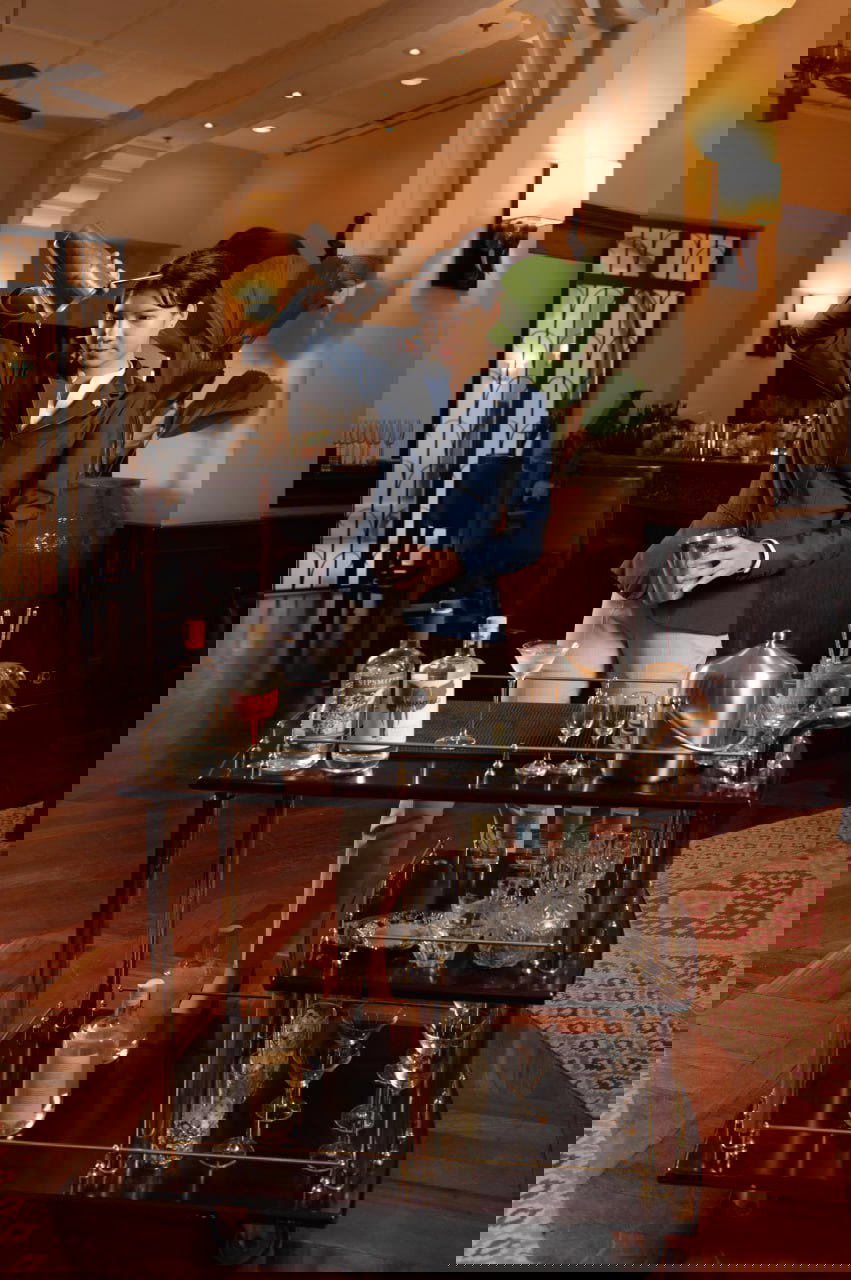
Our evening begins with a tasting session led by Gin Butler Nisha. She offers a lively, engaging introduction to local gins, blending easy charm with insightful banter. Among our samplers is Herbal Kulen Gin, distilled and infused with local botanicals in Siem Reap. Its peppery edge leaves a lasting impression.
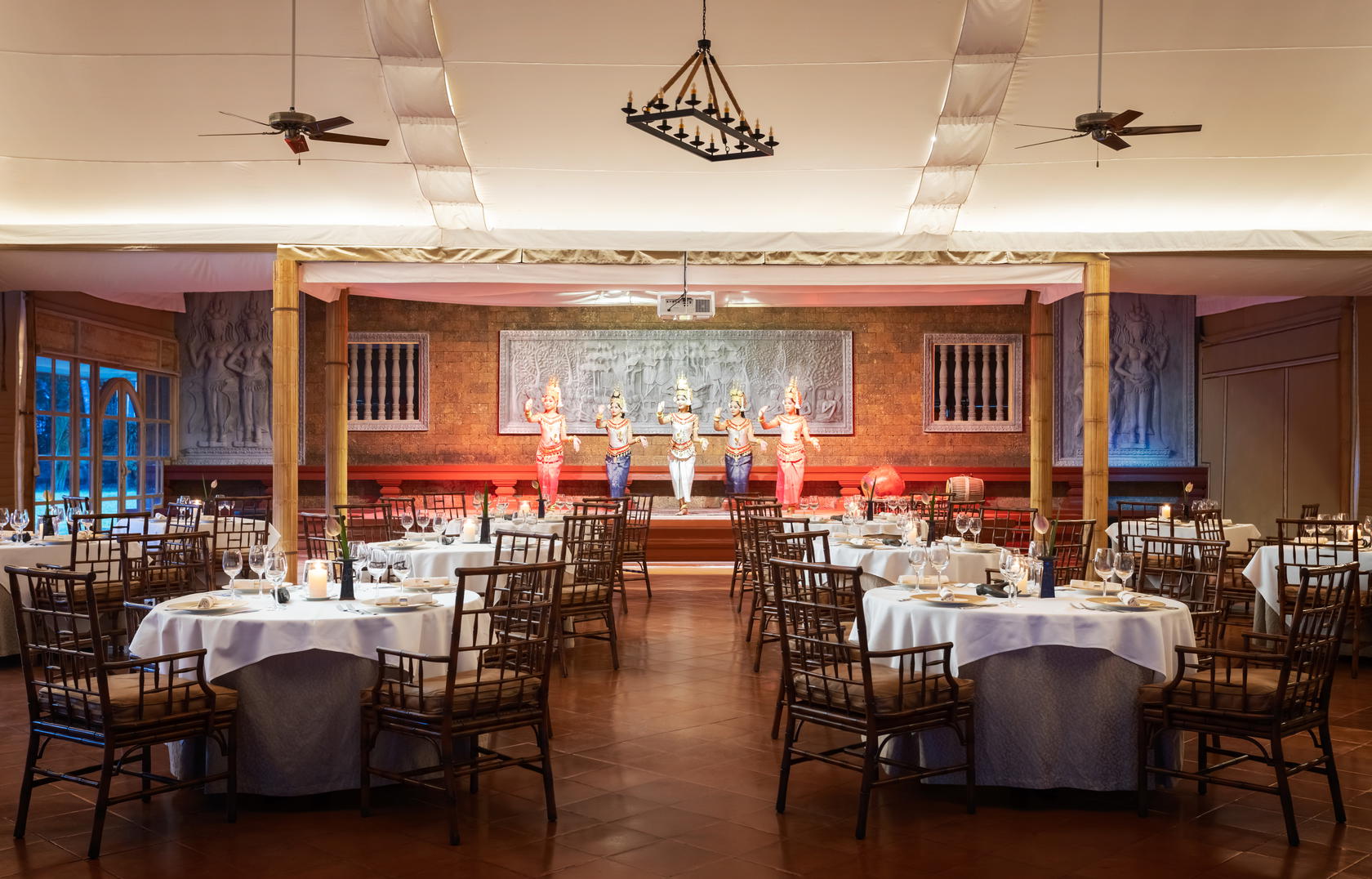
Afterwards, at Raffles Marquee, Cambodian royal cuisine is served along with wines and cocktails, while Apsara dancers perform. Tomorrow begins before dawn, so it’s an early night for us. Fortunately, the lizard situation had been quietly resolved by the time we returned to the room, thanks to a quick phone call to the butler.
Royal Ruins
A fleet of colourful Vespas waits just off the hotel lobby at 4am. Under a pitch-black sky, we ride pillion through the city, arrive at Angkor Wat’s moat, and sit in near silence until dawn.
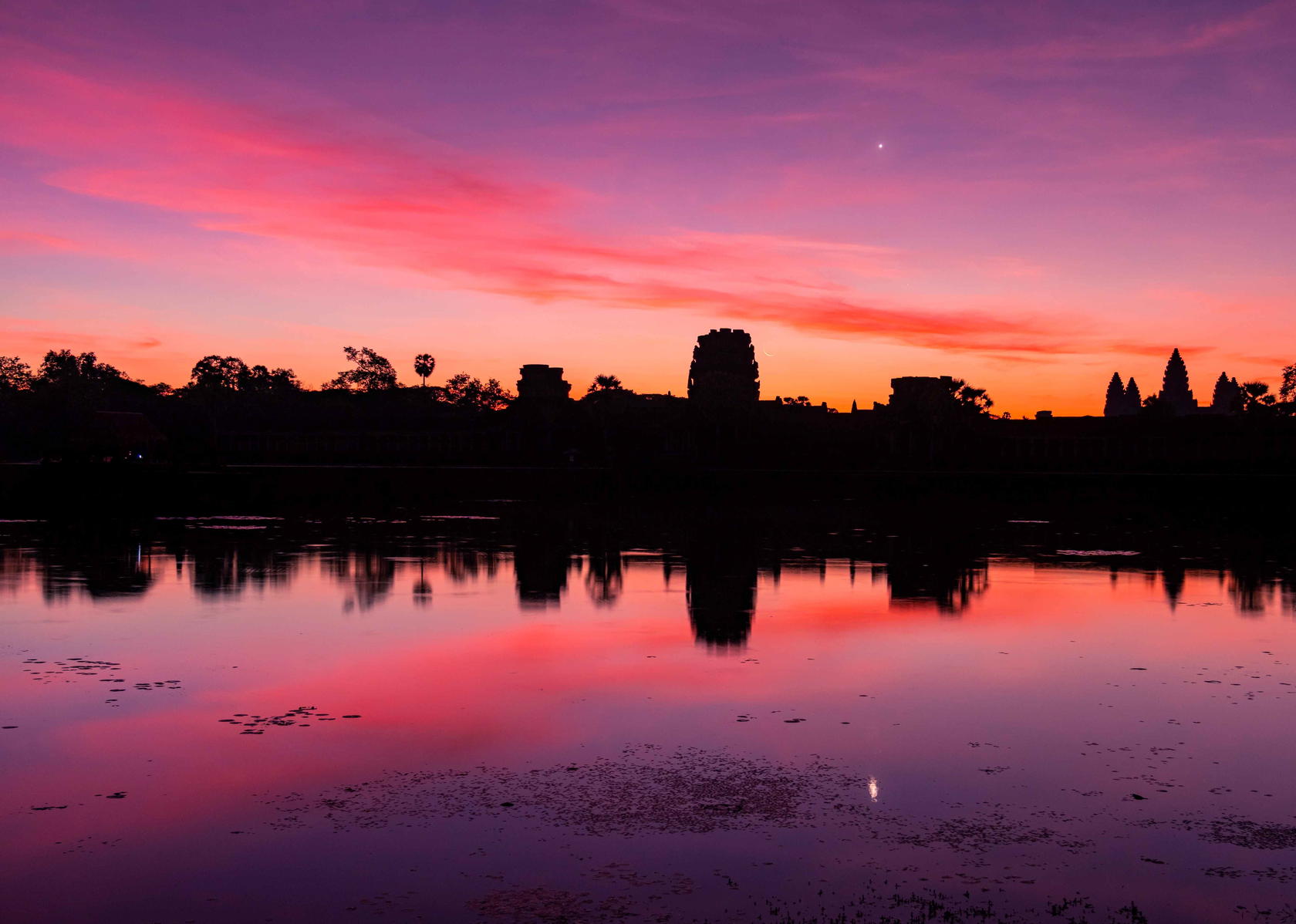
Then the earliest amber glow reveals the temple’s iconic towers, emerging slowly from the darkness. Within minutes, the sky turns a vivid orange as the sun rises and we begin our walk through the ruins.
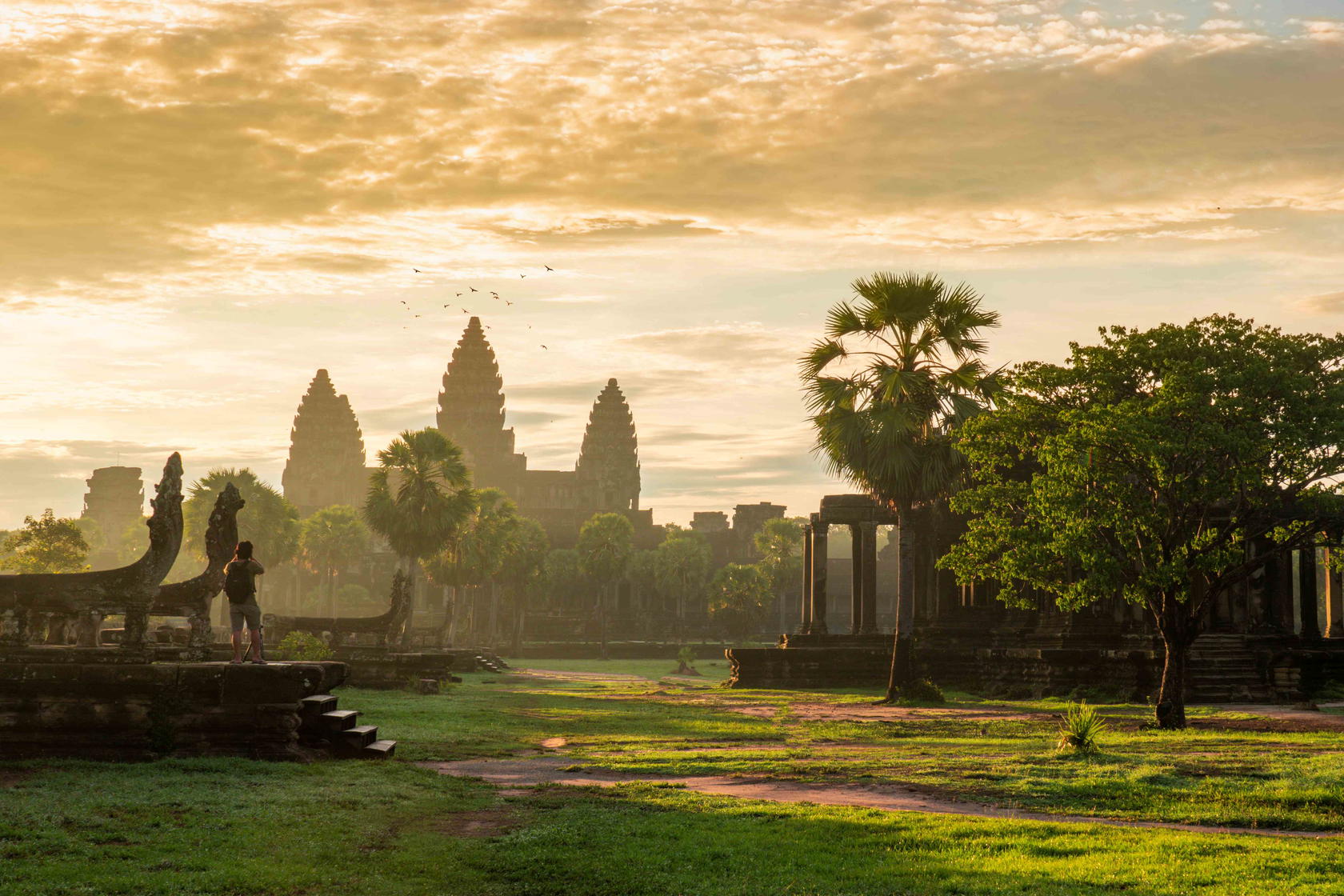
Seeing Angkor Wat in person for the first time is difficult to put into words. The architecture is precise and deeply symbolic, and its scale is immense. With carved bas-reliefs lining the galleries, vast stone causeways, and ancient water systems, the site’s complexity and ambition are staggering.
After the tour, our Vespa riders take us to a small wooden house nearby, where our butler has arranged a simple picnic. Cold towels, juice, coffee, and champagne await, along with pastries—a small but welcome detail. A soft morning light, surrounded by quiet generosity, heightens everything.
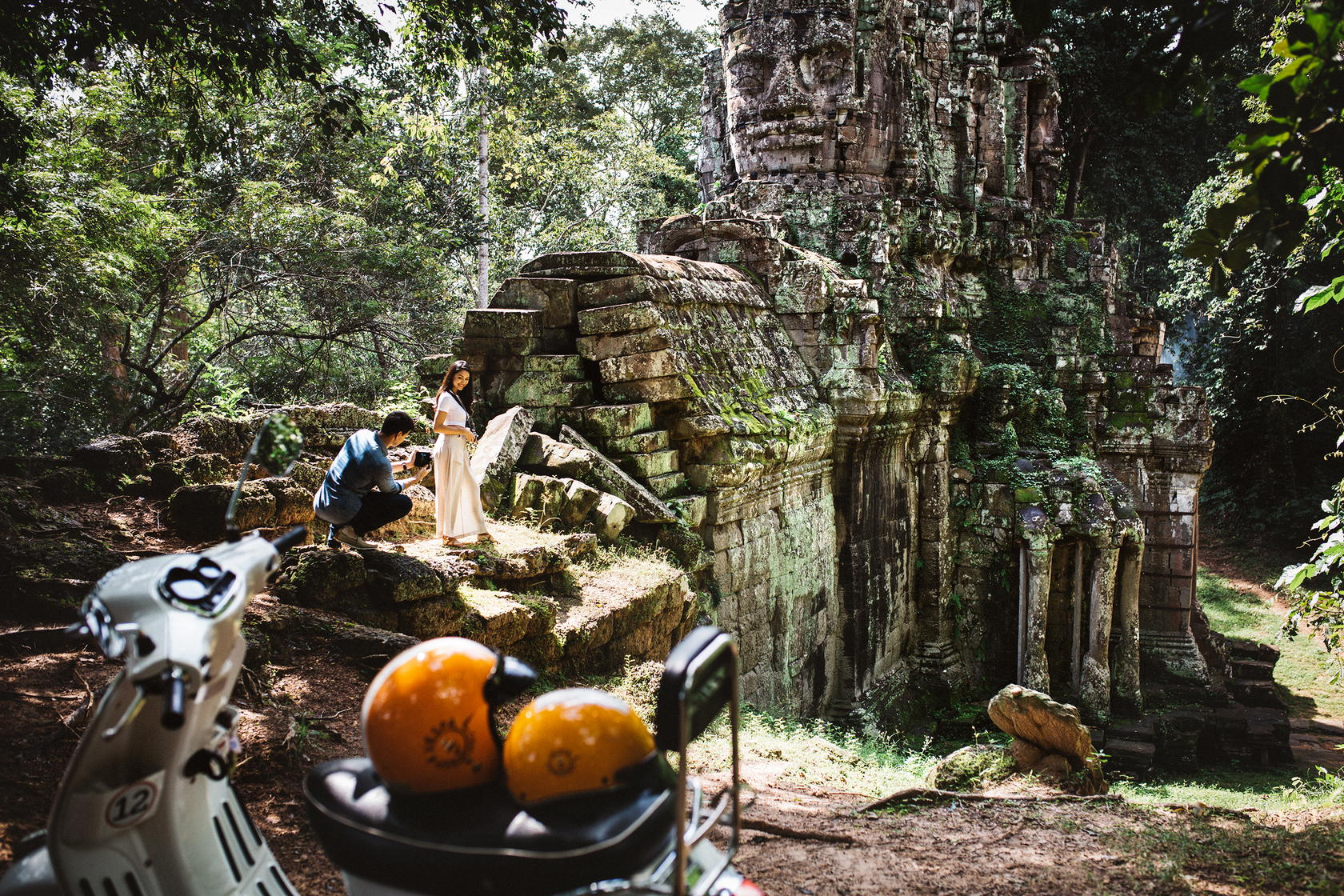
Afterwards, we visit Ta Prohm, often called the “Tomb Raider temple” because Lara Croft: Tomb Raider was filmed there. The roots of massive trees coil around the stone ruins like tentacles, as destructive as they are supportive, holding them together. There’s also something almost surreal about the maze-like layout, as if you’ve stepped into a game or a different era.
At midday, we return to the hotel for a light lunch—ceviche, a delicious asparagus quiche, and creme brulee to finish—at Café d’Angkor. The rest of the day is intentionally slow: massages at the Raffles Spa and reading by the pool.
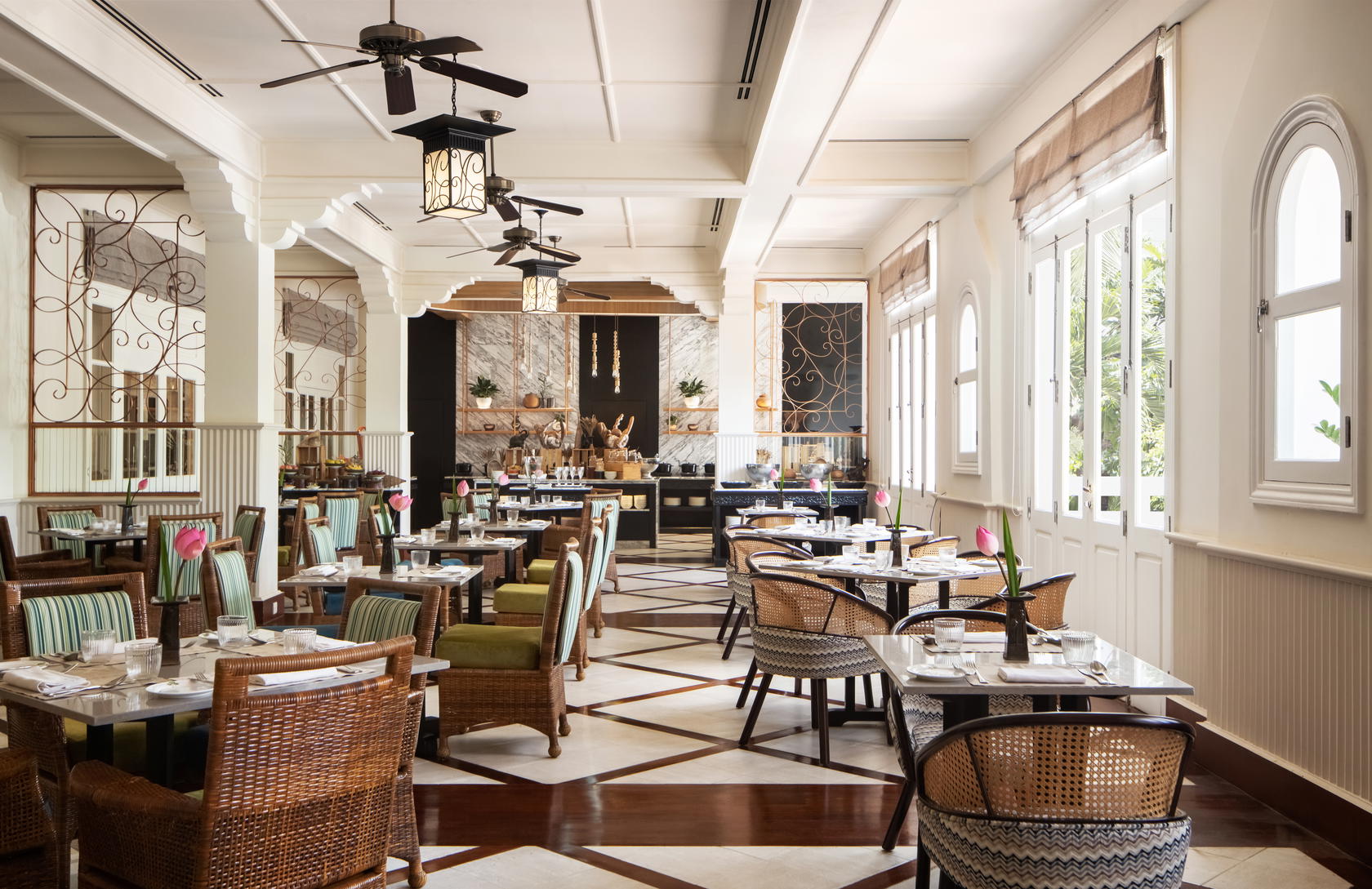
Dinner that evening at 1932 feels like a walk through Cambodia’s culinary history. It features dishes inspired by different decades, from the 1930s to the 1990s, based on archival menus. Mango salad, smoky roast chicken, tamarind dip—all the dishes are rooted in history while feeling sophisticated and modern. It’s a fitting way to close out our last night in Siem Reap.
ON to the Capital
The drive to Phnom Penh feels cinematic. The rice fields shift between green and gold, water buffalo graze lazily, stilt houses sit above lotus ponds, and children cycle along dusty roads. It feels as if the countryside is alive and full of motion.
Arriving in the city, Raffles Hotel Le Royal comes into view. Despite its grand scale, a colonial facade feels familiar. As always, the Raffles butler is waiting to welcome us—rooms are already prepared, luggage is discreetly tucked away, and a cool towel awaits right after we step inside. It’s a seamless, almost instinctive arrival.
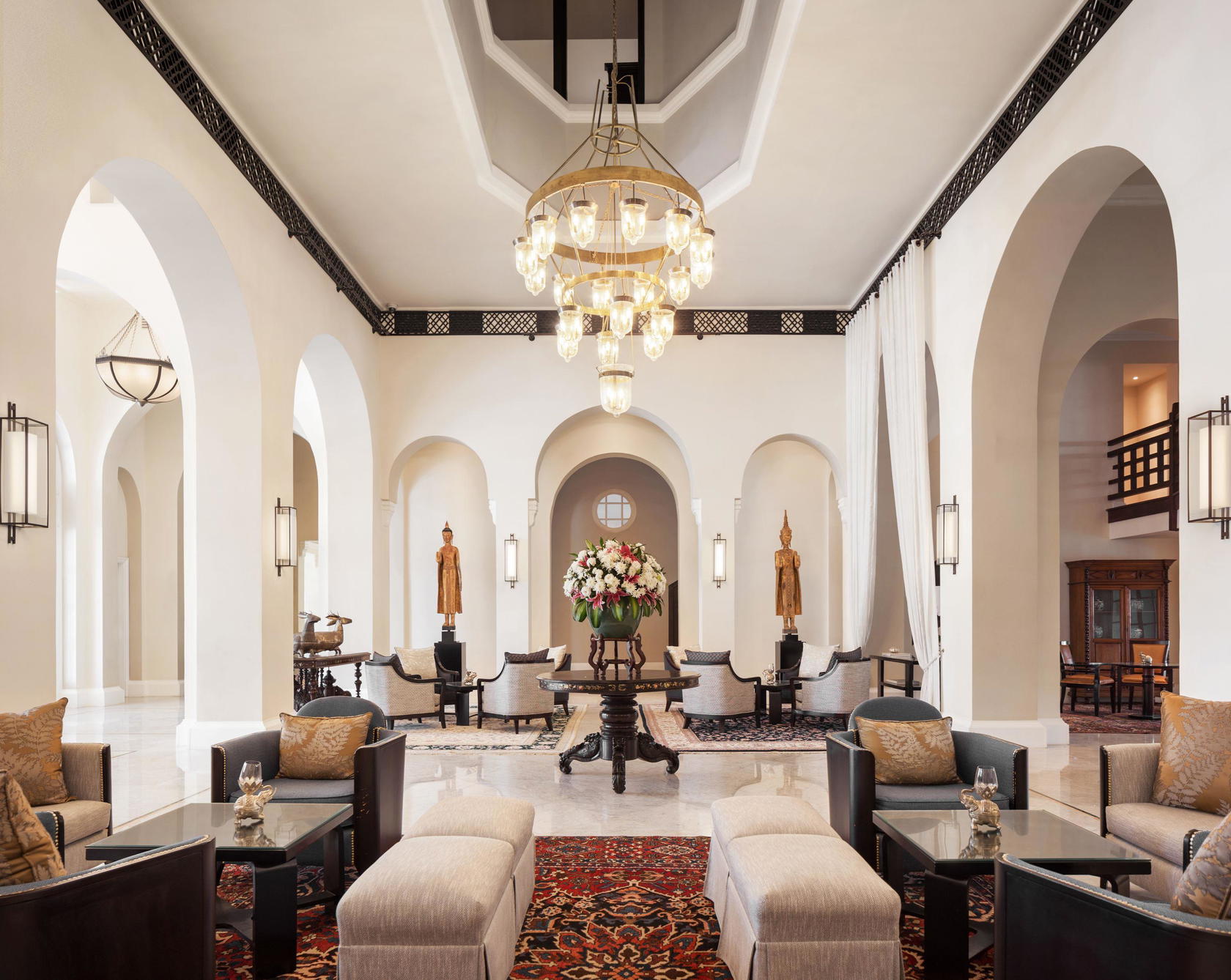
There is no set schedule for the afternoon, so I unpack, order light room service, and slow the pace. In contrast, the evening promises to be special. For dinner, our butler has secured a reservation at Chef Rotanak Ros’s intimate private dining room.
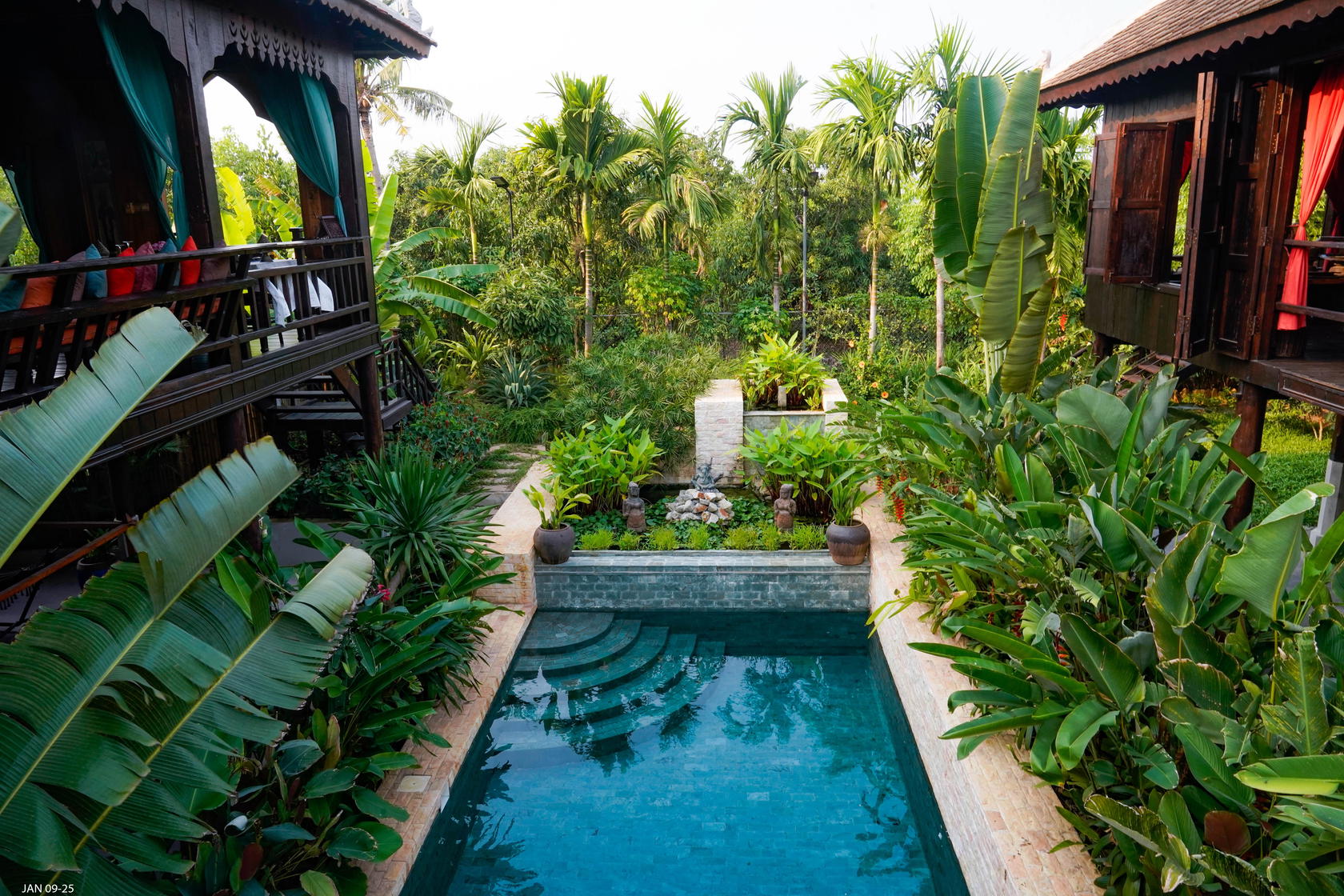
We arrive in a quiet residential neighbourhood after crossing the Mekong River. A pool divides two wooden homes relocated from Siem Reap and Battambang. The rooms serve as both a homestay and dining space, reflecting Chef Nak’s deeply personal approach to hosting.
With an all-female kitchen team, Chef Nak presents a five-course menu, each delicately spiced and precisely balanced. Beef La Tiang, essentially a curry, is served with crisp rice crackers. It’s mildly sweet, rich with coconut, and serves as a warm and generous start.
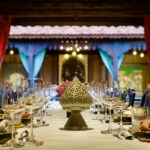
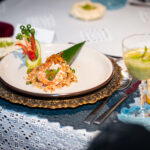
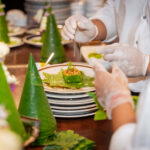
Throughout the meal, local ingredients take centre stage. They include Kampot seaweed in a salad of fresh herbs, nuts, and shrimp and tapioca pearls reimagined in a light, aromatic broth infused with Kampot pepper. It’s unexpected, restrained, and quietly elegant.
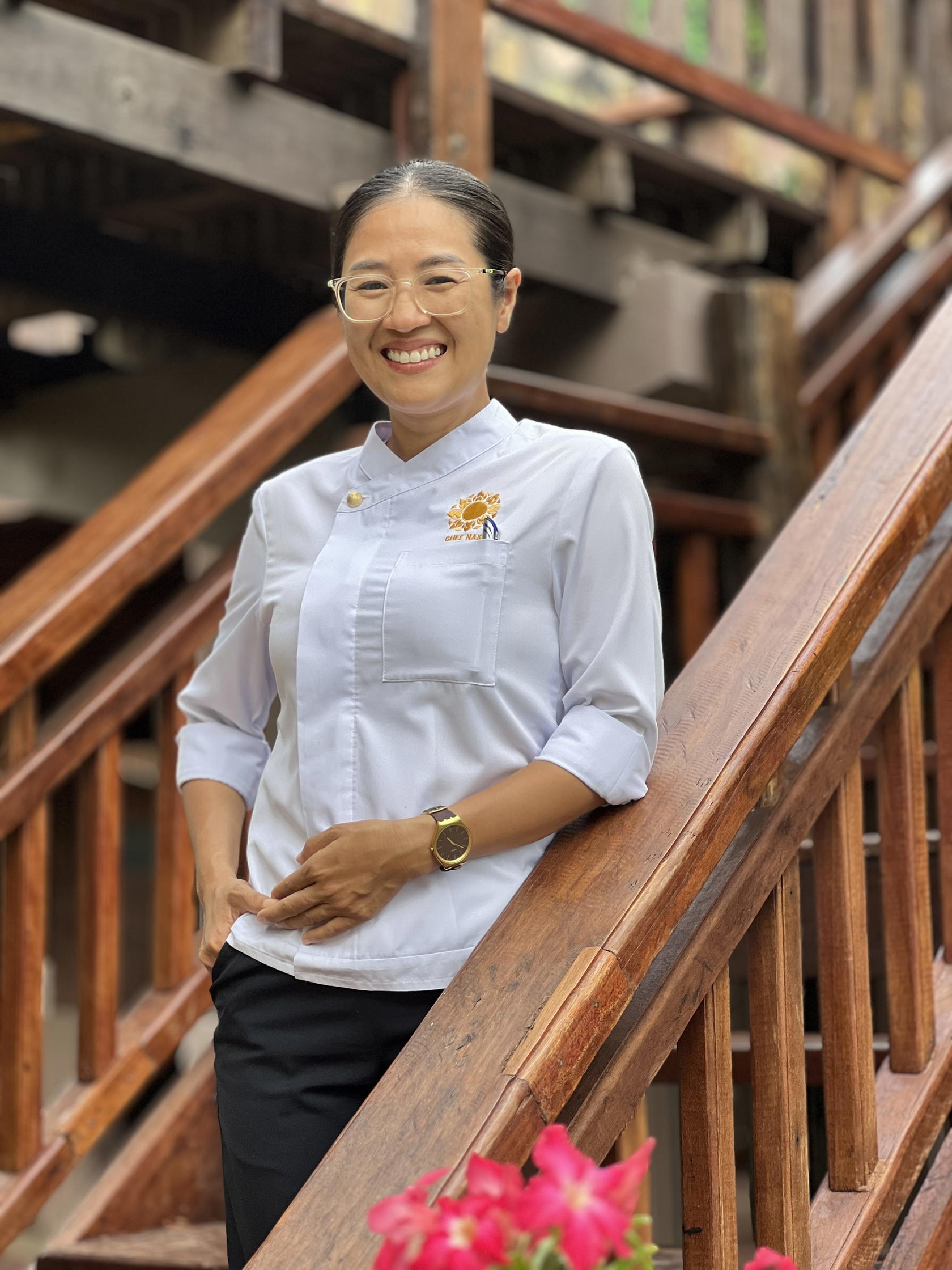
Chef Nak’s mission goes far beyond cuisine. Her dedication to preserving Cambodia’s culinary heritage, much of which was lost during the Khmer Rouge era, is matched by her efforts to create opportunities for women. Her food tells stories of resilience and continuity.
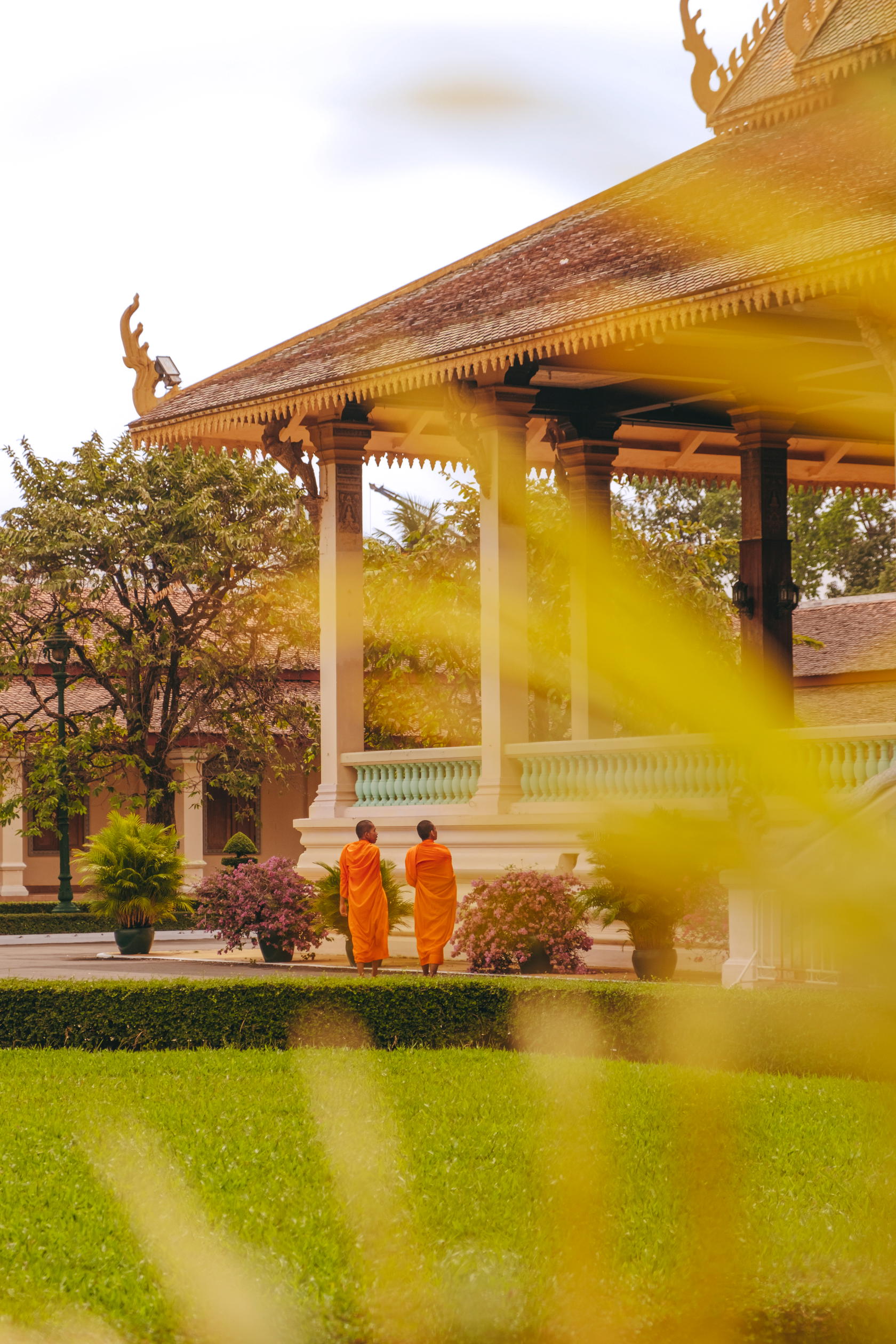
Our butler Adrien joins us for a final journey through Phnom Penh on our final morning. At the Royal Palace, we stroll through manicured grounds and marvel at intricate Khmer architecture with tiered roofs and intricate detail. In the National Museum of Cambodia, home to the world’s most important collection of Khmer art, we see pre-Angkorian sculptures and religious artifacts excavated from Angkor.
Of course, history sharpens the appetite. Lunch at Labaab Restaurant is exceptional; the bamboo shoot salad and grilled chicken stand out for their clarity and depth of flavour.
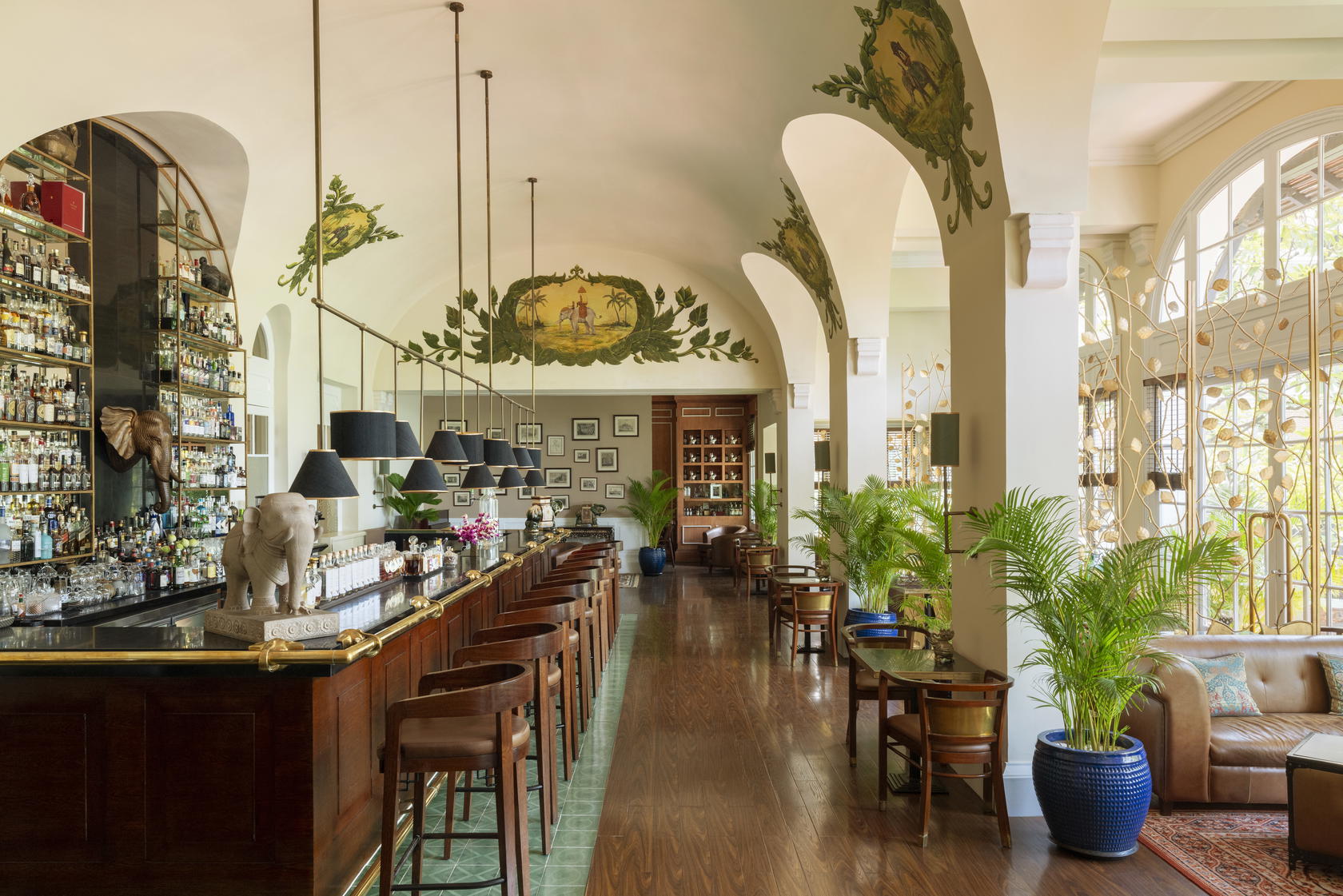
Back at the Raffles Hotel Le Royal, we finish the day with drinks at the Elephant Bar. There is a gentle buzz of conversation in the room, the lights are low. It feels like the right place to pause before departure with a Kaf Kaf G&T infused with kaffir lime and jasmine.
What stays with me isn’t just the temples or the hotels, but the consistency of care throughout the journey. Through its people, Cambodia reveals a country shaped by history and guided by warmth and intention.