

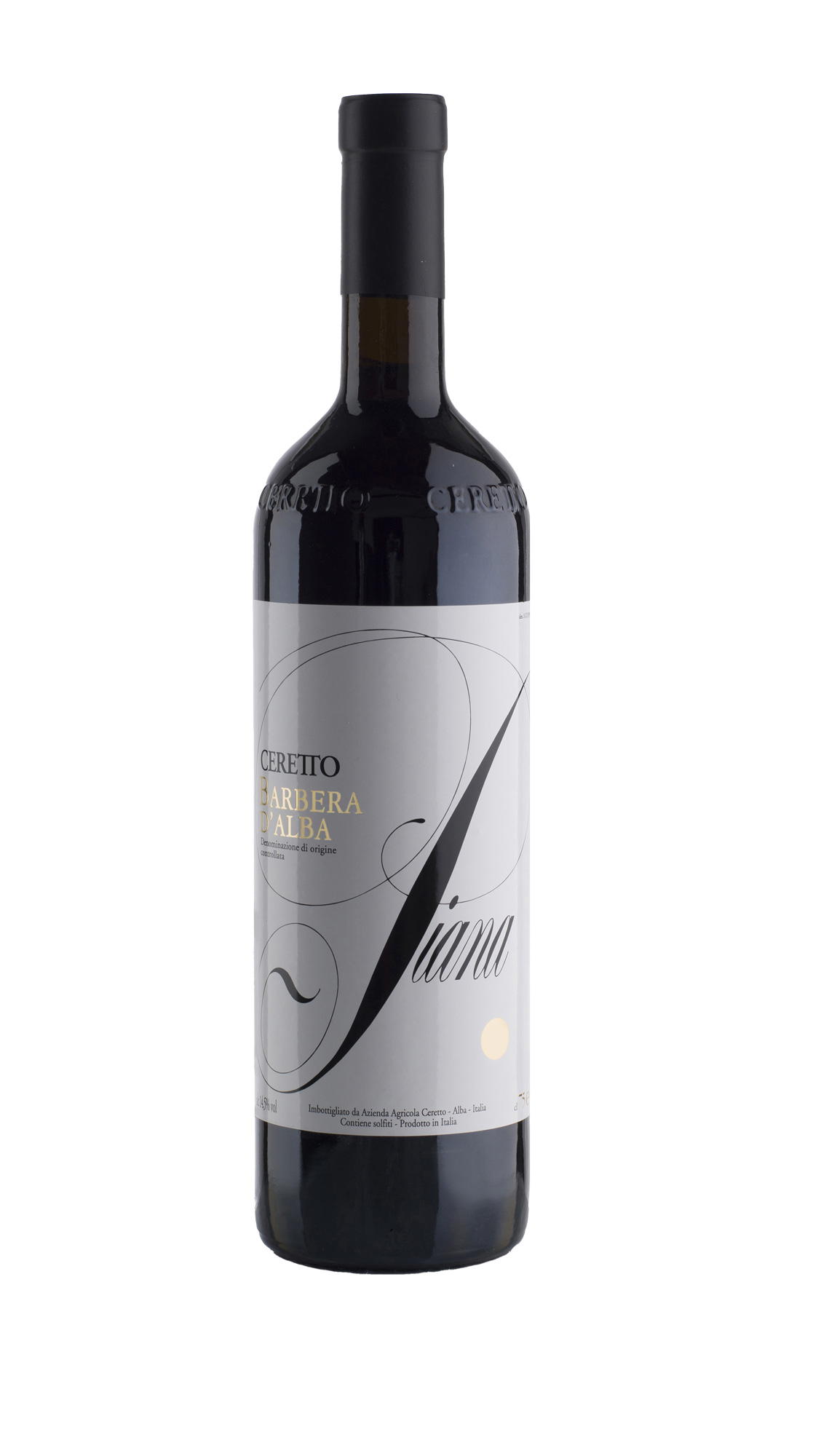
Some wine pairings can be forgettable. There are others, however, that linger in the memory long after the last bite and sip, like the Garganelli alla Salsiccia, a pork sausage ragout with taleggio cheese sauce, sweet paprika, and datterini (small, elongated Italian plum tomatoes) paired with the organic red Ceretto Barbera D’Alba Piana DOC 2023.
“Barbera’s vibrant acidity lifts the dish and manages the spice with style. It refreshes the palate while maintaining structure, just what you want from a pairing,” muses Marino Braccu, Brand Manager of Ceretto.
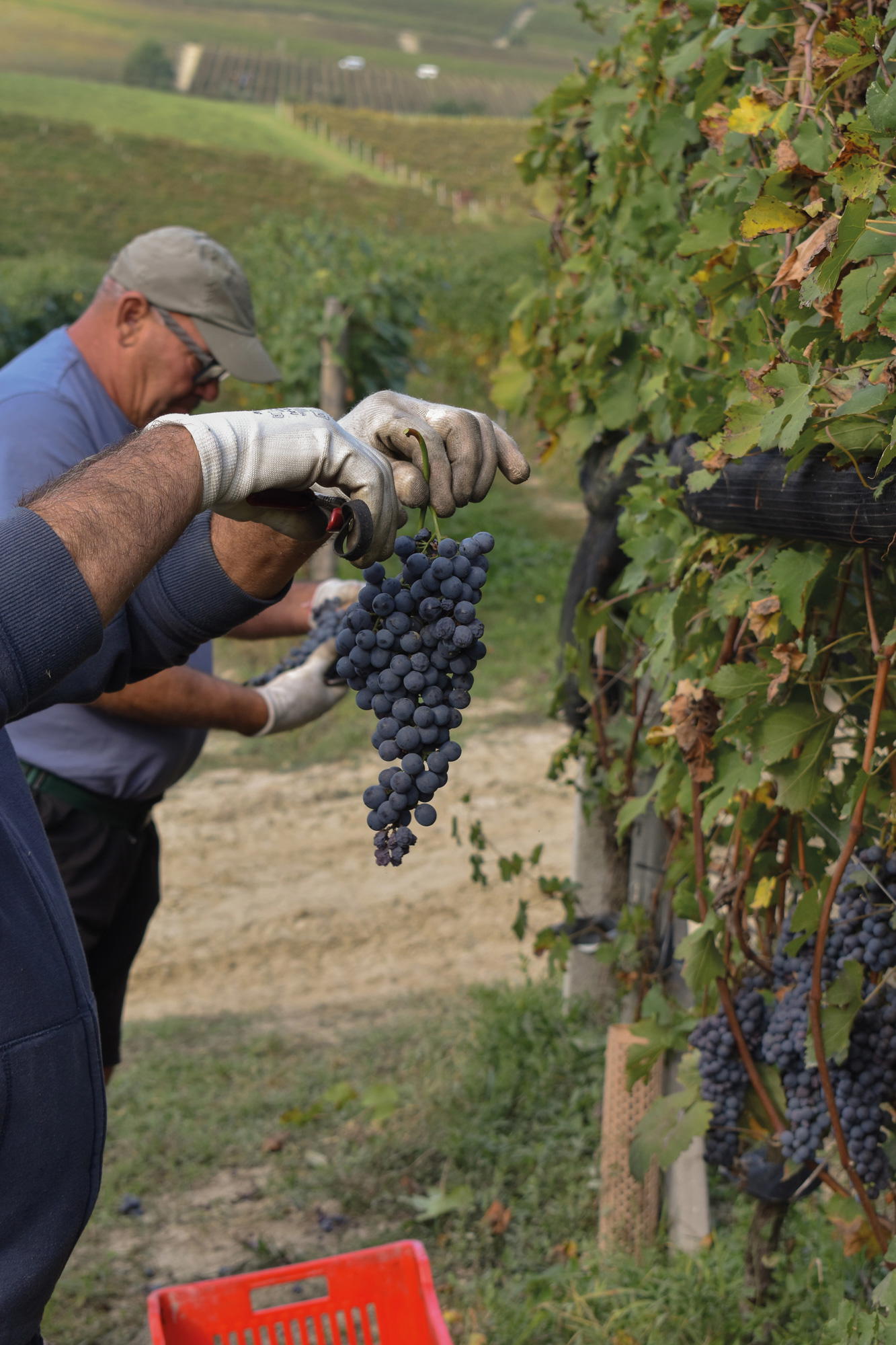
A pairing dinner should follow a clear progression, according to Braccu. “When working with Ceretto wines, we often begin with Ceretto Langhe Arneis Blangé DOC 2024 for its elegance and versatility. Then we move to a lighter red like Barbera and conclude with a structured wine such as Ceretto Barbaresco DOCG 2022 or Barolo DOCG 2021,” he explains. Wine should elevate the dish without overpowering it; balance is the priority.
In January, The St. Regis Singapore’s Italian restaurant, Sophia, hosted a one-night-only pairing dinner featuring five of Ceretto’s best wines. They included Ceretto Langhe Arneis Blangé DOC 2024, Ceretto Barbaresco DOCG 2022, and Ceretto Barolo Bussia DOCG 2020.
Founded in 1937, the multi-generational, family-run winery from Piedmont, Italy, is renowned for pioneering single-vineyard barolo and barbaresco reds. It ranked 19th among the 2025 World’s 50 Best Vineyards.
Braccu’s expertise spans fine dining experiences at Otto e Mezzo Bombana Hong Kong and Yu Ting Yuan at the Four Seasons Hotel Bangkok. His numerous awards include Outstanding Sommelier of the Year for Hong Kong, Taiwan & Macau (2018) and the Leccio d’Oro (Best Wine List for Brunello di Montalcino) from Consorzio del Vino di Montalcino in the same year. In addition, he played a key role in 8½ Otto e Mezzo Bombana’s ranking as Asia’s 4th Best Restaurant (2017).
Today, as the founder of Wineworks, Braccu helps wineries like Ceretto, Argiolas (Sardinia), and Tasca d’Almerita (Sicily) enter and thrive in the Asian and Middle Eastern markets.
When it comes to exploring wine pairings with Italian cuisine, he encourages curiosity and experimentation. “From a technical perspective, focus on structure: acidity, tannins, texture, and aromatic intensity. Acidity balances richness, and freshness offsets spiciness,” he says.
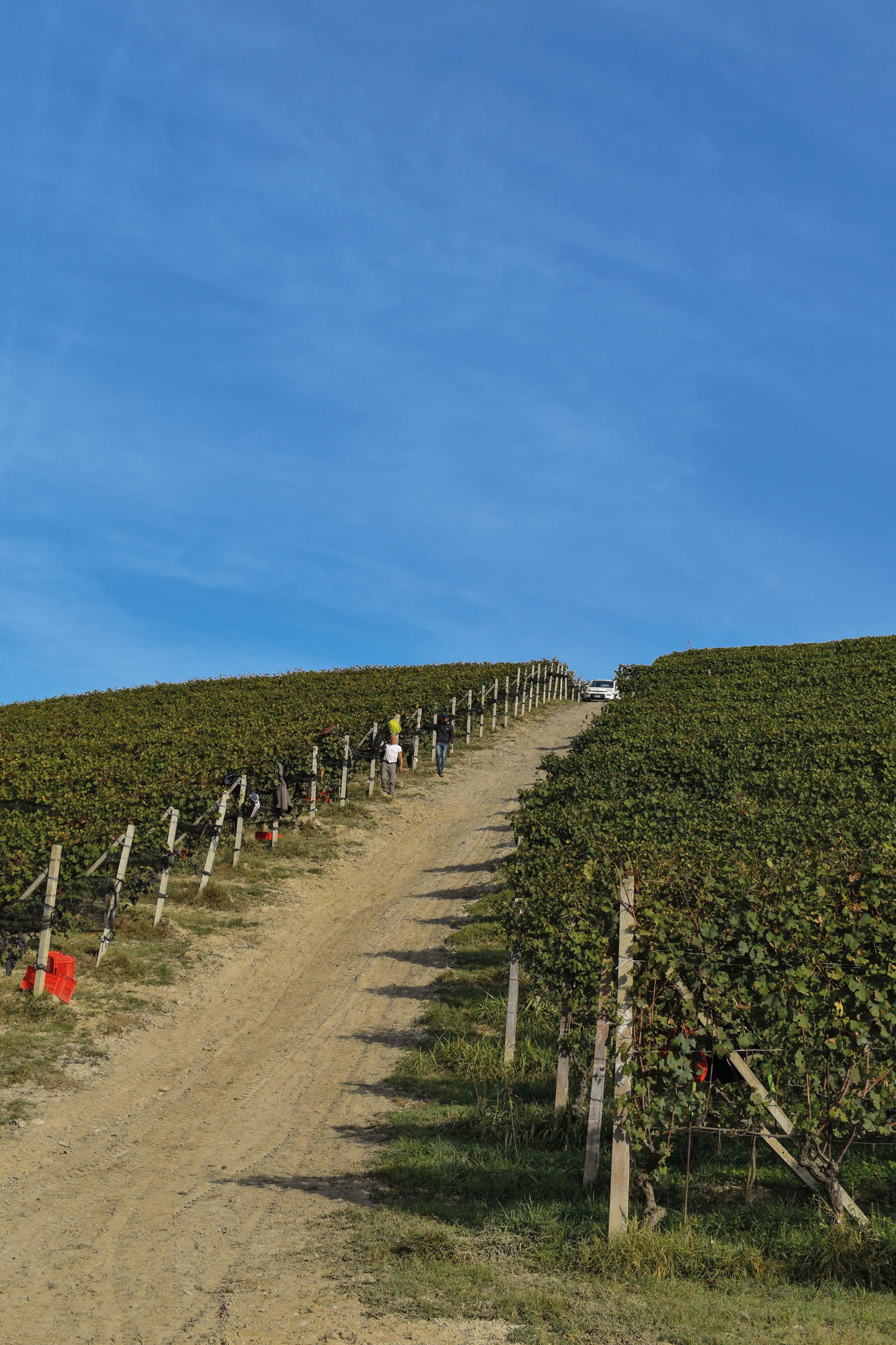
As consumers become more knowledgeable and open to classic styles, the demand for authenticity and origin—qualities that define Italian wine—rises. “Ceretto responds by staying true to its terroir and identity without chasing trends,” Braccu adds, showing how the right pairing can leave a lasting impression.
By “classic”, he means traditional wines that remain faithful to their territory and winemaking heritage. “Ceretto is a good example. Its Barolo and Barbaresco wines reflect their vineyards and are vinified with respect for tradition, including ageing in large Slavonian oak casks.”
With so many options in the world of wine, from classic to contemporary, it is only through experts like Braccu and sommeliers that one can achieve exceptional food and wine pairings.