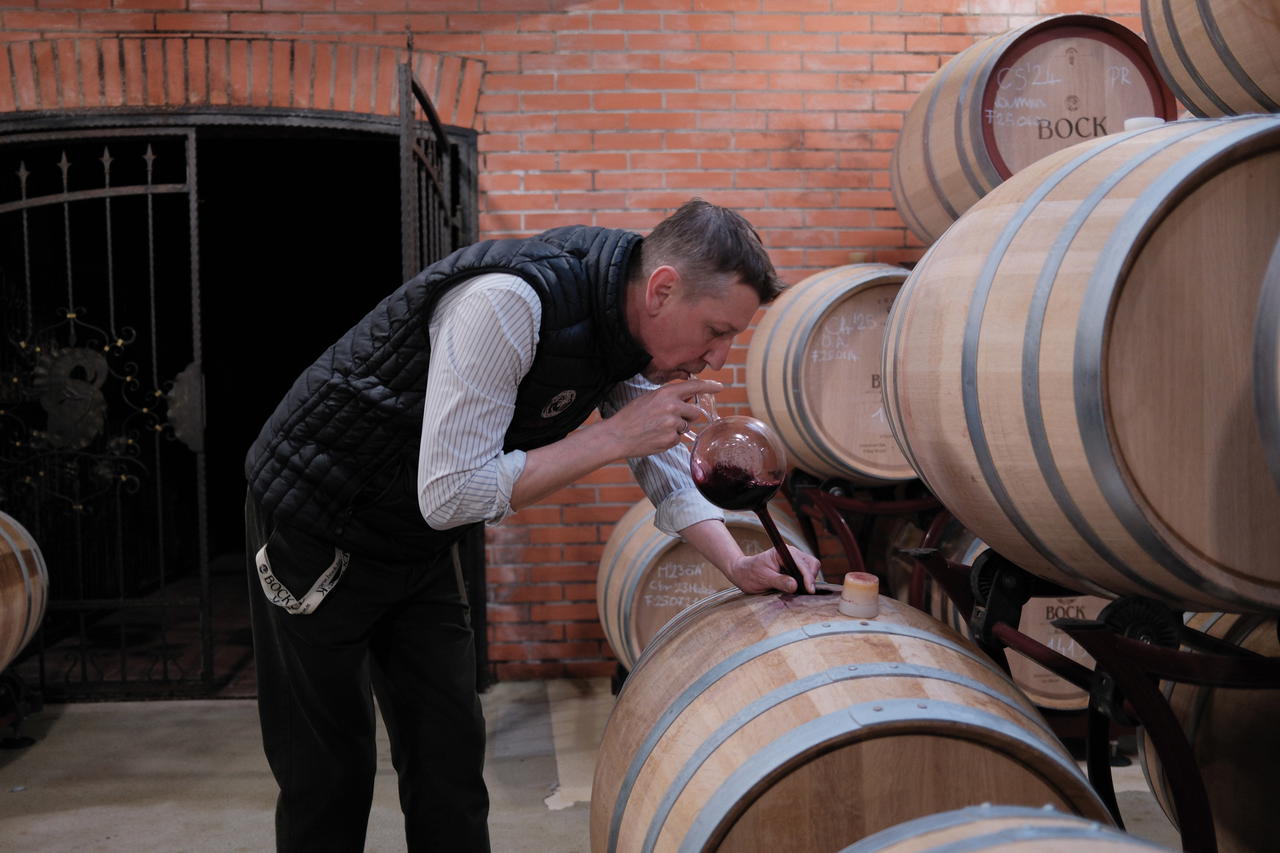
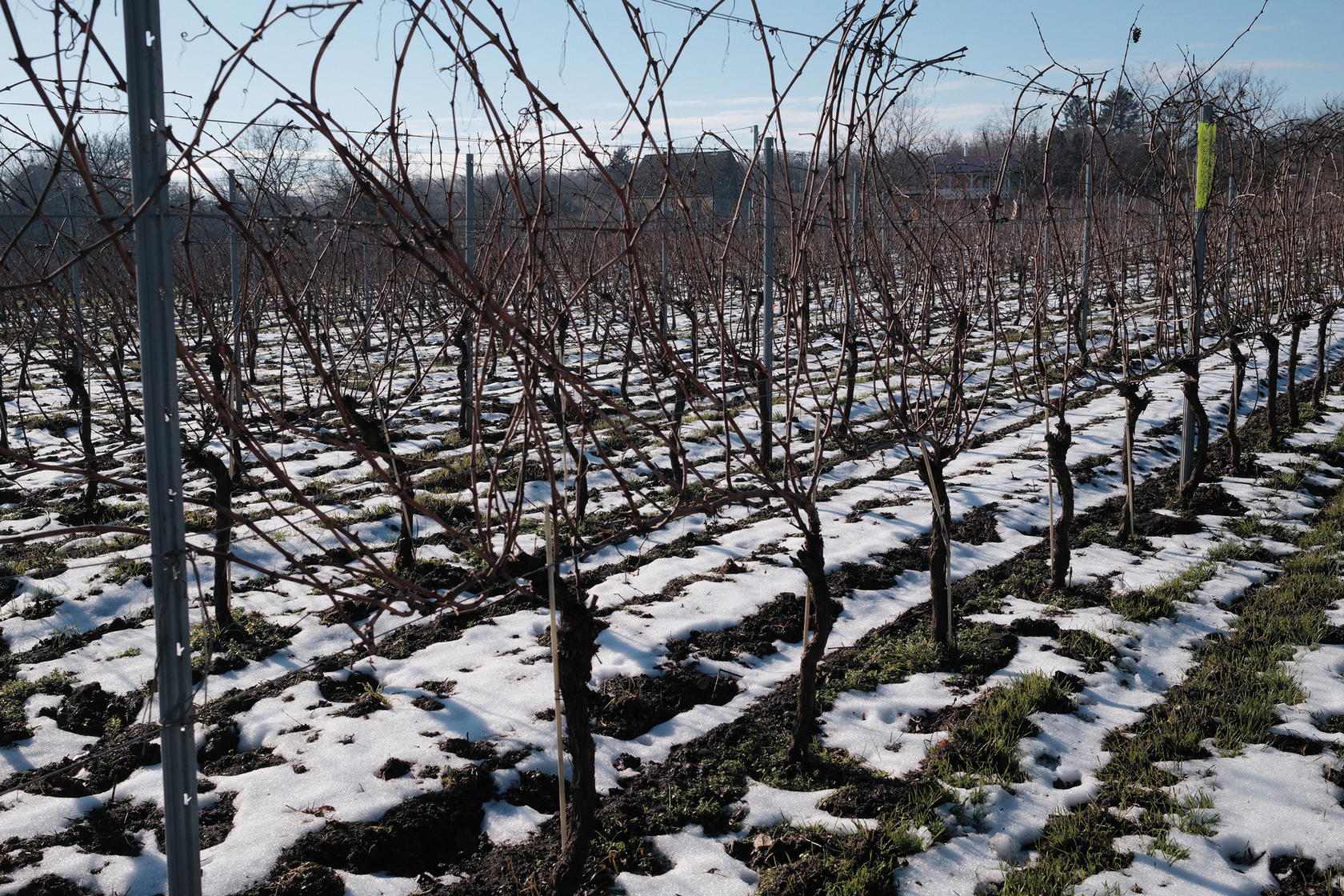
Tokaj in January looked nothing like the green vineyard grids on Instagram. Snow blanketed the steep vineyards that produce Hungary’s most prized wines, concealing the brown volcanic soil hidden beneath them.
With the Sommelier Association of Singapore (SAS), Vincent Tan, Wine Director at Odette and a certified sommelier, and I, a wine educator, branding and communications strategist and writer, set out for freezing Hungary. Our mission: to taste, evaluate, and select wines that will shape diners’ experiences six to 12 months from now.
What we did not expect was how often the producers turned the tables. During meals at their family homes, the same questions came back to us: Why Singapore? What is your approach? How do you educate your guests? We realised quickly that as these producers sell on allocation, we weren’t just assessing wines. We were being evaluated.
As an example, three-Michelin-starred Odette Singapore’s wine list goes beyond French wines, featuring global producers, including Hungary, chosen for their unique experience as well as their prestige. When diners open the leather-bound wine list, they are holding the result of decisions made months or even years earlier—decisions shaped in cellars thousands of kilometres away, over shared meals and late-night palinka (a traditional fruit spirit) with producers who had the option to decline.
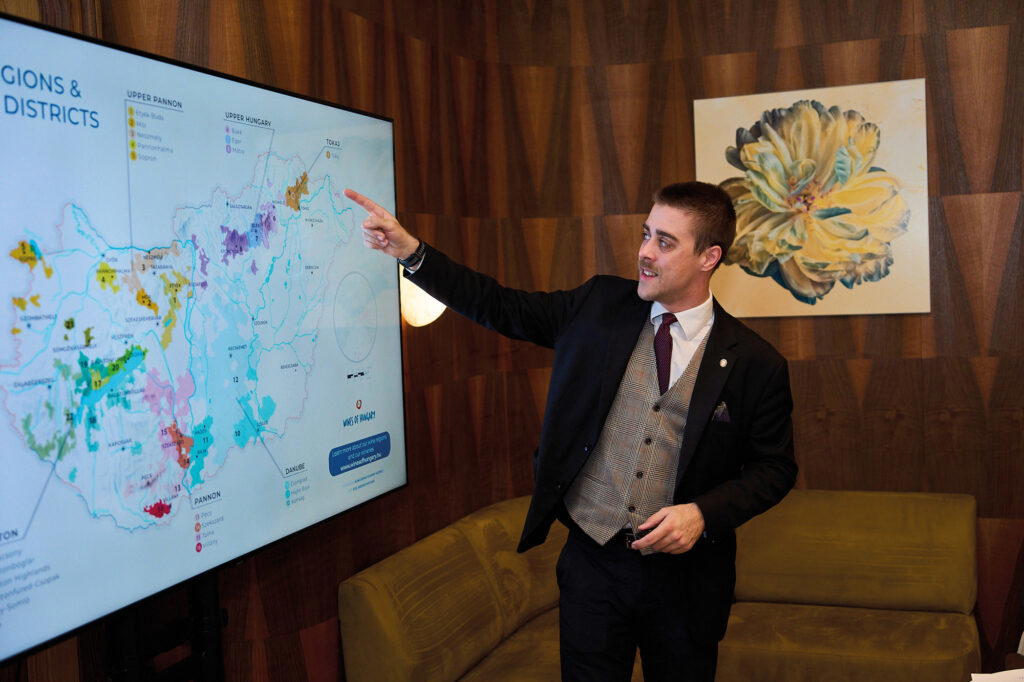
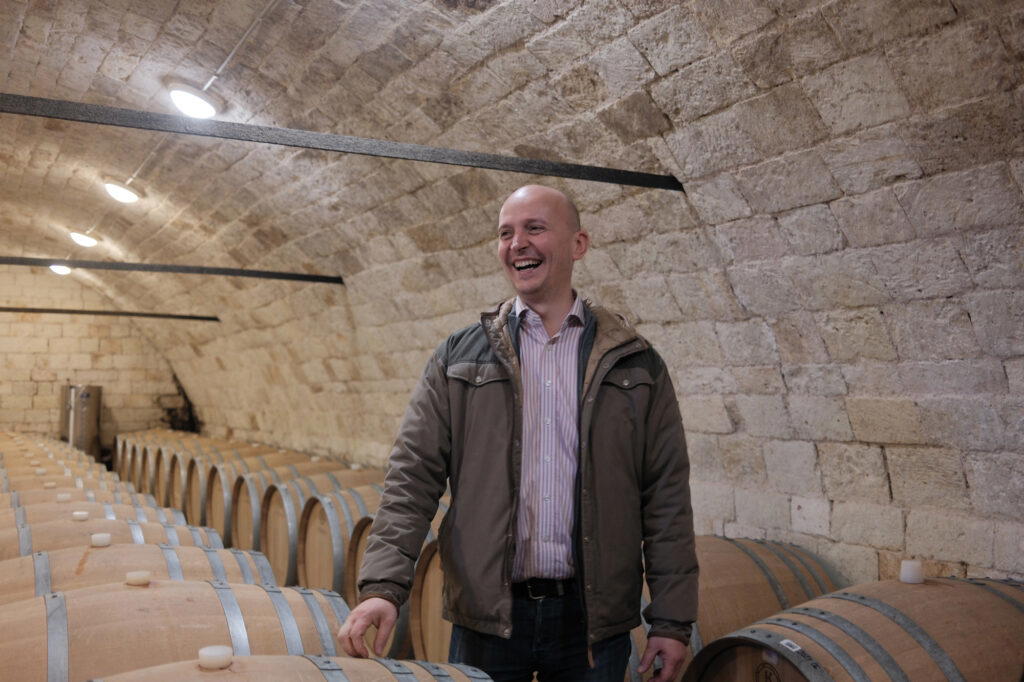
Uncovering The Unknown
This process begins long before the wine reaches us. Trade tastings in Singapore serve an important function, but they are self-selective. Generally, most producers reach the city-state through importers’ portfolios, which are shaped by priorities different from those of sommeliers, often due to their financial resources or sales volume.
For family growers managing small plots, the arduous journey to Singapore is often impractical. These passionate winemakers work quietly, selling on allocation to a small circle of early supporters who closely protect these connections. If we want access to these producers, we must go to them.
Wine of the highest quality is not defined by flawlessness, but rather by intentional decisions.
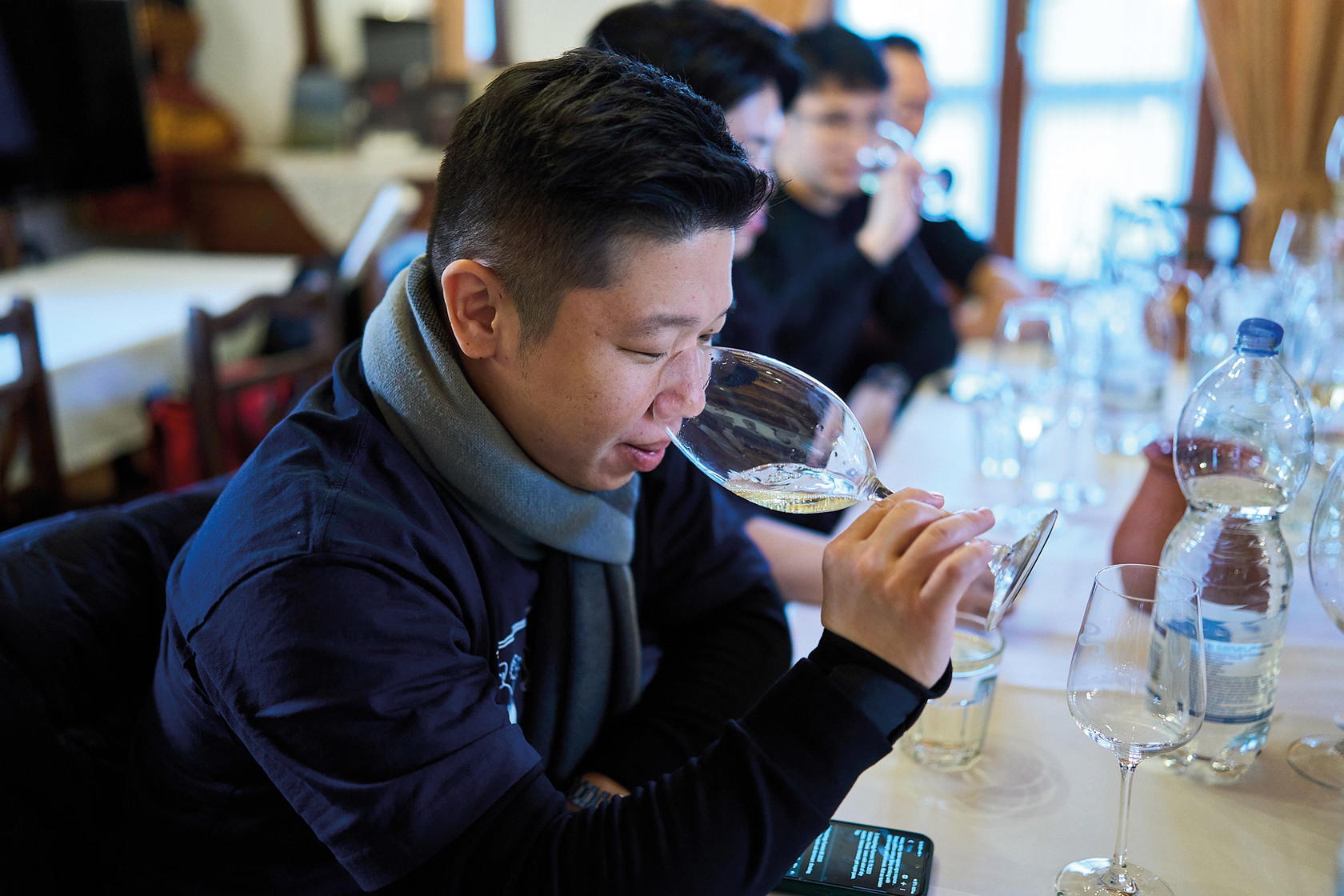
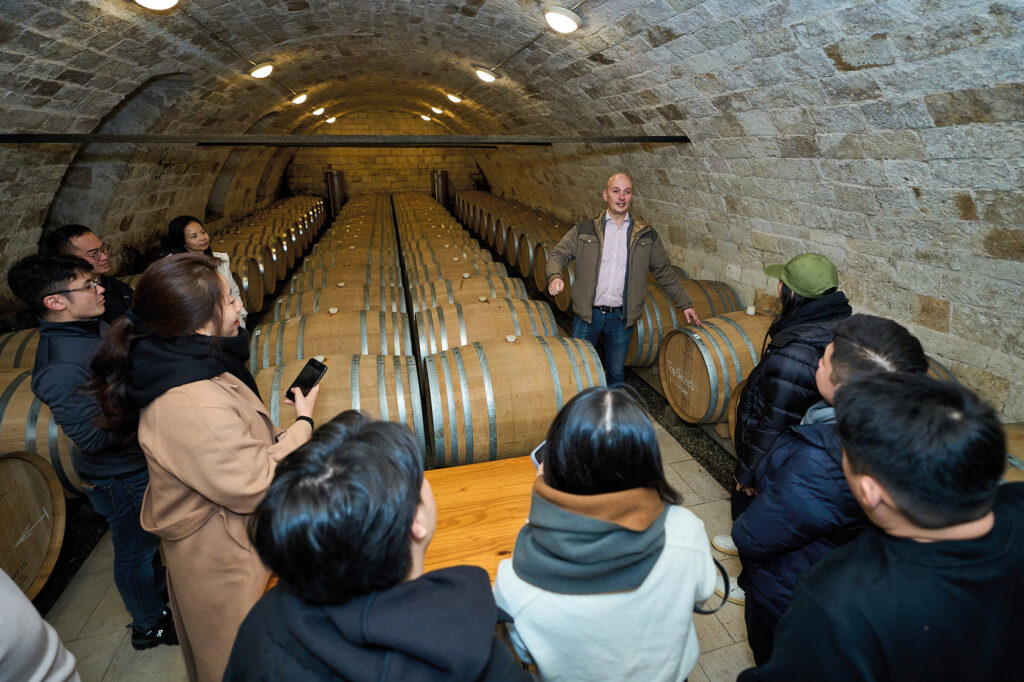
For Dávid Novák, one of Hungary’s top wine professionals and the sommelier at Virtu Restaurant in Budapest, word-of-mouth is important: “Instead of relaxing on beaches, we spend our days walking through freezing vineyards.” Adding to that, Gerald Lu, President of SAS, said, “Getting dirt under your feet, the wind in your face and the smell of the land cannot be replaced by literature, even at its finest.”
Wine resists translation. The first barrier is language and cultural context; the second is importers’ interpretation and knowledge. A great deal of what matters most is rarely documented: vineyard details, vintage decisions, and the philosophy that only surfaces over a shared meal.
Of course, the experience of being present is worth its weight in gold, too. “My participation in this programme has corrected many gaps and outdated misconceptions that are difficult to resolve from afar,” shared Joel Lim, Wine Director at The Connoisseur Collective Group.
Attunement Over Assessment
The discovery process is just the beginning. Choosing which wines to include on our lists is another complex matter entirely. Wine of the highest quality is not defined by flawlessness, but rather by intentional decisions, what some might call deliberate idiosyncrasies. Also, while consensus in wine is rare, alignment ultimately determines our selection.
“Beyond the technicalities, we observe the winemaker’s connection to the product and how the label reflects those values,” offered Bálint Merk, a sommelier at the Four Seasons Budapest.
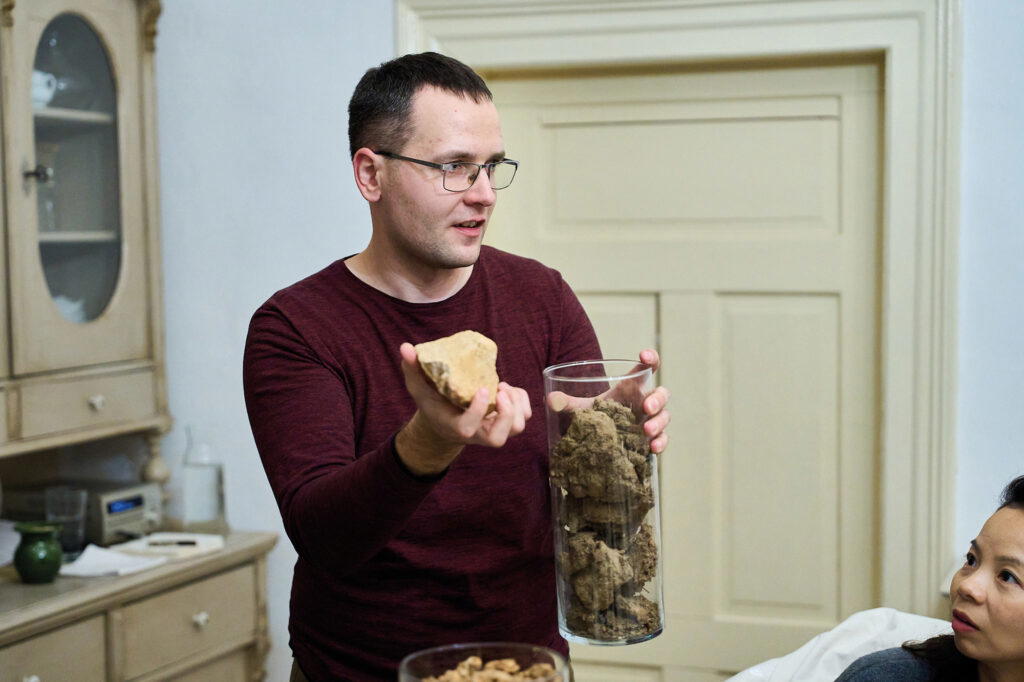
Additionally, as we assess the wines, the producers also scrutinise us. Limited allocation producers are selective. For some, being listed in a Michelin-starred restaurant is only the baseline. “The personal experience and impression are key, but we must meet more than once before reaching an agreement,” explained István Szepsy Jr, an 18th-generation winemaker of Szepsy Pince in Tokaj, Hungary’s most prestigious estate.
Emerging producers face different stakes. “Don’t just let them taste wine,” said Ádám Tóth of Barta Pince. “Show them the mud on your boots, your vision, and the passion that makes you go out to the vineyard every morning. This is what cannot be bottled.”
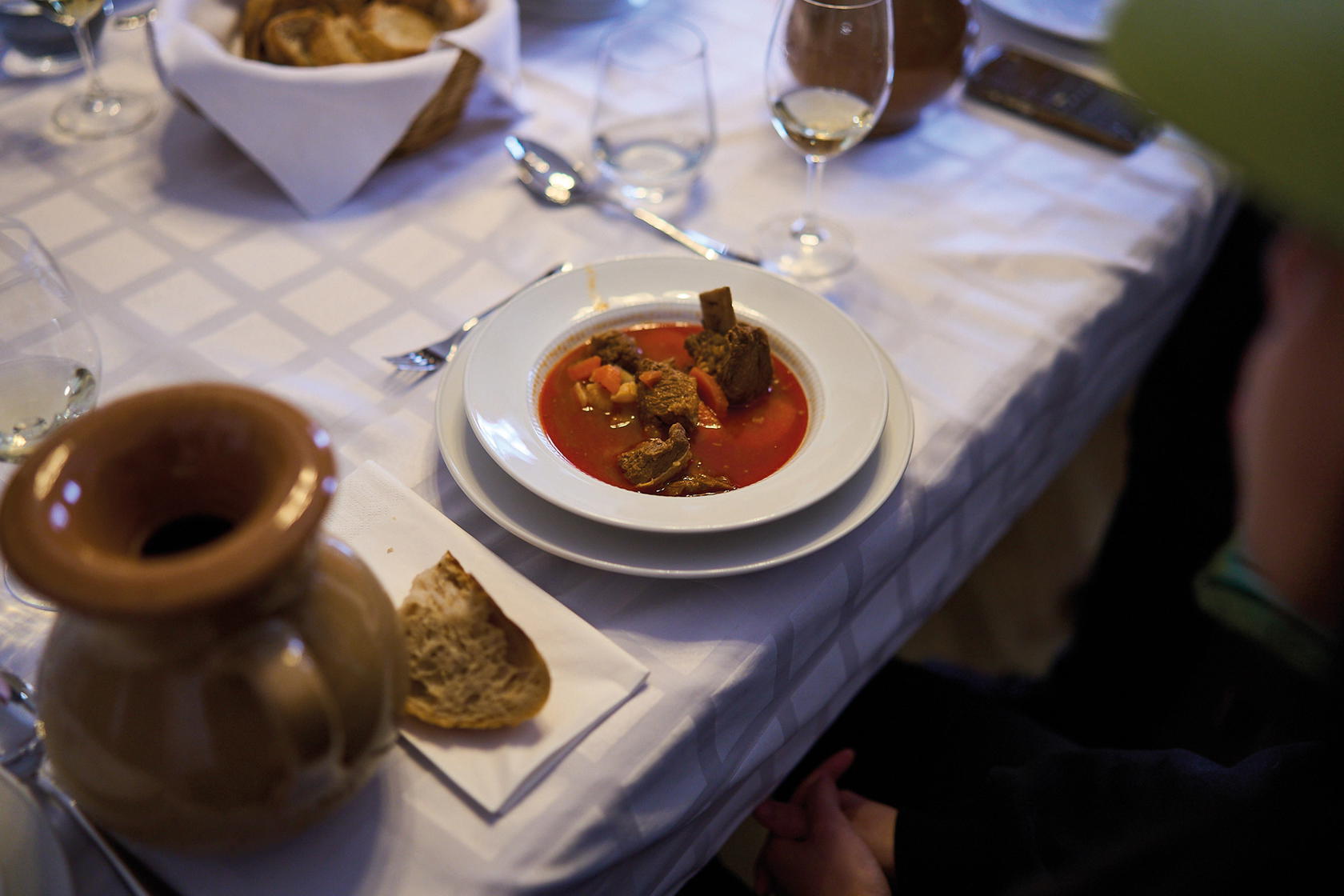
Inside his family dining room, Szepsy poured generously, the table still warm from the goulash he’d cooked for us. While Vincent set his glass aside and began serving, I continued writing vigorously across the table. With bottles from single plots—some as small as two rows of vines—within his most prized vineyards, including a still fermenting Eszencia (a hyper-sweet, low-alcohol Hungarian dessert nectar), these wines are extremely intentional about whose hands they will reach. The hospitality was sincere, as was the assessment of our intent.
Outside the cellar with our heads buried in scarves, Vincent suggested bringing Szepsy’s wines to Odette. Long before he spoke, I had seen that decision forming in his mind. A smile spread across my face as I glanced up at Vincent. It hung between them for a moment. It was a request, but also an understanding of what it would mean. Szepsy nodded at Vincent, then gazed at me. I nodded without words.
The Work Back Home
Once the relationship is earned, the work shifts back to Singapore—to the team, and ultimately to the diners. Today’s wines did not arrive without effort on Odette’s list. They represent trips taken in lieu of holidays, flying off after service and returning straight to it, with a cellar visit somewhere in between. Vincent often starts work jetlagged the next day.
When diners taste the rare single-vineyard Szepsy Úrágya 63 Furmint or the multivarietal blends from Japan’s Mongaku Valley, they are experiencing decisions made months or years prior, in cellars that they may not have known existed.
Through ongoing conversations sustained across time zones, these producers entrusted us with bottles that could have easily gone to others. This is what gives a thoughtfully considered wine list its weight—not merely the presence of expensive bottles, but the intention and effort behind them.
Pairings are tested against the food menu, followed by staff training to share stories of vineyards unfamiliar to most diners. Gradually, through these exchanges in the dining room, a wine finds its place. Each pour represents the culmination of a journey that began far away, with a handshake and a question about Singapore.
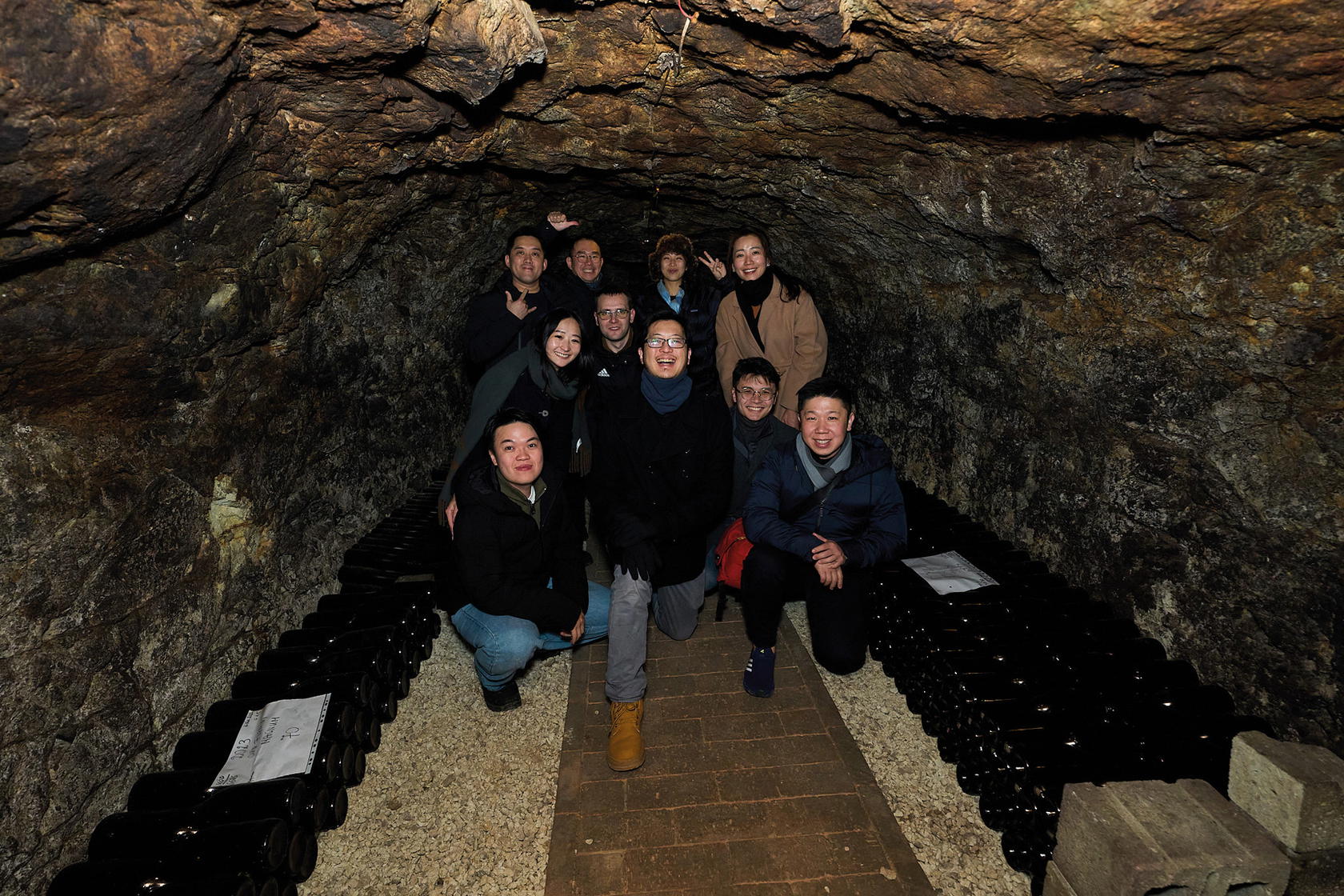
By now, the snow will have melted again in Tokaj, revealing the volcanic bedrocks that define these world-class wines. The ones we discovered may not appear on our lists again. Allocations shift as producers sell out. Each encounter is unique because it is impossible to recreate the same moment twice.
The search itself, however, remains constant. Our curiosity drives us to freezing vineyards to meet warm winemakers, build relationships over shared meals, and bring back stories to share. It is this foundation that will continue to shape Singapore’s drinks in the future, as wine lists are constructed.