
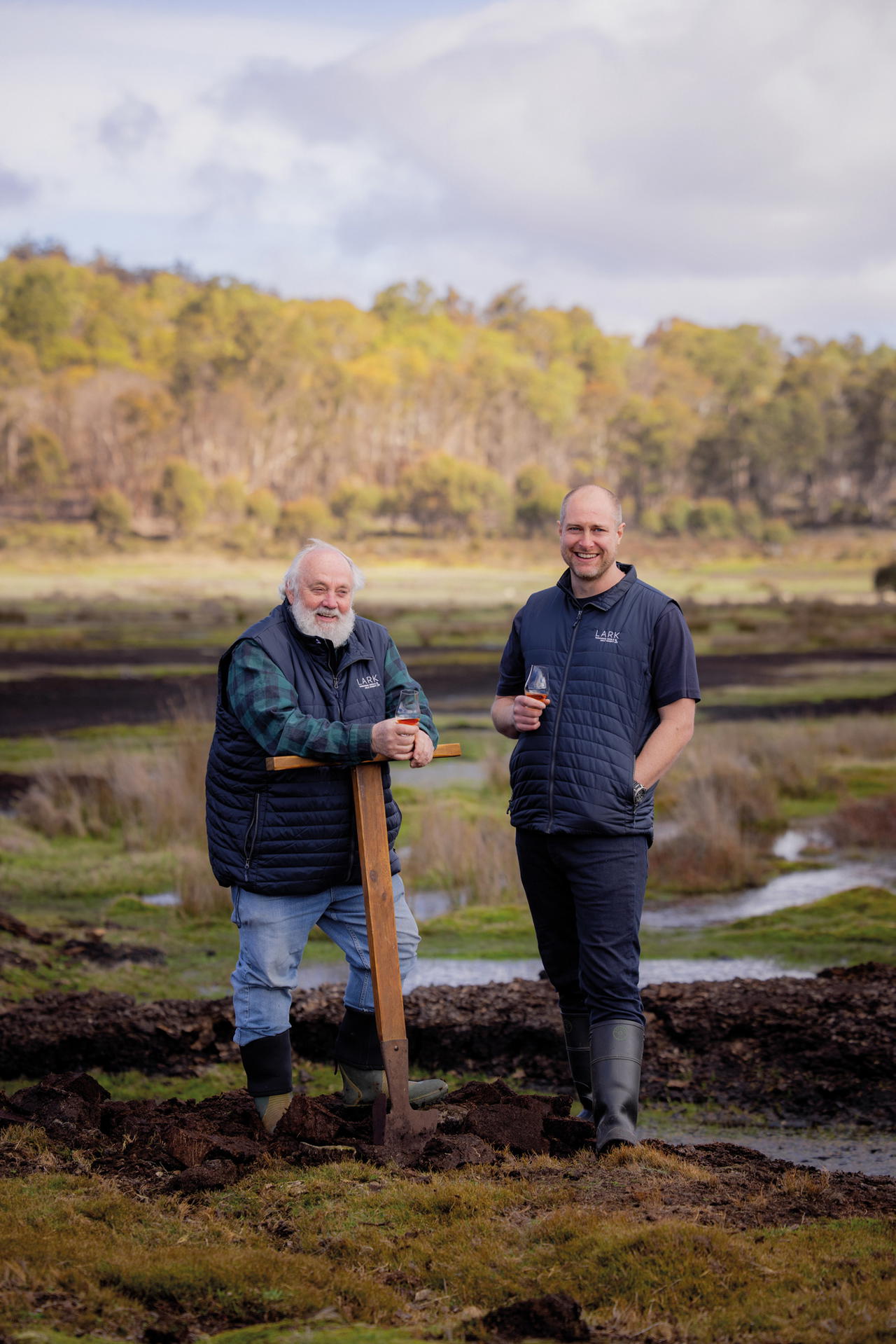
It was 1989. Bill Lark was on a fishing trip in Tasmania’s Central Highlands and had paused to appreciate the surrounding pristine waters, clean air, barley, and peat bogs.“I found myself asking a very simple question: Why aren’t we making whisky here?”
That led to a groundbreaking journey. After overturning antiquated Prohibition-era laws, Lark and his wife Lyn secured Tasmania’s first distilling licence since 1839 and founded Lark Distillery in 1992. As there was no modern Australian single malt category at the time, they drew inspiration from Scotland but let Tasmania guide their innovation, experimenting with different yeasts, casks, and unconventional spaces to craft something truly unique.
Their first commercial single malt was launched in 1998. The goal was never to fill a market gap, Lark says, but rather to create something that reflected its origins. “It turned out that the gap was an entire category waiting to be born.”
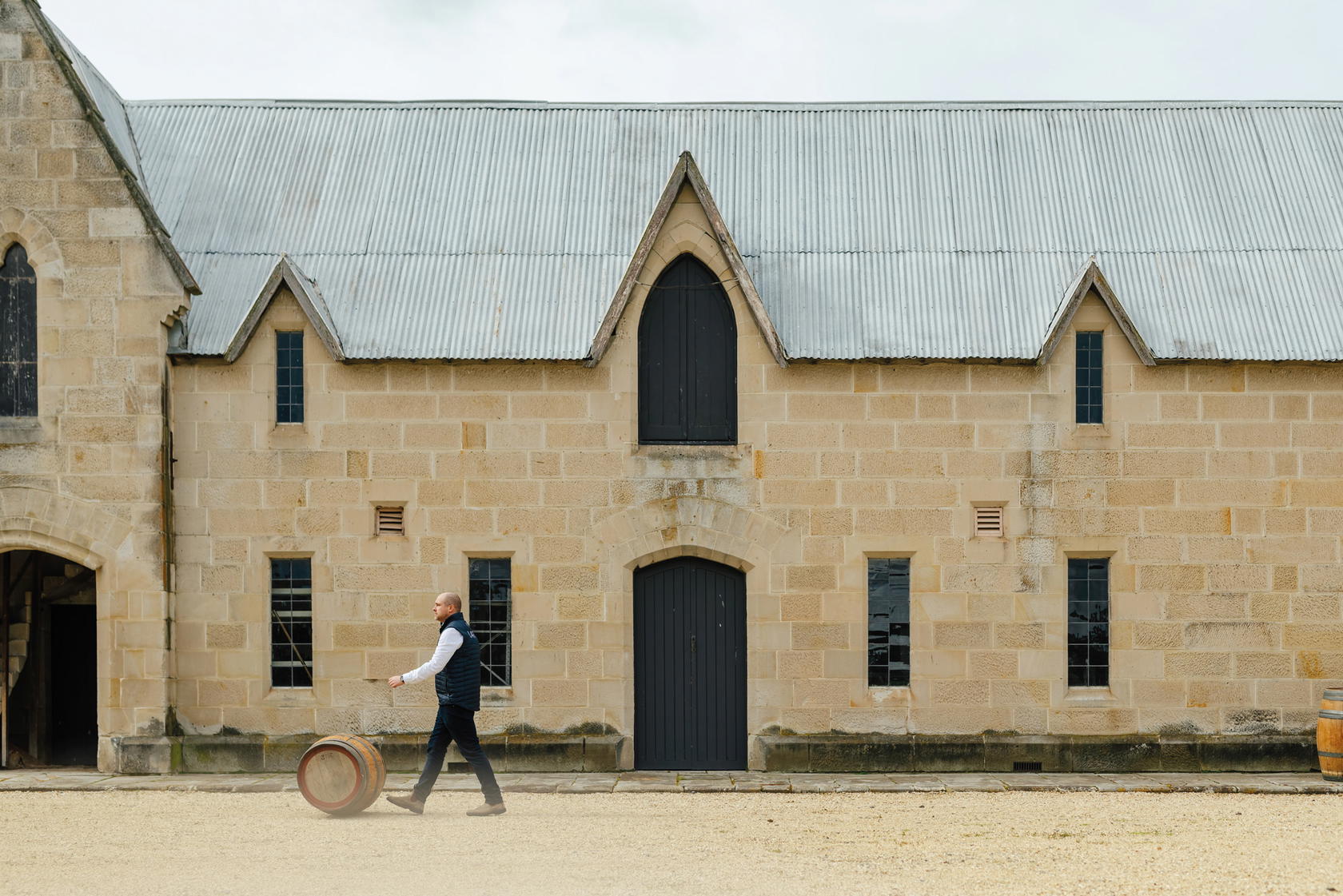
The brand’s house style is characterised by its fortified depth and a silky complexity, and driven by its partnership with Seppeltsfield Wines and its century-old fortified wine or port casks, some of which date back to 1878.
Tasmania’s terroir does the rest, Lark adds, as the island state has hot summers, cold winters, and sudden seasonal shifts that drive active maturation in ways few other environments can match. You could call it a place of extremes. “The seasons are bold, the landscape is elemental, and the environment leaves its mark on everything it touches. We call it a whisky super-climate and that isn’t an exaggeration.”
The greater temperature contrast in Tasmania compared to many other whisky-producing regions also means two things: not only does humidity influence evaporation within the cask, but the angel’s share of whisky lost during maturation is higher, too. These factors ensure Tasmanian whisky’s extraordinary depth and richness, Lark points out.
In addition to malted Tasmanian barley from Devonport, which has a smaller yield but produces an oilier, richer liquid with a velvety texture that lingers, Lark Distillery also sources its peat from Browns Marsh in Tasmania’s Central Highlands. It is the first and only such licensed mine in the Southern Hemisphere. The peat, in Lark’s words, is gentle and earthy, a supporting layer rather than the star.
Fermentation takes place over seven days, much longer than the industry norm. This extended metabolic process is what changes the game. “Those seven days lay the structural foundation for the spirit. The lactic character that develops during distillation and as it is being poured gives the whisky its silkiness,” Lark explains.
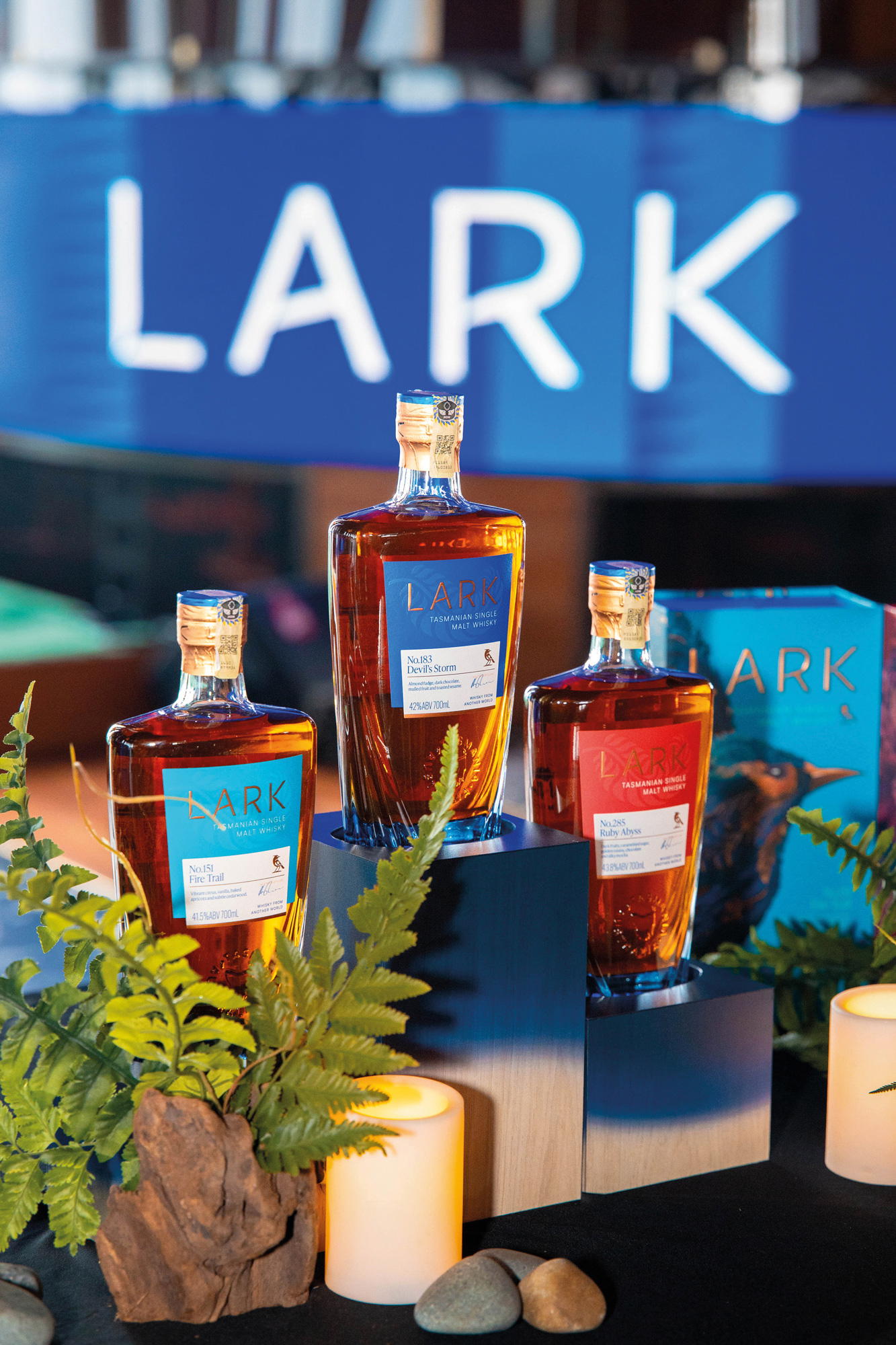
During the whisky-making process, spirits are sampled up to 70 times to achieve the perfect flavour. The resulting profile showcases the characteristic New World balance between sweet and umami, with the rich, lingering finish featuring notes of mocha, baked orchard fruit, and light, umami smoke.
As part of its sustainability efforts, Lark Distillery recycles waste as feed for neighbouring cattle and irrigating surrounding pastures. Tasmania’s largely hydro-powered energy grid also serves as something Lark calls “a gift of the island”.
He is excited about several things on the horizon. First, the brand will introduce special and limited-edition releases that explore new flavour profiles and cask types without straying too far from the house style.
Second, a continued partnership with Seppeltsfield. “There are still many discoveries to be made within that relationship, which will provide opportunities not available to most producers globally.”
Lark Distillery turns 34 this year. The shift from a boutique craft to a globally recognised brand means the work becomes more structural than visible. The growth of the business, Lark notes, requires a maturing inventory, disciplined stock forecasting, stronger quality control, and clearly defined blending frameworks to protect the house style.
In Lark’s experience, drinkers are moving away from heavily casked whiskies towards more elegant, lighter styles. It is a shift he relates to. “Honestly, I feel the same way. At the end of the day, it’s that elegant, light style I reach for when choosing a whisky to sit down with.”
He emphasises, however, that malt should always be the hero. “It was true when Lyn and I started out, and it is still true today. I consider a great whisky to be one that is elegantly balanced. Everything else, including the cask, finish, and process, should serve that balance, not overpower it.”