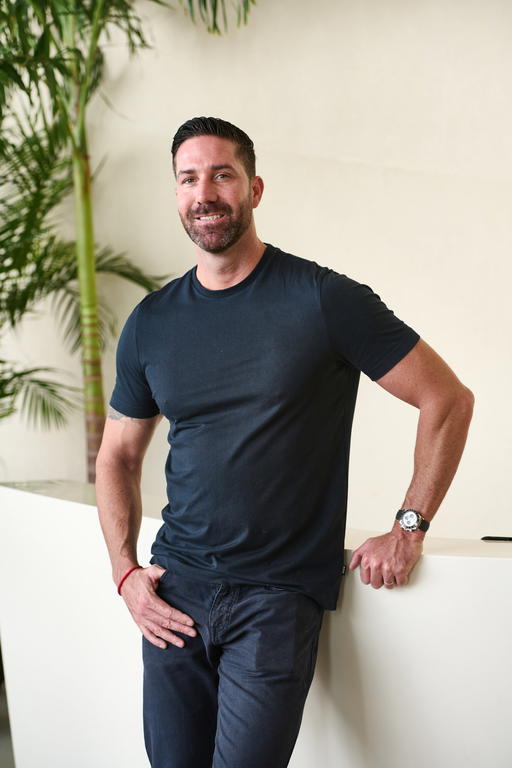
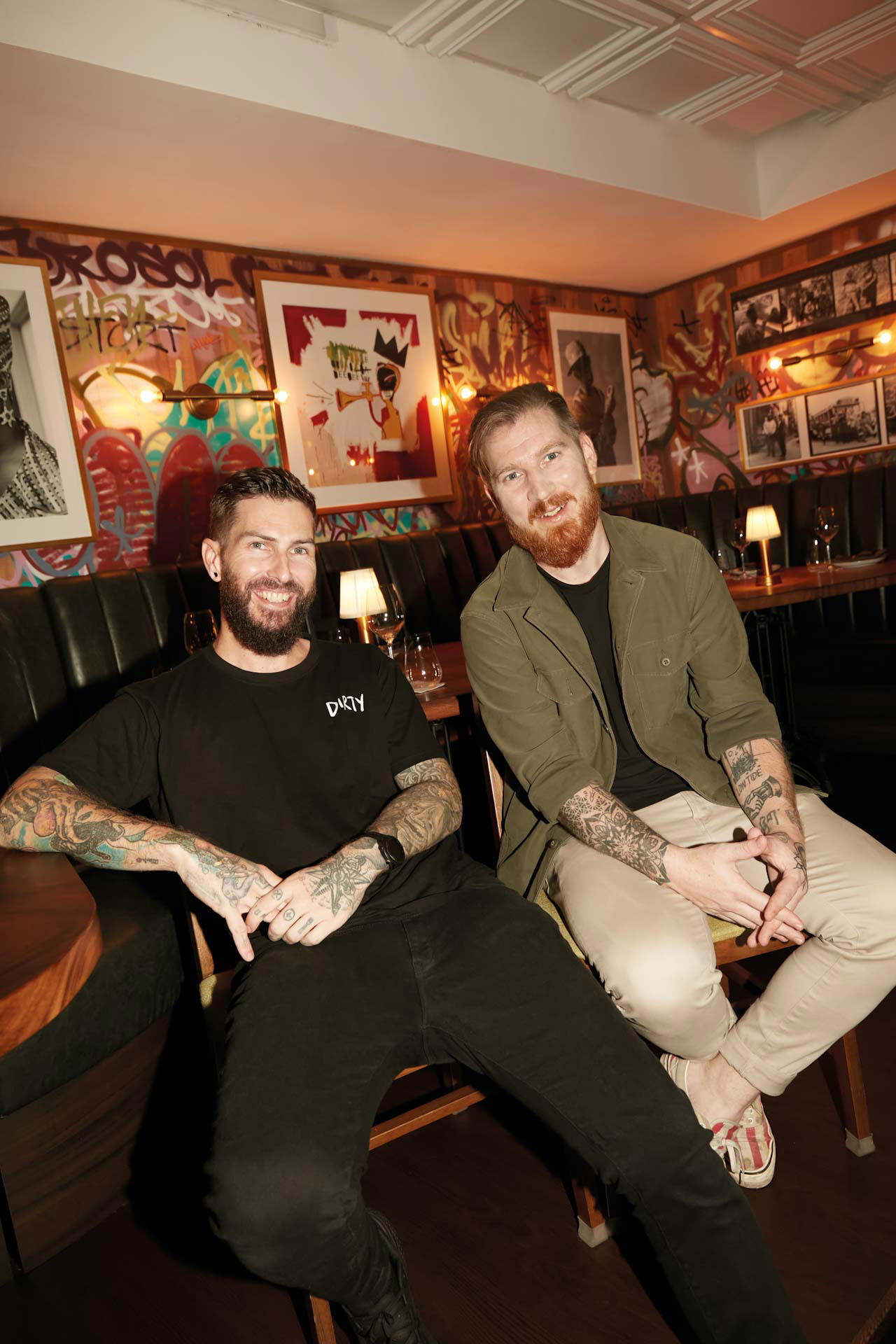
Pete Smit is a refreshing breath of air. His words aren’t minced, unlike his chopped and diced menu at Underdog Inn, a delicious smorgasbord of meats of all shapes and sizes. “When people ask me to describe my cuisine, I say I put food on a plate, sometimes in a bowl,” Smit deadpans, laughing.
There is nothing funny about his cooking though. Even something as simple as pork scratchings is a gastronomic delight—crunchy and flavourful without being oily. The chef is a nose-to-tail maestro in the kitchen, although he doesn’t like to call his cooking that. “I don’t want to pigeonhole my cooking,” explains Smit. He just doesn’t like to waste animal parts.
THE CHEF
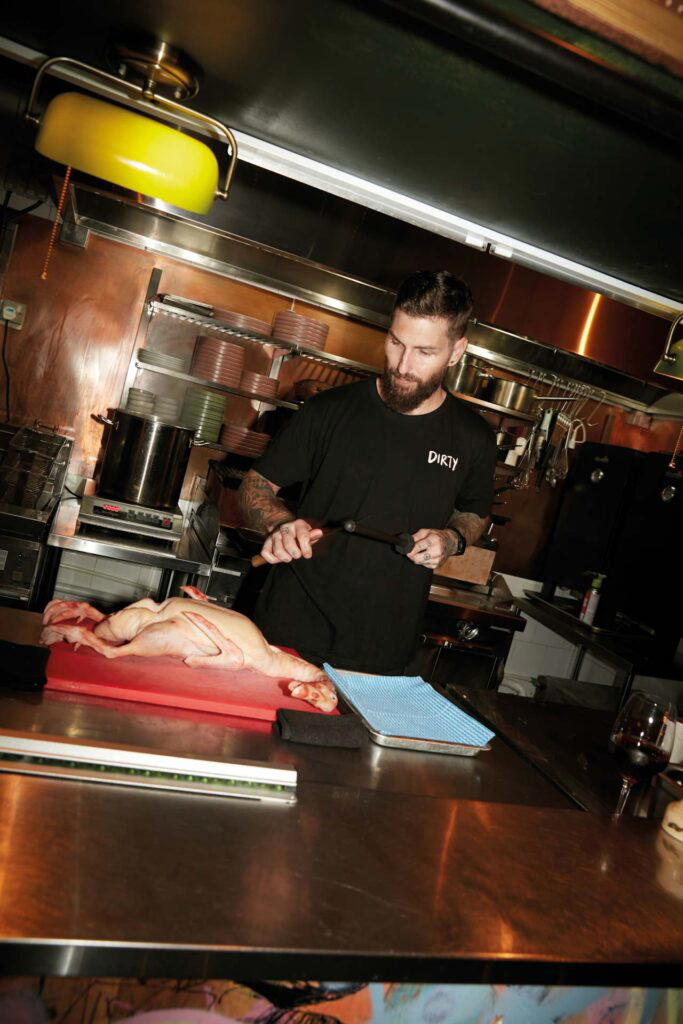
Smit first came to Singapore in 2019 and “didn’t like the place”. The former executive chef of Adrift almost went to Bali to run another restaurant. Then, Covid-19 shuttered borders, forcing Smit to stay. Gradually, the heavily tattooed Australian fell in love with the country, helped by stints at gastrobar No Sleep Club and his private dining pop-up Dirty Supper.
“The opportunities started coming. It also helps that people in Singapore are open to trying new things,” says Smit. It was at Dirty Supper that he pitched his concept to Jay Gray, the CEO and founder of popular F&B hotspots Sago House and Low Tide.
While preparing the evening’s menu, Smit heard Gray and his business partners throw around concepts for Underdog Inn. He piped in and suggested the nose-to-tail, minimal waste idea that he’s always wanted to do in the city-state.
“No one has actually done it in Singapore, even though they claim to,” says Smit, a glint in his eyes. It’s impossible for a restaurant to have a fixed menu while claiming to be low-waste, Smit shares. The country’s robust food regulations also put paid to such notions. For example, Smit can’t use pig’s blood in his dishes because it’s banned by the authorities.
That’s why he has two food lists in Underdog Inn. One is a regular menu with the usual favourites while the second lives on a piece of paper hanging on a wall. While I was there, a staff tore off the previous night’s offerings to write the specials for the evening.
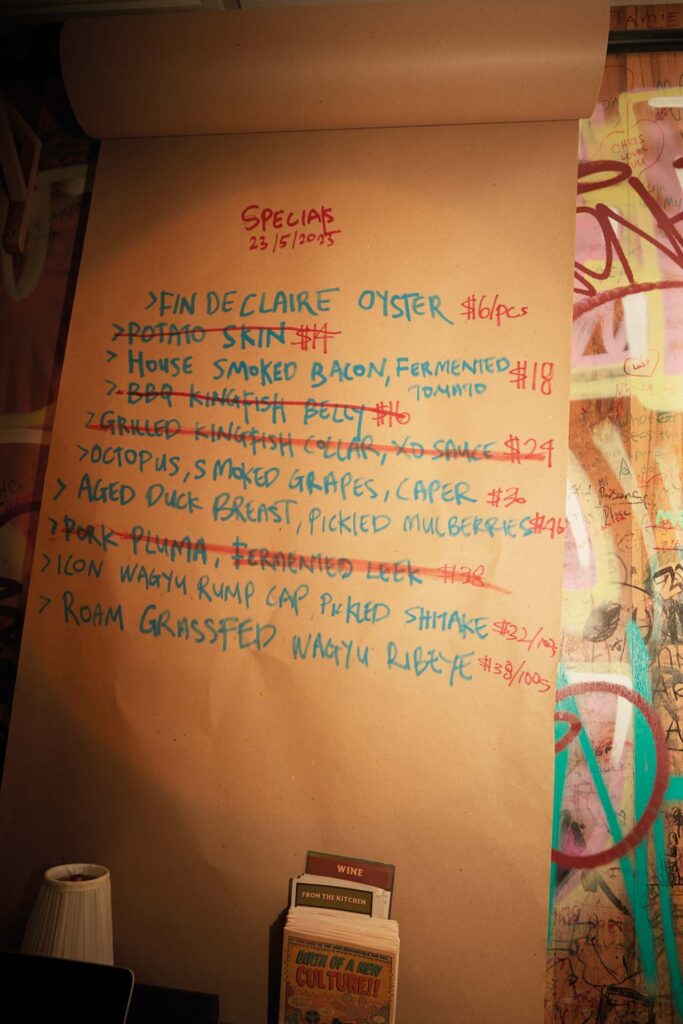
Smit toyed with the idea of removing the menu but realised that some diners enjoyed having “a comfort zone” to return to in case they didn’t like the daily specials.
He has experimented with minimal waste cooking before. His love for sustainable nose-to-tail dining began in Second Valley, South Australia, where he ran the now-defunct Leonards Mill. “All my meat came from within 10km of the restaurant. I only brought in whole animals and knew every farmer around the area.
“Every morning, an angler would call me and ask if I wanted any of the bycatch he had before he threw it away. I would jump into my car and drive over to pick it up
from him.”
Even though he is increasingly appalled by the plastic bags he receives daily from suppliers, he remains true to his cooking philosophy at Underdog Inn.
THE PROPRIETOR
This steadfast belief and unwavering moral compass is one of the reasons why he gets along so well with Gray. The latter came to Singapore as a Monkey Shoulder ambassador before opening Sago House in 2020. It rose rapidly to prominence and is currently ranked 31st on Asia’s 50 Best Bars 2022.
In 2021, Gray and his two business partners opened another bar, Low Tide, followed by F&B incubator space, Ghostwriter. His fourth, Underdog Inn, is a love letter to Brooklyn’s hip-hop scene. Diners lounging on the leather banquette seats while waiting for Smit’s dishes and Gray’s cocktails will notice portraits of The Notorious B.I.G, Jay-Z, and others along the walls. It’s reminiscent of a British pub that’s fully embraced American counterculture.
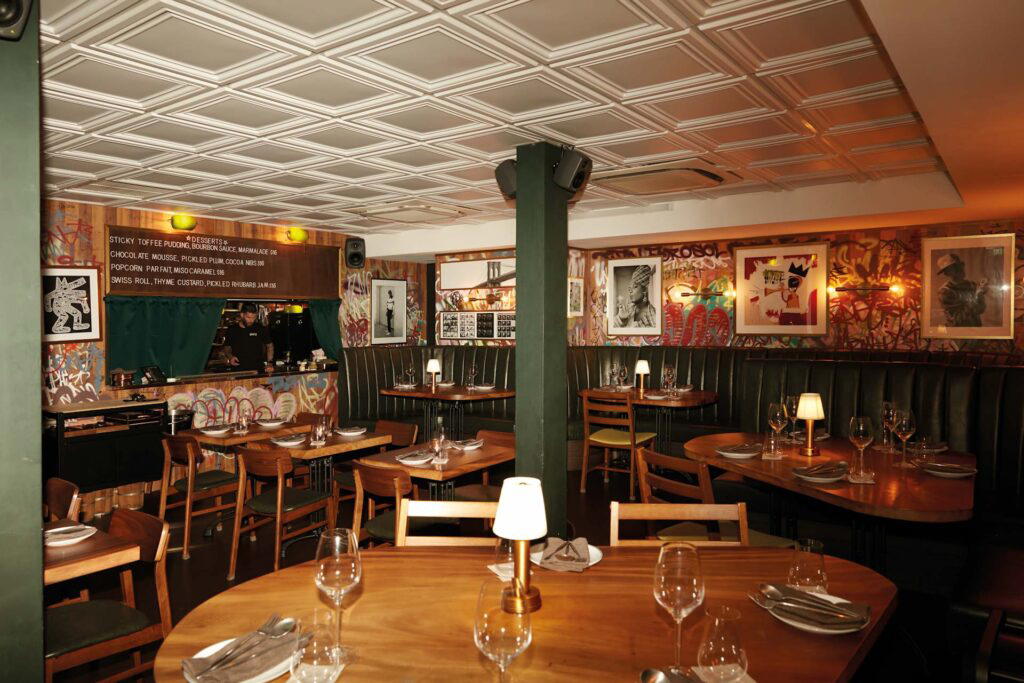
Gray’s four establishments have nothing in common. He prefers that each universe exists on its own. “We wanted to steer clear of group identity. Rather, we want our people to feel a sense of ownership over their respective places.” One thing he is deathly insistent on across the four hotspots is the service. Each and every guest who walks through Underdog Inn’s heavy metal doors is welcomed with warmth. It’s like going to your regular drinking haunt where everyone knows your name, except you might be visiting for the first time.
It was a first-hand experience for me. Unobtrusive, yet attentive, the servers knew how to connect on a level beyond frivolity. A simple request for recommendations quickly evolved into an analysis of our favorite alcohol, what we enjoy eating regularly, and our preferred fried foods.
“You must fight for every guest now,” says Gray. “That requires all hands on deck at all times.”
Like his contemporaries, the F&B entrepreneur is struggling with staffing. Everyone in the kitchen and at the front of the house has to do more because labour is at a premium.
He empowers everyone, even novices, to make their own decisions. “We don’t always hit the nail on the head,” says Gray, referring to hiring decisions.
“It’s important for the long haul in our industry to foster a healthy pool of hospitality-focused staff who understand why every napkin needs a corner, why every glass of water must always be full, and why eye contact is critical.”
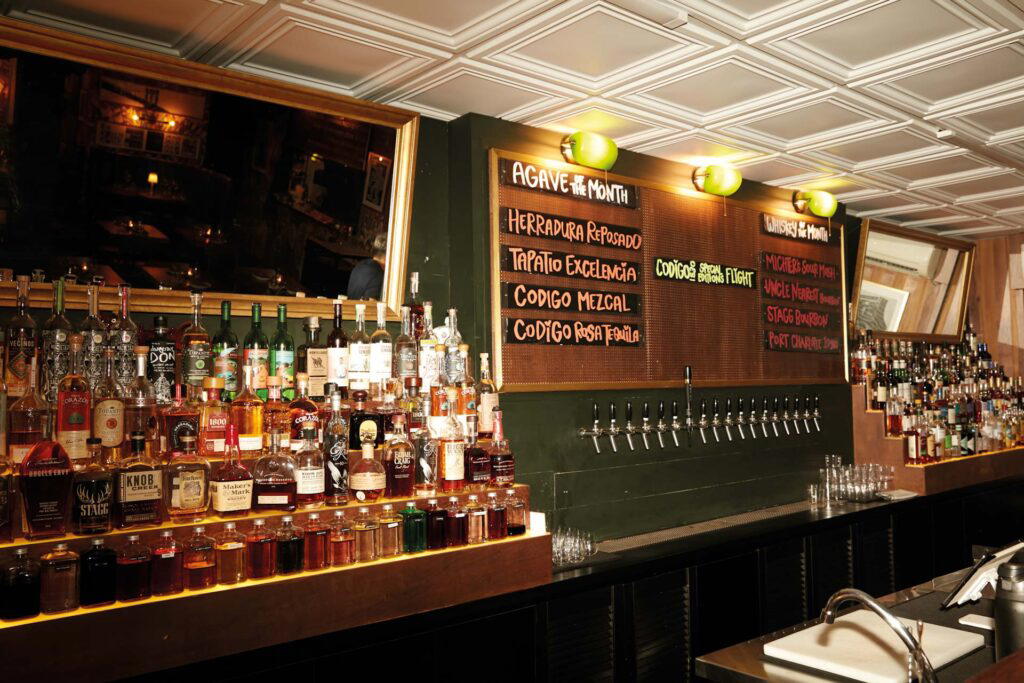
Just 33, Gray has grown into his role, a far cry from his days running different bars in Sydney and suffering his first failure as a leader. The former law student now runs several businesses, including a handmade crystal glassware company called Kes-Sho.
And is that person an underdog, I ask? Gray laughs. “I’m terrible with names,” he says. “We called it the Underdog Inn because we wanted that juxtaposition of a tavern serving Michelin star-quality food on wooden tables sans white tablecloth.”
In that regard, Gray and Smit have succeeded. We all root for the underdogs, after all.