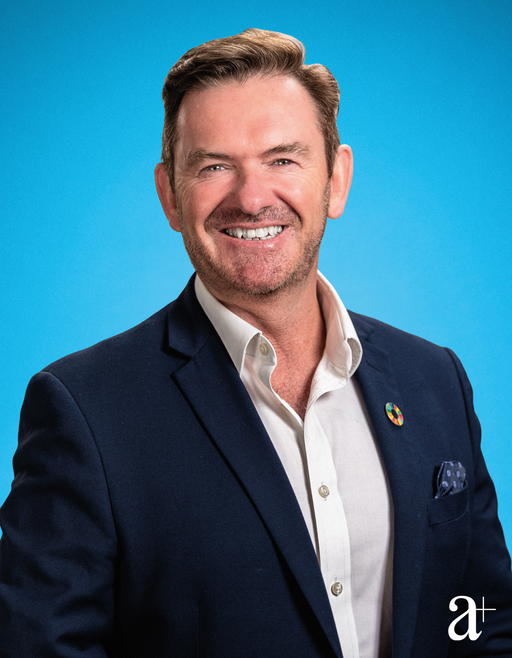
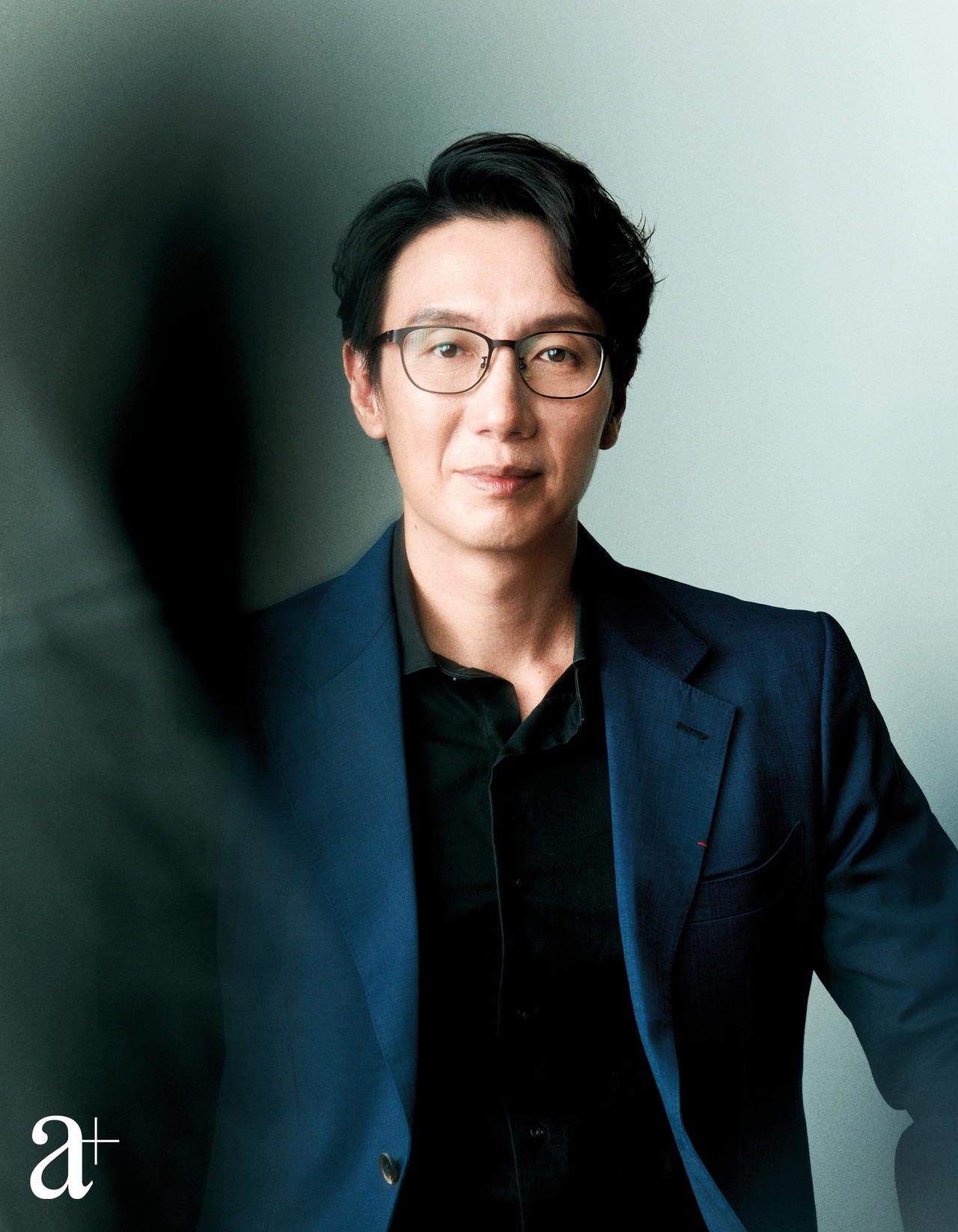
Fish can develop fatty liver disease. It’s not a problem most people spend much time thinking about unless, like Edward Chia, you’re trying to turn food waste into nutritious fish feed. “Processing leftover food scraps removes moisture, but the fat remains in the substrate,” says Chia as he leans across the table at Starbucks in Downtown East. “A lab test measures macronutrients—protein, carbohydrates, and fat. Sometimes, there is as much fat as there is protein.”
Fish fodder may seem like an unlikely preoccupation for a man known for nightlife and national policy. Although Chia co-founded Timbre Group and currently serves as Member of Parliament for Zhenghua in Holland–Bukit Timah GRC, he swapped amplifiers for bioreactors after leaving Timbre in 2021 to launch Life Lab Resources in 2022. The company converts commercial and mixed food waste into livestock and fish feed rather than sending it to landfills, keeping valuable resources in circulation while strengthening food security. Before our interview, Chia was carrying out a demonstration at Metro Farm, an urban aquaponics operation upstairs.
That leap from entertainment to environmental biotechnology isn’t a reinvention so much as a continuation of a core instinct: solving systemic problems. “Back in 2005, local musicians had very limited opportunities to showcase their talent, so we started Timbre to change that,” Chia explains. “Today, climate change is an existential challenge. Temperatures are rising, agricultural cycles are shrinking, and fertile land is turning into desert.”
His current mission is also rooted in personal conviction. Becoming a father reshaped his sense of stewardship and crystallised his resolve to leave the world better than he found it. “I want to be able to look my son in the eye and say I’ve done my part in giving his generation the best environment to thrive in,” he adds. His only child is 12 this year.
This ethos of stewardship extends to something as mundane as excess oil in food waste. It is why Life Lab Resources partners with a major energy company to recover the oil and repurpose it as feedstock for biofuels, including sustainable aviation fuel. The remaining nutrient-rich material is then further processed, channelling more of the waste into higher-value use.
“It’s a win-win. Partnerships are crucial in a circular economy. No single company can close the loop on its own,” Chia says.
He measures success by the multiplier effect his technology creates, like when stakeholders who adopt his circular solutions thrive. “For organisations with substantial food operations, it means a lowered carbon footprint—no food is wasted and everything is regenerated back into new food supplies.
“For farmers, who can spend up to 70 percent of their operating costs on animal feed, it means lower costs through feed that is not only more affordable, but also more efficient and more environmentally friendly.”
SETTING THE STAGE
Chia’s inclination towards social impact emerged early. In junior college, he founded Arts For Us All, a non-profit that mobilised youths through arts-based community work and events. It later catalysed the Timbre concept, reimagined through the universal language of music.
“We were constantly seeking funding, sponsors, and new venues. We were young and idealistic, so we thought, ‘Wouldn’t it be wonderful to open our own venue and use F&B revenue to fund this artistic endeavour?’”
But starting a business while studying for an economics and political science degree at NUS required delicate negotiation at home. “My mum had an O-Level certificate and my dad only completed primary school. To them, a university degree was the holy grail,” Chia says. “I said to them, ‘Let me try. I might fail, but I’m young and have the runway to pick myself up and rebuild’.”
His parents not only gave him the latitude to take the plunge but also loaned him $80,000 on one condition: he must not drop out of school. In 2005, at 21, he opened Timbre’s first outlet at The Substation. Chia stopped taking an allowance to maintain skin in the game.
From day one, Timbre’s vision has been to support local musicians. Beyond providing a platform, it empowered talents to sustain themselves entirely through their craft. “If we want Singapore’s musicians to develop to their fullest potential, we must make it possible for them to do it full time. It’s hard to have a full-time job and do music on the side.”
Diving headfirst into the industry as greenhorns was a baptism by fire. The transition from a volunteer-run operation to a business with significant overheads overnight had the team floundering in their first year, Chia recounts. Good thing, then, that Timbre found its footing and redefined Singapore’s live music landscape. At its peak, the company operated nine outlets.
His biggest takeaway from the 16-year venture is the art of people management: understanding how every employee thinks and feels while uniting them towards common goal.
“There is no one-size-fits-all approach to working with people—everyone has a different personality. You need to understand what motivates each individual.”
Edward Chia on tailored management
In his view, friction often stems more from different emotional responses than from intellectual disagreements. Understanding the doubts and anxieties behind certain reactions makes it easier to move the needle.
Chia’s entrepreneurial experience informs his work as a lawmaker. For example, he advocates an enhanced ownership transition framework for family businesses as Singapore faces generational change. The adage, “shirtsleeves to shirtsleeves in three generations”, remains relevant: “First-generation owners are usually siblings, so the next generation often involves cousins. The kinship dynamics can be quite different, making ownership transfers and executive leadership particularly tricky.”
He cites research from SMU’s Business Families Institute, which examines multi-generational enterprises across different countries. “Some of these businesses have endured for five or six generations. What is their secret to successful succession and how can their model be replicated here? If we want homegrown businesses to innovate and flourish, we must master these fundamentals.”
FEEDING THE FUTURE
Life Lab Resources strives to close the food loop to shrink our collective carbon footprint. As food production already emits considerable carbon, discarding food waste not only adds emissions from the waste itself, but also increases emissions from how the waste is handled. Singapore generated 790,000 tonnes of food waste last year.
Reframing that linear system into a circular loop mitigates the damage at both ends. “We do that by collecting leftover food, treating it, upcycling it into animal feed, and cutting the emissions that would otherwise come from producing conventional feed. That’s how we hack the system,” he asserts.
The process unfolds in two main stages. First, leftovers are fed into a WasteMaster, a food waste processing system that breaks down organic matter at the cellular level, transforming it within hours into an odour-free, nutrient-rich substrate. The technology was developed by Green Eco Technologies in Australia and is operated locally by Life Lab Resources.
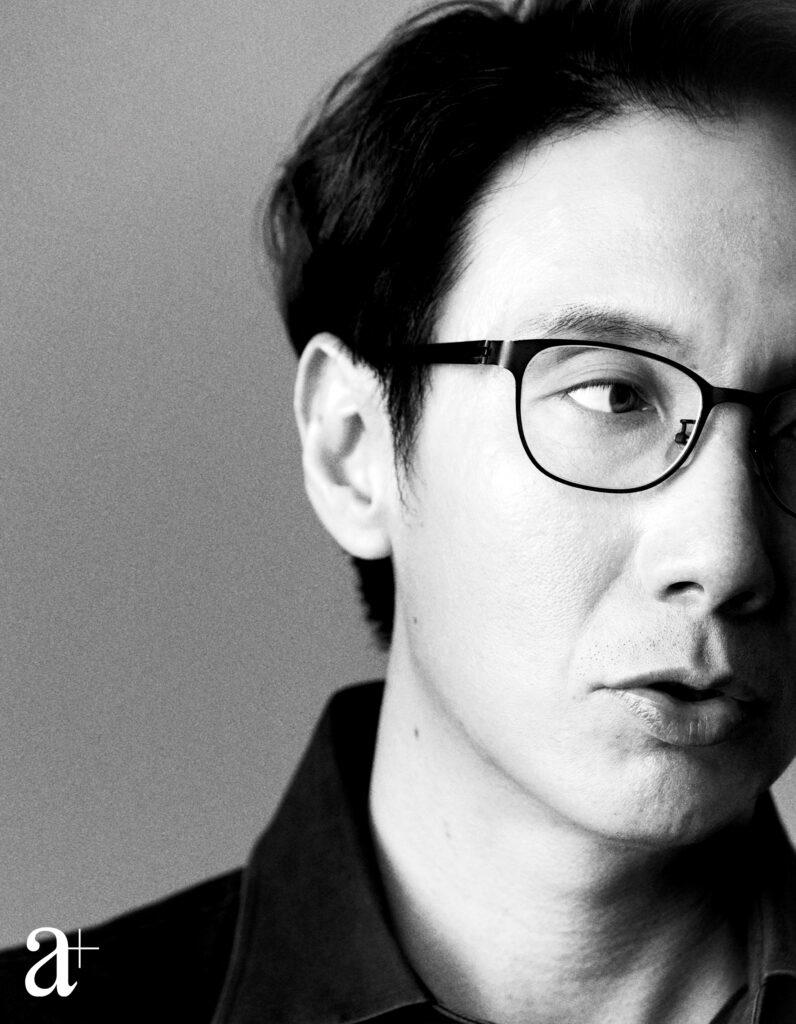
Twenty-two WasteMaster units are currently deployed across Singapore, including seven at major hospitality landmarks such as Marina Bay Sands and Grand Hyatt Singapore and seven in Frasers Property malls. The remaining units serve locations such as Changi Airport Terminal 1, university campuses, and catering hubs, with four more expected to arrive this month. According to Chia, these organisations use the technology as a tangible step to reduce waste and advance their sustainability goals. Most of the units are bought, with the rest rented.
The substrate is then transported to Life Lab Resources’ biorefinery, where a proprietary three-step valorisation process upcycles the material into high-value, pathogen-free fish feed. Currently situated at Temasek Polytechnic, the facility is expected to relocate to a larger site as the company scales up production. “Creating more fish feed allows us to support more farmers.”
Life Lab Resources’ flagship product is microbial protein, a high-protein ingredient used in aquaculture diets. Its impact extends beyond feed production: by supplying microbial protein to aquaponics farms, it enables vegetables to be grown in a closed-loop ecosystem. “The fish are given our feed, their droppings provide the vital nutrients in the water for the crops to thrive, and the plants, in turn, filter and clean the water for aquatic life,” Chia explains.
This circular model redefines Life Lab Resources’ role with aquaculture partners. “We’re not just their feed supplier—we’re a sustainability partner to their upstream clients. These farmers can proudly claim, ‘This fish or vegetable has a far lower carbon footprint because inputs came from upcycled ingredients’.”
To date, the enterprise has diverted 2.5 million kg of organic waste, cut 1.7 million kg of CO₂ emissions, and saved 30 million litres of water compared with conventional digesters. Its biggest milestone, however, is regulatory: Life Lab Resources is the first company in Singapore to secure a licence from the Singapore Food Agency to upcycle mixed food waste into commercial animal and aquaculture feed. With this foundation, it is expanding adoptions to more local farms.
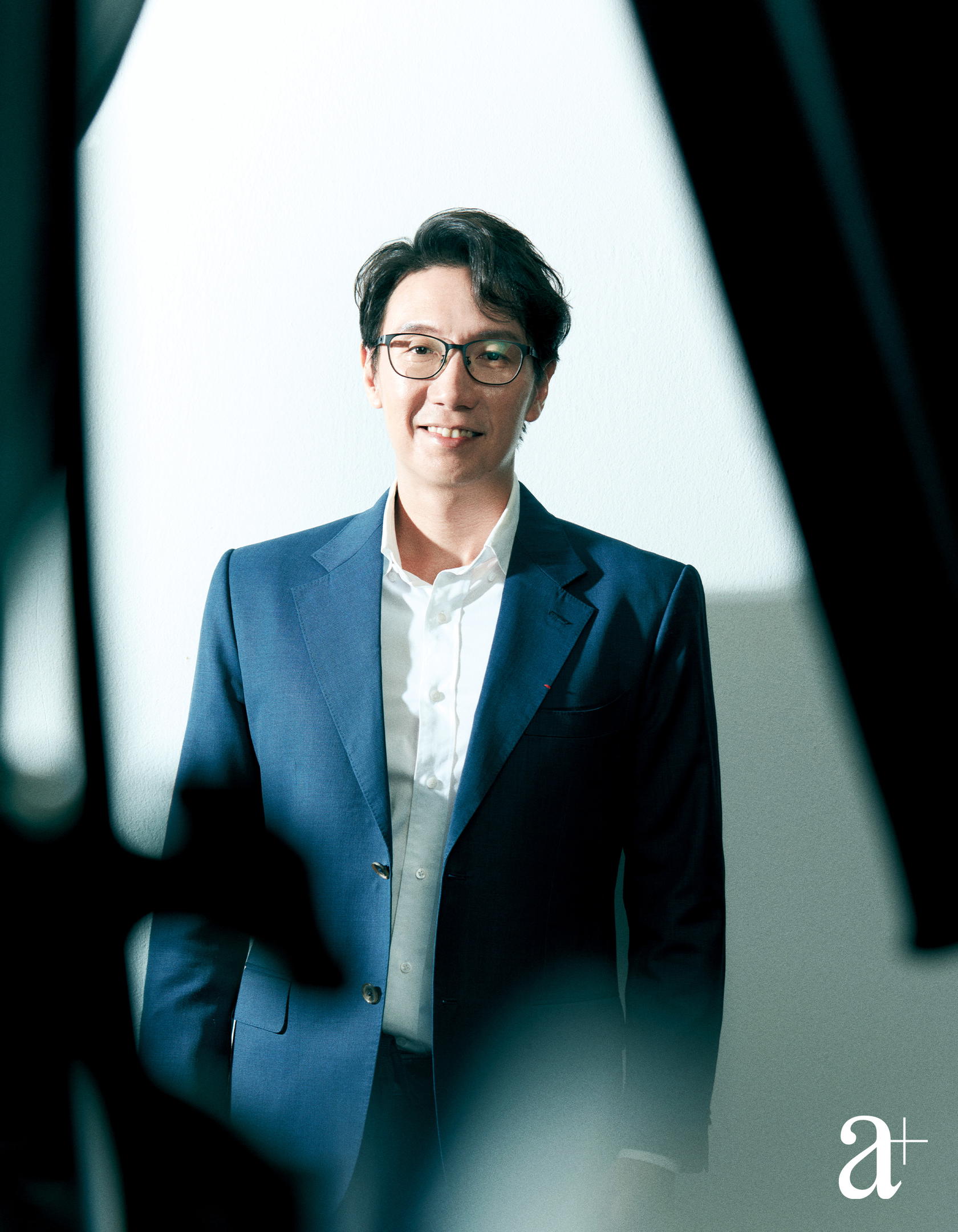
An hour in Chia’s company and it is clear that he excels at linking diverse ideas. No matter the topic—music, family businesses, or microbial protein—his guiding principle remains: build ecosystems that generate shared value.
Don Ho, director of tentage rental company Nanyang Inc and Chia’s friend of 16 years, admires this very quality: “Intellectual curiosity is perhaps Edward’s defining trait. He knows a lot about a wide range of topics, but if there’s something he doesn’t know, he isn’t afraid to ask questions until he fully understands it.”
He believes it is what keeps Chia evolving. “He is never afraid to roll up his sleeves and get his hands dirty. Seeing the impact he’s creating makes me very proud to call him a friend.”
As our conversation draws to a close, I ask Chia whether purpose can be taught or if it is something everyone must discover for themselves. He believes it is the latter, having built his career around transforming ideas into impact. “We all have different inclinations and motivations, and that’s what makes humanity so beautiful. Our diversity allows us to solve different problems, provided people are given the time and space to discover what truly drives them,” he says.
He sees entrepreneurship as an animating principle, not a vocation. Too many founders, he continues, jump to a solution before defining a problem. A real need must drive the idea, not the other way around. “We’re all very idea-driven, but there’s no point in an idea that doesn’t plug any gaps. Before starting Life Lab Resources, I was exploring ideas and asked, ‘What is the problem statement? Is there a real need for a solution?’ Then I found the big food waste issue.”
In his view, entrepreneurship isn’t a job title, but a mindset and a way to mobilise resources. “You can be entrepreneurial even within an organisation—today’s career landscape demands it. Gone are the days of having one job for your entire career. We go through different life stages with shifting needs. You may have some side passions and your boss may say, ‘If it’s in your personal time, by all means.’ If you can rally resources and act on things, you’re an entrepreneur.”
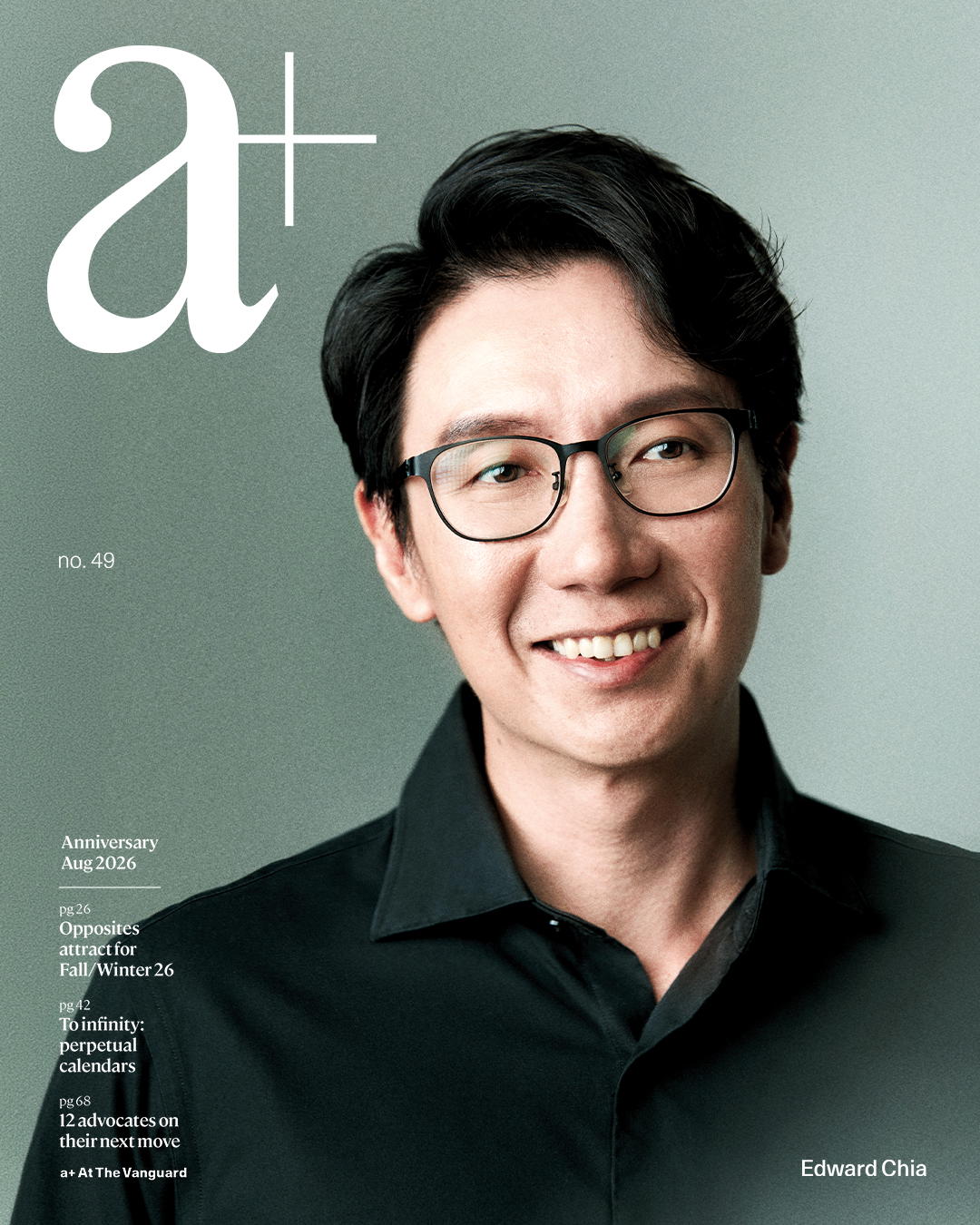
Photography Joel Low
Styling Chia Wei Choong
Hair & grooming Keith Bryant Lee using Armani Beauty and Kevin Murphy
Photography assistant Eddie Teo