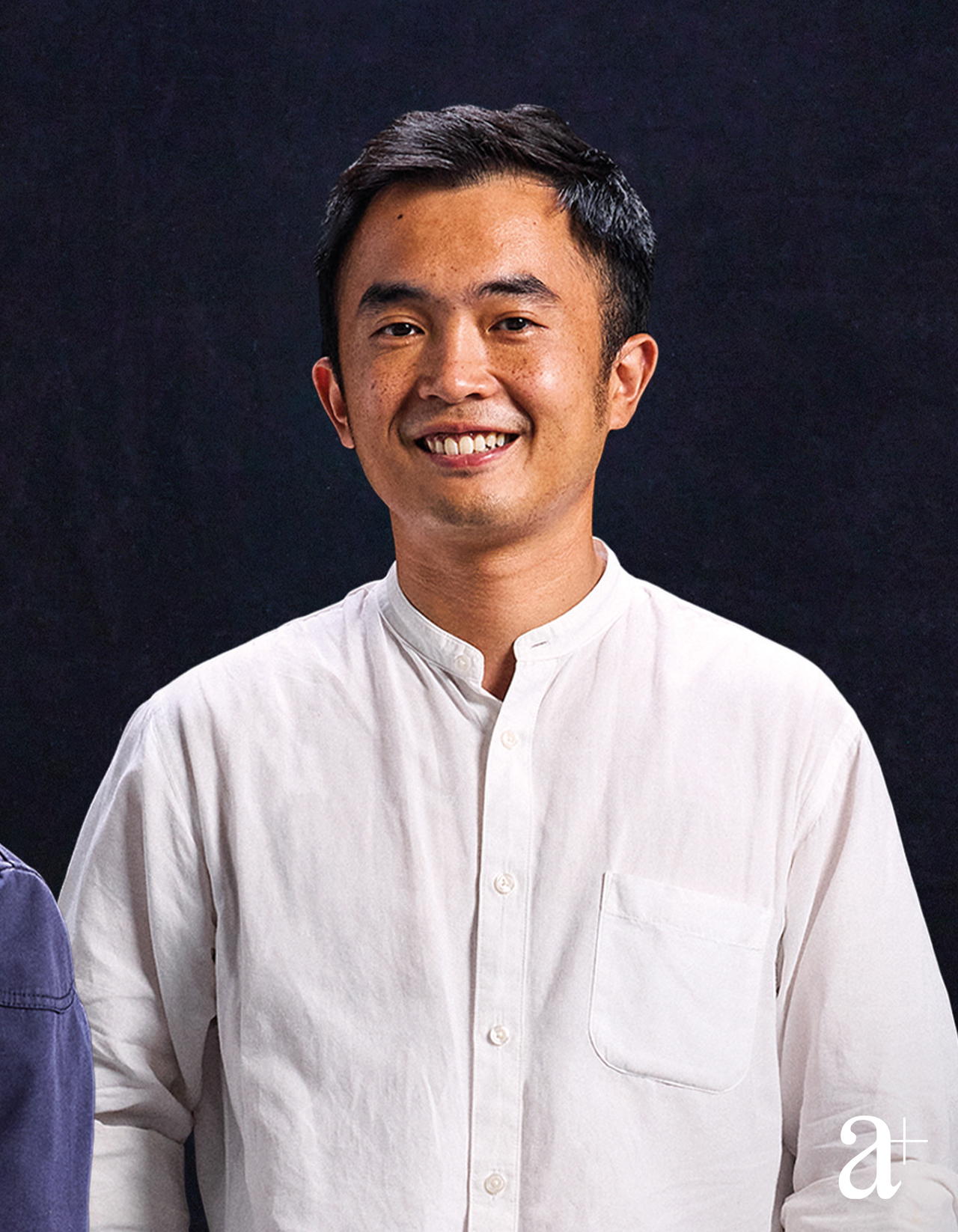
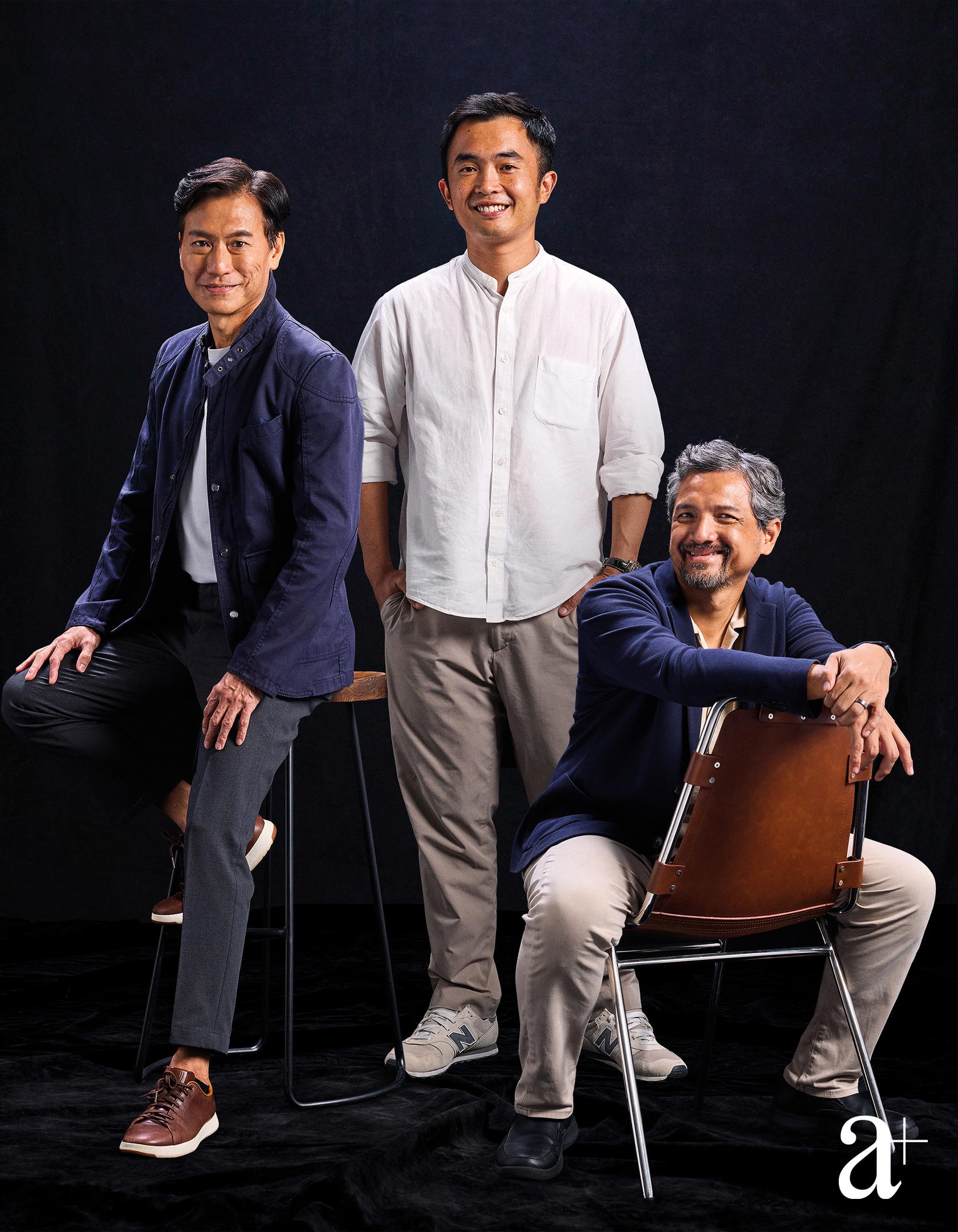
City Sprouts facilitates urban farming and community building by transforming underutilised spaces. Over the last four years, Zac Toh has grown the social enterprise to six locations, tripled staff, and merged with Vivita, a non-profit providing makerspaces for children and youths that would serve more neighbourhoods and communities.
Through City Sprouts, Toh also helped launch Earthtopia Fest, Singapore’s first ground-up, youth-led sustainability festival, and Vidacity, a sustainability-focused innovation hub offering co-working spaces, research labs, and testbeds for startups focused on agri-food, clean energy, and the built environment.
Has public interest in urban farming, biodiversity, and sustainability evolved?
It has stayed fairly consistent on the whole. However, there has been a shift in the funding and investment landscape, which is currently undergoing a market correction. Even so, I believe strongly in the underlying drivers of this work. Vidacity was founded to provide mature ideas and solutions with the follow-on support people need for scalability here and across the region.
Has climate change changed the way you approach your work or think about the future?
Climate change has made the work less optional and more urgent. It has pushed us to think beyond community engagement towards building real, scalable solutions to urgent problems, which is part of the thinking behind Vidacity. Getting people to care about nature remains critical for ground-up action and educating consumers, but it is just as important to channel more resources into building the systems and businesses that can respond to the scale of the problem.
If you could redesign one aspect of Singapore’s urban environment to help people reconnect with nature, what would it be?
I would ensure every green space in Singapore includes community programming and education, rather than just landscaping. Spaces can’t just exist; they must be both intentionally and organically activated by the people who use them.
Prioritising programming alongside infrastructure has been a core focus for City Sprouts. We have collaborated with organisations like AirCCCC, Temasek Shophouse, and the People’s Association to help them build vibrant communities around their own gardens and farms.
In shaping more liveable cities, what role do community-led initiatives play?
Cities are the hardware, but community-led programming is the heartware. It is only when people own and activate a city’s spaces that it becomes truly liveable. That’s why Earthtopia Fest is important—it’s not a top-down City Sprouts event but a community-led platform connecting ground-up groups, youth collectives, and independent changemakers to breathe life into infrastructure.
When a festival is co-created by the community rather than delivered to it, you get a wider range of voices and ideas about sustainability and nature, while participants feel like stakeholders rather than attendees. That energy can sustain a movement long after the event ends. It’s the kind of model we think cities need more of if they want to be genuinely liveable, not just well-designed.
If we were to have this conversation again in another four years, what would you hope has changed?
I see huge potential for Vidacity to act as a multiplier. Over the next four years, we hope to help at least 100 companies bring their solutions from lab or project stage to market. On the City Sprouts side, we’ve engaged close to 40,000 people through our programmes and activations to date, and aim to reach 80,000 annually within four years.
Beyond our own numbers, I’d like to see more ground-up groups sustain their own community action and nature activations—not necessarily under our banner but because the ecosystem has grown strong enough to support them independently. If in four years more grassroots collectives can sustain their own momentum, funding, partnerships and communities, that would be the real marker of success. It would mean the movement has outgrown any single organisation, including ours.
Photography Mun Kong
Art direction Ed Harland
Hair Karol Soh using Revlon Professional
Grooming Sveta Klyn (The Suburbs Studio) using Chanel
Photography assistant Hizaun Zailani