
Greenhushing is the opposite of greenwashing. Instead of overstating or misrepresenting its environmental efforts, a company conceals or underreports its sustainability achievements.
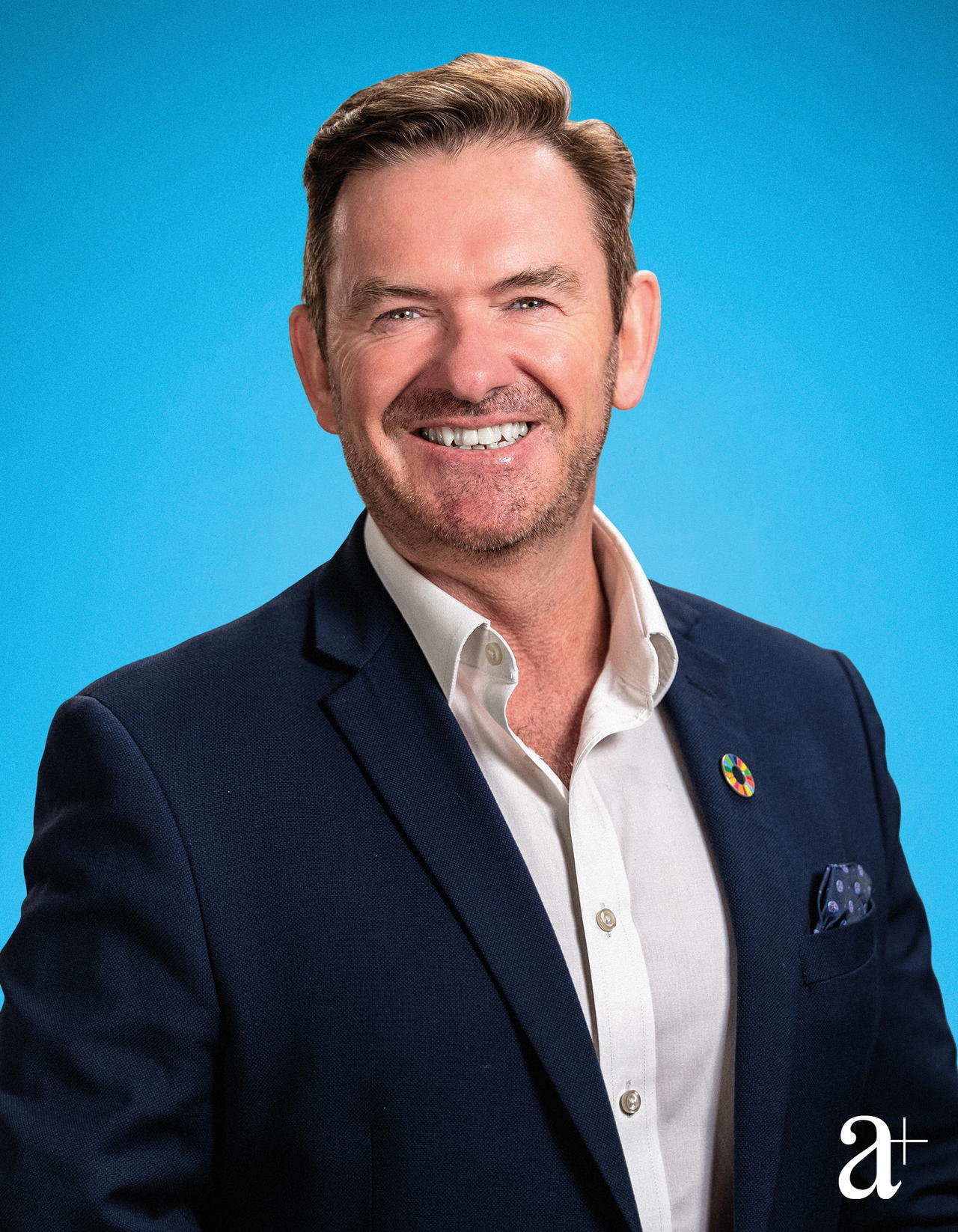
Some caution is understandable. Nobody wants to make a claim they cannot substantiate and risk being accused of greenwashing, says David Fogarty. In more mature organisations, sustainability is no longer something to announce. “It’s in the procurement contracts, capital allocation contracts, and risk registers rather than in press releases,” says the CEO and executive director of United Nations Global Compact Network Singapore (UNGCNS), the world’s largest corporate sustainability initiative.
Established in 2005, its primary goal is to help businesses, government agencies, academia, and civil society embed the Ten Principles of the UN Global Compact and Sustainable Development Goals into everyday practice. It also runs capability-building programmes to develop the skills and knowledge needed to advance sustainable development and address global challenges.
Fogarty assumed his current role last year and previously led ESG consulting and sustainability services across the Asia Pacific at CBRE, the world’s largest commercial real estate services and investment firm. The two roles share a common thread. “On paper, it looks like a jump from commercial real estate into a UN body. But the throughline has always been the same: how do organisations make good decisions with imperfect information under real financial pressure? As decisions get baked into concrete and steel for decades, real estate teaches you that quickly,” he says.
Many leaders see ESG as a source of value creation even if they no longer use the acronym. Research backs this up: UNGCNS data shows that companies with strong ESG practices achieve 50 percent lower cost of capital, 88 percent better operational performance, and 80 percent stronger stock performance.
The future of corporate sustainability hinges on delivering at scale, but SMEs often hit a wall. Beyond the upfront cost of energy-efficient digital systems, their supply chains may lack the data needed to meet standards demanded by larger customers. Even developers in the built sector face a cost premium when adopting low-carbon materials or smart energy solutions.
“You can’t lecture your way past a cash flow problem.”
David Fogarty on the cost of going green
That’s why UNGCNS focuses on practical, lower-cost entry points. They include a Carbon & Emissions Recording Tool, a Sustainability Technical Advisory Panel that connects member organisations with veteran sustainability professionals, and the LowCarbonSG programme. The aim is to help SMEs begin measuring and reducing emissions without having to worry about specialist consulting costs.
In budget discussions, digital and sustainability are not enemies—they solve each other’s problems, Fogarty explains. With digital tools, sustainability is more measurable, efficient and achievable, which is essential for smaller firms without dedicated sustainability teams. “It’s the difference between guessing and knowing.”
His advice to the next generation of eco-advocates and young leaders hoping to influence corporate change from within? Get inside the business instead of criticising it from the outside. The best change innovators become fluent in finance, procurement, risk, and operations to the point where they are no longer seen as separate functions.
Resilience is also important. “This is not a sprint you can win with one viral campaign. Although the political language surrounding ESG comes and goes, the underlying work is evergreen. Don’t let a shift in political mood convince you the substance has gone away. It hasn’t in my experience. It’s just quieter and more functional now.”
Photography Mun Kong
Art direction Annalisa Espino Lim
Grooming Sarah Tan using Charlotte Tilbury and Goldwell
Photography assistant Artemii Chumak