
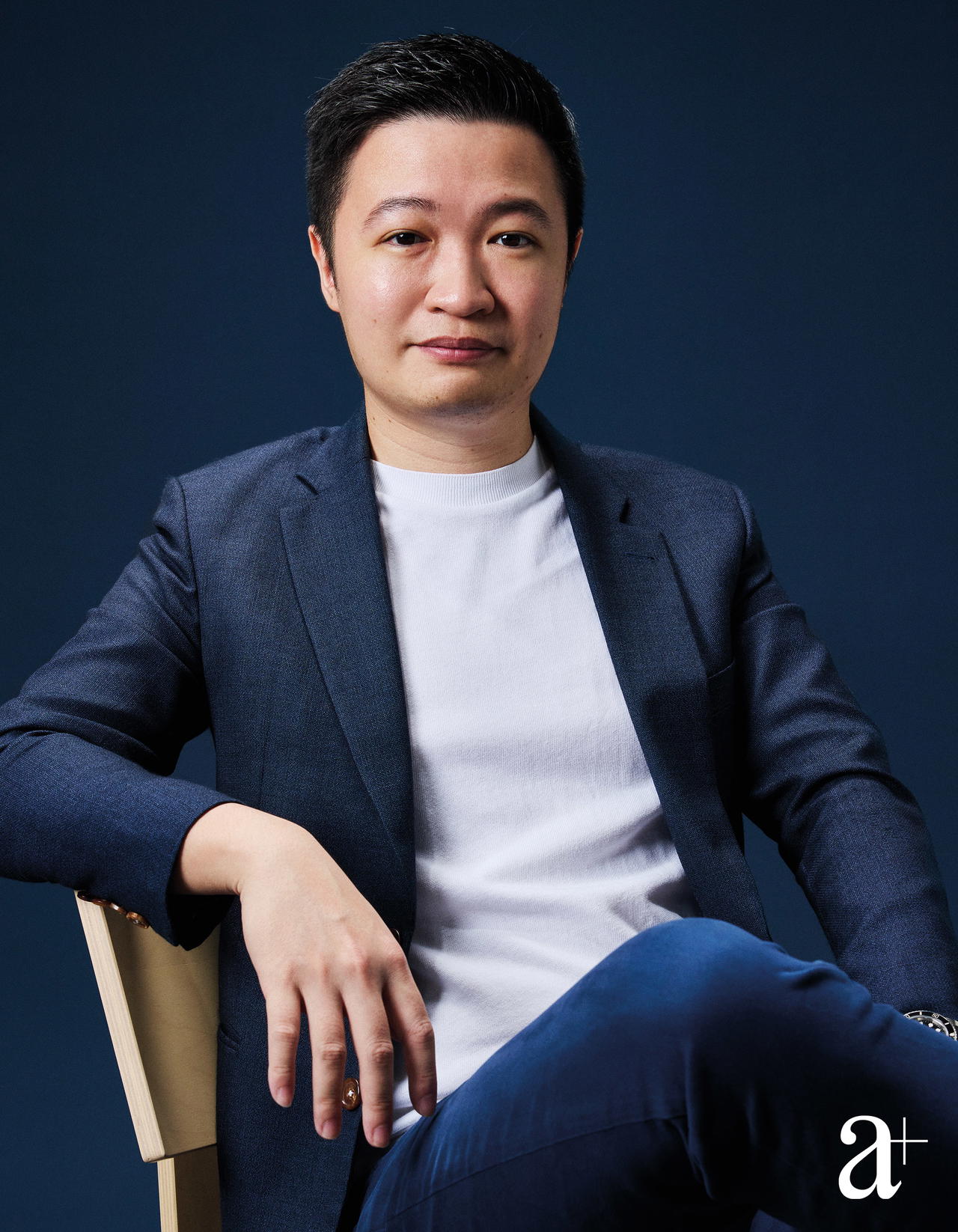
Food is easy to waste when it is plentiful and convenient to discard. However, Rayner Loi reminds us that consequences affect everyone, even when we’re not paying attention. While tossing food in the trash may hide the problem from view, it won’t lessen its severity, says the co-founder and CEO of AI-powered food waste technology company Lumitics.
Loi dropped out of university to start Lumitics after noticing a gap in the fight against food waste. While many companies and initiatives focused on redistribution, reuse and recycling, very few centred on prevention, which is the highest priority in the hierarchy of food waste.
“Even the best redistribution or recycling solution cannot recover value after food has already been overproduced.”
Rayner Loi on staying ahead of the curve
Since its founding in 2017, Lumitics has grown into a company that specialises in measuring and reducing food waste in hotels and large commercial kitchens across the Asia-Pacific and the Middle East. Its system captures images that identify the type of food being discarded, the quantity, and the timing of the waste, enabling kitchen operators to determine where and why waste occurs.
The goal, Loi stresses, is not to assign blame but to help culinary and operational teams reduce overproduction, improve purchasing and preparation decisions, and operate more sustainably. “Some chefs get defensive when they first see the data, which is understandable. The last thing a good chef wants to hear is that the food from their kitchen is being wasted. But once they realise this isn’t about blame, many become very engaged.
“Chefs are problem solvers by nature. If you show them a clear operational challenge, many will start thinking about how to adjust production, menu planning, forecasting or portioning almost immediately.”
In his experience, sustainability encompasses values and economics. While values open doors, economics often keep them open. Commercial kitchens reduce food waste when teams recognise its benefits beyond the environment. These include improving margins, minimising unnecessary work, and enhancing operational efficiency.
Loi notes that many Singaporeans dont connect emotionally with their food as we have very few opportunities to see how food is grown, harvested, and produced. Distance also makes it easier for us to take food and the resources required to serve it for granted.
The problem is reinforced by cultural and commercial norms that reward abundance. In many settings, more food is equated with better value, greater generosity and a better experience.
“A buffet that looks full feels more premium than one that looks carefully portioned, even if the fuller buffet creates far more waste. Operators also fear the consequences of running out of food more than the cost of wasting it. That makes overproduction the safer operational choice, although it isn’t the most responsible one.”
He believes a less wasteful Singapore is not one where people enjoy food less, but one where food is valued more appropriately. Households can shop more intentionally. Businesses can see waste as a performance metric rather than merely an environmental issue. By the same measure, Lumitics’ success would be making food waste prevention a standard part of kitchen operations rather than an afterthought.
“Chefs and operators would no longer have to guess where waste is happening. They have the data, tools, and culture to act on it.”
Photography Mun Kong
Art direction Ed Harland
Hair Karol Soh using Revlon
Makeup Zhou Aiyi using Cle de Peau Beaute
Photography assistant Hizuan Zailani