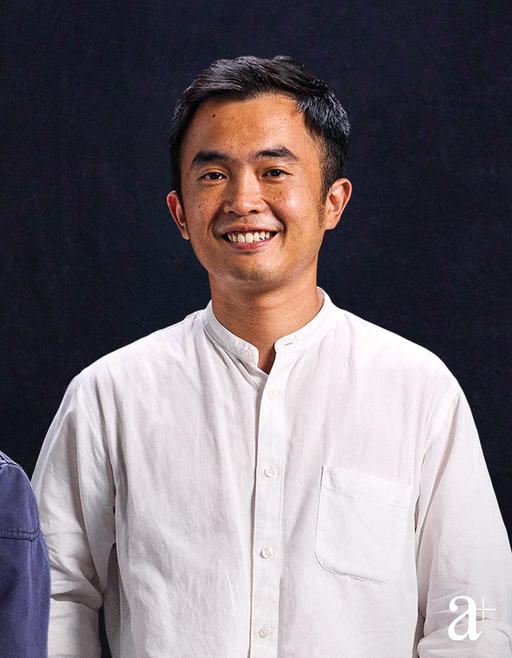
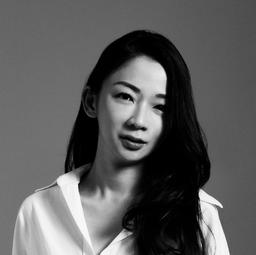
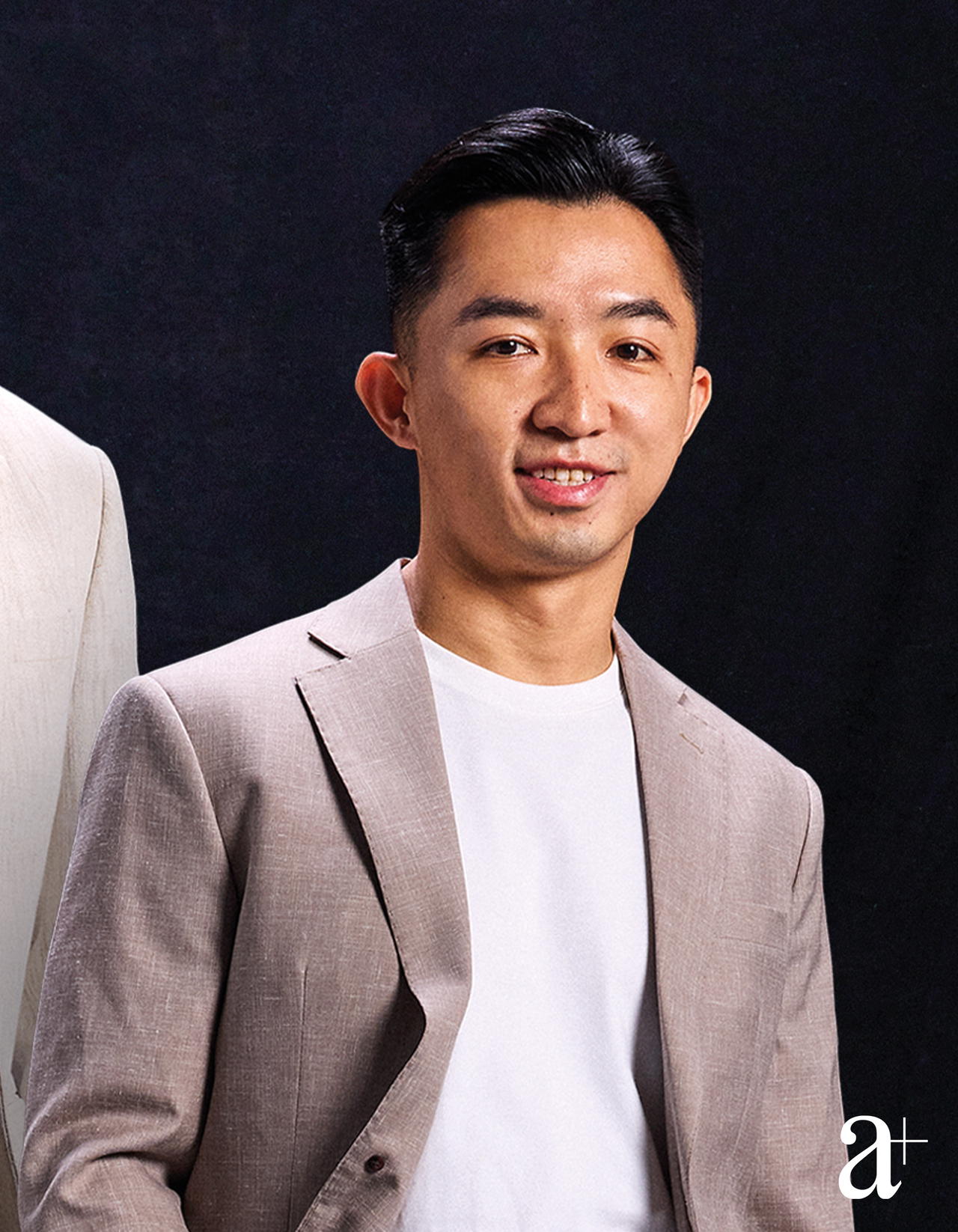
GetSolar, formerly Solar AI, is a clean energy startup that provides rooftop solar-as-a-service to homeowners and businesses. Since his feature three years ago, Bolong Chew has helped the company serve over 1,000 landed homeowners in Singapore. It has even expanded beyond residential properties into commercial and SME clients, including Scanteak, The Garden of Remembrance, and various industrial and religious spaces.
GetSolar has also invested over US$10 million (S$13 million) in clean energy financing across the region, securing its first institutional debt facility to fund the initiative. Launched in Malaysia in 2024, the company is now looking to expand into more regional markets.
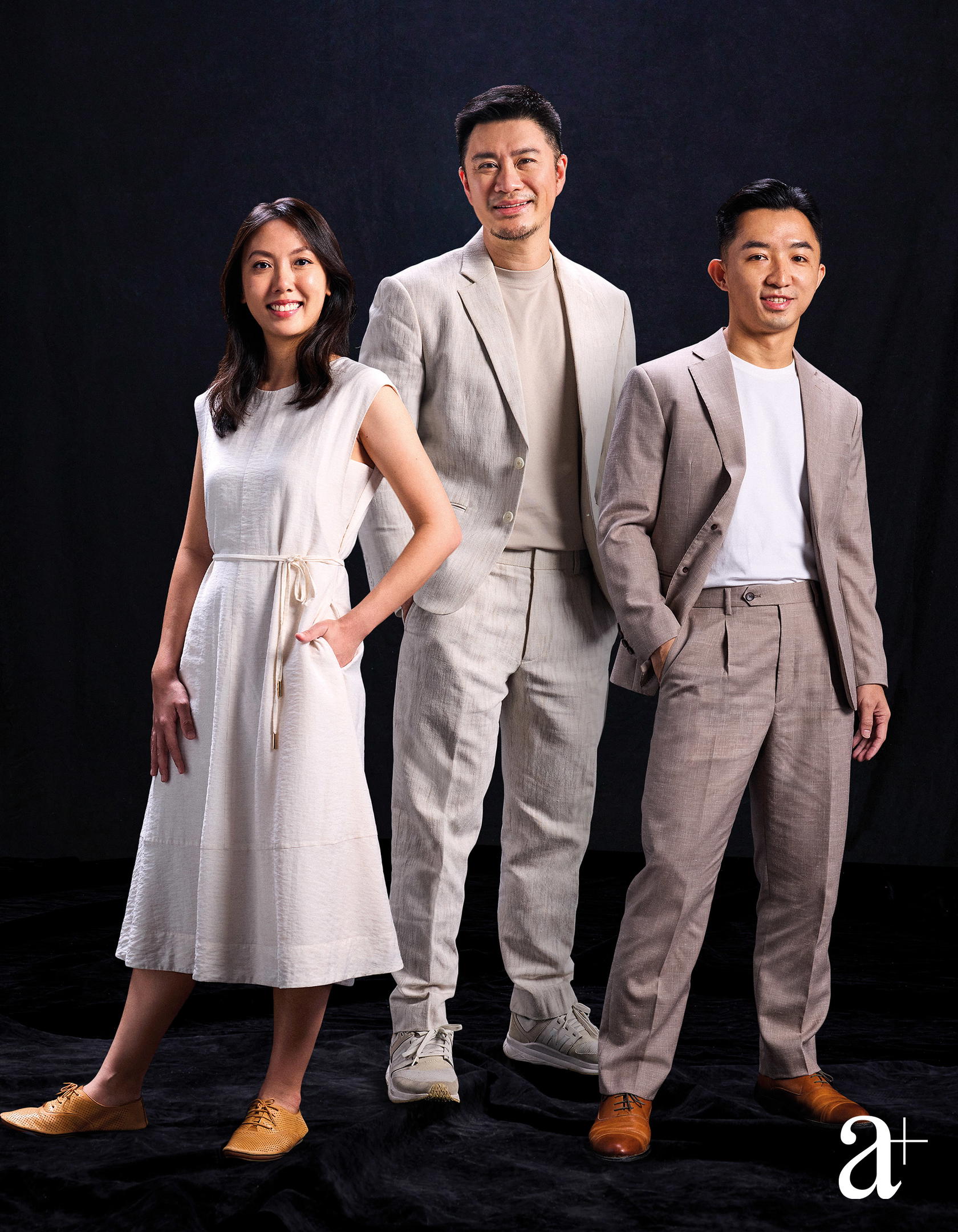
Photo: Mun Kong.
With the widespread use of AI, what has changed the most?
When we spoke three years ago, we were using AI technically, building computer vision models on satellite imagery to calculate solar potential at scale. Today, AI is the core infrastructure of our operations. On the customer side, AI-powered agents automatically book appointments without human intervention for over 30 percent of inbound leads. With this service, our team can focus on higher- value work, while providing customers 24/7 availability and high-quality experiences. We are excited to scale this across the region using multilingual models.
Is GetSolar an AI company?
GetSolar’s goal is to make solar adoption as simple as possible for homeowners and businesses across Southeast Asia. AI is the infrastructure that allows us to do this at scale and at low cost. Fundamentally, though, we are a clean energy company using AI to accelerate adoption.
Many companies describe themselves as AI companies today, but I think the greater opportunity lies in applying AI to traditional, underserved industries such as energy, construction and infrastructure, where there is significant room for improvement. That’s where AI can create the greatest value.
Singapore provides a strong foundation through its regulatory credibility, access to structured finance and proximity to the markets we’re expanding into. Its growing AI ecosystem has also enabled us to build our AI team here and attract strong talent.
What recent developments in solar technology have most excited you?
Over the last decade, solar panel efficiency has nearly doubled, while new technologies such as building-integrated photovoltaics and flexible solar cells have expanded where solar can be deployed. These advances have made solar viable in many more settings.
What excites me most over the next five years is the role of software. Data and AI will transform how distributed energy is managed, not just generated. As more homes adopt solar panels and batteries, homeowners will be able to optimise in real time how they generate, consume and export electricity. At scale, this can improve grid stability, aggregate demand and support a more responsive energy system.
Solar will no longer be just a panel on a roof, but part of a smarter, more resilient energy network that delivers greater value to homeowners.
What is the Singapore you want to build through your work?
It’d be where renewable energy is prevalent throughout the country—where those living in HDBs can also access cleaner, lower-cost energy through regional clean energy grids. Beyond that, I envision a Singapore that other Southeast Asian markets look up to as a living example of how consumer-level energy transitions can be made accessible, commercially feasible, and at scale.
In your view, Which emerging technologies will have the greatest impact on solar?
The three technologies I’m watching are batteries and energy storage, which are making residential-scale storage more economically viable; data analytics and AI, which enable rooftop solar systems to participate in grid balancing and address the mismatch between solar generation and peak demand; and tokenisation infrastructure, which could turn distributed solar into a tradeable asset class accessible to retail investors.
Photography Mun Kong
Art direction Ed Harland
Hair Karol Soh using Revlon Professional
Grooming Sveta Klyn (The Suburbs Studio) using Chanel
Photography assistant Hizaun Zailani