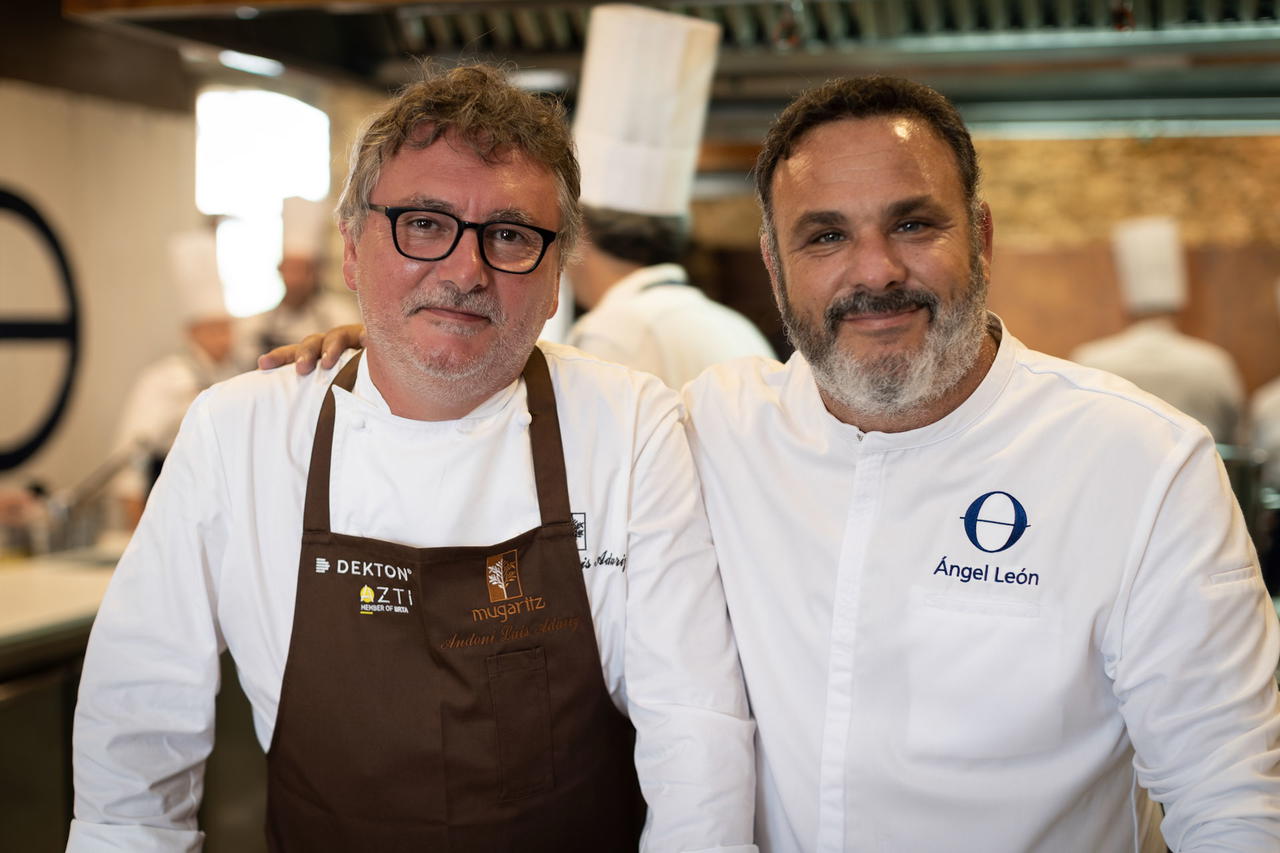
“If you do not speak with hunger, you must speak with poetry,” says Andoni Luis Aduriz of Spain’s two-Michelin-starred Mugaritz, one of the world’s most influential restaurants for over two decades.
In his poetically named dish Frozen Kiss, I grasp a ball of opaque ice in both hands, lift it to my mouth, and half lick, half suck a dollop of oyster granita tumbling over one side. I can feel the cold of the ice on my lips, and the oyster’s freshness is a blast of saltiness. This is not a playground kiss inspired by the rhyme “roses are red, violets are blue” or a chaste flowery sonnet kiss. It is seductive and unsettling.
Upside Down, another dish, is made by shaving off the skin of an octopus head and spreading it with bay leaf-flavoured lard. On top, it is deep red, while underneath, it is translucent pink. The jelly-like collagen is thick, soft, and slick as I chew. It feels like the inside of my mouth. My mind struggles to process the sensation: a mouth eating itself, a palate turned inside out. It’s uncanny.
Two Dishes By Mugaritz
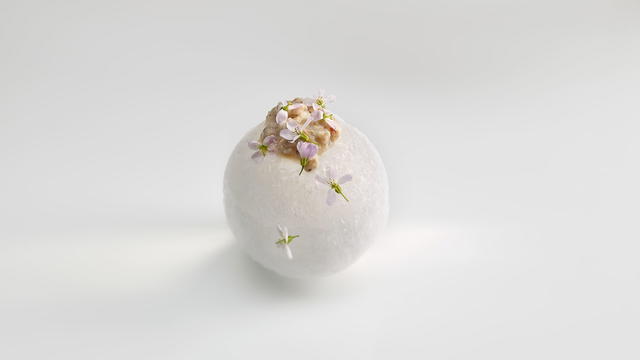
Frozen Kiss by Mugaritz. 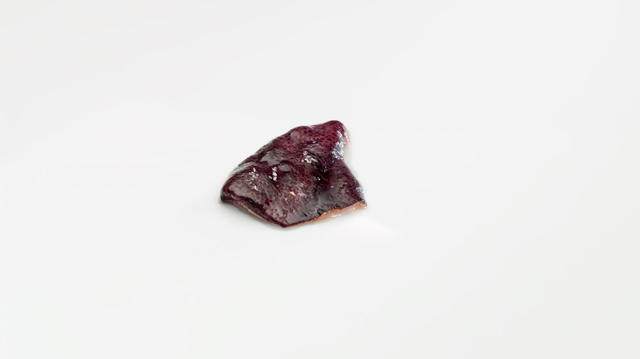
Upside Down by Mugaritz.
As a poet plays with words, Aduriz plays with his tools—elements like taste, texture, and temperature, but also the act of eating, with all the expectations that go along with it—to take diners to places they never imagined possible over lunch.
While Aduriz is a poet who speaks in surreal and provocative verse, the other chef who has drawn me to Spain for this one-of-a-kind, 17-course collaborative menu speaks with hunger.
Ángel León of the three-Michelin-starred restaurant Aponiente, while equally an artist—a chef does not reach such levels of gastronomy merely by being a technician—is more inspired by physical, rather than metaphysical factors.
Aponiente is located in a 19th-century former tidal mill at El Puerto de Santa María in the Bay of Cádiz in the south of Spain. El Puerto, where León was born, has one of the highest unemployment rates in Europe. As part of his efforts to uplift the area, he is regenerating the vast abandoned salt pans surrounding his restaurant, creating new ecosystems, and providing income for its residents.
To achieve this goal, he runs an astounding array of projects. Among these is cultivating zostera marina, also known as seagrass, eelgrass, or sea cereal, for the first time in history. Ultimately, he dreams of providing humanity with a sustainable new superfood: rice-like grains harvested from this aquatic plant.
“We’ve stopped looking at nature with hunger,” he says. Guided solely by the world around him, his love of the vast oceans, and his frustration with the excesses of modern life, León has developed a sea pantry. “We live in a world that looks to insects and plants for protein, but we don’t realise how many unknown species, flowers, and roots exist in the sea,” he says.
“We spend billions to reach the moon and Mars, but we make no proper investment in exploring the sea.”
In the face of declining fish stocks, and climate change altering marine ecosystems, anyone with a respect for the sea—never mind an interest in life continuing on this planet—must think radically and with a conscience.
León has never been afraid to cross boundaries and experiment. In 2008, he fused fish loins with collagen to create what he called “new species” hybrids. He cooked fish eyes at 55 deg C in a thermal circulator until the gelatin collapsed and then used it to thicken sauces. He later turned the centres of fish eyes into popcorn snacks.
Additionally, he pioneered the use of plankton in the kitchen and lit his dining room with marine bioluminescence. For mortadella, he used sea bass; for blood sausage, mussels. His innovations in what he calls “marine offal” (offcuts normally discarded) have resulted in a 50 percent reduction of waste from the 10 tonnes of fish that pass through the kitchens of Aponiente every month.
Fish also appears in León’s desserts. His Moray Eel, for instance, is a deconstructed mochi topped with miso ice cream and fish scales boiled in syrup and fried—a technique inspired by Cantonese cuisine.
The mochi skin is a fold of brown eel skin that has undergone “lactic deodorisation”, a process in which the casein in dairy milk is combined with cinnamaldehyde from cinnamon to neutralise fishy smells. It’s not what most people expect for dessert, but it is utterly delicious.
His latest experiments, the final Mignardises, which include a dragée (bite-sized sweet confectionery with a hard outer coating) made from fish ear bones and macadamia nut cream, and his take on the classic Spanish sweet olive oil crisp bread Torta Ines Rosales, which he makes out of croissant biscuit and soft shell crab, are served in Aponiente’s reception room. They are accompanied by a beautiful glass of exceptional sherry from the nearby Jerez de la Frontera.
Aduriz and León are relaxing post-service. The regard these two titans of Spanish—and global—gastronomy have for each other is moving. They have been friends for decades, but have never cooked together before.
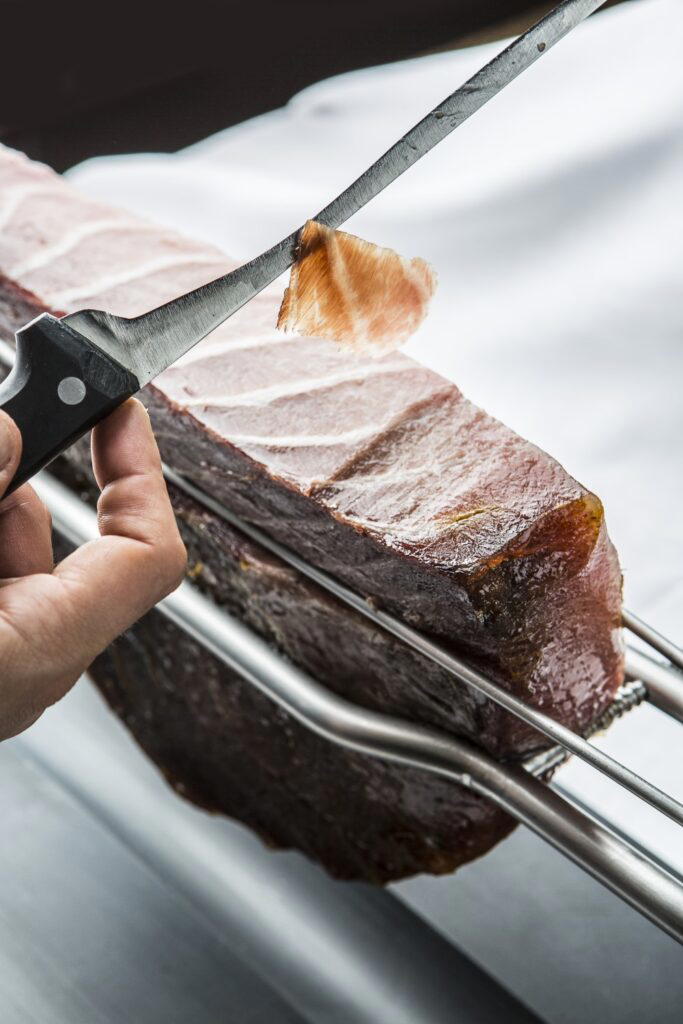
Two Dishes by Aponiente


Aduriz is famously resistant to cooking outside his kitchen and will only do it for “those he loves”. This is the first, and last, time the two are cooking together. León finds his creativity particularly inspiring. “He is a true artist. With Andoni, there’s no B-S. He continually breaks the mould,” says León.
“Creativity isn’t putting flavours on the plate or pioneering new techniques. True creativity is not knowing what you’re doing,” he adds. This admission—nay, celebration—of saying “I don’t know” (“no sé” in Spanish) is refreshing in a world where chefs are known to have inflated egos.
Perhaps it is the humility that comes with maturity—Aduriz is now 52 and Leon is 46—and, of course, success. Both chefs recall dark early days when their unique approaches were misunderstood and their restaurants faced closure, but now their preeminence is irrefutable.
In 2017, Aponiente received its third Michelin star, the world’s first Michelin green star for sustainability, and the Sustainable Restaurant Award from the World’s 50 Best Restaurants 2022.
For the last 14 years, Mugaritz has consistently placed among the World’s 50 Best Restaurants, and this year, Aduriz took home the prestigious Icon Award, given to an individual who has made an outstanding contribution to the hospitality industry.
More than two decades in the restaurant business have given both a vantage point. While Aduriz admires the skills of the new crop of young chefs, he is alarmed at a creeping uniformity in global gastronomy. “Technically, the new generation of chefs is better, they are better informed, and they have a fresh impertinence,” he says.
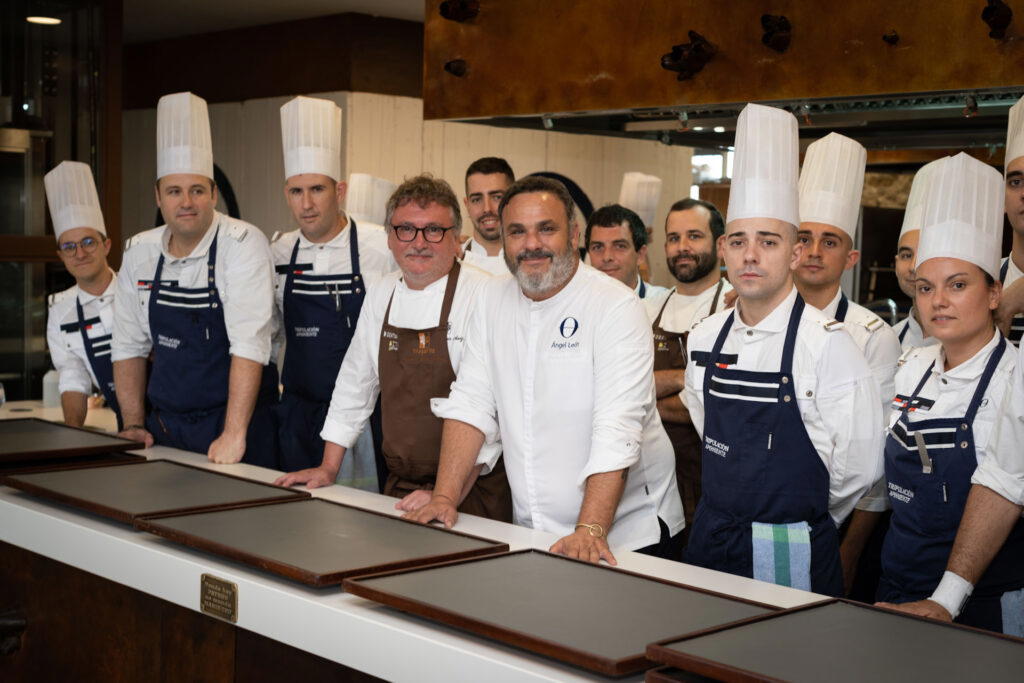
“But I am concerned that some are blinded by the mermaid song of new codes that dominate the dining landscape—codes set by Michelin, Instagram food photos, or popular styles of gastronomy. Instead of dipping into their personality, they’re following these new references.”
Leon agrees. “You go to a remote part of Bali or a small town in Spain, and you find a chef trying to do something new only to find it’s a copy-paste of the Nordic style. They’re trying to be René Redzepi of Noma in Copenhagen, but they aren’t.”
Although these two chefs approach gastronomy differently, conceptually, and geographically—Aduriz is situated in the hills near San Sebastian in the Basque Country on the northern coast of Spain, while Leon is situated in the flat coastal plains of the very south—they are united by their singular commitment and determination to pursue their visions.
Speaking of how they approached their collaborative lunch, Aduriz captures their perspectives in typically lyrical fashion. “Ángel looks at the coast from the sea, and I watch the sea from the land,” he says.
“That’s a poetic way of putting it,” I say. “That’s what they pay me for,” Aduriz replies with a chuckle.