Makoto Arami (Japan), Dee Chan (Hong Kong), Louis Han (South Korea), Stephan Zoisl (Austria), Julien Royer (France), and Mirko Febbrile (Italy) come from different corners of the globe, but Singapore is where they have built their home, career, and communities.
Most of them chose Singapore because of its vibrant, meritocratic F&B scene. Arami, Chef-Director of Ami Patisserie, describes it as “a very stimulating environment with many opportunities”, and a cultural diversity that allows him to explore creative directions.
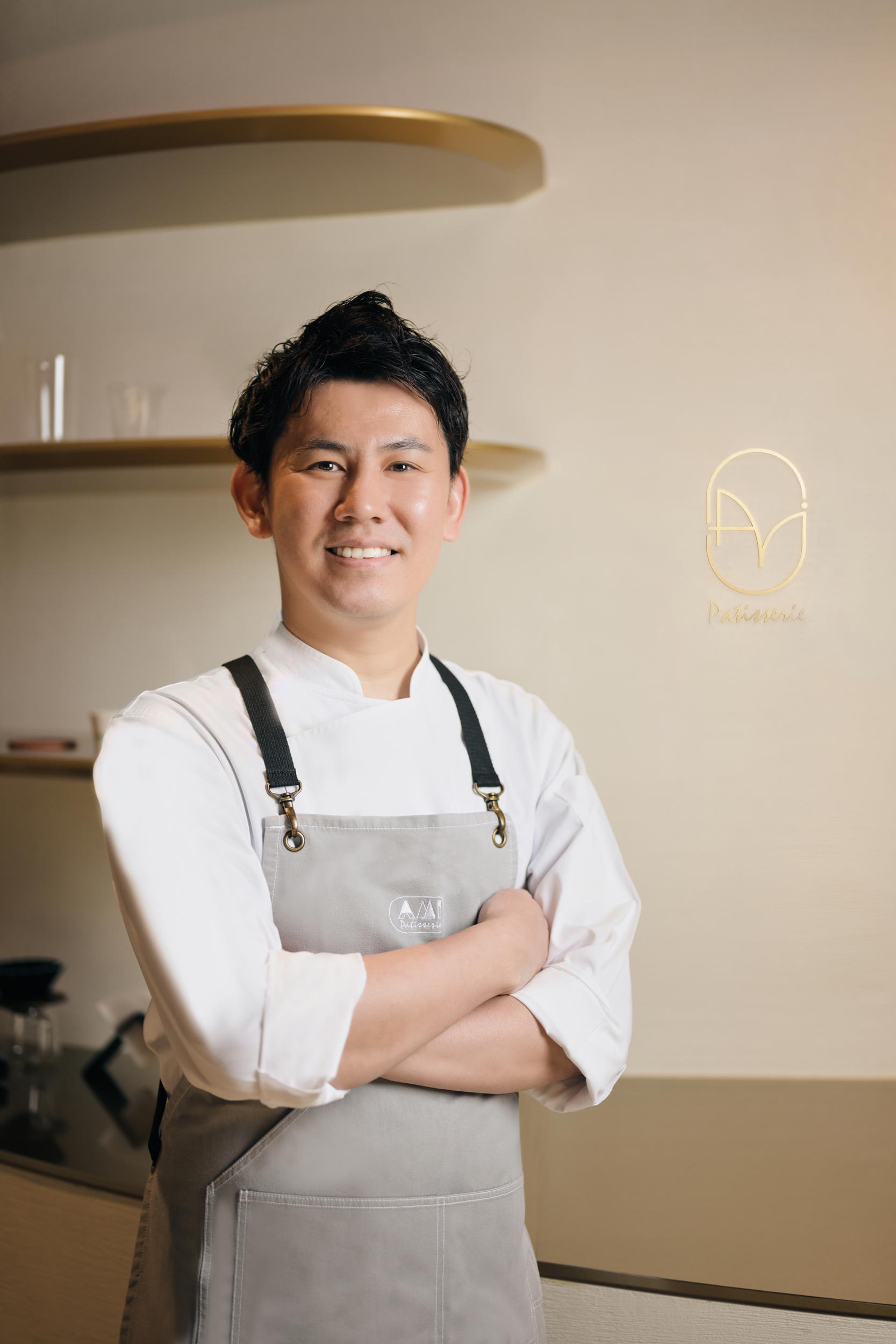
Having arrived in 2017, the Hikone native worked for Michelin-starred kitchens like Beni before launching his own patisserie concept in 2021. Singapore’s sole rep at this year’s Pastry Special Awards organised by La Liste, a French global guide to restaurants, hotels, and pastry shops, he was named Pastry Talent of the Year.
NEW POVS, FRESH IDEAS
A career move turned into a journey of pleasant surprises for Zoisl. He tells us that “Singapore gave me the opportunity to grow as a chef, as well as a person.” He moved to Singapore in 2007 to run the now-closed Novus Restaurant and Bar and later, the now-defunct Chef’s Table in 2015. He opened Chef’s Tavern, a bistro serving Euro-Japanese cuisine, in 2025. “I felt like I had walked into a living classroom, and I didn’t want to leave.”
The same energy and openness resonate deeply with Febbrile, who landed in Singapore in 2015 with a one-way ticket and little more than a gut feeling: “I never felt like a stranger.”
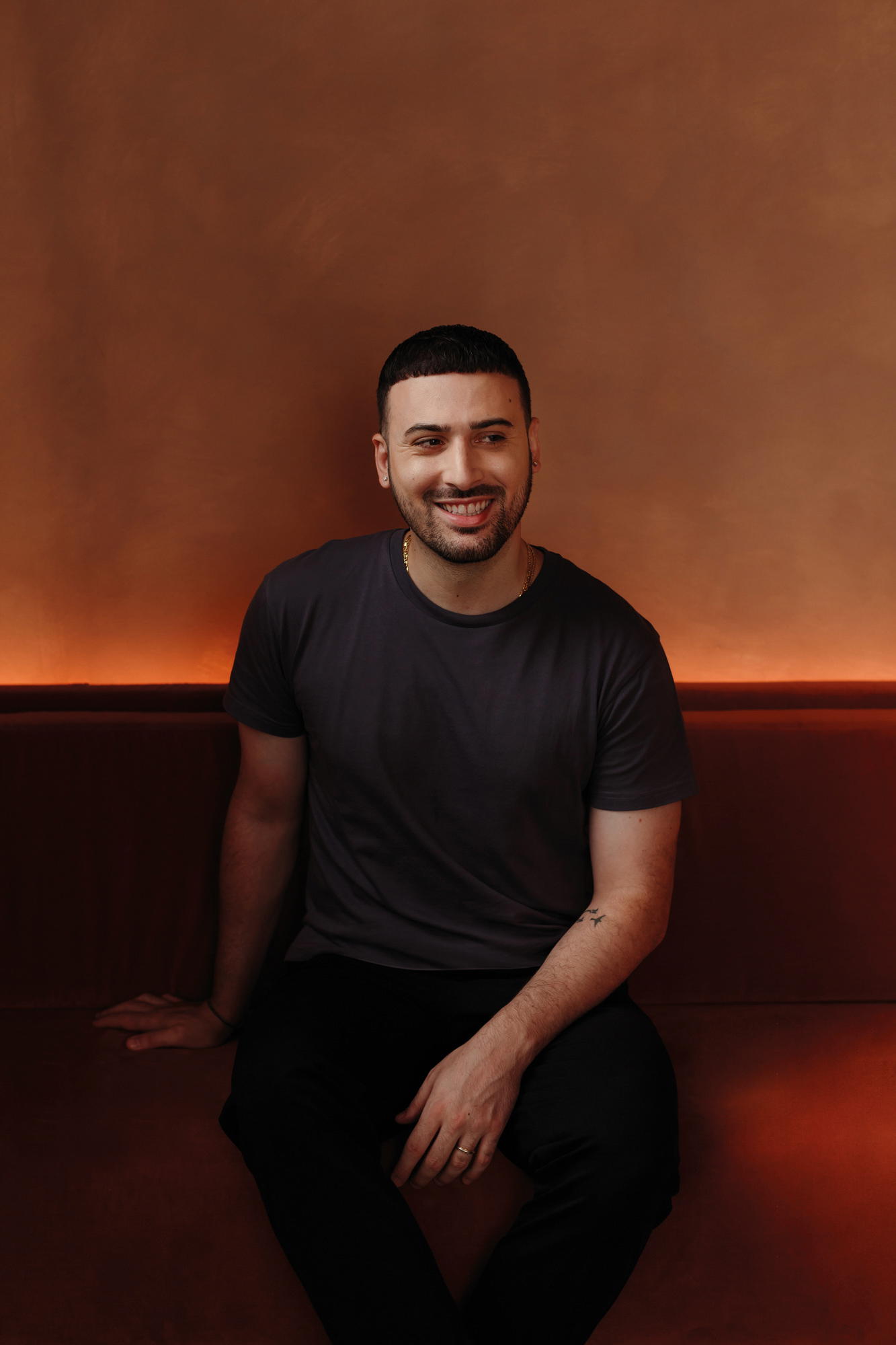
Photo: Somma/Fico
Within a year, he became Head Chef at Braci, earning its first Michelin star just nine months later. “It was fast and intense, but the pace matched my ambition,” says Febbrile, now Chef-Owner of Somma and Fico. “There’s a real pride in feeding people well, and that speaks to me.”
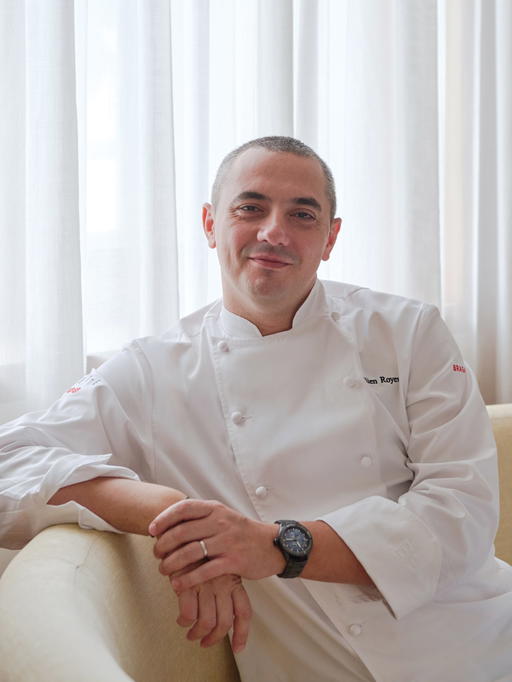
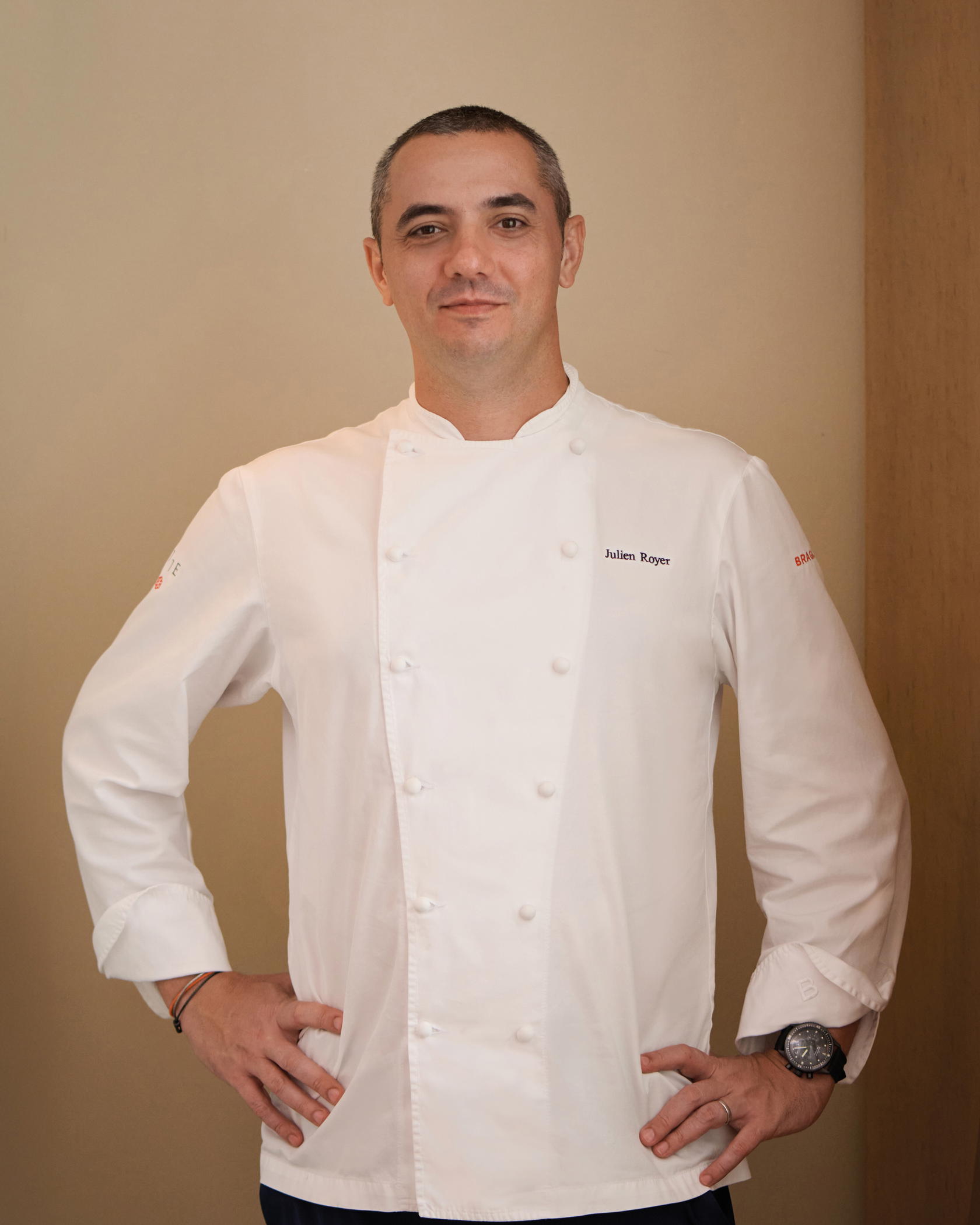
Singapore’s intersection of opportunity and inspiration keeps Royer, Chef-Owner of Odette (with three Michelin stars) and Claudine, anchored here. “I used to cook only classic French cuisine, using only French products. But life here at the crossroads of Southeast Asia gave me a renewed perspective.”
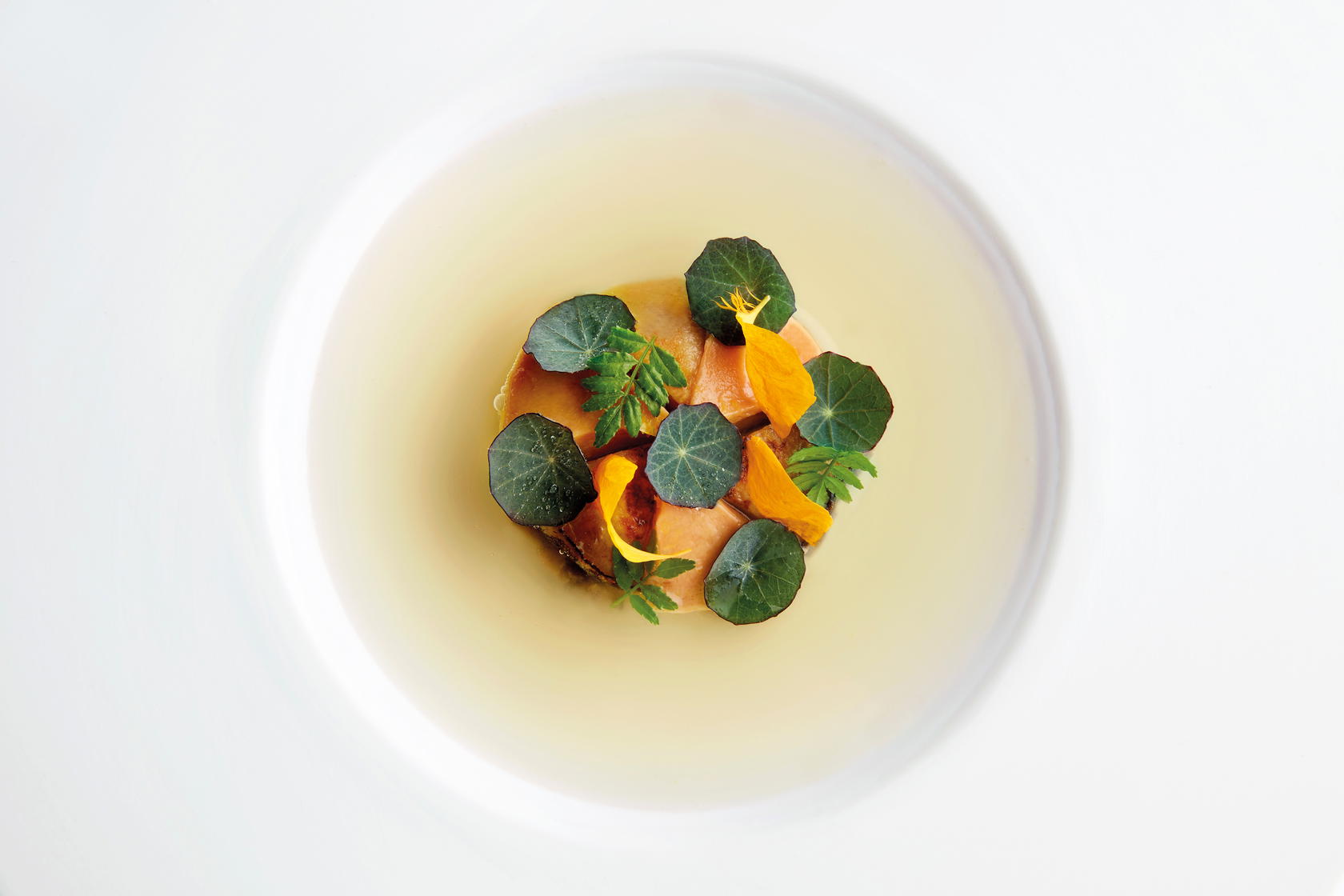
Today, he works closely with local farms and native ingredients. “I feel much more comfortable cooking the way we do now.” As an example, since moving here in 2008, he has grown to love citrus, something he rarely used in his cooking before. “I love the way it adds a brightness to any dish, as well as finesse and complexity.”
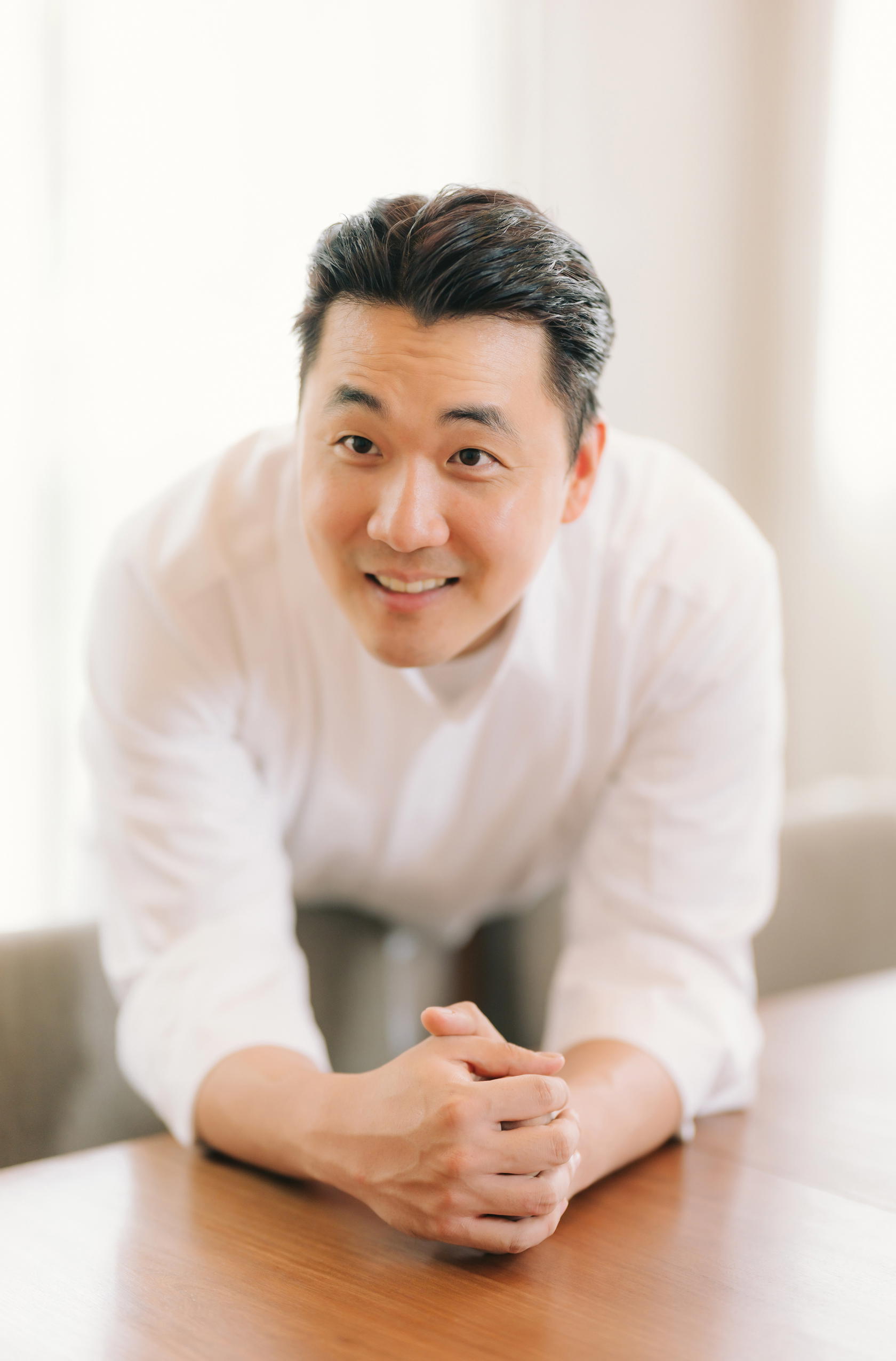
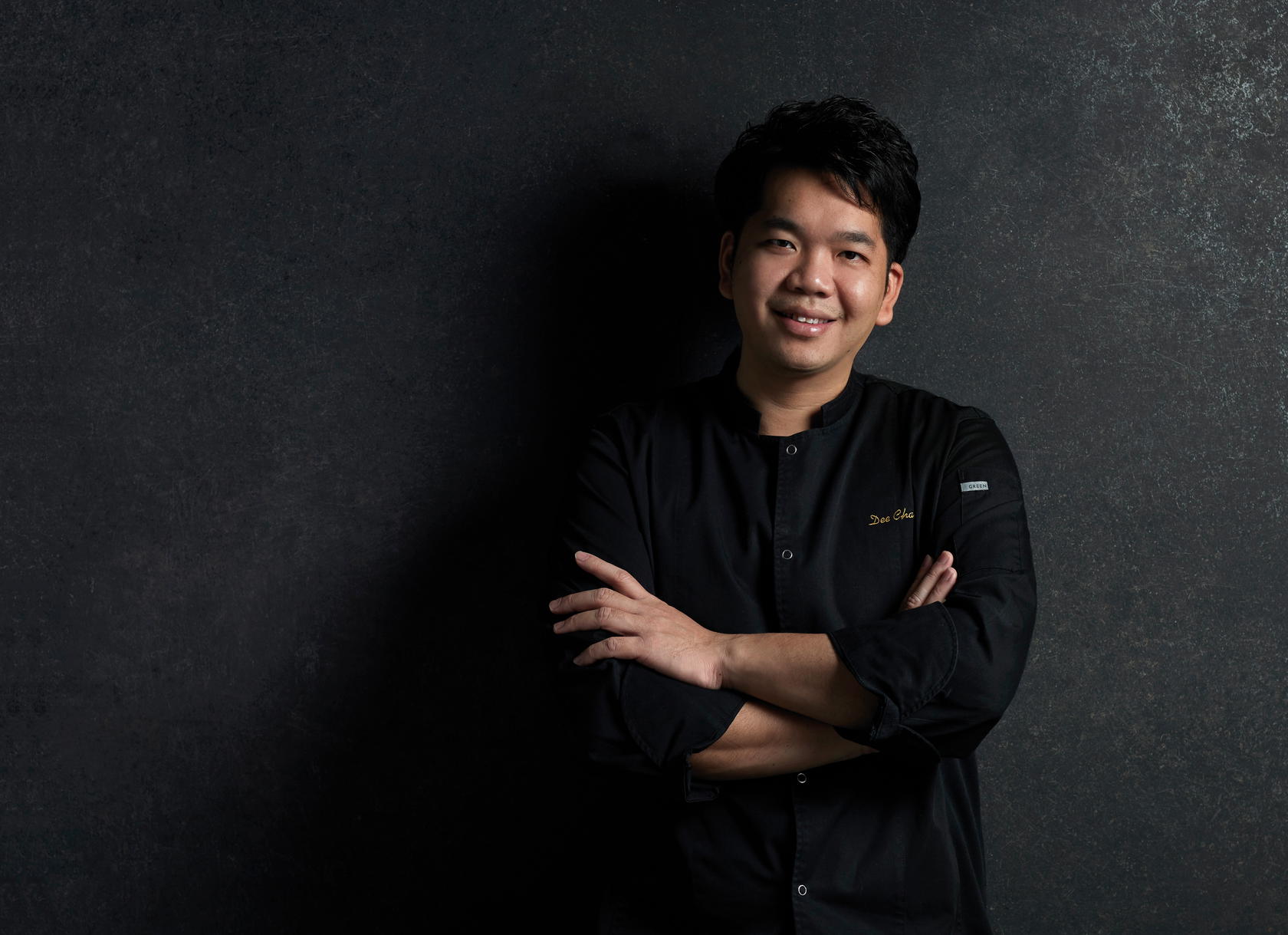
The Black Pearl’s Executive Chef, Chan notes: “Singapore is where I found my roots, grew, and discovered my self-worth.” Born in Hong Kong, he moved to Singapore in 2005, completed national service, and became a citizen. With crowd-pleasing dishes like Cantonese-style duck served with local asam, the restaurant reflects his journey.
BUILDING A CULINARY LEGACY
Singapore’s multiculturalism has become more than just inspiration, it’s driving foreign chefs to push the limits of fusion by introducing local ingredients to their traditional cuisine in unexpected ways. Han, who is the Chef-Founder of Nae:um and Gu:um restaurants, describes it as a dialogue between tradition and reinterpretation. “I wanted to bring my Seoul upbringing into a modern context, and Singapore offered that platform.”
Having lived here since 2016, he often incorporates local ingredients into Korean dishes, such as diamond trevally or XO fermented sambal with bibimbap at Gu:um.
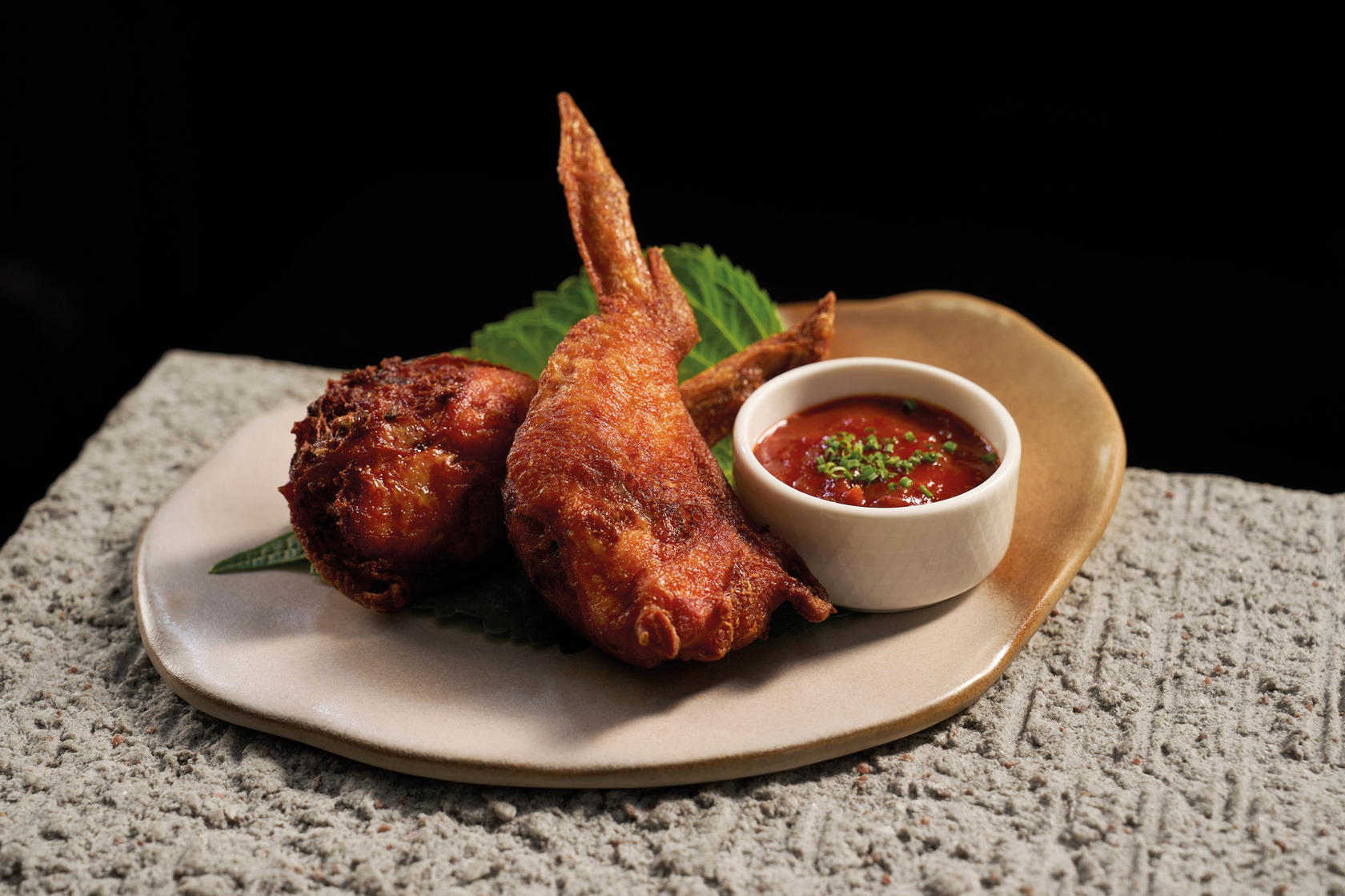
To celebrate SG60, he has created four dishes inspired by hawker favourites, available at Gu:um until the end of August. One of them is Mandu Wings, deep-fried chicken wings stuffed with minced chicken and glass noodles, then served with mala tomato sauce.
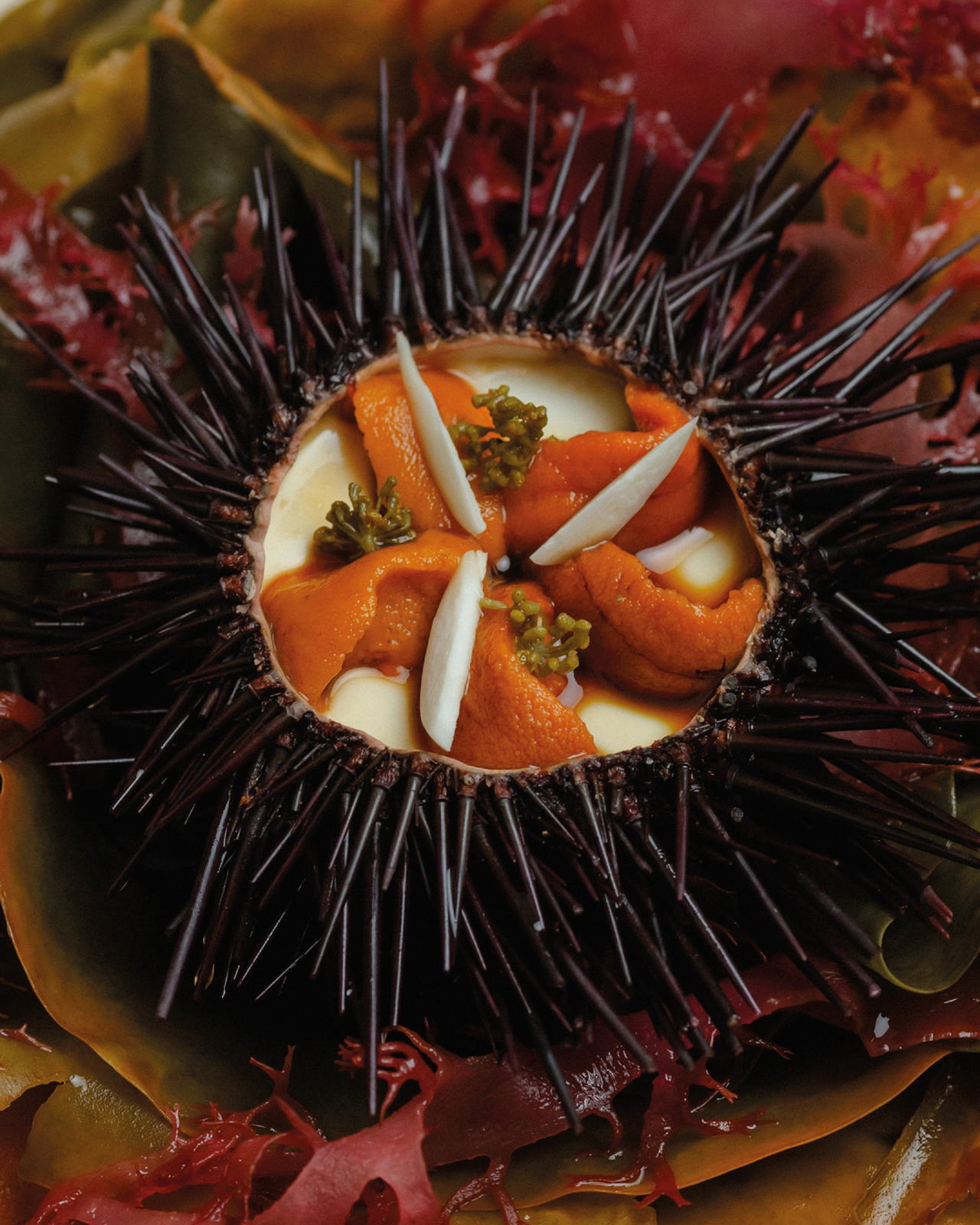
Febbrile manifests that influence in quieter, more personal ways. At Somma, one of his bestselling dishes, Bafun Uni, Almond, Tomato, Scamorza Water, is a nod to his Puglian roots and our soya bean curd dessert. “It’s my interpretation of douhua, something I ate so many nights after late shifts. Now that memory lives in this dish, which blends uni and almond milk pudding with tomato caramel. It’s Italy and Singapore in one bite.”
Febbrile also credits the local food culture for constantly sharpening his craft. “The way people here understand food across cultures and classes pushes you to be better,” he says. “They’re curious, and unafraid to compare a $4 bowl of noodles to a fine dining dish. That keeps you grounded.”
In addition to building menus, these guys are also building meaning. “Legacy isn’t about a signature dish. It’s about people,” says Febbrile. “If I can help raise a generation of chefs who are sharp, humble, and responsible, then that’s worth building.”
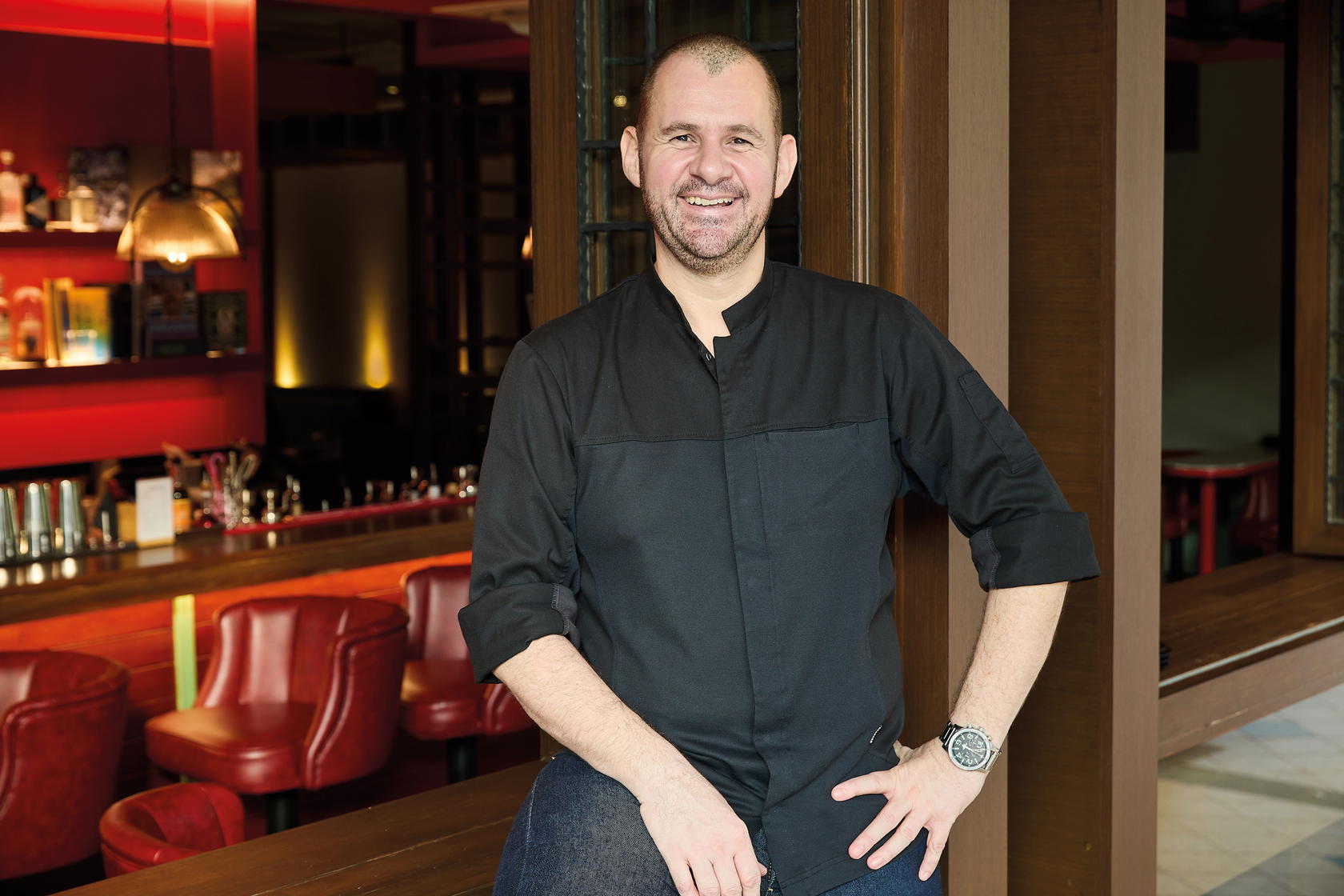
Zoisl echoes the sentiment. “I never expected to stay this long, but this country welcomed me. I owe it to Singapore to give something back, through mentorship, innovation, and respect for its culinary heritage.”
As Singapore’s 60th year celebrations coincide with Chef’s Tavern’s six-month mark, every Singaporean and PR with the number six in their NRIC receives a complimentary drink with any order during the month of August. “It’s just a small way of saying thank you for being part of the story,” says Zoisl, who became a PR in 2015.
YES, ONE OF THEM LOVES CHICKEN RICE
“Singapore feels like home, not just because I’ve been here so long, but because of the people I’ve built my life with,” says Royer. “My team, my friends, my wife. They’re all here.” He has embraced new traditions like giving red packets to his team every Lunar New Year and gathering for lo hei.
Outside their kitchens, they have also established their own rituals and roots. Arami, for example, goes out with his friends every week for fish ball noodles; his standard order is dry mee kia with normal chilli. “It’s a small but comforting routine,” he says.
Chan’s favourite dish is Hainanese chicken rice. “It looks deceptively simple with glossy rice and tender chicken, but it requires real skill and reflects Singaporeans’ high standards. Each time I eat it, it reminds me to never forget the authentic flavour, even when I’m creating something new.”
Febbrile, meanwhile, is more emotional. “Every time I speak to my nonna (grandmother) in Italy, she jokes that I lied to her about being back in a couple of years. The truth is, I have found something here, something I didn’t want to leave behind.”