India is in vogue now. The last five years has welcomed an explosion of fine dining restaurants offering their modern takes on Indian cuisine. There is Revolver at Tras Street with its dedication to fire, smoke and spice. Gaggan Anand first began with a pop-up at Mandala Club and then, entrenched himself permanently with Ms. Maria and Mr. Singh. Old favourites such as Rang Mahal and Song Of India continue to be top of mind during water cooler conversations revolving around best Indian restaurants.
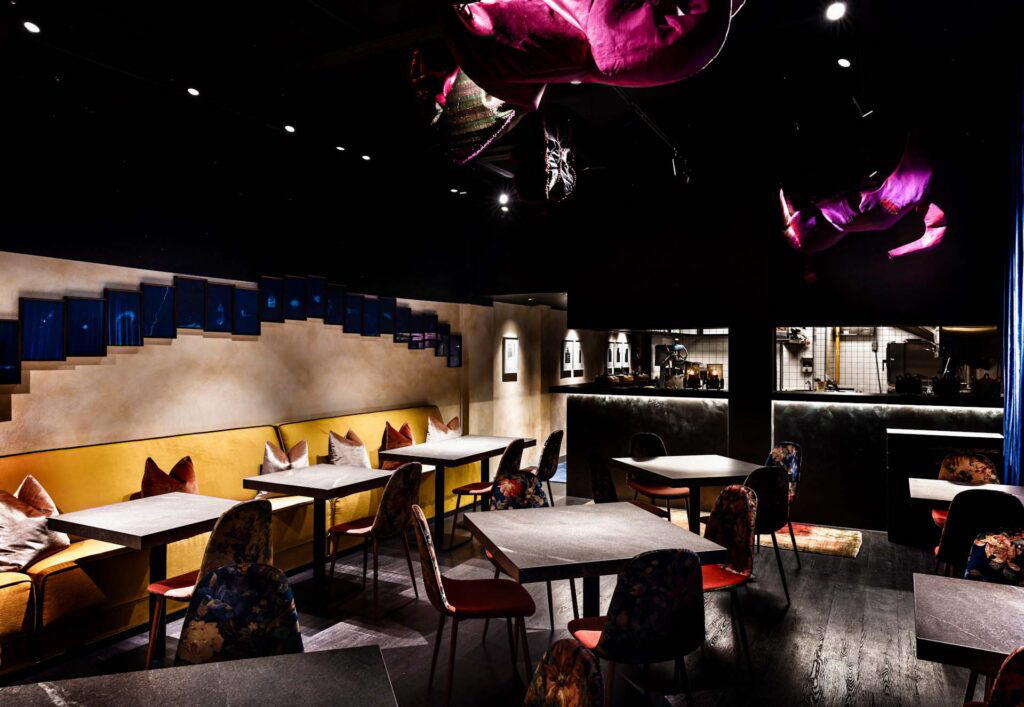
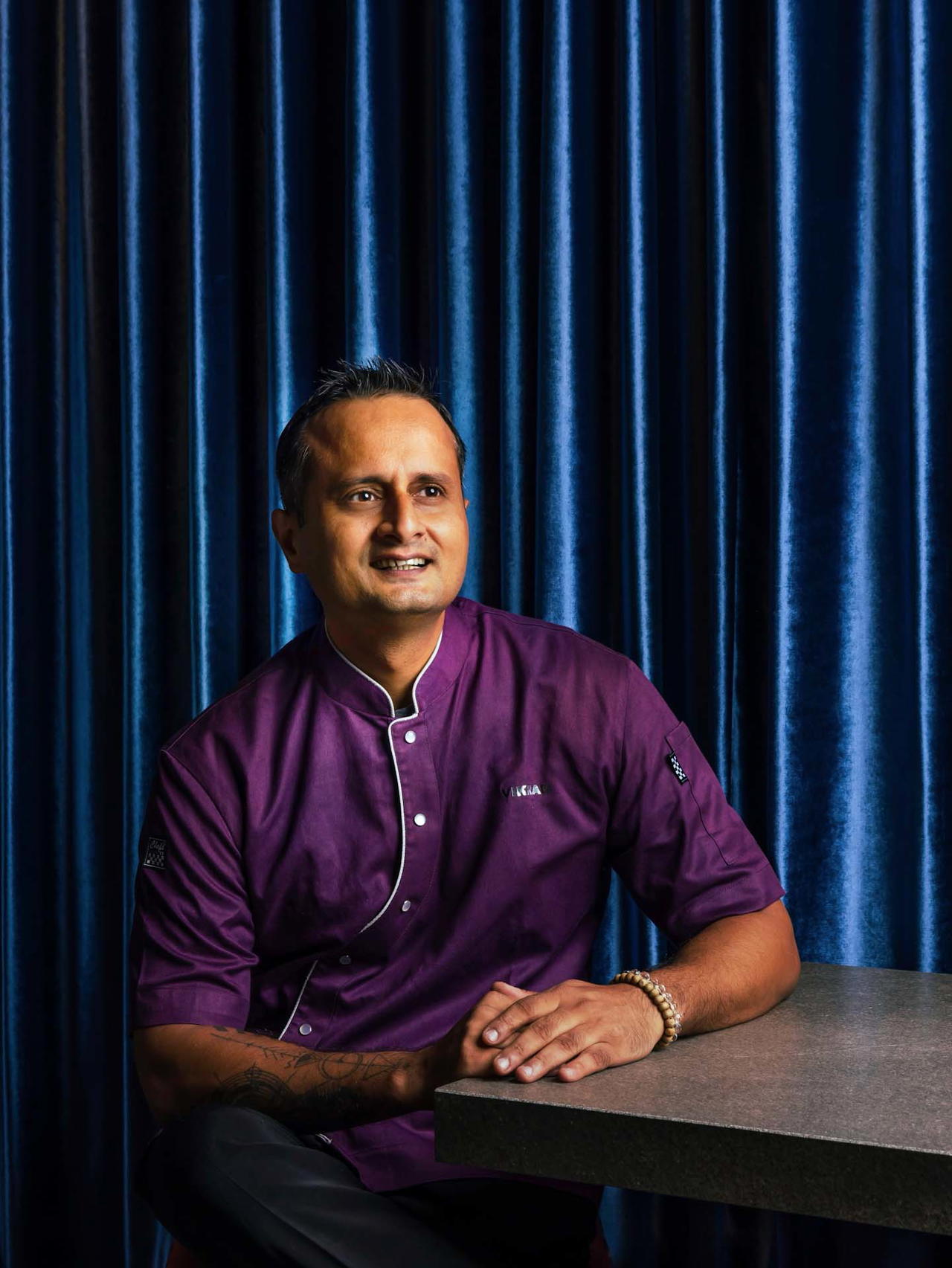
Now, at the old location that used to house Burnt Ends comes Ahara. It’s helmed by culinary veteran Vikramjit Roy who spent time in Heston Blumenthal’s research and development team in England, survived the manic kitchen of two-Michelin-starred Bo Innovation in Hong Kong and built respected restaurants in his home country.
Heavily tattooed—seemingly a uniform for any respected chef—Vikramjit has created a masterclass in Indian culture with his 9- and 16-course menus, dubbed Explore and Expedition respectively. Every dish is accompanied with an enthralling tale of its origin and an enthusiastic employee. My favourite: the story of the Bombay Toastie, a simple potato and vegetable sandwich, elevated with a timur pepper cured salmon and a dollop of Imperial caviar. A common street snack loved by many, the Bombay sandwich came to India thanks to its previous colonial rulers, Britain with its bread and Portugal before her with potatoes. Vikramjit grew up eating the dish and wanted to pay homage to it.
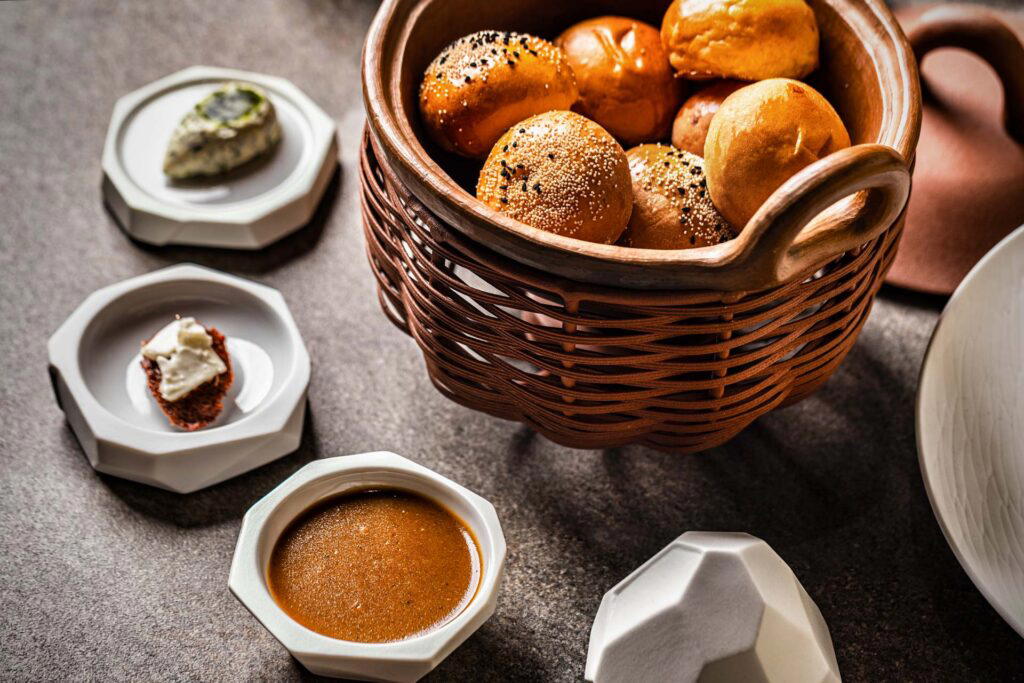
Echoes of his childhood emerge in Ahara’s other dishes. Ahara’s Bread celebrates India’s communal bakeries with the Litti. It’s a dough ball stuffed with carrots, chilli, onions, ginger and carom seeds, and presented with three dips—homemade herb butter, a meat pate, and a delicious chicken korma gravy. The palate cleanser, India’s version of Singapore’s beloved ice kacang, sees shaved ice splashed with three types of syrup. It’s Vikramjit’s take on Baraf Ka Gola, or a crushed ice popsicle.
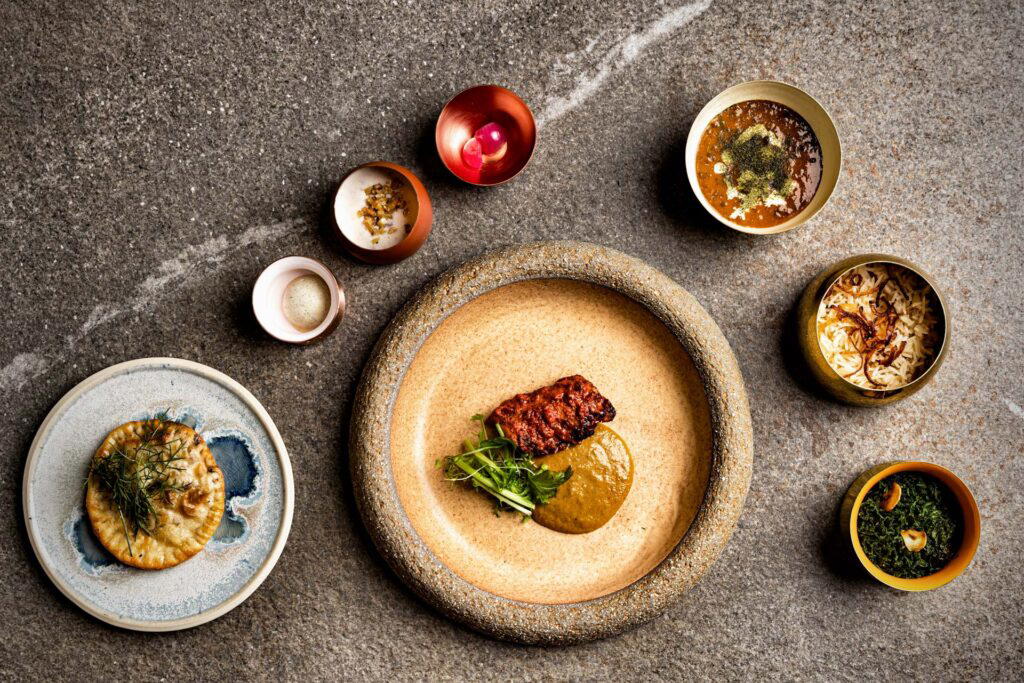
The pièce de résistance, however, is the appropriately named The Grandeur. It’s a visual and veritable feast—slow-cooked goat shank served with seasonal vegetables, butter chicken kulchette, pickled baby carrots, roasted onion pulao, fenugreek white butter, walnut raita and dal makhni. It’s as delicious as it sounds, and twice as filling.
The only miss? Ahara’s Caviar, Vikramjit’s take on the humble buckwheat—considered a poor man’s food—served with the personification of luxury, caviar. While the concept is admirable, the execution leaves much to be desired. The texture became a mushy mess, causing the flavours for both to blend anonymously. It’s a supplement to the usual nine-course meal, so I’d recommend skipping it.
Don’t let Ahara’s Caviar dissuade you from the rest of the otherwise excellent meal. I walked in expecting another version of paneer and a tandoor grill blazing away in the kitchen. Instead, the meal explored a side of India I had never seen—a mish-mash of the country’s colourful streets, her history and Vikramjit’s growing-up years.
I think there’s going to be a new entrant to that water cooler conversation about Indian restaurants.