Full disclosure: I travelled to India carrying many common misconceptions about Ayurveda, thinking several days of gentle “detox” would do me well. Imagine vegetarian food, gallons of herbal tea, a few rounds of restorative yoga, lots of positive vibes, and most certainly, relaxing spa massages scented with lemongrass oil. This would be the perfect wellness break for today’s overstimulated traveller, combining self-care and enlightenment on a platter that is Instagrammable.
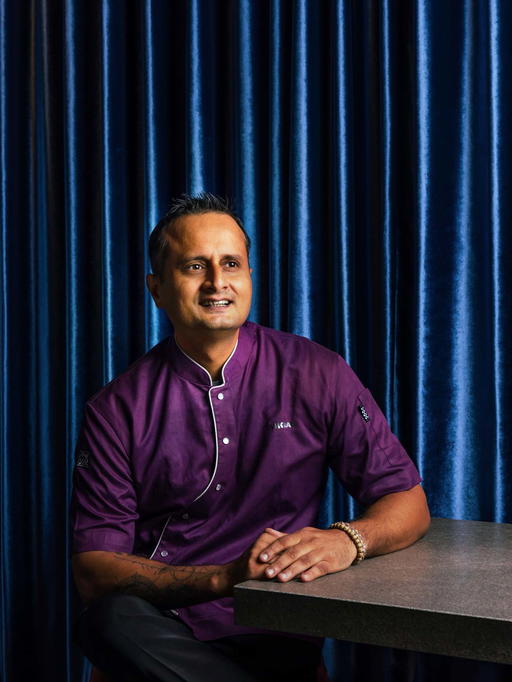
I got all of that and then some, to my surprise, during a four-day three-night ayurvedic immersion at the invitation of The St. Regis Goa Resort. Upon my arrival at this recently restored luxury resort set amidst lush, naturally landscaped foliage of some 300,000 tropical plants, I am whisked off for an ayurvedic consultation with Dr Praseed Nair. In his role as Director of Spa and Wellness and a certified ayurvedic physician, he oversees the resort’s ayurvedic programme.

“The therapeutic depth of Ayurveda is often not practised holistically, as many spas focus on the wellness aspect, such as using ayurvedic oil for a massage,” he tells me. “We wanted to honour the roots of the tradition. This property has been deeply connected to Ayurveda for many years, with practitioners from Kerala, where it originated.”
As part of the Luxury Wellbeing Series by Luxury Group by Marriott International, this new collection of experiences combines high-end resort comfort with deeply rooted local traditions to reinvent wellness travel in Asia Pacific.
Other properties in the series include Mandapa, a Ritz-Carlton Reserve, and The Ritz-Carlton Maldives, Fari Islands, each selected for their immersive, gold-standard wellness offerings within the group.
Certainly, there are many traditional ayurvedic centres in India that offer multi-day retreats for those seeking a reset from daily life. For instance, Ananda in the Himalayas in Rishikesh is known among the wellness jet set, while Kalari Kovilakom in Kerala offers intensive programmes in an ayurvedic hospital setting.

But what sets Marriott’s well-being series apart from conventional retreats is its flexibility. Instead of a fixed programme, guests can choose how deeply they wish to engage, from a single rejuvenating treatment to a full-scale immersion exploring sleep, nutrition, and mental and physical well-being.
After a year of ricocheting between work trips, deadlines, and too many airport lounges, I figured a little ancient wisdom to counter my anxiety and consistent fatigue couldn’t hurt. So, I signed up for the works.
WAITING TO EXHALE
Next came the reality check. Ayurveda, which translates as “the science of life”, is a 5,000-year-old Indian healing practice that aims to balance the mind and body through diet, lifestyle habits, herbal remedies, and therapies.
Serious practitioners adhere to these principles daily, not just on long weekends. It is especially true in India, where Ayurveda still plays a significant role in daily life, with many people following its principles every day for good health.
“In four days, can we perform miracles? Probably not,” Dr Praseed says with a smile, singling out 21-day programmes for the serious. “But it can be a starting point to understanding Ayurveda and to take home small habits that make a real difference
over time.”
I appreciate his candour. In an age when wellness is often about high-tech gadgets like cryotherapy pods and hyperbaric chambers that promise instant results, but are often only accessible to a select few, it is refreshing in its simplicity.
Before the programme—based on a pre-arrival questionnaire and the initial consultation—kicks off, Dr Praseed determines each participant’s dosha, or the body’s dominant bio-energy type: vata (air and space), pitta (fire and water), kapha (earth and water), or any combination of these. It guides the oils, diet, and therapies prescribed during the stay.
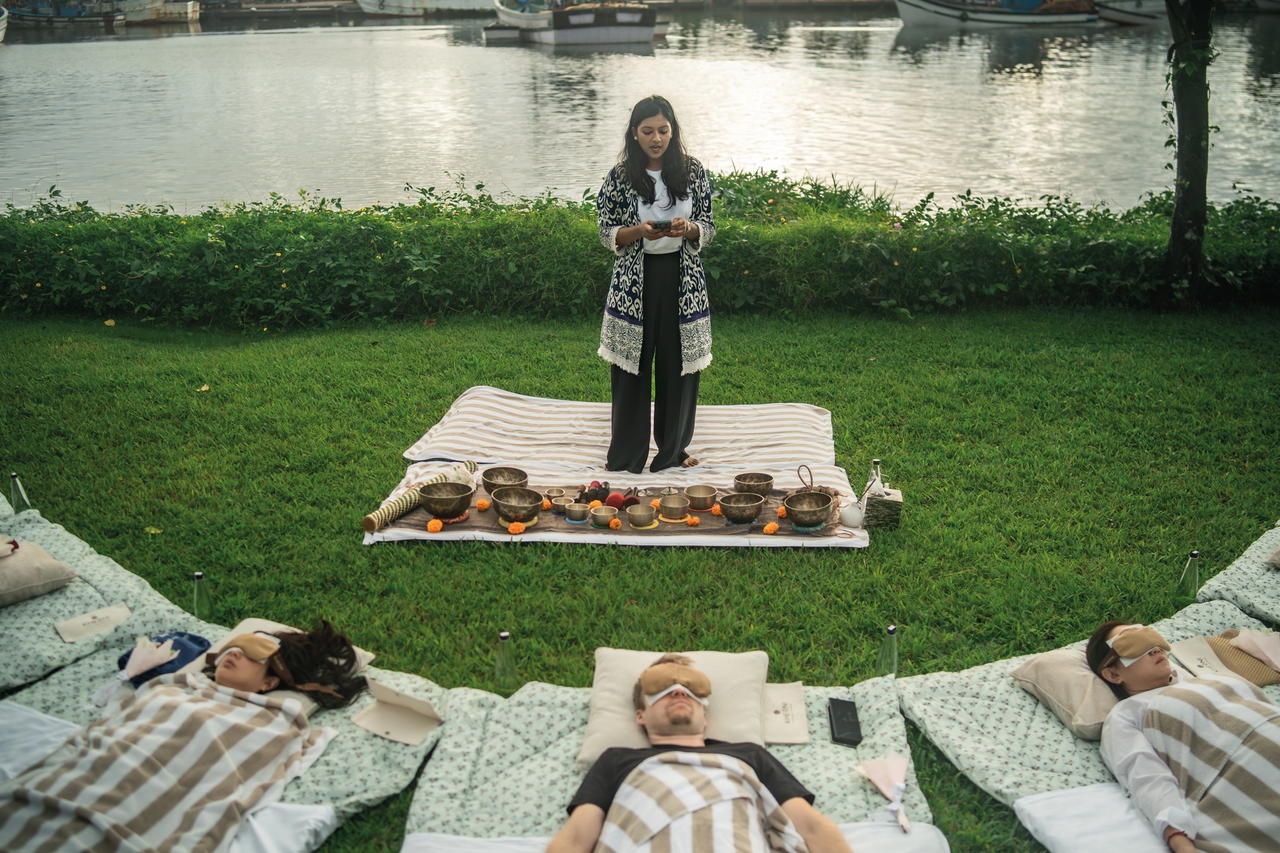
A series of gentle movement sessions, including sunrise yoga and mindful walks along the beach, begins the rhythm of our retreat. As we amble along the shore, our instructor reminds us, “Notice how the sand feels beneath your feet. Listen to the waves.”
“Vitality is not constant motion but steady flow—the space between effort and ease.”
Dr Praseed Nair, Director of Spa and Wellness,
The St. Regis Goa Resort
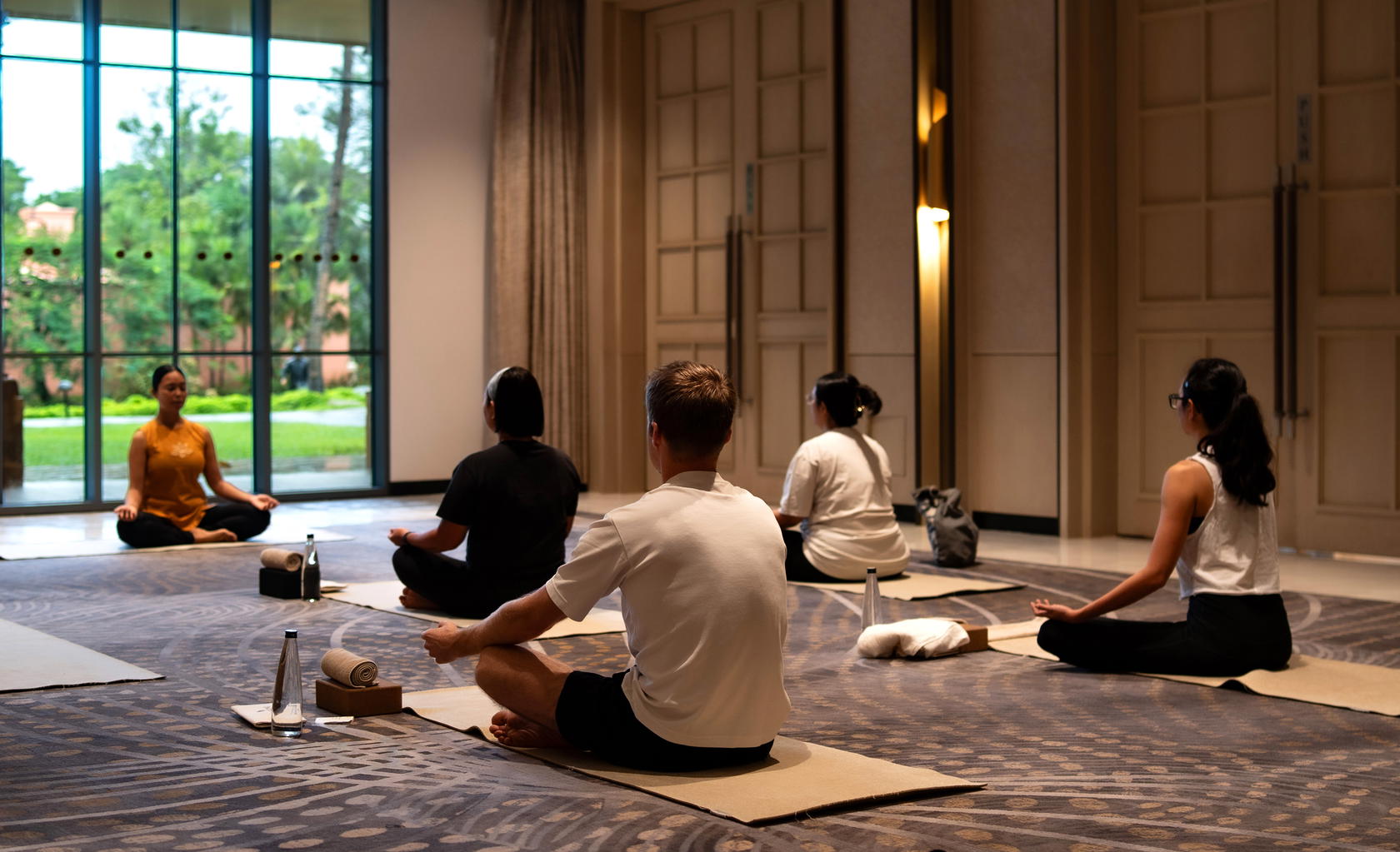
For the first time in a long while, the constant chatter in my head quiets to the sound of the surf, and I breathe deeper. I try to bring that same focus to our pranayama (controlling the breath to regulate vital energy) sessions. While I’ve been practising yoga for a long time, those poses are the hardest for me. And although doing “nothing” seems counterproductive, I’m learning to sit with my thoughts instead of rushing around like a headless pigeon.
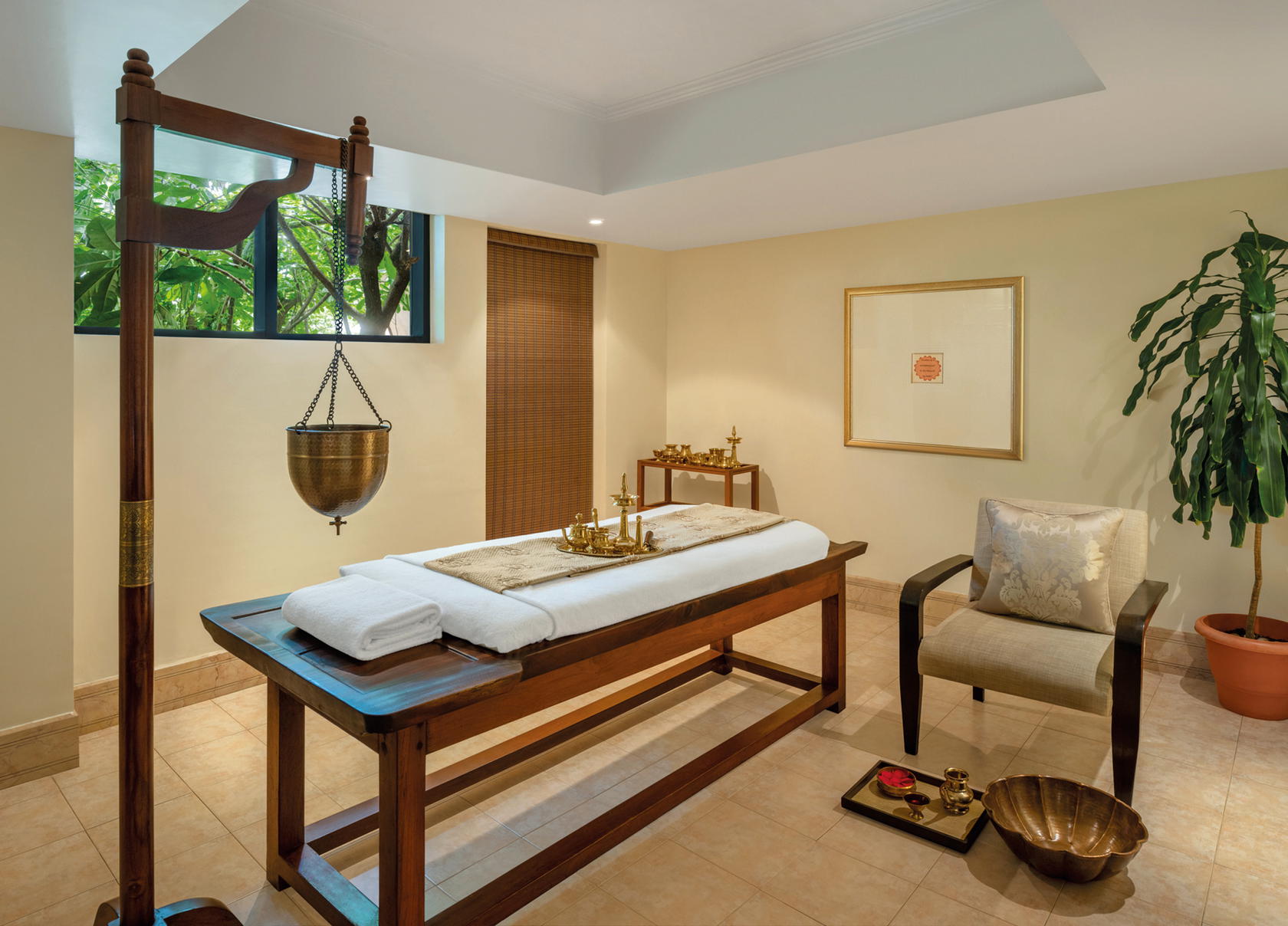
A sense of intentional slowness continues into the day’s treatments, particularly the abhyanga oil massage of the entire body, using a warm herb-infused oil tailored to your dosha. In addition to the oils prescribed by Dr Praseed, the therapists are also trained in subtle energy work, meaning that even within the same treatment category, each session is tailored to the individual.
My first session is a gentle, sleep-inducing massage to help me rest better. The following ones are aimed at realigning energy channels and restoring vitality. The transcendental shirodhara is my favourite. It involves pouring a continuous stream of warm oil over the centre of the forehead, considered to be the seat of intuition or the “third eye”.
As the warm oil flows unceasingly over my forehead and scalp, I feel the tension in my temples, neck, and jaw dissipate. By the end, my mind is startlingly clear. The oil is also a deep-conditioning treatment for hair, which makes this session very much needed for both my hair and spirit.

NOURISHING THE SOUL
The same mindfulness extends to what we eat. Kevin Gomes, Executive Sous Chef of the resort, creates our meals using ayurvedic principles that balance flavour, texture, and the three doshas through ingredients that nourish rather than overstimulate. These dishes are currently available by advance request, with plans to introduce them gradually to the hotel’s regular menu.
Eating well, as it turns out, is not about deprivation. An elaborate dinner thali based on sattvic diet principles features amuse-bouches specific to each dosha. The vegetarian diet emphasises freshness, purity, and balance, focusing on foods that promote physical and mental clarity. Sweet potato and tofu tikki with a ginger-lime jaggery glaze is an example. It is intended to ground and warm a cool, airy vata constitution.
A Southern Indian breakfast on the beach offers a selection of dosas made with superfoods like millet and sprouted mung beans, accompanied by condiments such as turmeric-tomato chutney for anti-inflammatory support and beetroot-garlic chutney for blood sugar and pressure balance. Everything is so delicious that we clean the banana leaves at every meal. No one is ever overstuffed.
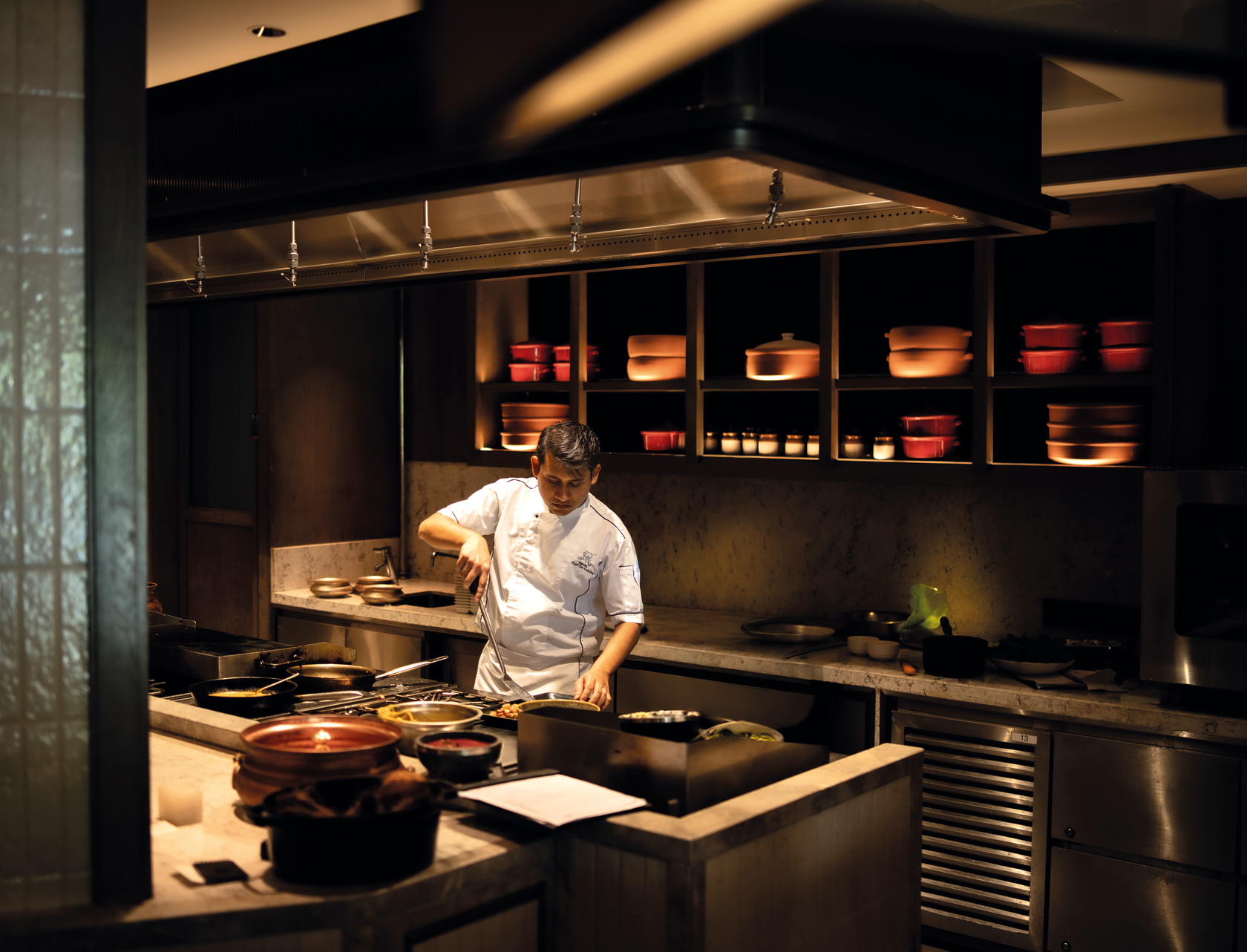
“Healthy eating doesn’t mean sacrificing taste,” says Gomes, who studied ayurvedic principles to create the menus. “You are what you eat. If you want to feel well, you must eat well. Light, fresh, and balanced food is at the heart of the menu.”
By the close of my stay, I am feeling calmer and a little more in tune with myself. Dr Praseed invites me for a closing consultation after observing my posture, energy levels, and demeanour over the past few days.
His advice is a grounded mix of the practical and the philosophical tailored to help bring this enduring practice into a busy, modern life. He suggests herbal supplements like ashwagandha capsules for stress support, beseeching me not to skip meals and to start my mornings with mindful breathing or gentle yoga instead of reaching for my phone.
At the end of the day, it is up to me to fix myself. In some ways, it is an empowering thought, but it is also one that will require me to put in the work, without relying on modern-day shortcuts.
“Ayurveda is about understanding your own body,” he explains. “Think of it as a preventive science, a way to become aware of yourself, so you can care for your body before it gives you trouble. “It reminds us that vitality is not constant motion but steady flow—the space between effort and ease.”