
Located in the heart of New Delhi’s diplomatic enclave, ITC Maurya has long been one of the capital’s most recognisable luxury hotels. But it’s more than marble and five-star polish. Built in 1977 and named after the Mauryan Empire, one of India’s most artistically rich and influential dynasties, the hotel blends Indian heritage, culinary history, and modern hospitality in ways that feel considered rather than contrived.
ITC Maurya is often cited as a pioneer in “responsible luxury”, a term that, in this case, isn’t just a catchphrase. The hotel has adopted a series of sustainability measures that quietly reshape what luxury can look like in the 21st century.
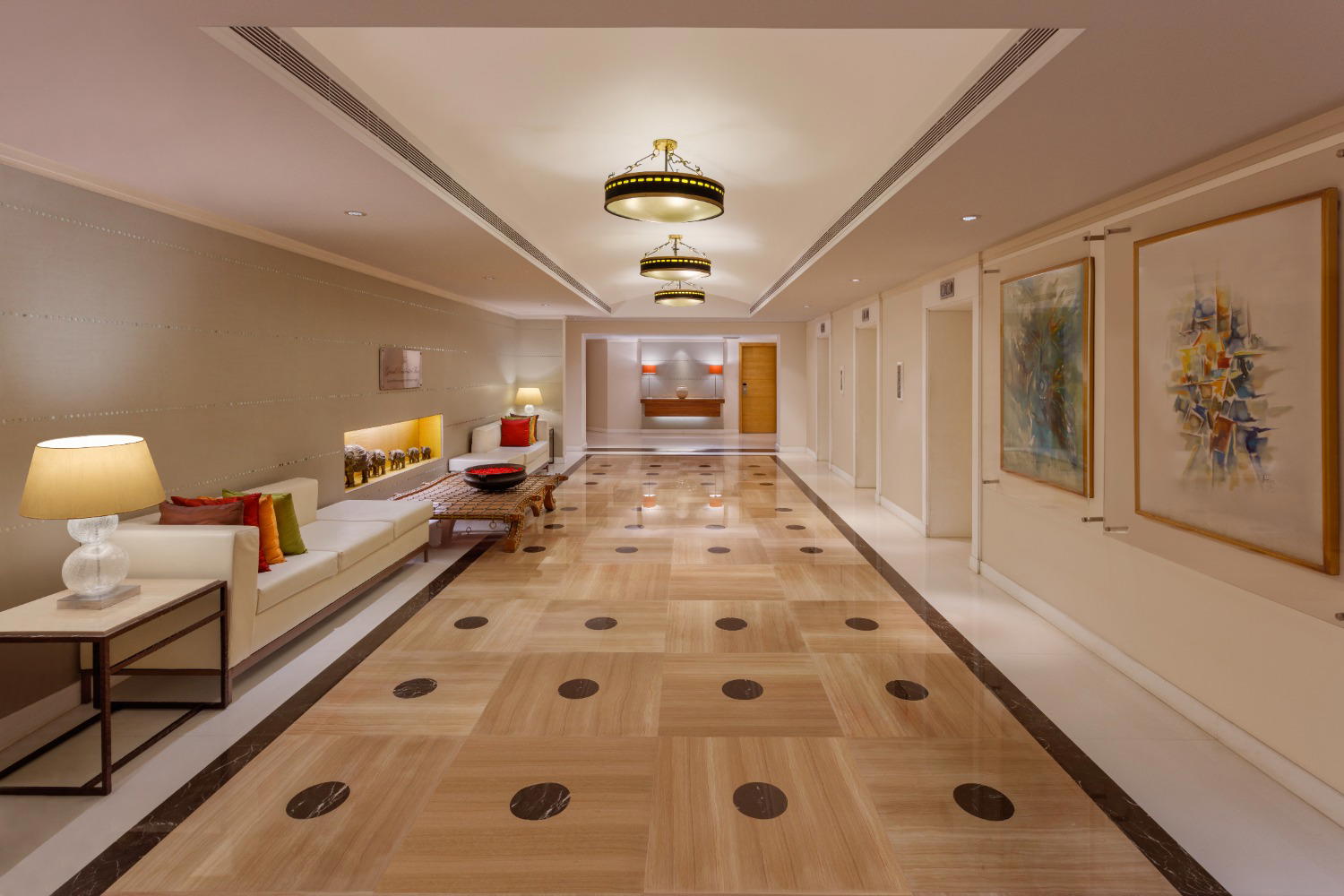
“We’ve tried to balance indulgence with responsibility,” says Amaan R. Kidwai, Area Manager – Luxury Hotels (North) and General Manager. “For instance, the air purification systems we’ve installed meet WHO standards, an important addition in Delhi. Guests can see real-time indoor air quality levels displayed on a digital screen in the lobby.”
The hotel also produces its own bottled water using atmospheric water generators, reducing plastic use and reliance on local water sources. A solar concentrator on the property generates steam to help power laundry and kitchen operations. These small innovations reflect a broader push toward efficiency and environmental care. These efforts have earned the hotel LEED Platinum and LEED Zero Water certifications, but more importantly, they make a meaningful difference in how the property runs.
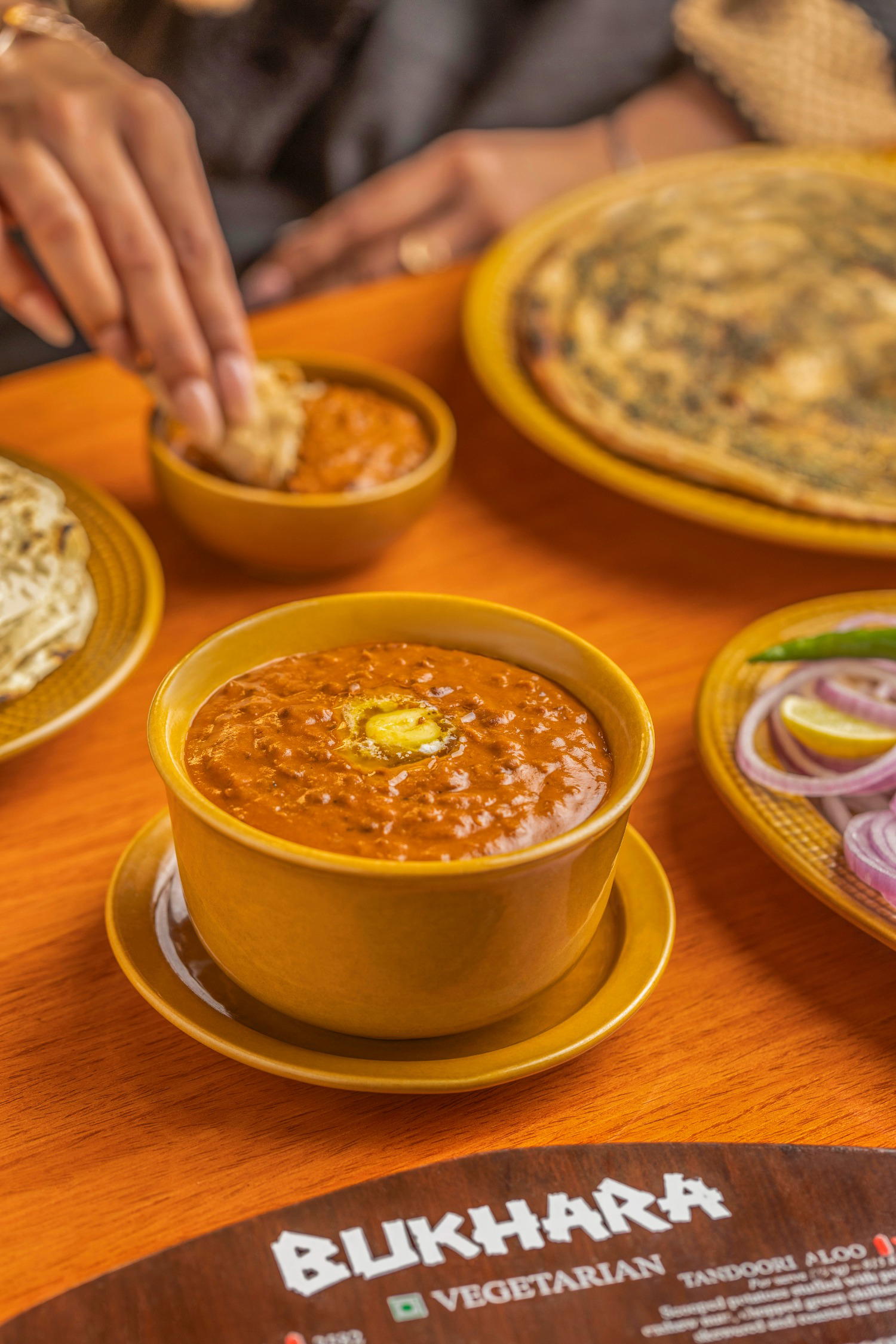
If ITC Maurya is the soul of Indian hospitality, Bukhara is its beating heart. The award-winning restaurant has been serving the bold, earthy flavours of India’s North West Frontier since 1978. Remarkably, the menu has never changed.
“There’s a reason for that,” says Chef Jai Prakash “JP” Singh, who has led Bukhara’s kitchen for over 30 years. “We’re preserving a tradition that’s thousands of years old. It’s not about reinventing, it’s about getting it right every time.”
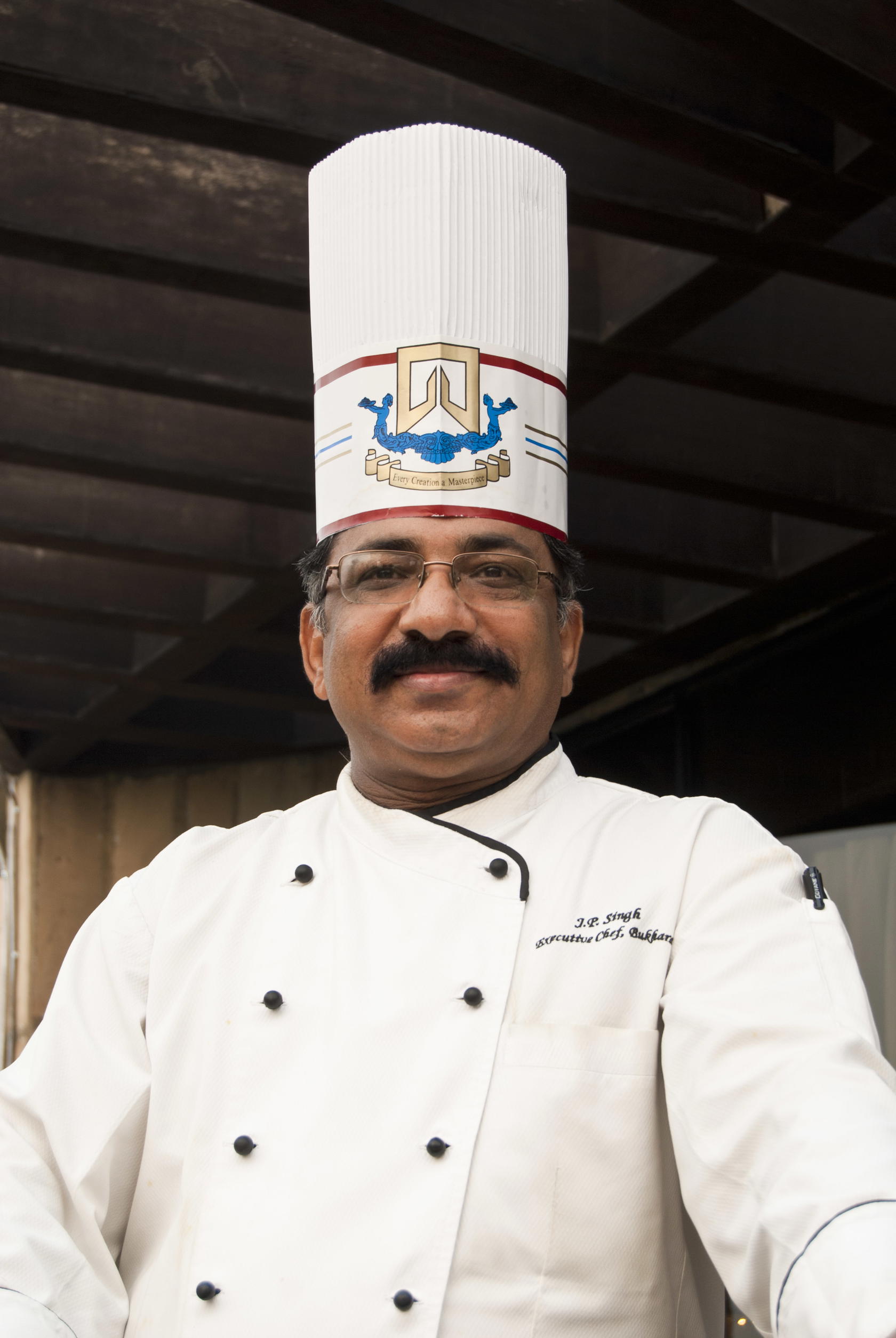
The food at Bukhara is cooked almost entirely in the tandoor, clay ovens that give dishes a distinct smokiness and depth. Signature items like the Dal Bukhara, a creamy black lentil stew simmered overnight for 18 hours, and the Sikandari Raan, a whole leg of lamb marinated and slow-roasted, are served without fanfare, or cutlery. Guests are encouraged to eat with their hands, connecting with the food in a way that feels tactile and rooted in tradition.
“Every chef in the kitchen stirs the dal as they pass by,” says Chef JP. “It’s a team effort and a quiet ritual. It reminds us that patience is the most important ingredient.”
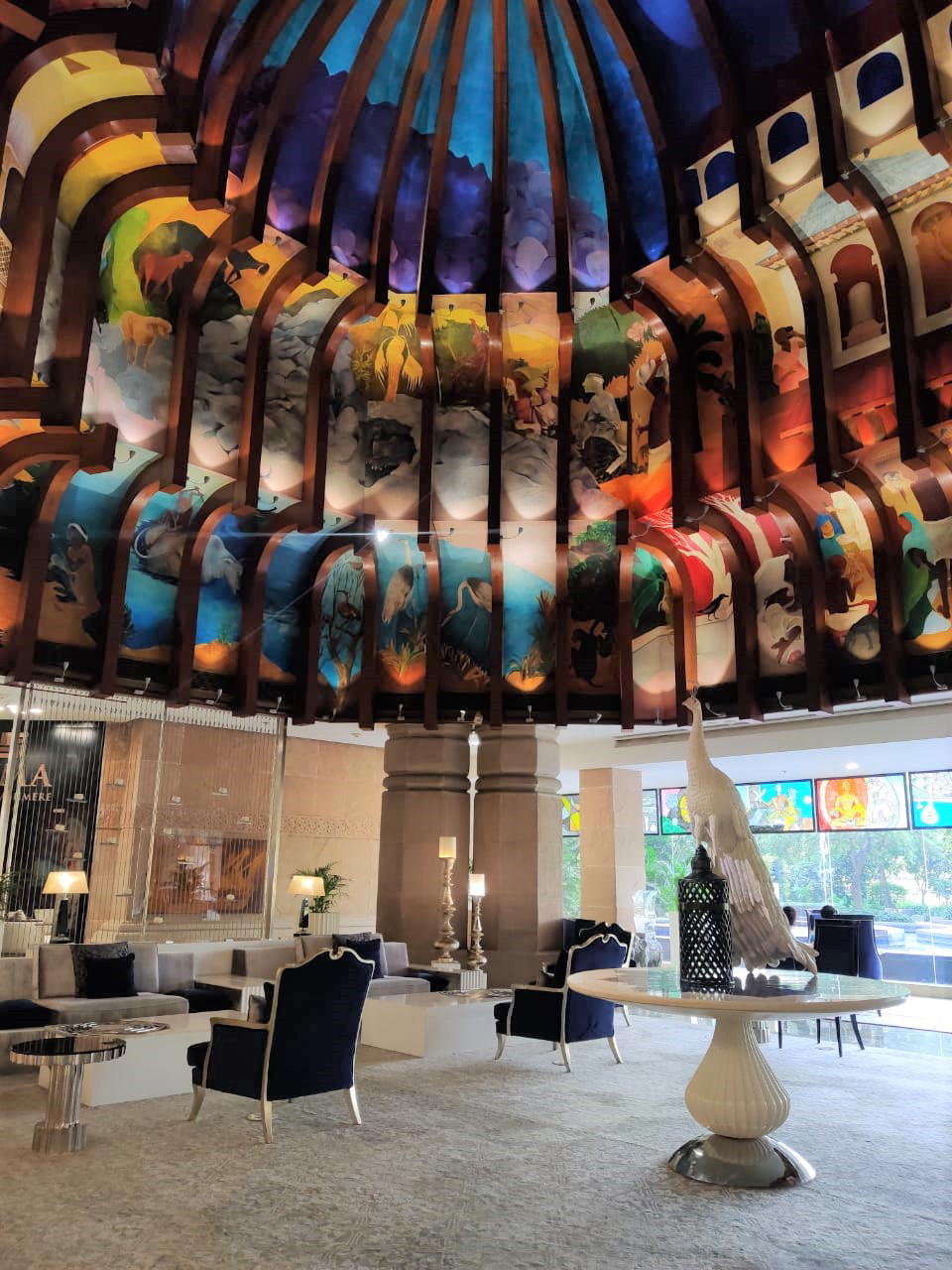
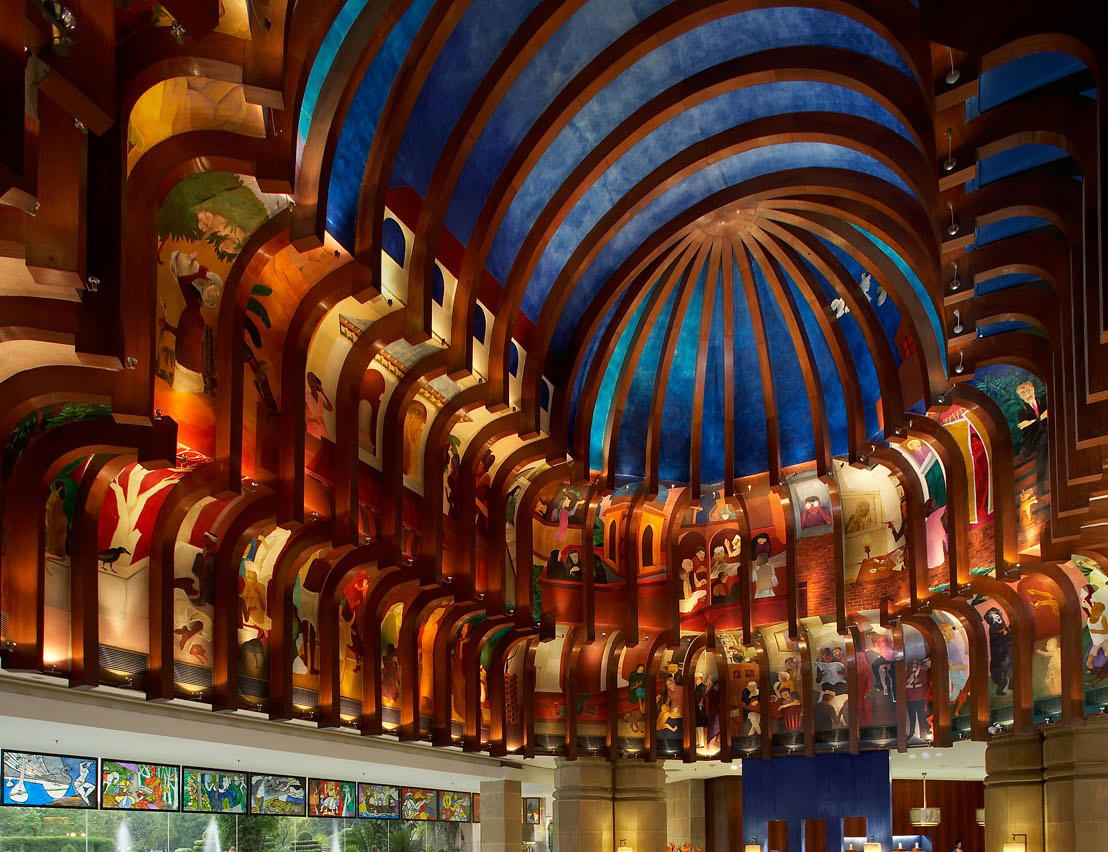
ITC Maurya’s architecture is a direct nod to its namesake. The building’s curved facade is inspired by a Buddhist stupa, and the lobby’s domed ceiling recalls the great chaityas, or prayer halls of ancient India. Dominating one wall is Krishen Khanna’s sprawling mural ‘The Great Procession’, painted over four years in the 1980s. It captures a swirl of life and movement, a nod to India’s ever-changing yet enduring identity.
The hotel also houses an impressive collection of contemporary Indian art, featuring works by M.F. Husain, Tyeb Mehta, Akbar Padamsee, and other modern masters. In the gardens, a bronze sculpture of Emperor Ashoka, warrior turned philosopher, quietly watches over the landscape.
Staying at ITC Maurya doesn’t feel trendy or overly styled, it feels rooted. It’s a place where heads of state and long-haul travellers cross paths, where art and architecture serve a deeper purpose, and where a bowl of lentils tells a story passed down for generations.