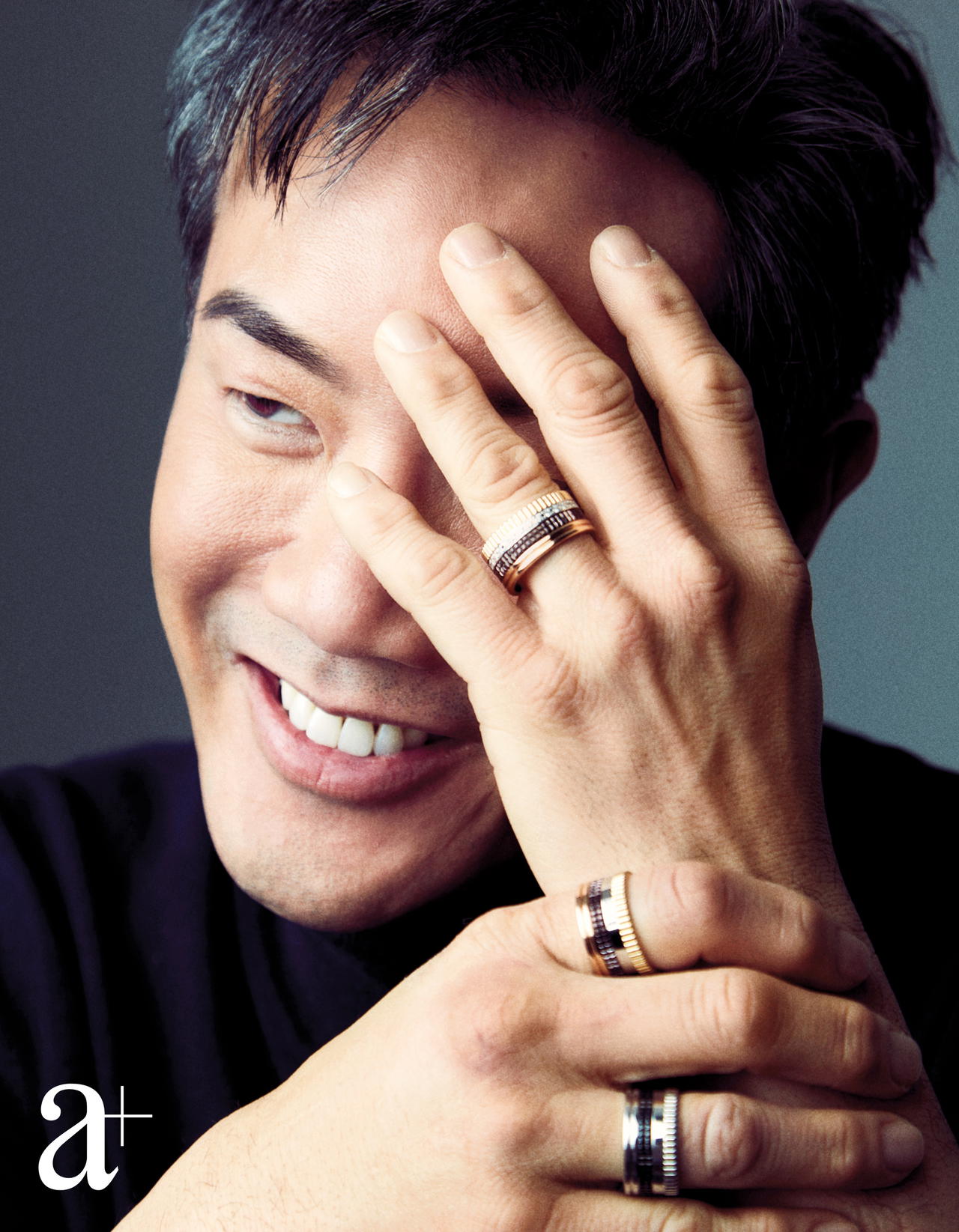
As a nine-year-old, Tai-Heng Cheng found one test question in school a little silly. “This question could be better reformulated as a more sophisticated question in the following terms,” he suggested, before proceeding to answer it. Predictably, his teacher did not take it well. “My parents decided to move me to a school that was a better fit for my stage of development,” Cheng says with a chuckle.
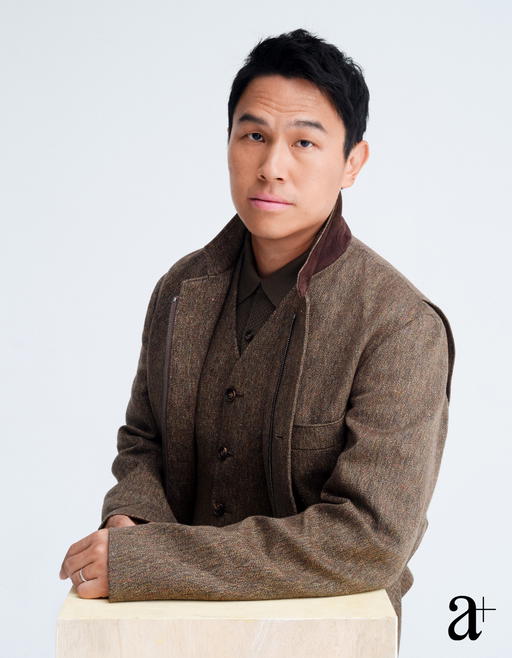
Now 47, he’s a partner at Sidley Austin LLP and co-managing partner of the firm’s Singapore office. Besides degrees from Yale Law School and Oxford, he also holds a graduate diploma in Singapore law and was a tenured academic at New York Law School.
In 2023, he was named MVP by legal news service Law360—the highest honour in international arbitration in the US. He was also a finalist for Thomson Reuters’ Asian Legal Business’ Disputes Lawyer of the Year. Additionally, Legal 500, which analyses the capabilities of law firms globally, named him a leading lawyer in Latin America from 2023 to 2025.
Cheng has represented major corporations, governments, and activists as a New York based trial lawyer, and is regarded as a leading disputes lawyer on multiple continents. Among his most high-profile cases is Jason Yu Song v China, where he is president of an international tribunal determining whether China violated a UK treaty.
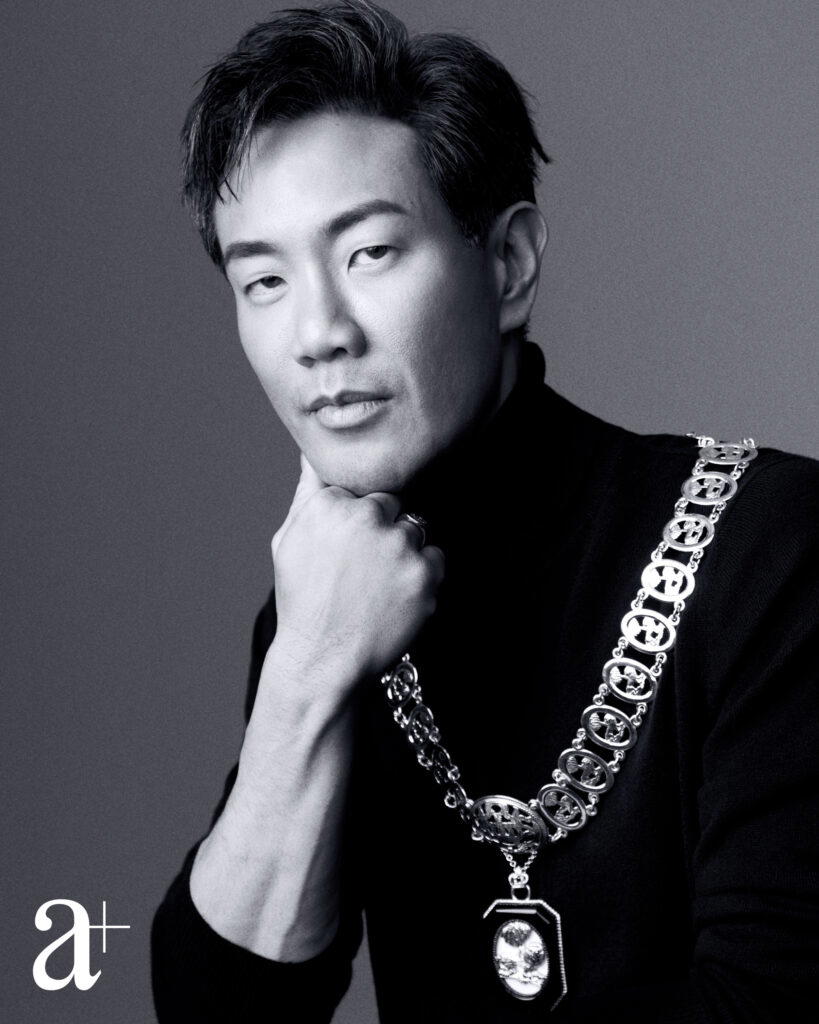
“MUST YOU REALLY BE A LAWYER?”
Little about Cheng’s childhood suggests a proclivity for the legal profession. In addition to not having to interact with others, he loved playing Lego alone for many blissful hours. Born into a family of doctors, he spent part of his youth in a historic black and white bungalow with his parents and older brother. “For a child (to have) big rooms and gardens to run around in is heaven,” he says.
His father, Dr Cheng Heng Kock, was the first Chairman of the Medical Board of KK Women’s and Children’s Hospital. Additionally, he headed Tan Tock Seng Hospital’s paediatric department. His mother worked as a cardiologist and his maternal grandparents, as well as an aunt, were doctors.
As a paediatrician, his brother treated premature babies across the region earlier in his career. His sister-in-law, he adds, is a paediatric allergist. Cheng was a precocious child who knew he wanted to be a lawyer despite mild dyslexia. He did well at school at Raffles Institution and Raffles Junior College and eventually became a President’s Scholar with the Singapore Police Force.
Matlock—a beloved mid-1980s to 1990s American TV series about an Atlanta, Georgia, lawyer—is a favourite memory. “My conception of lawyers was that they won cases through logic and argument, and that was appealing to me,” he says.
His grandfather, however, wasn’t pleased. “He said to me, ‘Must you really be a lawyer? If you must, can you at least be a judge? Failing which, even a law professor would be better’. I’ve now done all three, so may he rest in peace.”
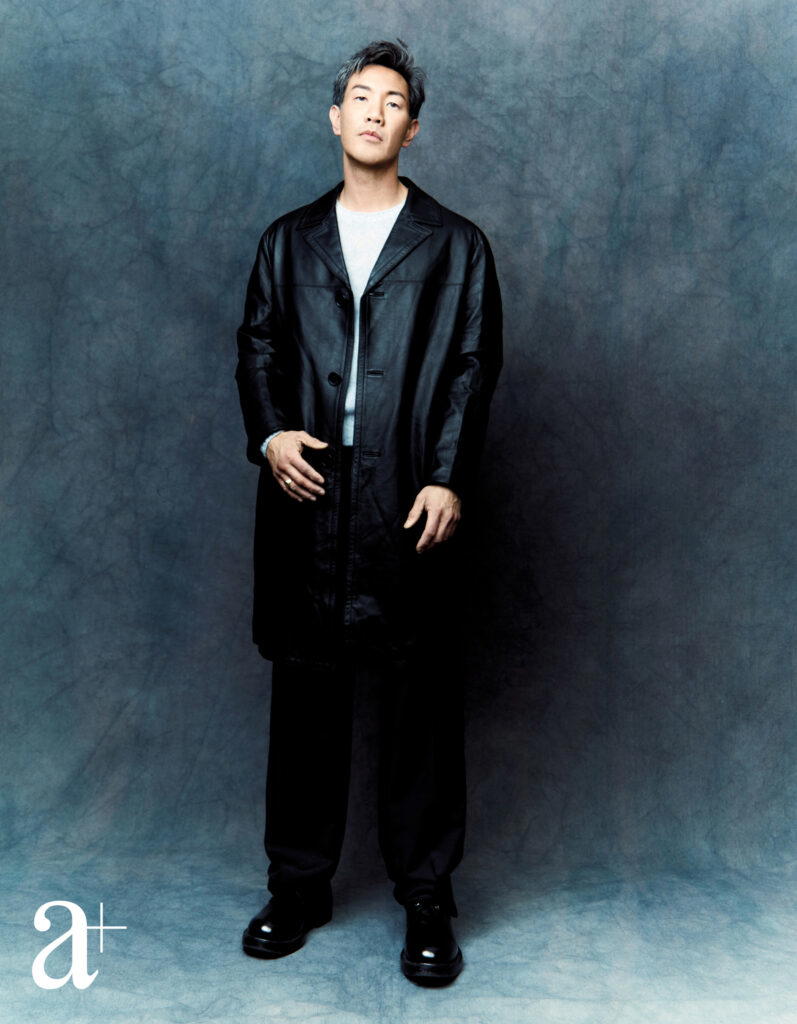
CASES THAT MATTER MOST
Cheng, also a trustee of the Foreign Policy Association in the US, does not measure his success in litigation by the number of cases he has won. He prefers to focus on cases he should have lost but won because of his advocacy and strategy. He has even represented governments such as Kosovo when it declared independence from Serbia. Cheng advised Kosovo to sign investment and human rights agreements because, practically speaking, they would negate the impact of the International Court of Justice’s decision on the legality of the declaration if it found against Kosovo.
Among the meaningful cases he remembers are those with “just outcomes that benefit mankind”, like when he represented Chinese multinational clinical-stage biopharmaceutical company I-Mab, against California clinical research organisation Tracon.
A dispute over next-generation cancer drugs developed by I-Mab and tested by Tracon led the latter to hold the molecules hostage while demanding a nine-figure payout for misappropriating its trade secrets. Cheng and his team’s efforts led to a tribunal finding that, although I-Mab had breached its contract, Tracon failed to establish damages and was not awarded anything for those breaches.
Pro bono cases with “vast impact” remain with him most. In his first case, he represented a Chinese woman whose fiance abandoned her after she gave birth to a child with congenital defects. He helped her gain asylum in the US. “Six months later, she left a very nice message in Mandarin to let me know she’d settled in Chinatown and was happy. That remains one of the most heartwarming cases of my career.”
Then there was Linda Tirado, a journalist who was blinded in one eye after being shot by Minneapolis police while covering the 2020 Black Lives Matter protests. His representation of her resulted not only in a US$600,000 (S$805,897) settlement but also in changes to police practices in the use of lethal weapons. In her forthcoming autobiography, Tirado writes, “Tai is the most mercenary lawyer you will ever meet, but with the kindest heart.” He thinks this is brilliant because “I thought that captured a complex picture of me.”
Is there a quote that defines his outlook on life? As he muses, he refers to the tagline on his Instagram account: leaving the world a little better.
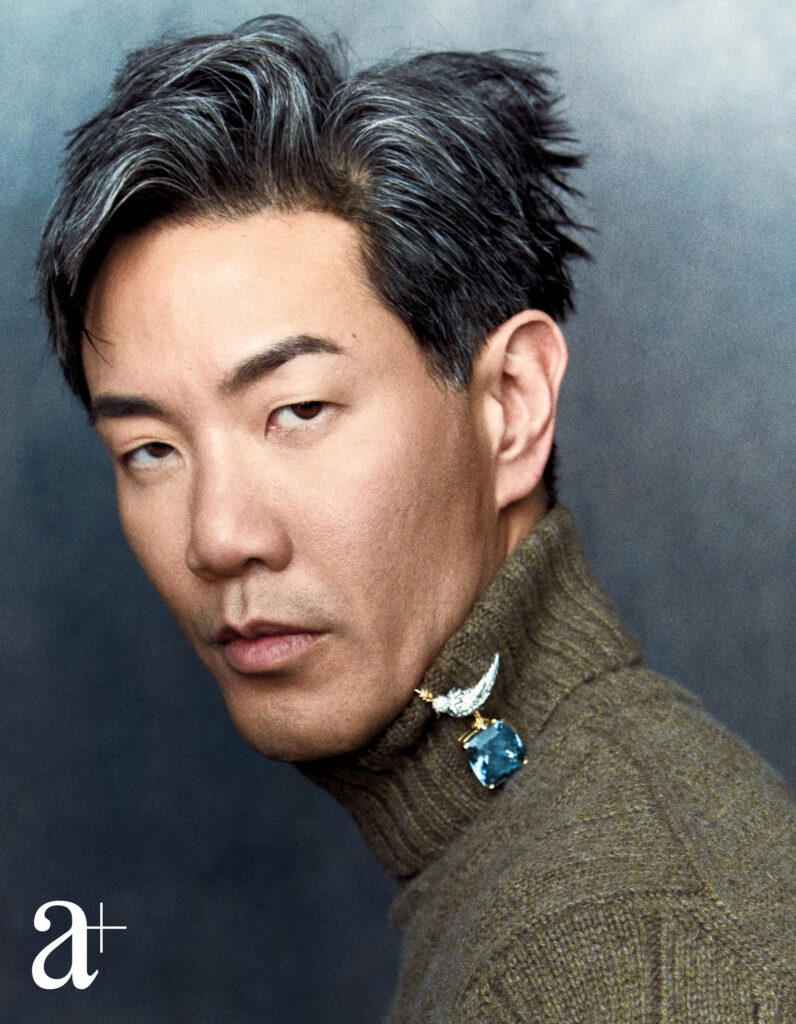
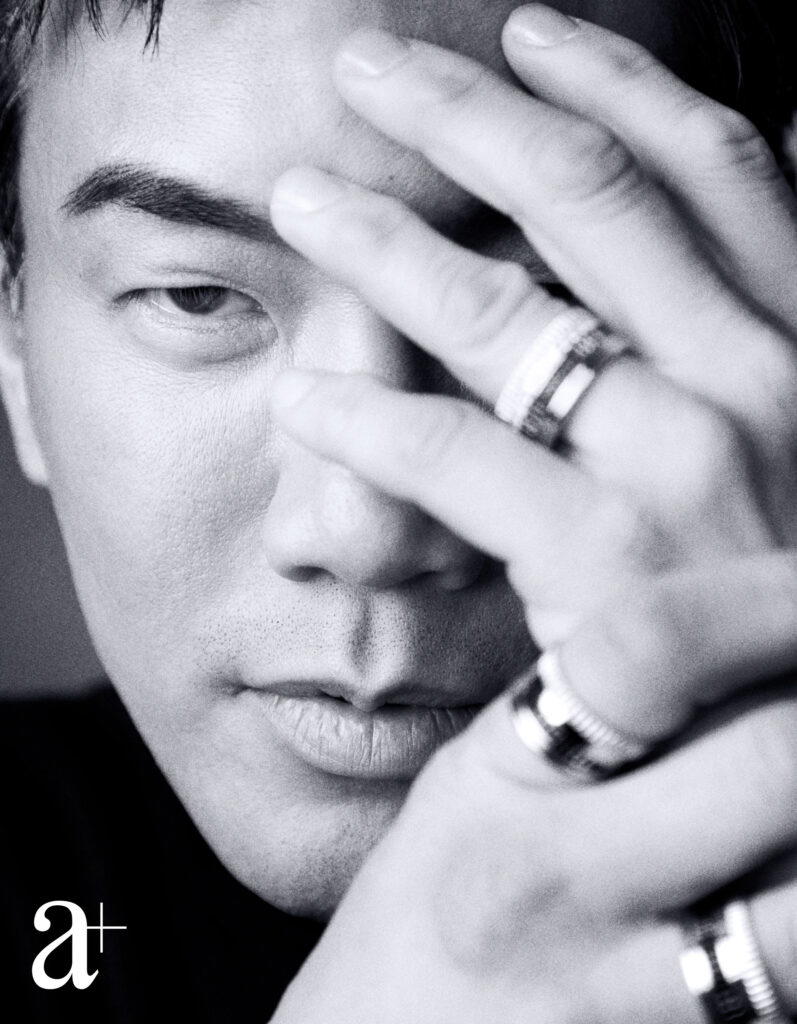
ART BRINGS PEOPLE TOGETHER
He is doing this in several ways. He and his former husband, African art expert Cole Harrell, founded the Institute for Global Affairs (formerly known as Cheng-Harrell Institute for Global Affairs), which promotes empathy and addresses global problems by bringing together thought leaders. As part of its partnership with the Smithsonian Institution, it convened a discussion in 2023 on securing cultural property in conflict zones. A successful recovery of the Queen of Sheba tablet from Christie’s in Paris was praised at this meeting.
Additionally, the Institute for Global Affairs annually funds five scholarships to graduate interns from diverse backgrounds at the Smithsonian’s National Museum of Asian Art.
As a trustee of the Frick Museum and a board member of the National Museum of Asian Art, Cheng believes that “In a time when people are very brittle and polarised, art provides an opportunity to come together. We can enjoy art equally without politicising things too much,” he says.
In addition, rather than relying on visitors, he says US museums should bring art programmes to places where children would not otherwise have access to them.
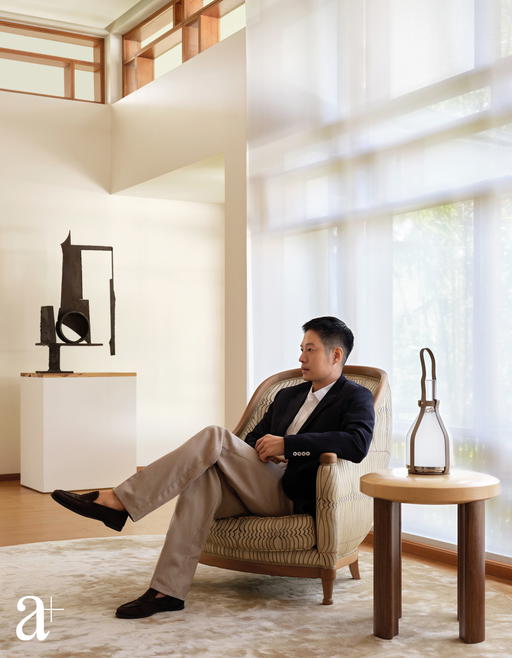
While not referring to himself as a serious collector, Cheng has been collecting Chinese bronzes and ancient ceramics for almost three decades. His Old Master paintings include ‘David and Goliath’ by 17th-century Italian painter Alessandro Turchi.
His favourite piece, however, is the one he commissioned from Dutch artist Philip Akkerman, who painted Cheng into an unfinished floral painting by 17th-century Flemish painter Nicolaes van Verandael using reversible techniques.
“In the 17th century, the subject of the portrait would not have been an Asian, so the subject’s ethnicity is a contemporary reflection of how the world order has evolved,” Cheng shares. “It will hang in my living room for a while to help me reclaim my identity after my divorce.”
“In a time when people are very brittle and polarised, art provides an opportunity to come together. We can enjoy art equally without politicising things too much.”
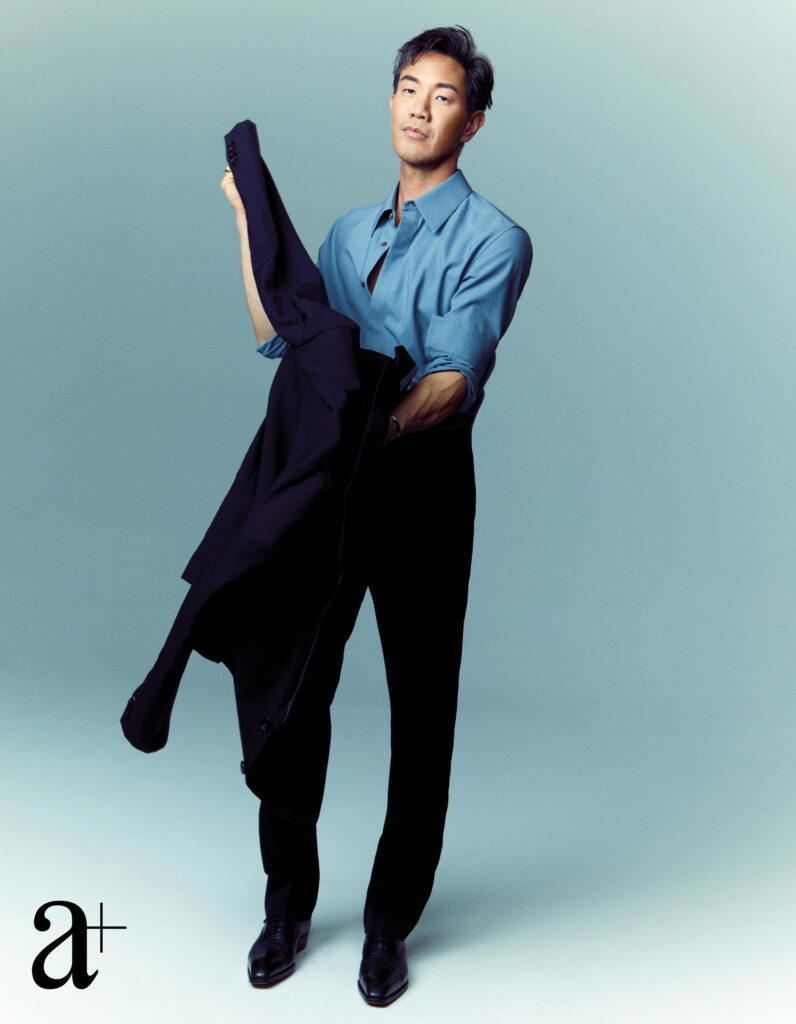
TRUMP MAY BE GOOD FOR SINGAPORE
The victory of Donald Trump in the US presidential election did not surprise Cheng, a naturalised American citizen and self-declared libertarian. Nevertheless, he wasn’t expecting such a convincing margin of victory: “It suggests he has a mandate and the country wants him to do the things he says he will.”
While he is concerned about an increase in Asian racism and anti-Semitism—“if the first Trump term is any indication, people will feel emboldened by the President’s approach and rhetoric”—he remains optimistic. The “genius” of the American constitutional system allows chaos, he points out, but it also promotes innovation, progress, and entrepreneurship.
Trump’s return to the White House may even benefit Singapore in this regard. “He is tough when it comes to defence. We need a strong Pacific fleet to maintain peace on our high seas and keep trade lines open. Furthermore, if it turns out Trump is less concerned with human rights, he might not press Singapore as hard as the Democrats might on certain issues.”
Regarding foreign policy, Cheng fully supports Singapore’s founding approach: the city-state acts in self-interest, is transparent about it, and collaborates where interests align. He even agrees with the Lee Kuan Yew adage that there is no such thing as permanent friends, only permanent interests. “A small country needs a robust system of international rules. Otherwise, powerful countries will just use power to overwhelm us,” he says. “Now, more than ever, it is in our interest to bolster both trade and defence rules.”
The next question is: will Trump’s second term force Singapore to choose a side in the US-China rivalry? Cheng cites Taiwan and the South China Sea as issues China will pressure other countries to support it. “If push comes to shove, I suspect the US will at least note which country supported it or not,” he says.
Therefore, people who understand East Asia and China on the one hand, and Europe and North America on the other, will play the crucial role of bridge builders between the two. As long as the connectivity and understanding isn’t deep enough, they have a “special duty” to avoid misunderstandings. “All of that will bring tensions down,” he says. “It will also better integrate the world.”
For more inspiring stories in a+ all year round, gift yourself or loved ones a digital subscription.
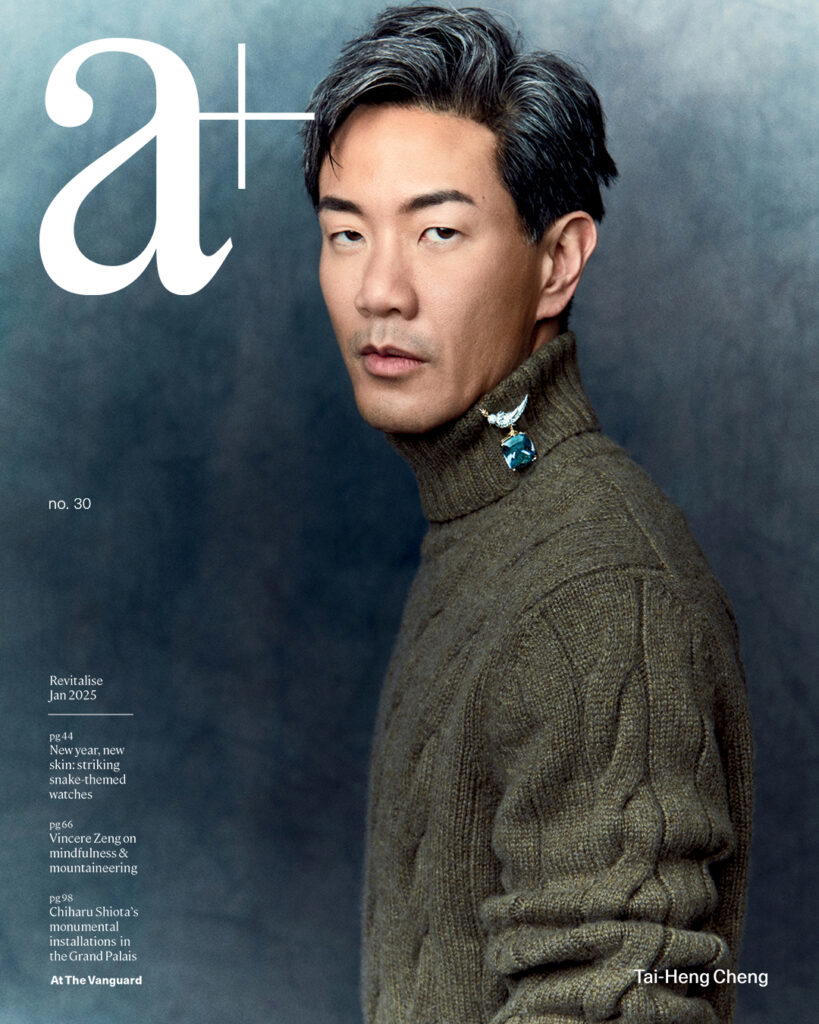
Photography Joel Low
Styling Chia Wei Choong
Hair Christvian, using Keune Haircosmetics
Makeup Keith Bryant Lee, using Lancôme
Photography assistant Eddie Teo