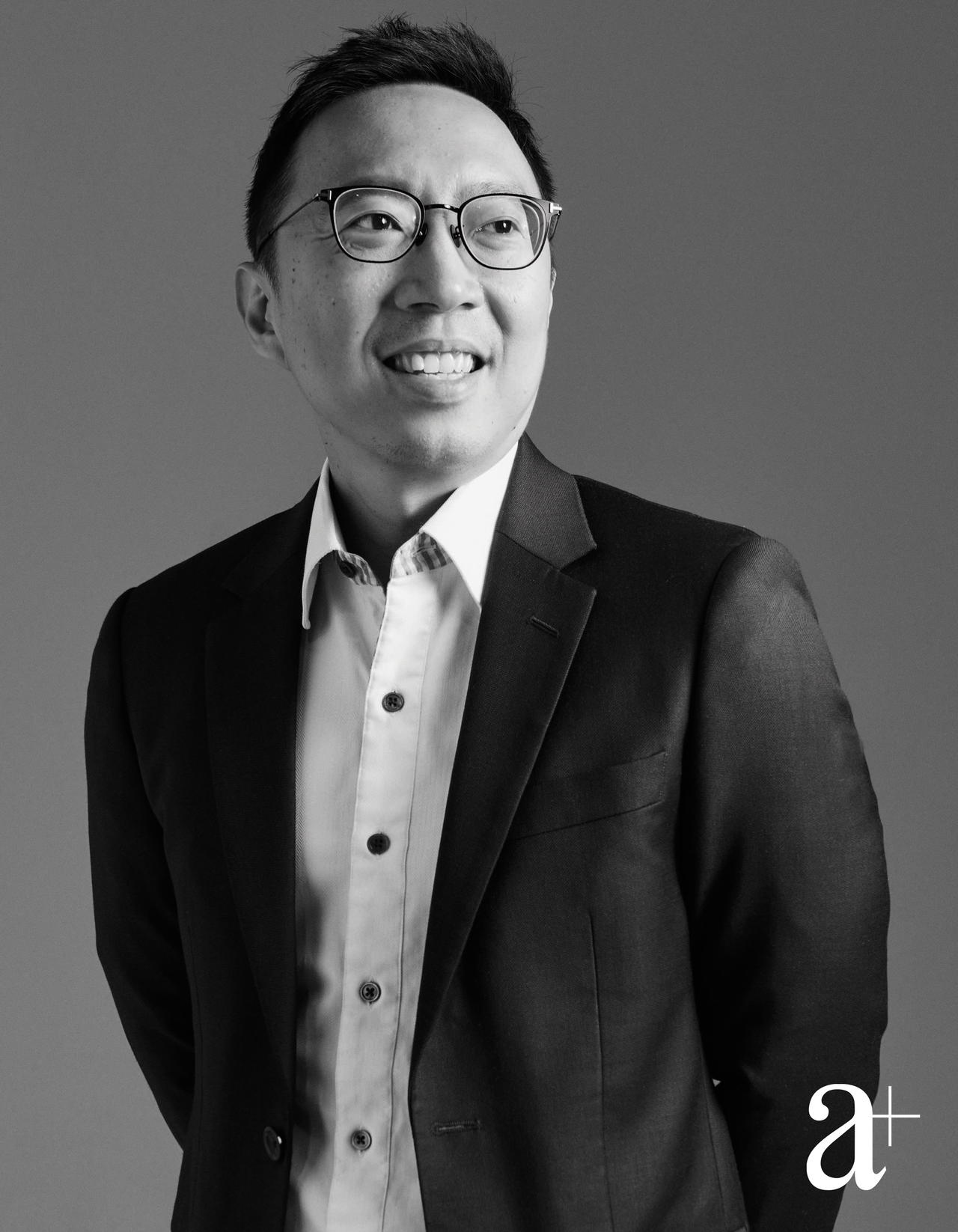
As a boy, Paul Tan voraciously consumed legal fiction through books, TV, and even computer games. “Lawyering seemed fun,” recounts the independent counsel and arbitrator at One Essex Court. “But that’s not entirely true, as I’d eventually realise,” he adds half in jest.
One of a few Singaporeans allowed to practise before both English and Singapore courts, Tan represents corporations and governments in their international disputes as counsel, and decides on the disputes in arbitration when he sits as an arbitrator. As English law and Singapore law are two of the more widely used systems of laws for international contracts, he explains, there tends to be some combination of both systems in many commercial disputes.
But while Singapore is the envy of the world when it comes to a holistic approach to the development of institutions, law, and infrastructure for the resolution of disputes, he continues, ethics is one aspect of arbitration that needs to be further addressed.
In his view, because international arbitration is a global endeavour, it is crucial to develop universal standards of ethical conduct on the part of counsel, parties, and arbitrators. It is why he spares no effort in honouring his appointment to the Ethics and Professional Standards Committee established by the Chief Justice two years ago.
That’s not to say Tan doesn’t have other hoops to jump through, particularly when it comes to two main challenges in his line of work. The first is fierce competition, which drives him to find various ways to establish himself as a thought leader in international arbitration, even though it demands significant time outside of work. He has published three arbitration textbooks over the last five years.
The second is the need for proficient knowledge of multiple cultures and legal systems. Tan assiduously stays up-to-date on the similarities and differences in laws and practices across countries.
He notes that AI has been a game changer in his work, accelerating timeconsuming tasks such as research, document analysis, and the drafting of letters. However, he observes that this very efficiency can lead to ironic consequences.
“When case reports started becoming available and searchable online, the tendency became to spend hours trying to find that elusive case from an obscure jurisdiction that may support my position. Word processing has also made submissions longer, less comprehensible, and full of unnecessary copying, and pasting.”
The process can be even more convoluted due to AI’s ability to not only search primary sources, but also summarise, analyse, and produce the end-product.
“I’m concerned that we may lose our ability or incentive to exercise independent thought and judgment over time. This would be especially problematic when we are confronted with new areas of law where private and public interests may collide.”
Paul Tan on the growing reliance on AI
Although AI can help identify patterns based on historical data, he underscores, decisions in new areas of the law are fundamentally a human endeavour that cannot be derogated to technology.
Tan is a firm believer that Singapore’s lawyers are as good as any other and that “it is important that there be institutional support and recognition of this fact”. As the co-chair of the Alternative Dispute Resolution Committee of the Law Society of Singapore, one of his key goals is to ensure that both Singapore and Singapore lawyers remain competitive through training, networking, and recognition.
Why is he a good arbitrator? It’s quite simple. “I listen and do not pre-judge.”
Photography Mun Kong
Art direction Ed Harland
Hair Kenneth Ong using Balmain Paris
Makeup Zhou Aiyi using Make Up For Ever
Photography assistant Melvin Leong