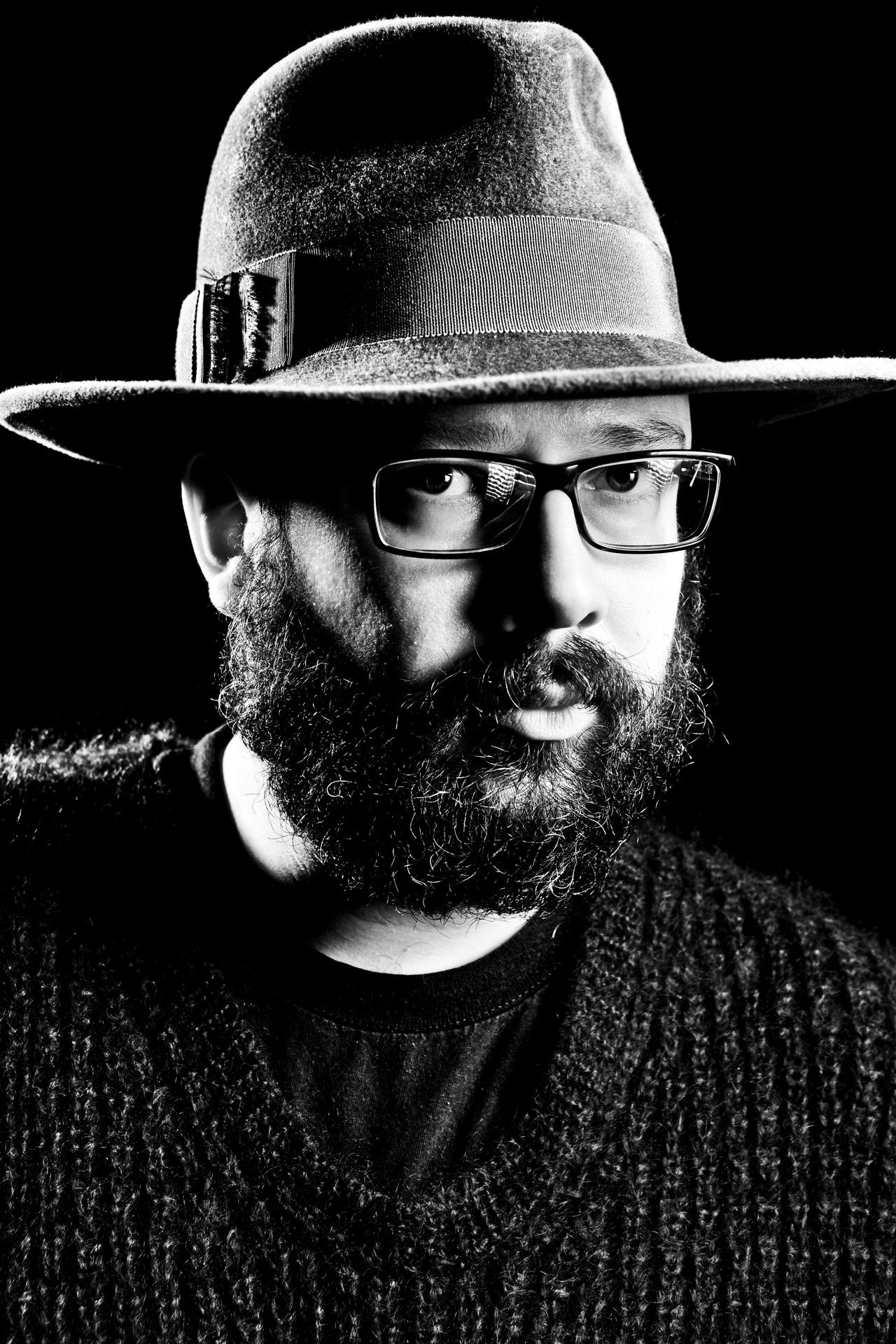
It is challenging to wear one’s heart on one’s sleeve when it comes to fashion journalism. Not everyone has the guts to post contrarian views online, particularly in our culture of political correctness. Philippe Pourhashemi’s sharp mind and bold spirit make him a blessing. Tehran-born, he wears many hats as a fashion journalist, stylist, coach, and consultant based in Paris. In his industry, he stands out for his ability to freely express his views.
As Meta and socio-political currents continue to transform the social media landscape, Pourhashemi writes for those interested in examining the pitfalls of contemporary fashion and perceptible cultural trends. A scroll through his Instagram feed reveals his unconventional approach to creating discussions. In stylised capital letters, captions convey a confessional consciousness that is nothing short of critical. Motivated by a desire to create discourse, he uses his platform to counter the fashion industry’s dearth of passionate individuals hungry to improve the field and treat it as something vital.
Just Kids
Pourhashemi, for instance, describes the loss of youthful innocence and frivolity in fashion in a recent post. I attribute this to the societal pressures that Instagram intensifies. According to him, the idea came from an opinion piece he wrote for Dust magazine about why designers avoid using humour. Fear of social media backlash and poor sales causes many to self-censor.
The topic prompted him to consider how young people must justify and present themselves online today. “When I think about my youth in the ’90s, there were no such pressures. It’s now common for people in their 20s to be professional stylists, photographers, and designers running businesses,” says Pourhashemi. “In this culture of surveillance, people are constantly watching you. The stakes are high for this younger, competitive generation and there’s less time and space for self-discovery.”
Pourhashemi cites his PhD in cultural studies as a significant moment when reminiscing about his University of Glasgow days. He cared little about the fact that few people read his thesis. Instead, it was the self-evolution and intellectual growth in reading widely that had a lasting impact. As a result of conducting independent research, he gained experience in responding to feedback. Since criticism encourages improvement, it is viewed positively in academic settings. It’s humbling to do an exam, justify your writing to professors, and make corrections, he shares. “However, it is unfortunate that many people today confuse criticism with hatred. But they are not the same. Critiquing is a healthy, measured way to look at something.”
In the same vein, Pourhashemi is concerned about how Gen Z must navigate and express their opinions in online spaces with caution. It’s not that Instagram and TikTok are unproductive platforms, but he is wary of several dangers. There is an emergence of new morality and herd mentality in mass discourse, he believes. It is common for some individuals, especially those with a large following, to dictate what is socially acceptable and to vilify those who challenge their opinions.
Additionally, he notes that algorithms corrupt the fashion world, eroding the dimension of pleasure the creative field is supposed to bring. “Now it’s become a numbers game and a chase for fame. It’s not about the quality of clothes, creativity or the meaning of what someone says,” he says. You don’t have to look far. Consider Demna’s juvenile shock tactics at Balenciaga, Jacquemus’ popularity for his personality, and editors chasing celebrities and influencers in the front row at runway shows to get views.
The venerable fashion journalist continues his endeavour as a critic for this reason. “I believe there is a new desire for sincerity and transparency instead of blindly applauding everything,” he says. “The latter is the task of the influencer, who attends shows wearing loaned clothes and speaks highly about them for money. You won’t get anything more out of their review.”
Class of 2024
1 Granary reports several issues occupying fresh graduates’ minds after the Central Saint Martins’s graduation show this year. Some have already become disillusioned by the fashion industry’s contradictions and exploitative practices. There are expectations for work to match a luxury brand’s budget. On the opposite side of the coin, some question their role and doubt their ability to thrive creatively in a commercial environment. With the economy in such a state, others have no choice but to choose between relaxing or finding a job.
To that end, Pourhashemi advises fresh graduates taking a page out of his book to surround themselves with supportive people. It is also important to take a break to discover what feeds your creative side beyond fashion. Additionally, he encourages young designers to start brands if they are capable and willing to do so. Entrepreneurship does not fall under the purview of fashion schools, but Pourhashemi believes it is crucial for such young talents to seek mentorship and potential business partners. “Working for a label where you’re constantly making uninteresting things gets depressing on a creative level,” says Pourhashemi. “It’s exhausting to see the same patterns happen: students enter the industry by doing multiple internships, burn out, and then question what it was all for.”
As for budding fashion journalists, Pourhashemi recommends developing a distinct voice. Being aware of biases, balancing contesting views, and asking thoughtful questions are all part of the job. In his eyes, print is not dead. However, recent shake-ups at media outlets indicate that the prestige of working at large magazine companies is losing its lustre.
Now, writers would do better to diversify their practices. Creating content for publications, working directly with brands, and building a platform that encourages honesty go a long way.
“When I started becoming outspoken, I was advised against it because it would invite trouble,” says Pourhashemi, laughing. “Ironically, more people are now engaging with my outright criticism!”
Still, the fashion industry’s vampiric appetite for replaceable young blood is not lost on Pourhashemi. Having seen the rise of creative voices in the industry such as Odunayo Ojo, Bliss Foster, and Brenda Weischer, he believes there will be positive changes. It is also his hope that a new generation of young women from diverse backgrounds can surpass the level set by journalists like Vanessa Friedman, Cathy Horyn, and Suzy Menkes in publishing.
Pourhashemi entered the fashion industry without studying it in school. Neither did he know anyone in the creative industries growing up. With time and experience, he discovered the beauty of sincerity and the uncertainty of a fixed career path. “In fashion, you might encounter the right people who see your potential in the most unexpected ways. It’s the relationships you maintain and recommendations that lead to introductions and opportunities,” he muses. “It’s also about knowing your worth, refusing to compromise, and convincing people that you do quality work.”