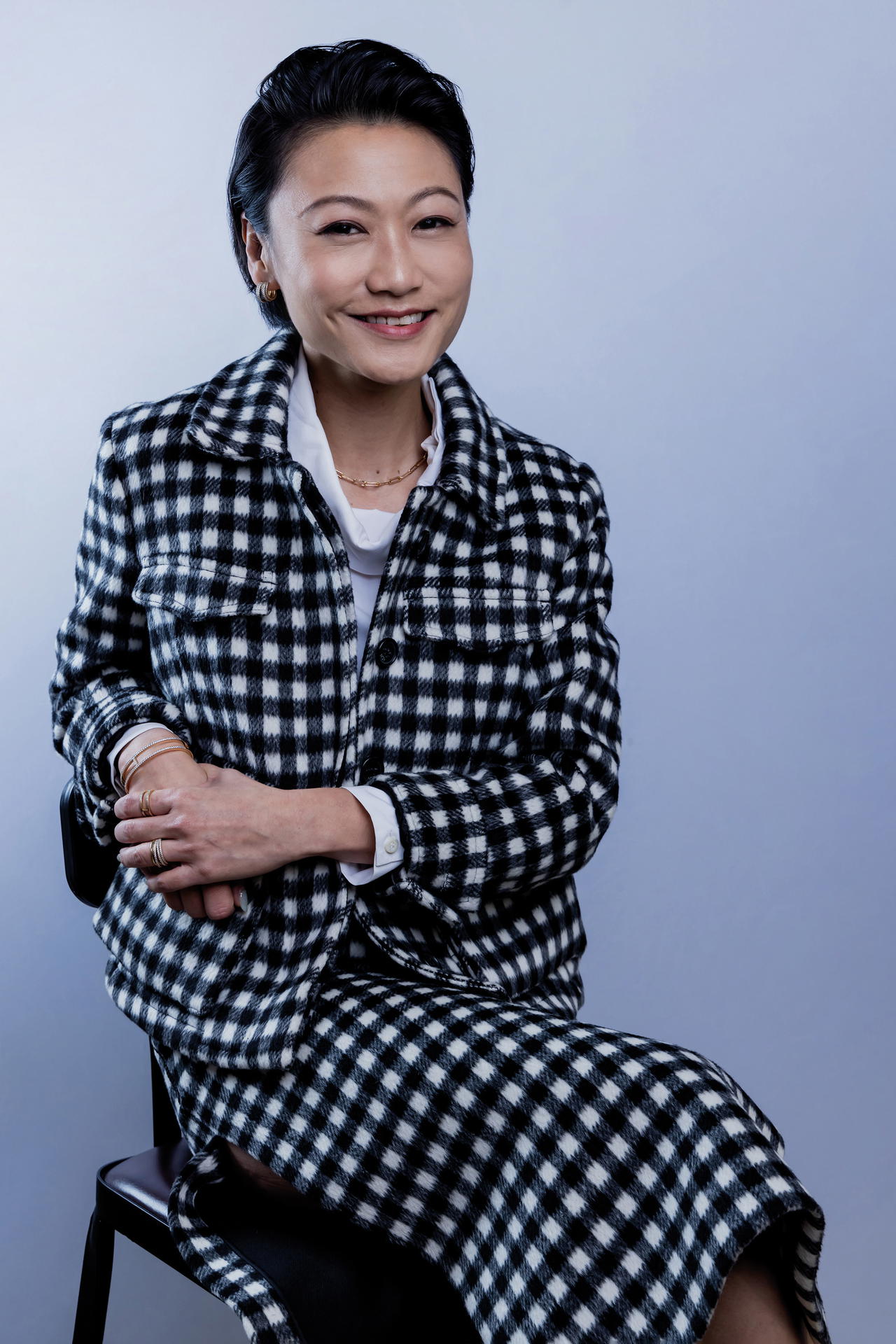
Zhang Ting-Ting remembers the 2013 Rana Plaza collapse vividly. She had just moved to Hong Kong, joining the fashion department of a large supply chain management company after an illuminating two-year stint working for, and with, the legendary Zaha Hadid in architecture. In Dhaka, Bangladesh, the eight-storey commercial building, which housed several garment factories, ground-level shops, and a bank, collapsed due to serious structural deficiencies, caused in part by an illegal addition of three floors. The death toll reached 1,134. It was the deadliest accidental structural failure in modern human history.
“It forced the fashion world to sit up and reflect on their actions,” says Zhang. And reflect, we did. Several world leaders, such as then British Deputy Prime Minister Nick Clegg and Pope Francis, condemned the sweatshop-esque conditions of the factory and urged consumers to make informed shopping decisions. Zhang knew she wanted to be a part of the solution, too. “It ingrained in me the conviction that we must give these workers a voice and look after them. We must talk to manufacturers. We must insist on proper audits. There cannot be any shortcuts.”
A decade on, sustainability and impact remain Zhang’s life work, which she now carries with her into her latest role: CEO of the Singapore Fashion Council (SFC). First joining as director of sustainability, Zhang assumed the leadership mantle four months into her tenure, succeeding long-serving Semun Ho, who remains an adviser.
Zhang has lofty ambitions. “Our new mission statement is to create a vibrant Asian hub for responsible fashion,” she says. It’s short, but punchy, and perfectly encapsulates Zhang’s and her team’s goals for SFC for the next five years. “We didn’t want to be another CFDA or British Fashion Council. Our DNA is about Asian craftsmanship. We don’t want to follow tradition slavishly, but to respect it and understand how we can modernise it with our voices.”
The word “responsible” carries a lot of weight, too. Zhang wants the different stakeholders in the Asian fashion industry to think about equity, sustainability, traceability, and more. She understands the gargantuan task ahead of her. Unfortunately, discourse in the global fashion scene is still heavily dominated by Western voices. Asian opinions are rarely, if ever, considered despite the fact that our region accounts for 58.4 percent of the world’s clothing and textile exports.
Even though Shanghai Fashion Week is a key part of the global fashion calendar, Zhang wants the world to know that there is more to fashion than just China. Her attempt to get that foot in the door is through thought leadership, specifically incredible innovation.
One start-up she’s backing heavily is XinTerra, which focuses on material science. CozTerra is one of its breakthrough products. It’s a patent-pending formula that can be applied to products such as furniture and clothes to capture and store carbon dioxide. When the garment is washed in regular detergent, the CO2 reacts with the chemical to form a harmless mineral that is washed away.
According to XinTerra, a T-shirt treated with CozTerra can remove 16g to 41g of carbon dioxide in its lifetime. Multiply that by the billions of T-shirts worn every day and you can understand why Zhang is excited.
She’s nominated XinTerra and two other fashion-related start-ups for the next edition of the Earthshot Prize. Founded in 2020 by Prince William and David Attenborough, it awards each winner a grant of £1 million (S$1.6 million) to continue their environmental work. As a show of incredible humility, her team prompts Zhang to tell me she is part of the advisory panel for the global environmental award. “We’re really proud of her,” the marketing director says with a smile.
It goes beyond the environment. “Fashion is the mirror that reflects the society of today. Brands must pay attention to what people want. I’m glad the younger generations are making their voices heard and demanding more from the brands they buy. Today, fashion is more inclusive. We have diversity on the runways and there is a wider acceptance of gender fluidity.”
For a long time, fashion was rightly seen as elitist. Beauty was a symmetrical face, a slim waist, and sharp features, and anyone who wasn’t genetically blessed suffered the ignominy that they were considered less beautiful. Zhang is glad to see this conversation shifting, as the idea of beauty becomes more expansive. She wants to push for more—specifically more options for people with disabilities. It’s another big ask, but Zhang has done nothing by halves.