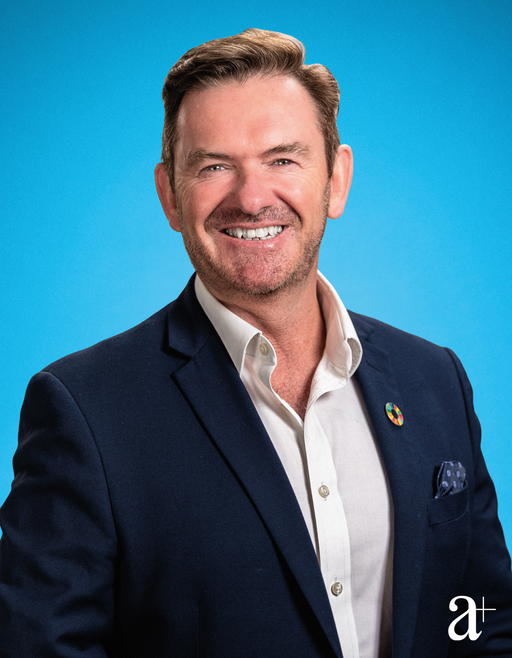
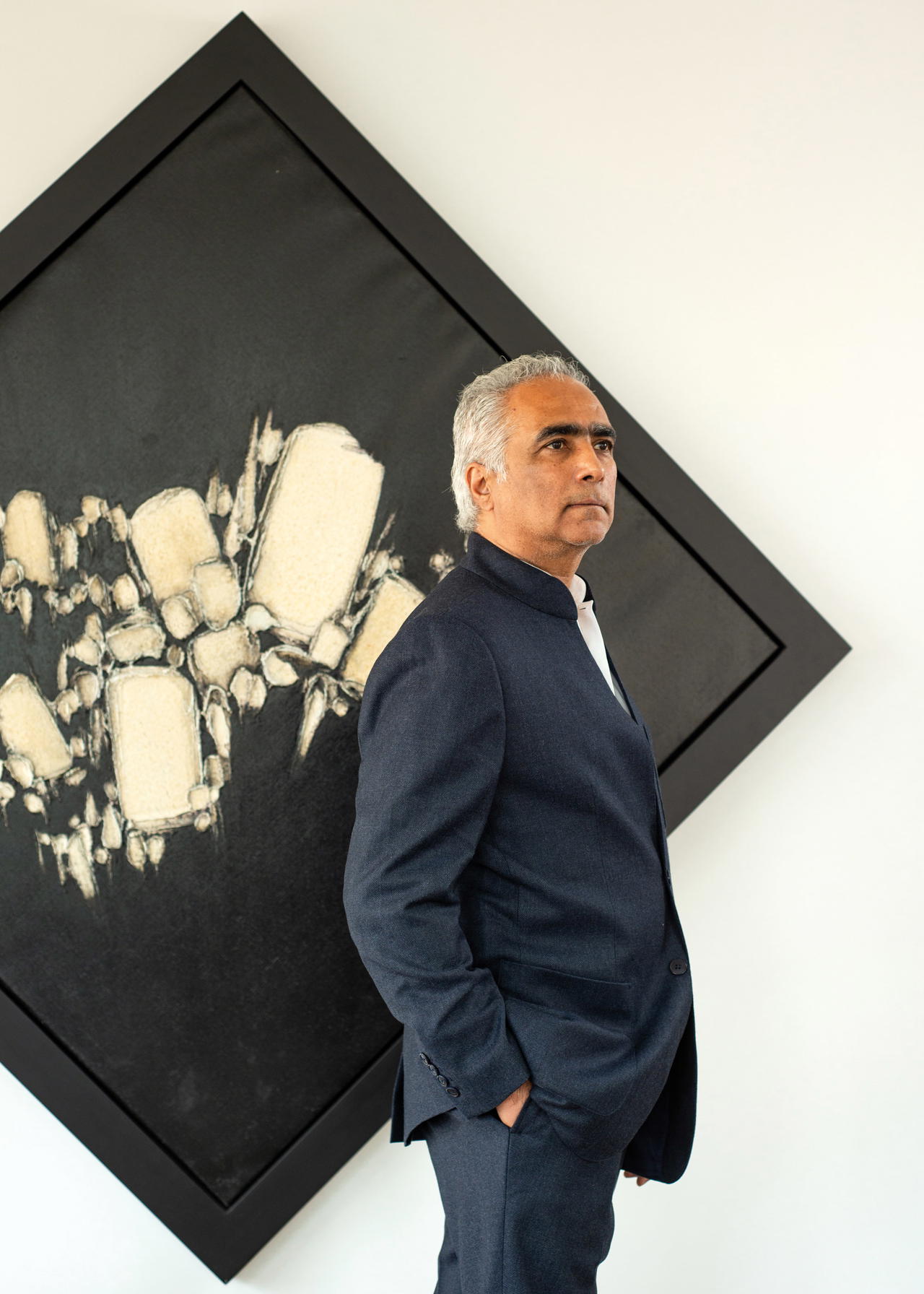
The arts and culture flow through the veins of Sundaram Tagore and his family. As the son of painter, poet and writer Subho Tagore and a descendant of influential poet and Nobel Prize winner Rabindranath Tagore, a cross-cultural exchange has always been at the heart of his approach to running his art galleries around the world.
“The legacy of my family’s involvement in advancing ideas of cross-cultural exchange goes back generations. In the early 20th century, they established the first globally focused university in India, now known as Visva-Bharati University, outside of Calcutta,” says Tagore.
The theme of cultural interconnectivity ingrained itself in Tagore early in his life. “As far back as I can remember, artists, writers and filmmakers from all over the world came to stay with us in our Calcutta home, so there was always a steady stream of conversation about cultural identity, hybridity, and exchange,” he reminisces. “It was a deeply formative experience and shaped my ideas about the art world and about what is valuable and meaningful. Those ideas are reflected in the art I’ve presented in my gallery for over 20 years.”
Before opening Sundaram Tagore Gallery in New York back in 2000, he was a director at Pace Wildenstein Gallery in New York. He also worked for and advised several entities, including the National Gallery of Modern Art in New Delhi and the United Nations. Having lived on three continents and travelled extensively through Asia and the West, he witnessed first-hand how cultures have coalesced and collided across the globe.
“When I entered the fray in the 1990s, I knew I wanted to carve out a new cultural space that would become home to a global community of artists,” he says. “It was a natural outgrowth of living in the West and coming from the East. I wanted to foster intercultural dialogue because I believed that was the world we lived in, even if that wasn’t well-recognised at the time.”
With the integration of cultures central to the Sundaram Tagore Gallery’s programming, artists from around the world, including Ricardo Mazal, Zheng Chongbin and Sebastião Salgado, exhibited within its walls. Over time, his gallery became known for representing established and emerging artists from around the globe, most of whom specialised in work infused with humanism and historical significance.
“You need exceptional artists who share your vision. Opening a gallery does not automatically mean access to established artists in Asia or the West,” Tagore notes. “To attract artists of calibre, we had to build an international audience, create relationships with collectors, and establish a reputation for curatorial know-how, among other things.”
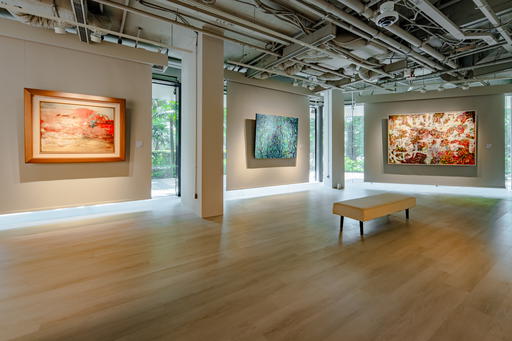
Sundaram Tagore Gallery eventually found its way to Singapore in 2012, when the Singaporean government invited Tagore to open an outpost in Gillman Barracks. “We were the first New York gallery to have a presence in the district,” he says.
Singapore’s microcosm of cultures made it an ideal place for Tagore’s gallery, showcasing works created by artists deeply engaged in cross-cultural explorations. Similar to its New York branch, Sundaram Tagore Gallery in Singapore has hosted a variety of artists and exhibitions showcasing this specialisation.
One example is Anthropos, an exhibition in 2013 that explored the cultural and artistic exchange between Thailand and Singapore. It investigated how boundaries between the physical and psychological spheres of the human body converge.
Eleven emerging and established Thai and Singapore artists presented their works together for the first time in Singapore at this exhibition. Some of the presenting Thai artists were Haritorn Akarapat and Kamolpan Chotvichai, while Jeremy Hiah and Jason Wee among others flew the Singapore flag.
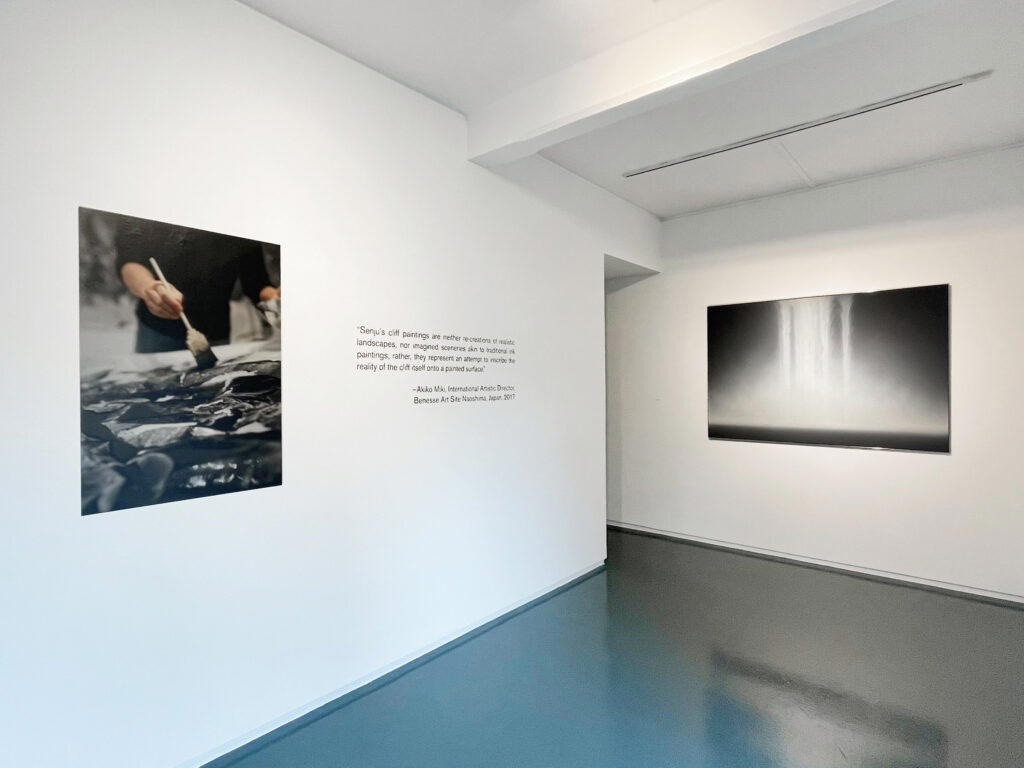
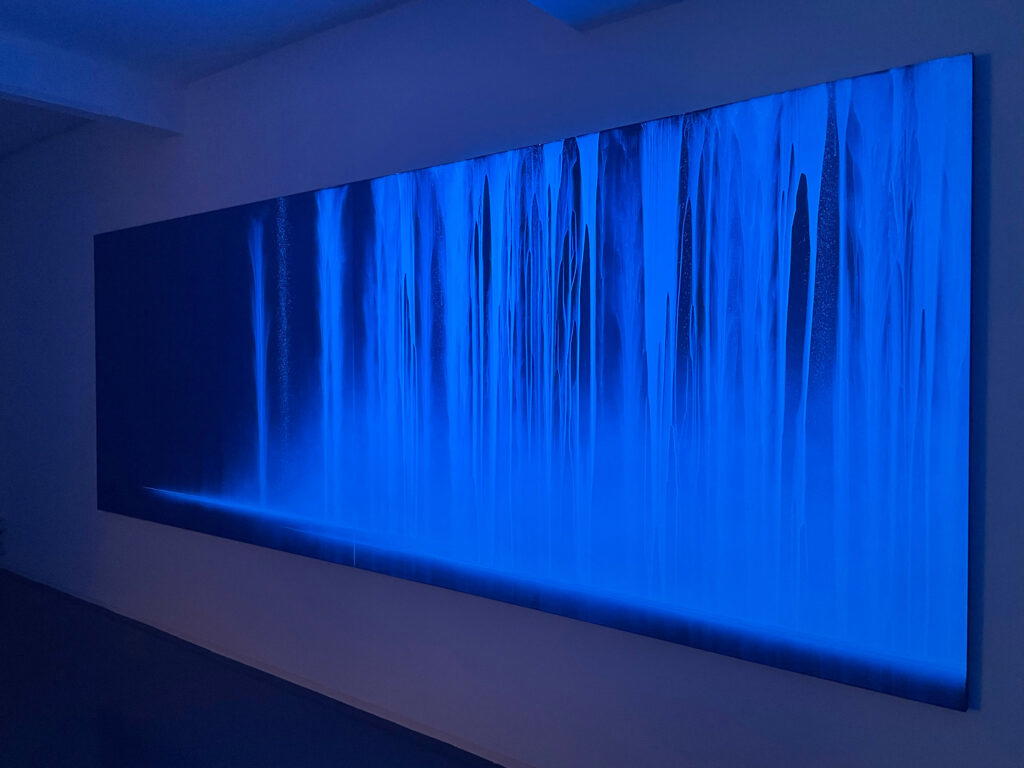
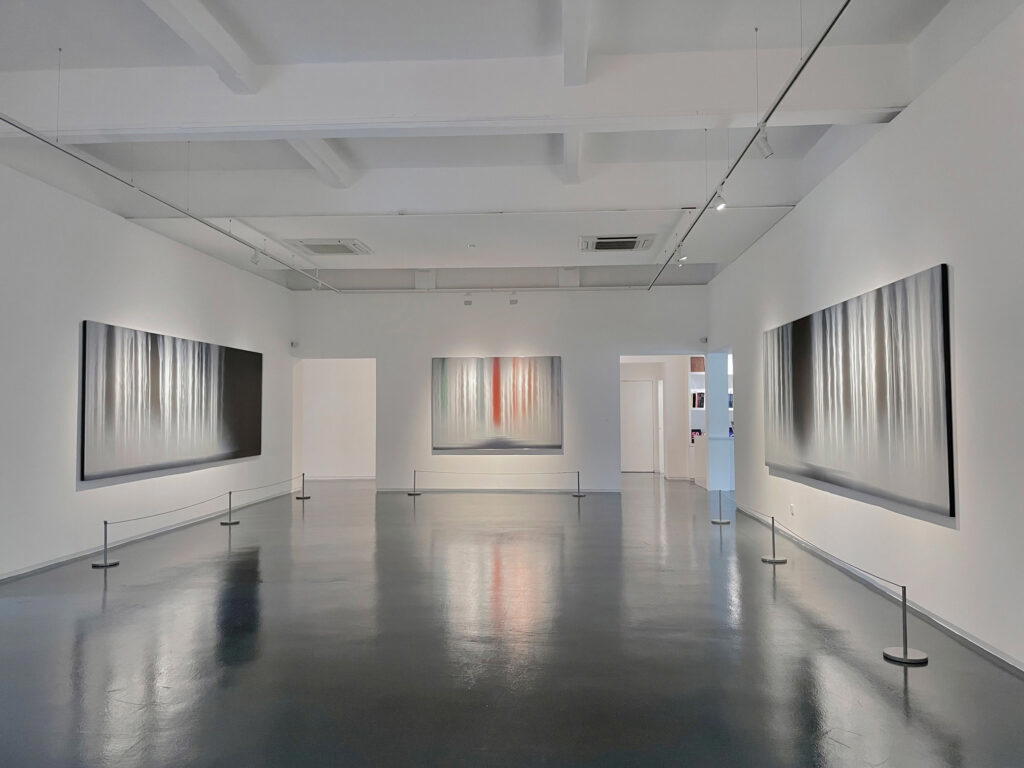
This year, the gallery showcased Japanese and American artist Miya Ando’s works, and Japanese-born New York-based painter Hiroshi Senju’s “Waterfall”.
Speaking on the curation and programming of exhibitions at his galleries, Tagore says, “We focus on artists who are deeply engaged in cross-cultural explorations, particularly women and those from underrepresented cultures.
These artists, who often come from the periphery of the traditional art market, add richness and complexity to the prevailing artistic language, producing work that is aesthetically and intellectually rigorous, humanist and deeply spiritual. I believe these ideas have particular resonance in Singapore because of its diverse range of cultures and international population.”
After over a decade of being in Singapore, Tagore is no stranger to the city’s art scene. It also gave him a front-row seat to its advancement from a postmodern experiment started with government assistance into a true cultural hub.
“We have always steadfastly supported the Singapore art scene. The impact we hope to achieve aligns with the country’s trajectory towards being a global art hub. By presenting artistically and intellectually rigorous works to audiences in Singapore, we are inspiring dialogues and the exchange of perspectives that distinguish it as a platform amongst the other global art cities,” notes Tagore.
I ask Tagore about his observations of Singapore’s evolution as an art market. “In a brief span of time, it has expanded its audience for contemporary art. More recently, important new collectors have emerged,” he tells me.
“They are looking at both local and global art. I see this as a positive sign. Singapore has gone from being regarded as a hub for South-east Asian art to a global art destination. If we continue to develop important infrastructure—museums, curators, and art publications and education—the future of Singapore’s art scene is bright.”