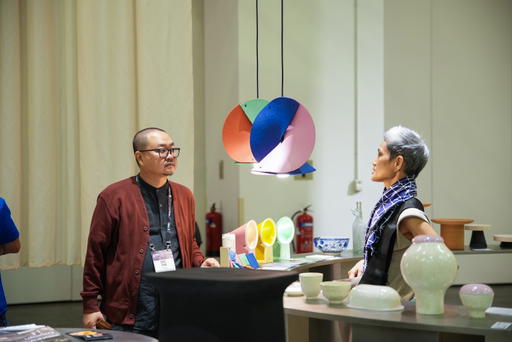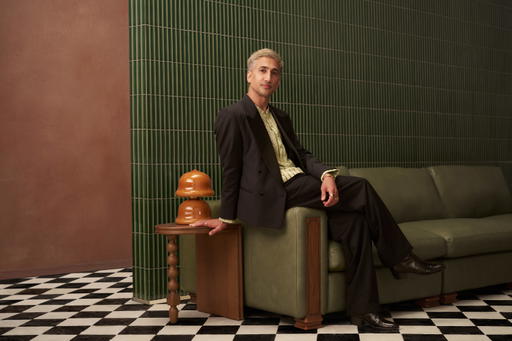

First launched in 1961 as Italian furniture show Salone del Mobile, Milan Design Week has evolved from a trade fair into a citywide cultural phenomenon. Each April, Italy‘s economic capital becomes a stage for experimentation across furniture, interiors, and spatial storytelling.
This year, leading brands reimagined the city as a sequence of authored environments—from Louis Vuitton’s scenographic journey through archival savoir-faire and Hermès’ choreographed object landscapes, to Bottega Veneta’s material-led explorations and Marni’s social, ritual-driven intervention.
Louis Vuitton
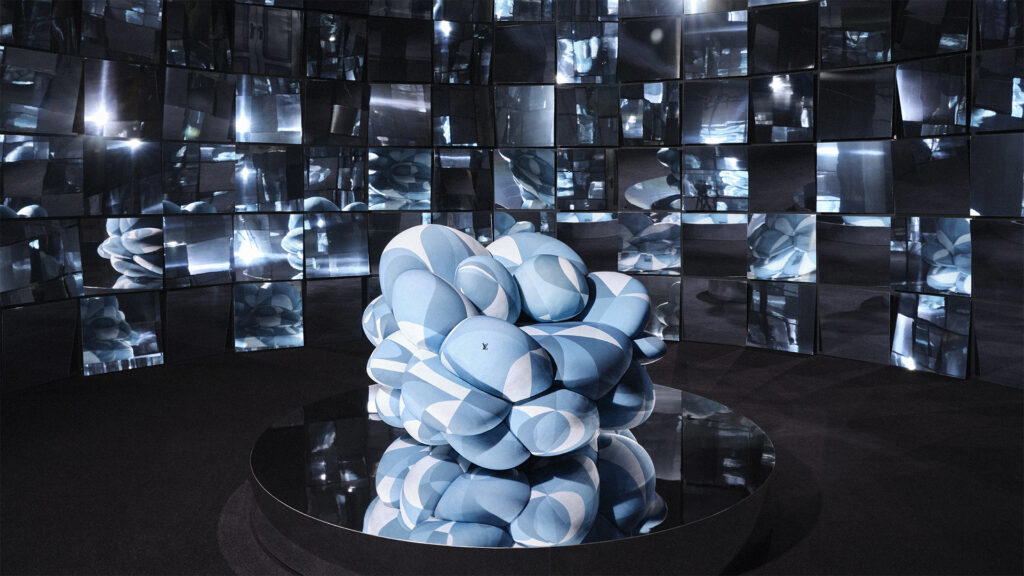
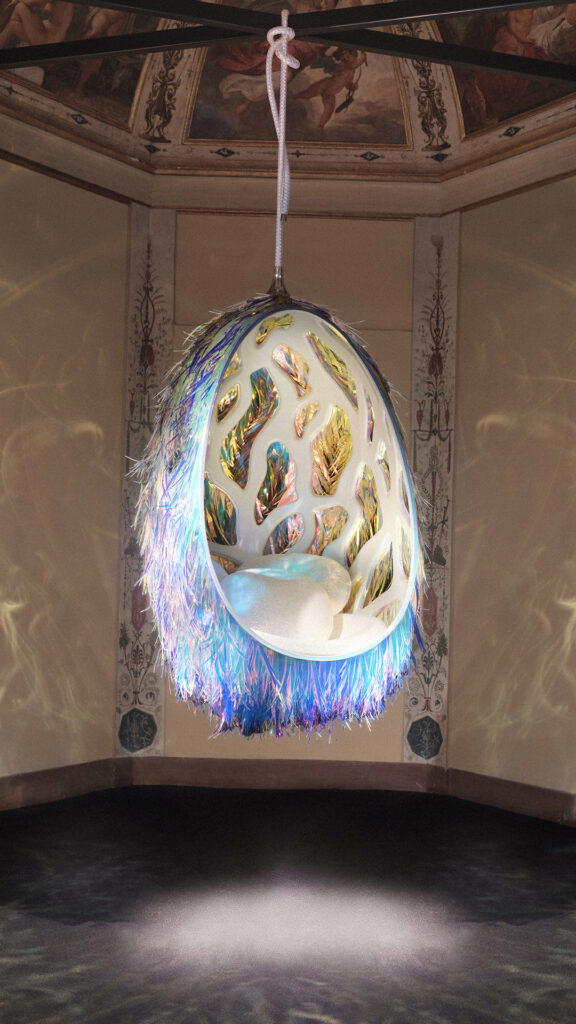
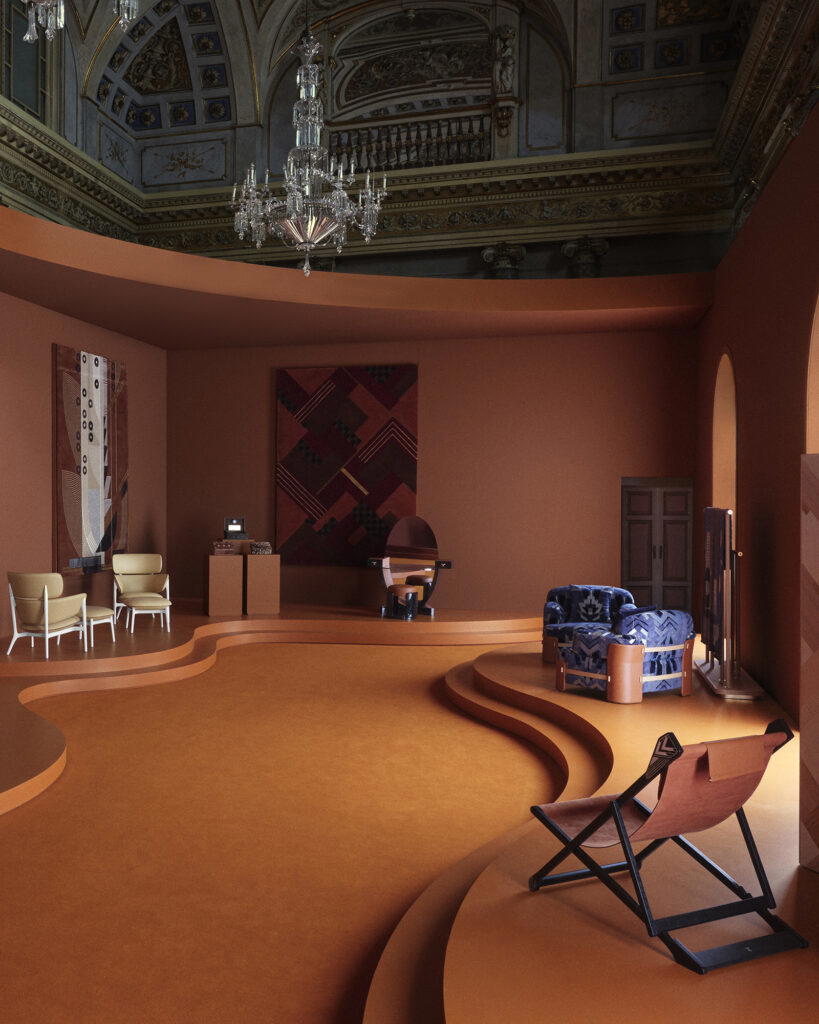
Louis Vuitton transformed Palazzo Serbelloni into a richly-layered scenographic journey for its latest Objets Nomades presentation, weaving together Art Deco heritage, archival savoir-faire, and contemporary collectible design. Moving through immersive rooms, visitors encountered tributes to Pierre Legrain alongside reinterpreted historic trunks, bold textile landscapes, and sculptural furniture by collaborators such as Estudio Campana, Raw Edges, Patrick Jouin, and Charlotte Perriand, all orchestrated into colour-coded environments that shifted from aquatic greens and deep reds to cosmic tones.
The experience extended beyond the palace, with a pop-up bookstore dedicated to the Maison’s travel publications and trunk installations at the Via Montenapoleone boutique, underscoring Louis Vuitton’s ongoing dialogue between craftsmanship and the art of travel.
Longchamp
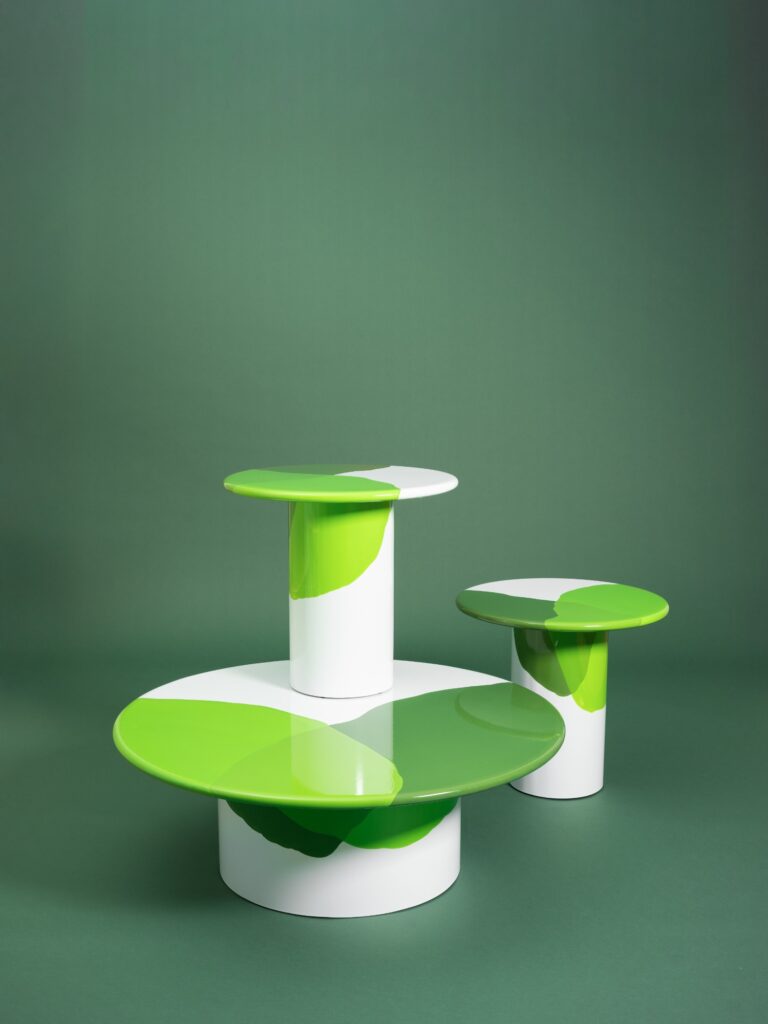
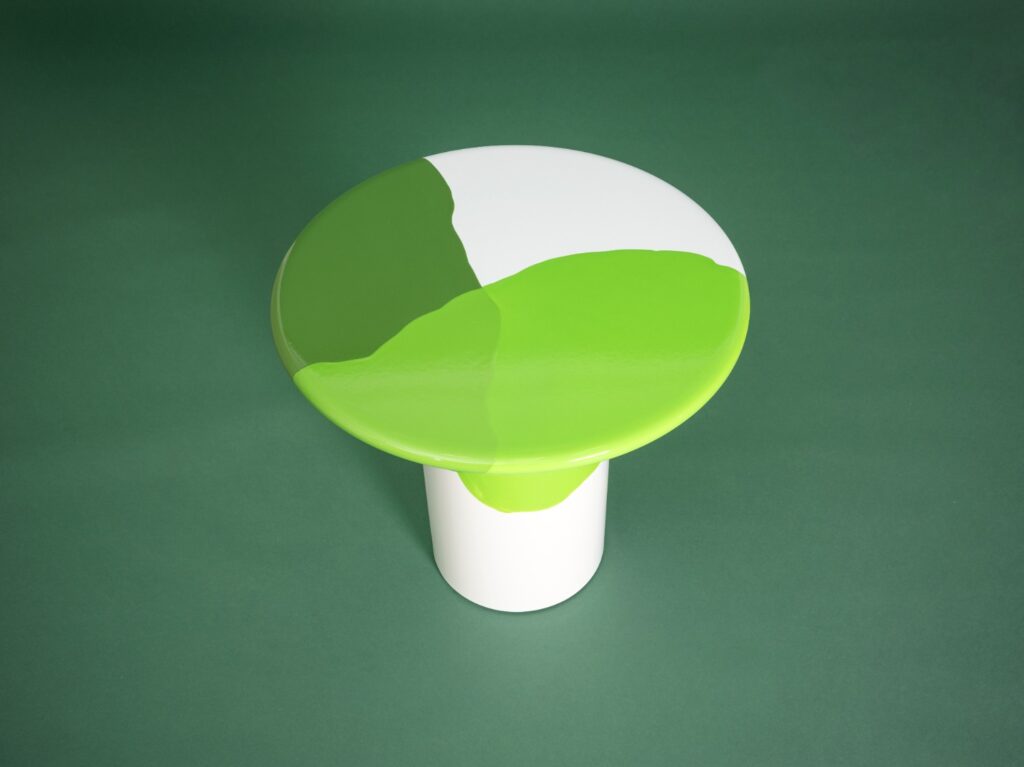
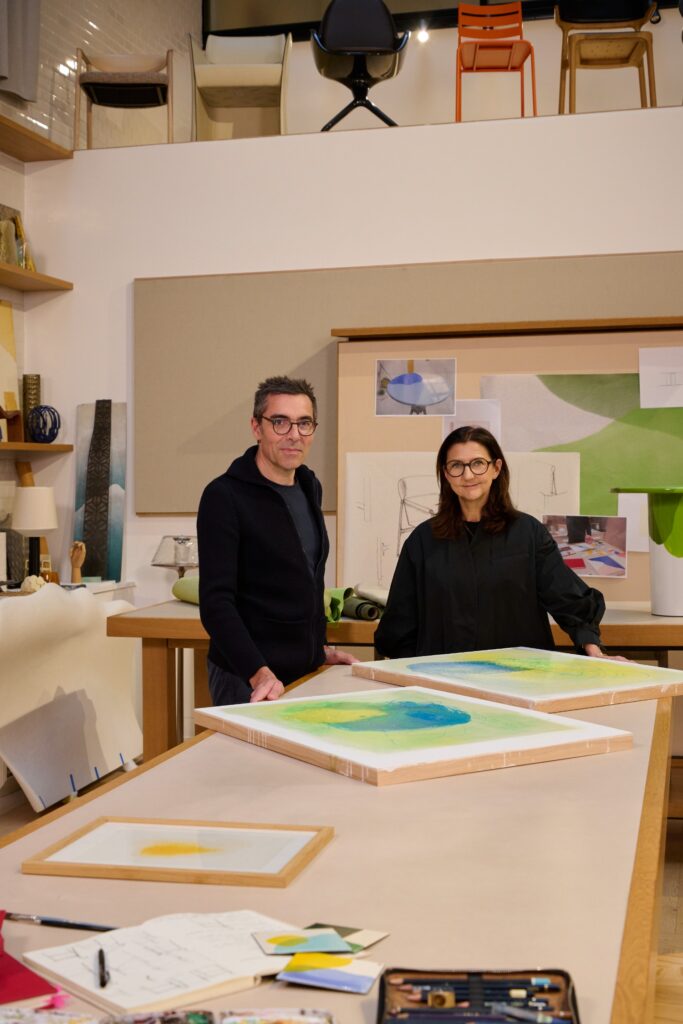
Longchamp and designer Patrick Jouin unveiled a collaboration that translated the house’s leather savoir-faire into collectible design, debuting at its Via della Spiga flagship as a pop-up installation. From the Drop Side and Coffee Tables in spun steel with enamel finishes in signature Light Green and Heritage Green to the sculptural Olo armchair detailed in bespoke dyed leather, the collection balanced engineering with tactile elegance. The partnership’s most poetic expression was seen in the Ostara lamp, a limited-edition, rechargeable design crafted from micro-perforated full-grain leather and oak, reinterpreting Longchamp’s codes into a luminous, portable object.
Hermès
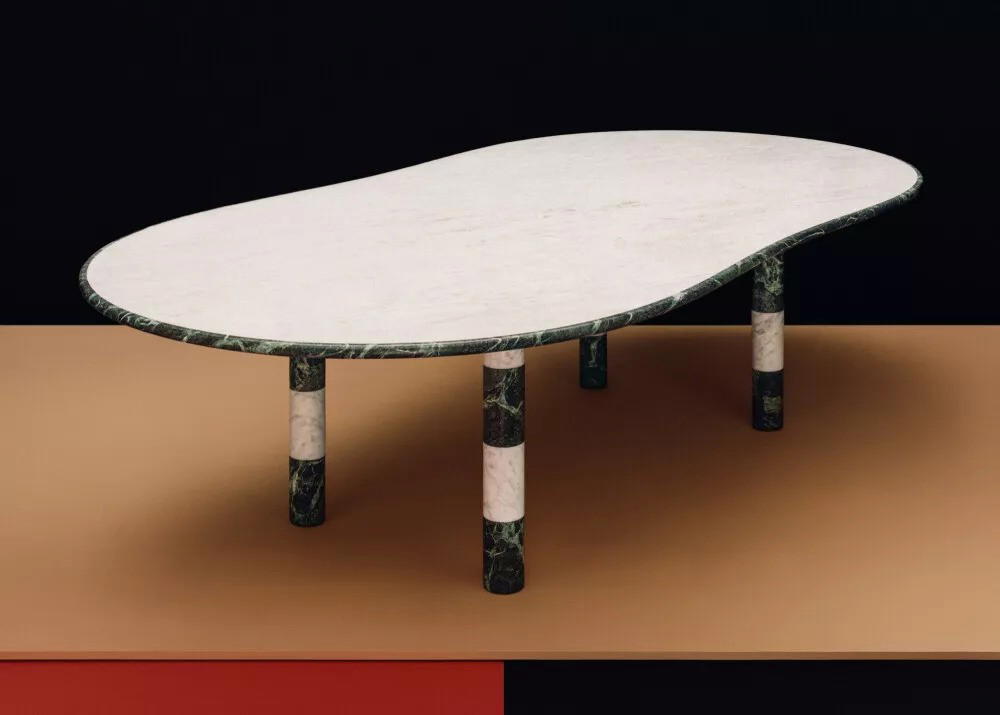
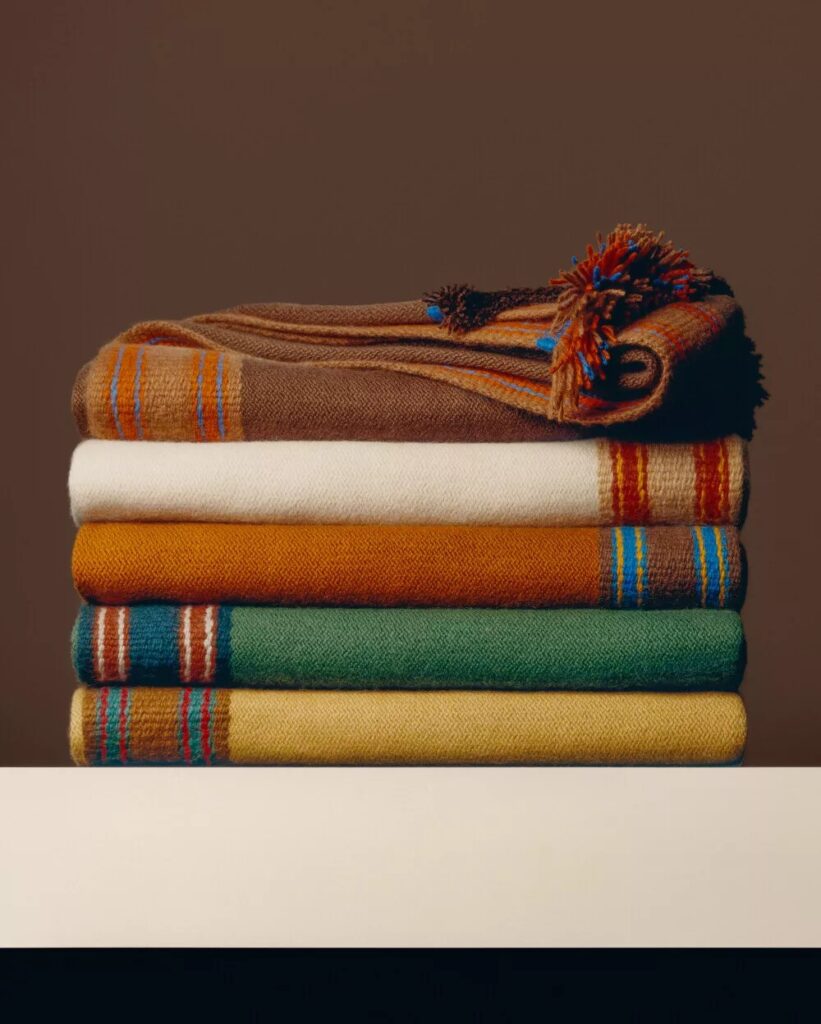
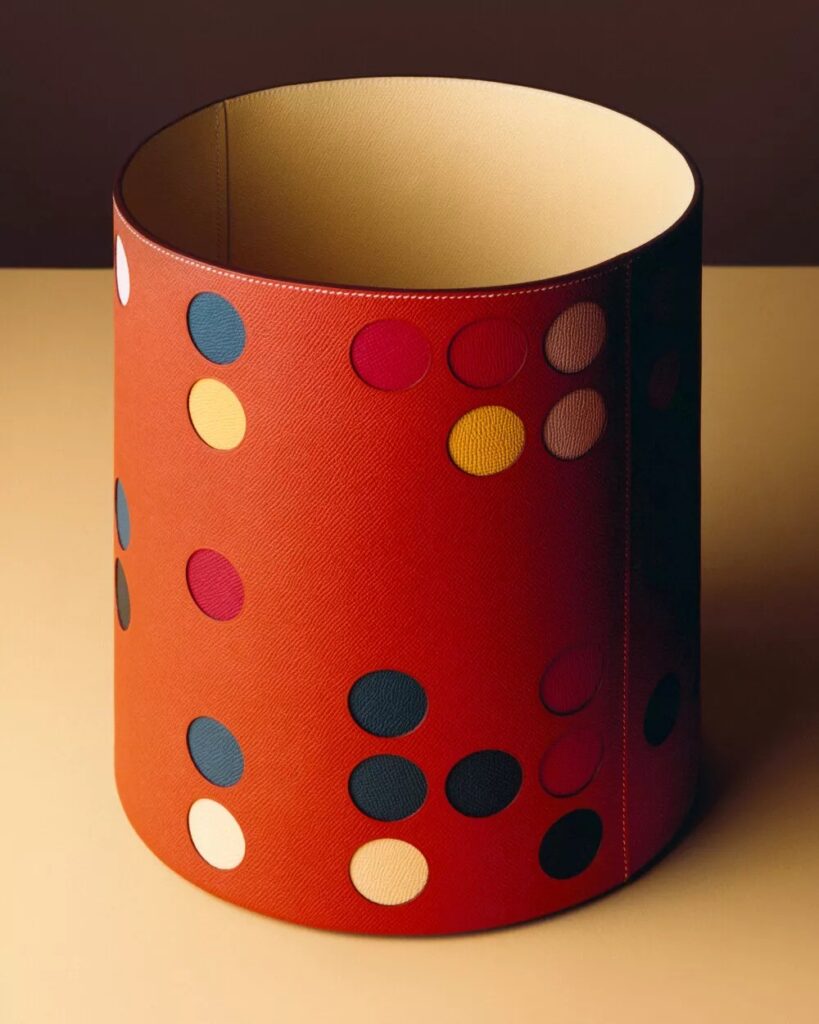
Hermès delivered one of the week’s most compelling scenographies, as Charlotte Macaux Perelman and Alexis Fabry transformed La Pelota into a rhythmic landscape of columns and corridors, guiding visitors through a sequence of tactile discoveries. Among them, the sculptural Stadium d’Hermès table, the hammered-metal Palladion d’Hermès vase and matching jug, and finely worked objects like the Piano box and Confettis basket sat alongside richly crafted textiles including the Clamp & Dye and H Letter throws.
Marni
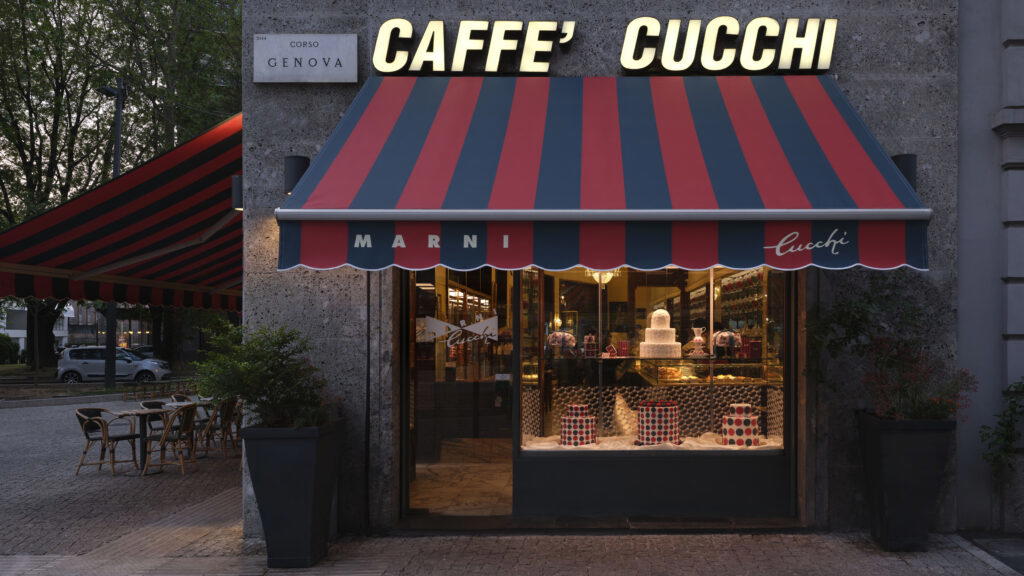
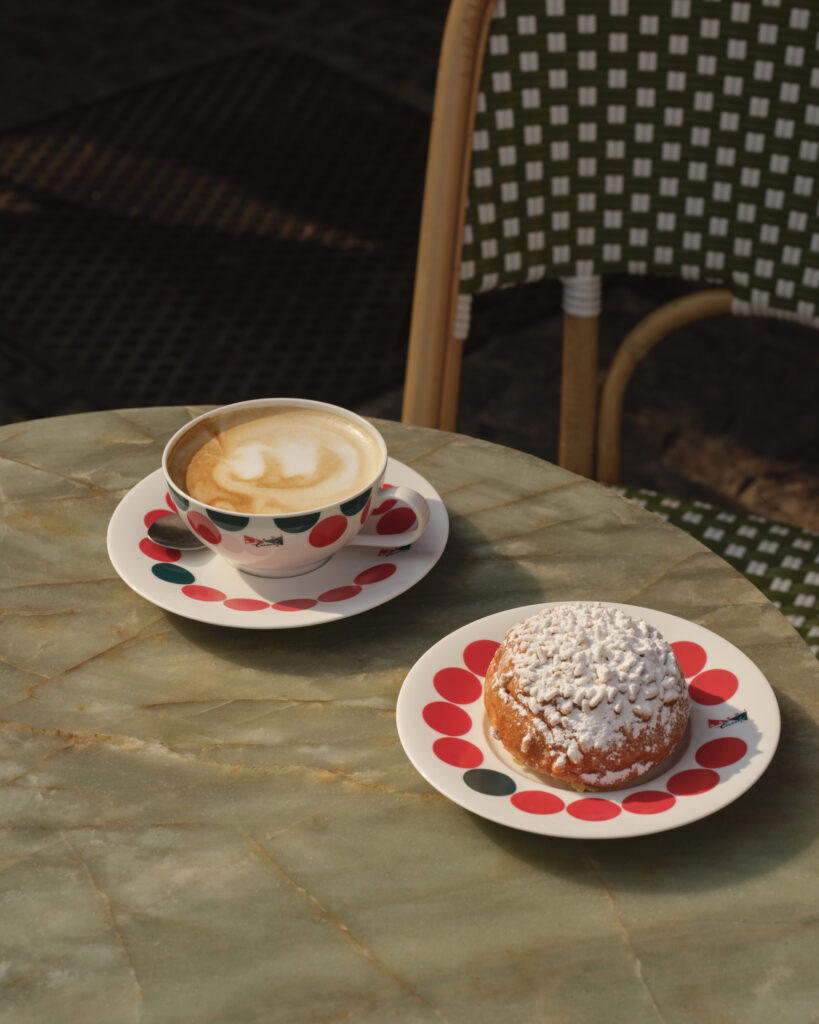
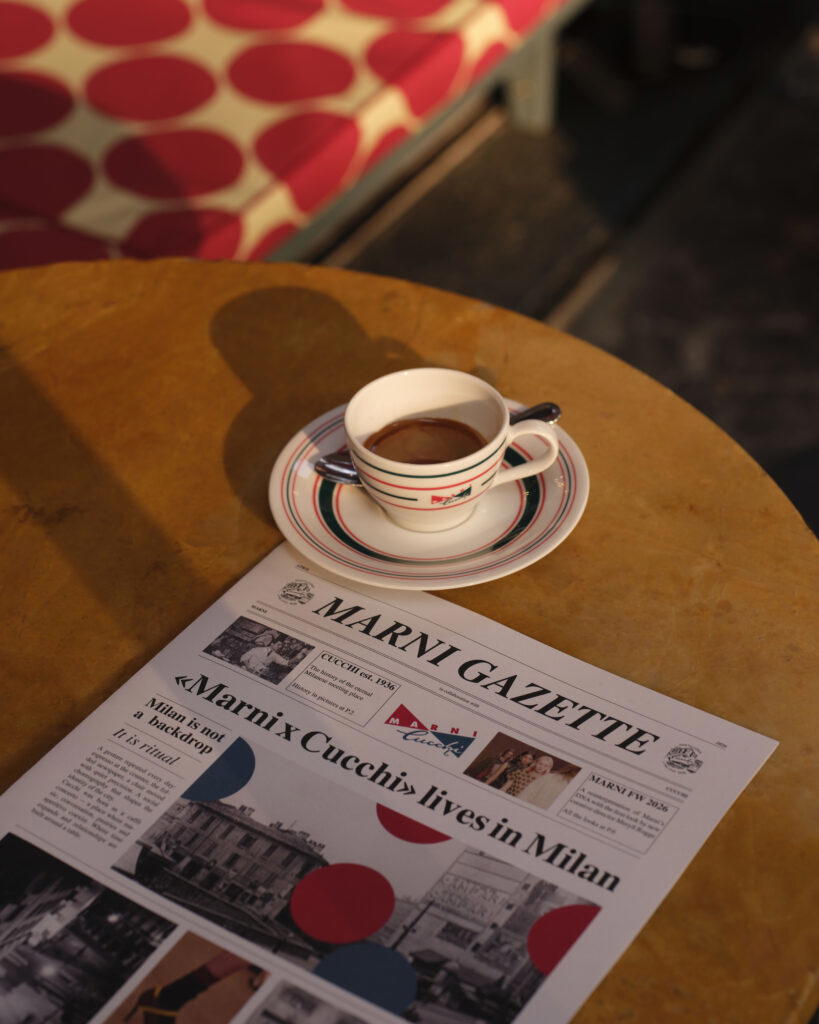
Marni took over the historic Pasticceria Cucchi with an intervention that reframed everyday Milanese rituals as a design-led experience. Conceived with RedDuo Studio, the project threaded Marni’s offbeat elegance through Cucchi’s storied interiors via a graphic language of saturated reds and greens, polka dots and stripes, extending across tableware, textiles, and even staff uniforms. Embedded in the cadence of the city, from morning cappuccino to aperitivo, the space evolved into a social stage with a programme of live music and a cocktail menu by Martini, while collectible cups and saucers blurred the line between object and souvenir.
Ralph Lauren
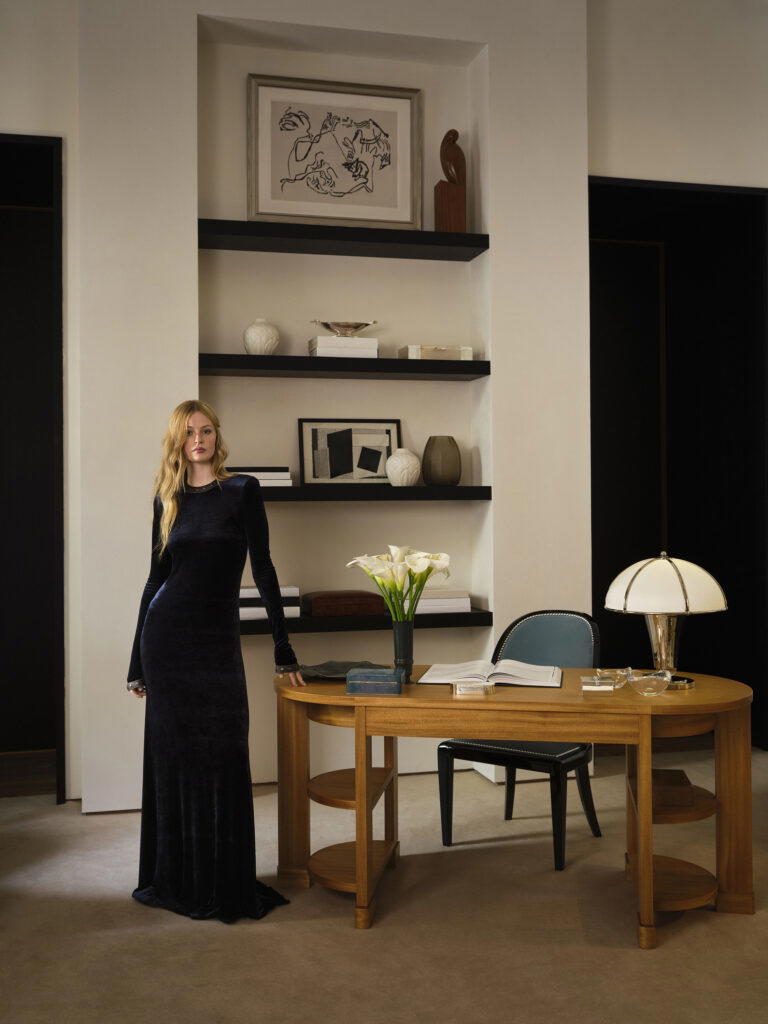
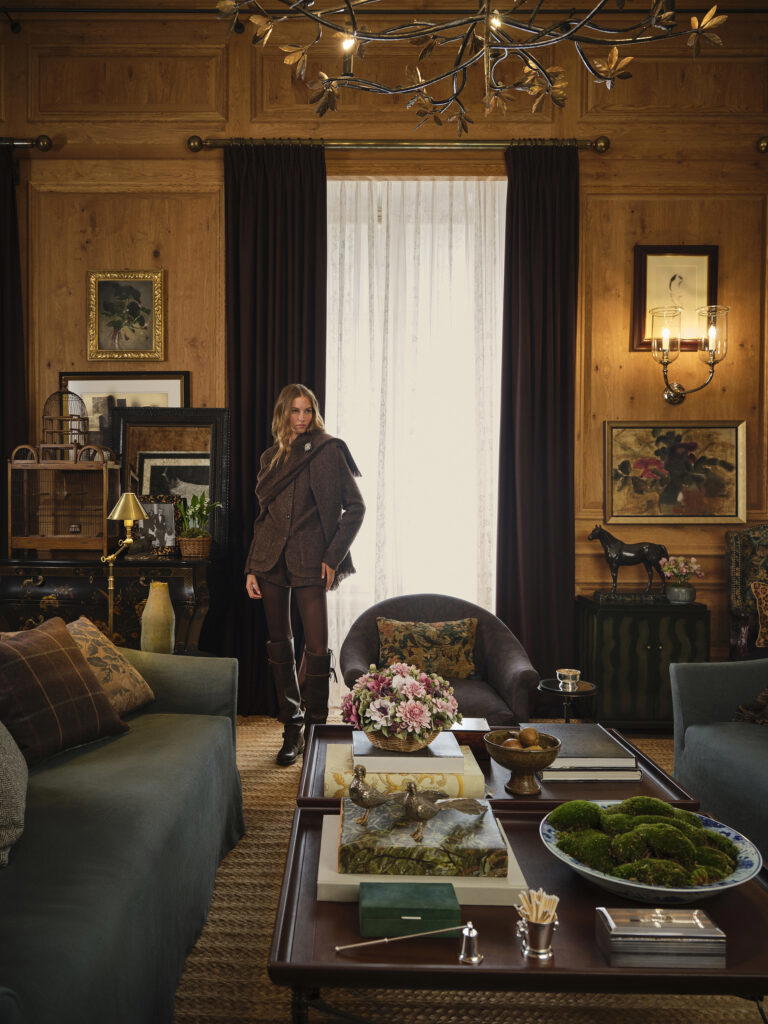
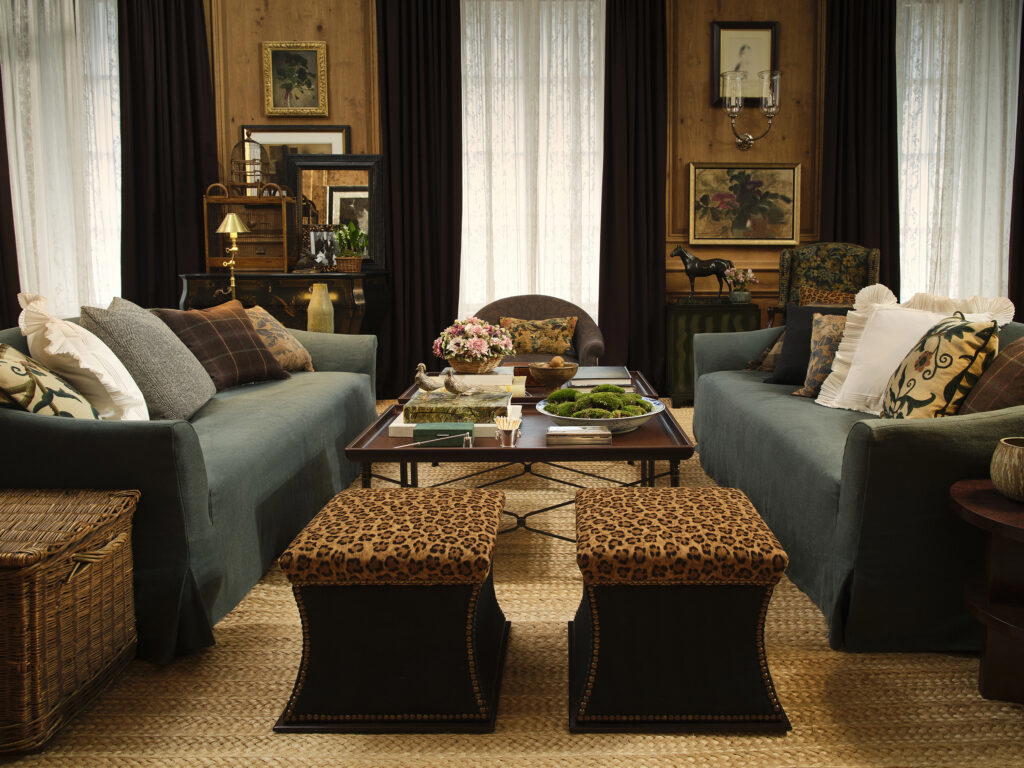
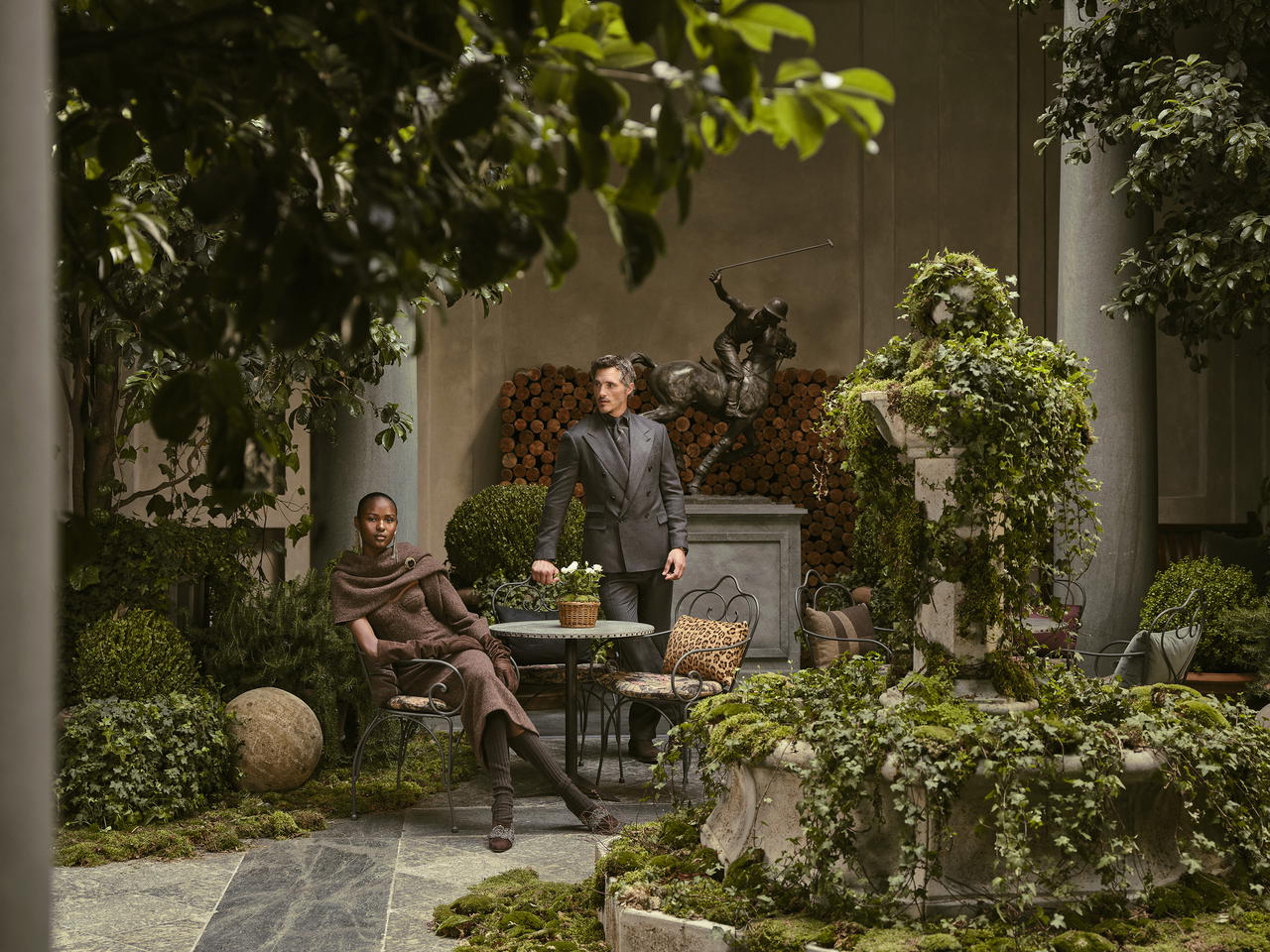
Ralph Lauren’s Via della Spiga flagship offered a cinematic evocation of life at sea, drawing on the escapism of yachting culture. The façade and windows were reimagined with maritime cues, from billowing sails to porthole-like displays, while inside, collections spanned men’s, women’s and home, with furnishings informed by the polish of yacht design.
Alongside its Via della Spiga installation , Ralph Lauren Home extended its narrative of refined coastal living through the Fall 2026 collection, where yacht craftsmanship informed a domestic landscape. Polished woods, tailored upholstery, and maritime-inflected details converged in pieces that echo the rhythm of life at sea while remaining grounded in the brand’s vision of American elegance.
Bottega Veneta
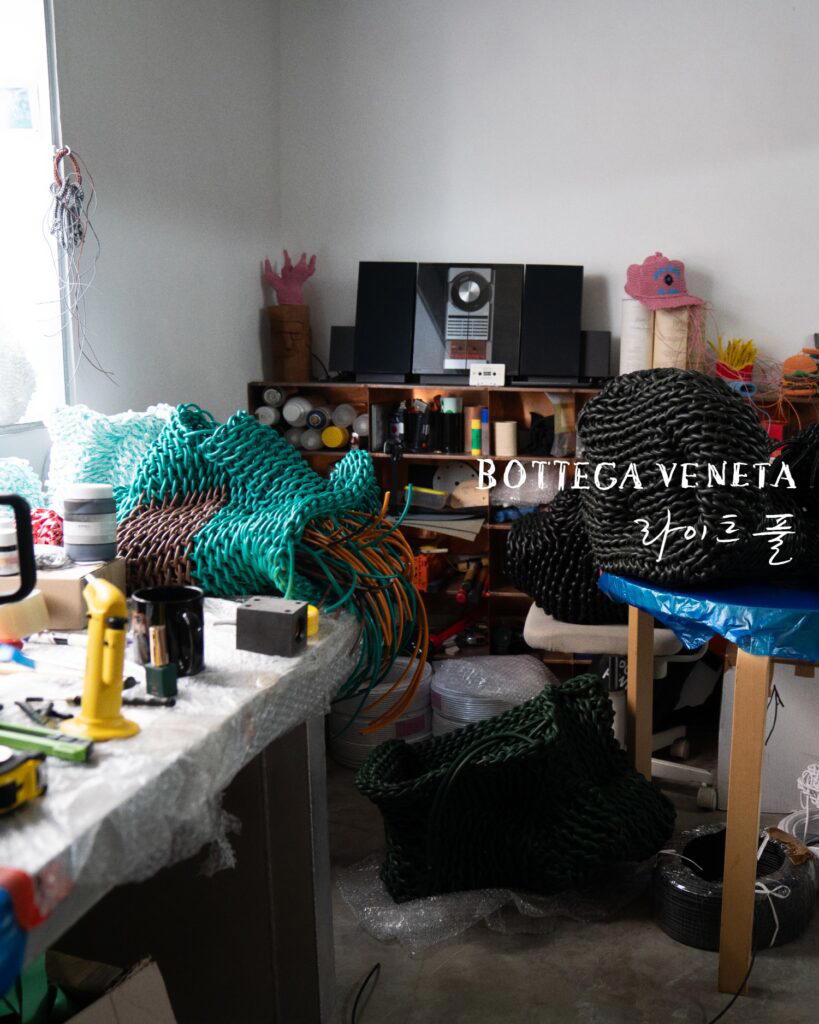
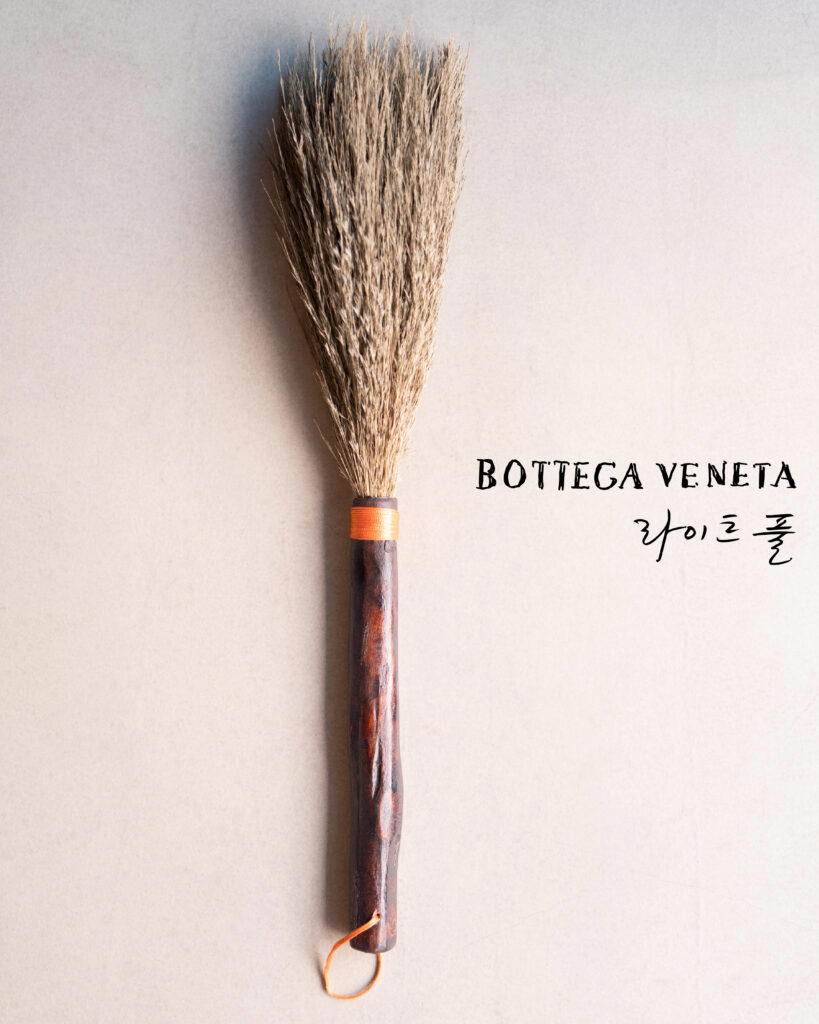
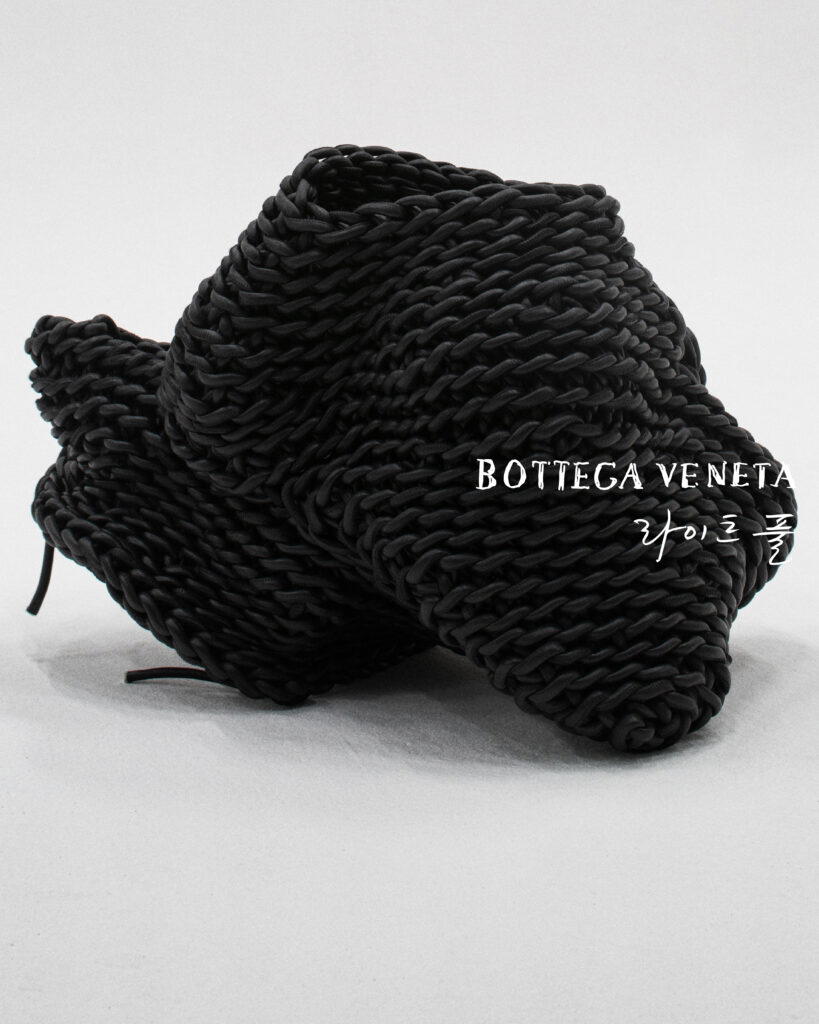
Bottega Veneta collaborated with Korean artist Kwangho Lee through Lightful, a site-specific installation unveiled at its Via Sant’Andrea store. Expanding the artist’s exploration of material encounters, the work introduced woven light sculptures crafted from the house’s leather fettucce in deep black and green, their organic forms shifting through shadow and illumination.
Rooted in Lee’s ongoing engagement with traditional techniques and experimental processes, the installation reflected a shared commitment to craft, echoing the house’s own heritage of intrecciato while introducing a more atmospheric, spatial dimension.
Dior
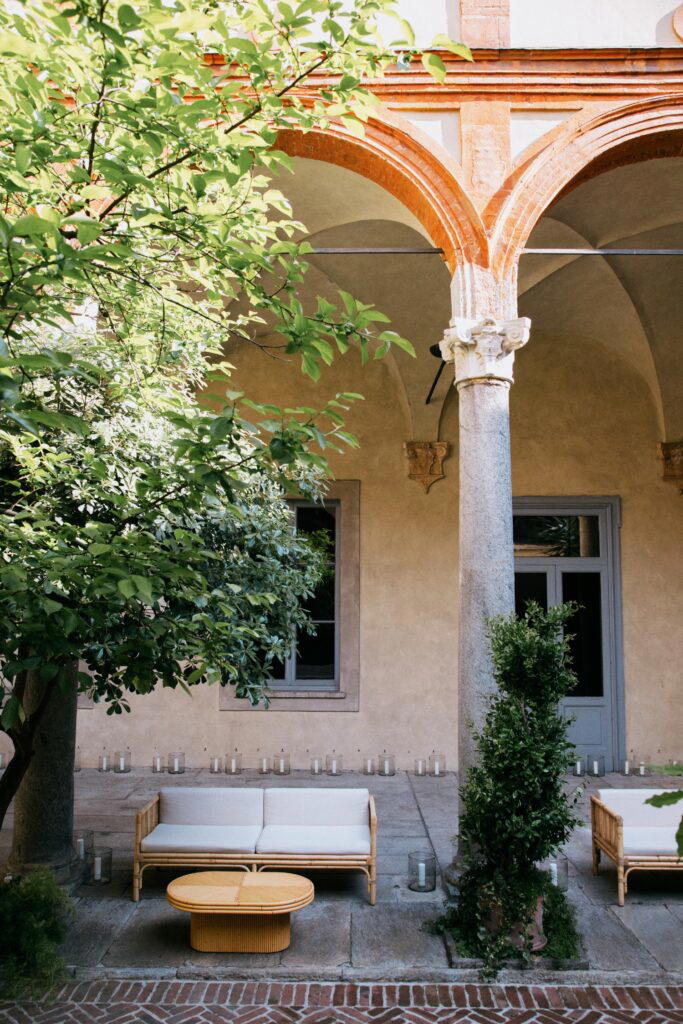
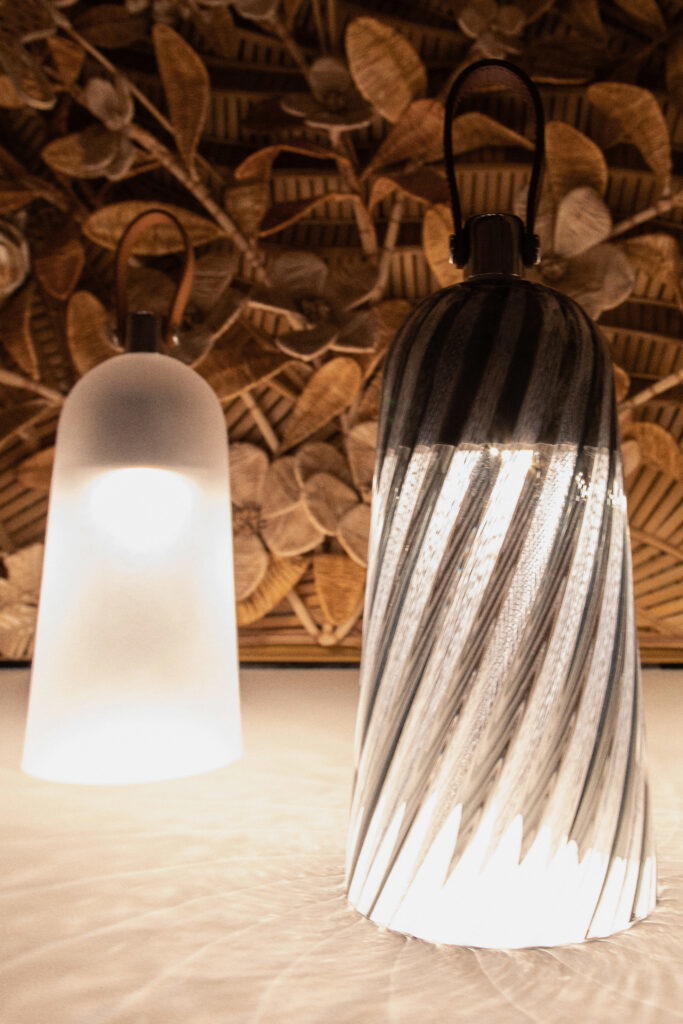
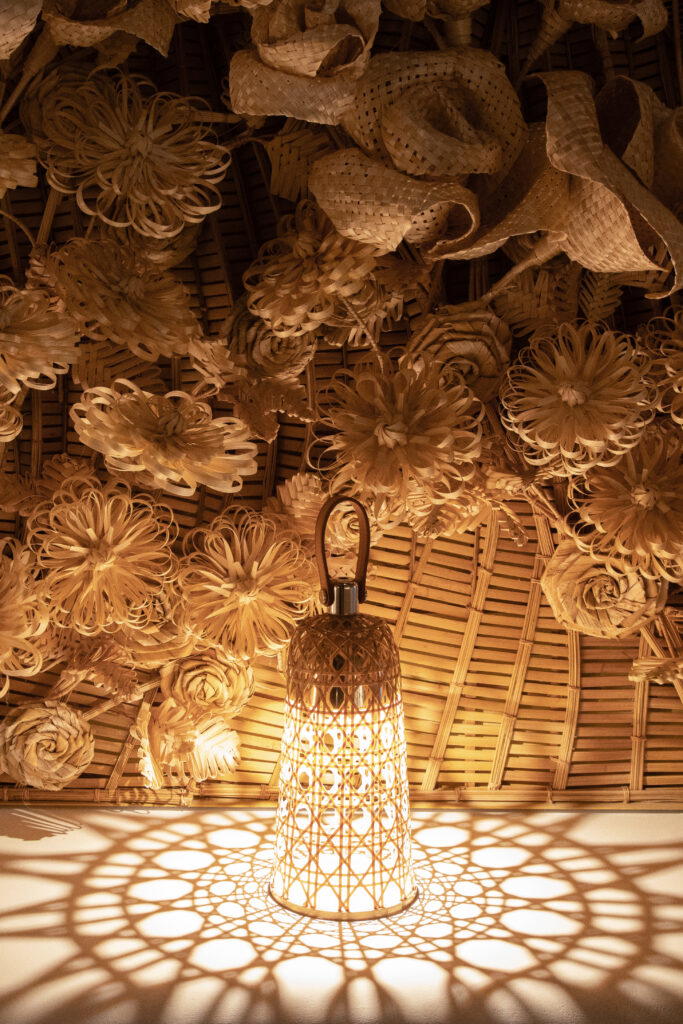
Dior presents a new series of Corolle lamps by Noé Duchaufour-Lawrance, launched within the historic Palazzo Landriani in Brera. A homage to the silhouette of Christian Dior’s 1947 New Look, the pieces translate couture codes into luminous objects, from mouth-blown Murano glass forms that echo the fluidity of pleated fabric to woven bamboo structures that evoke cannage. The scenography draws on the gardens of Villa Les Rhumbs, reinterpreted through an installation by Thai artists Korakot Aromdee and Vasana Saima, creating a layered narrative of nature and craft.
Fendi
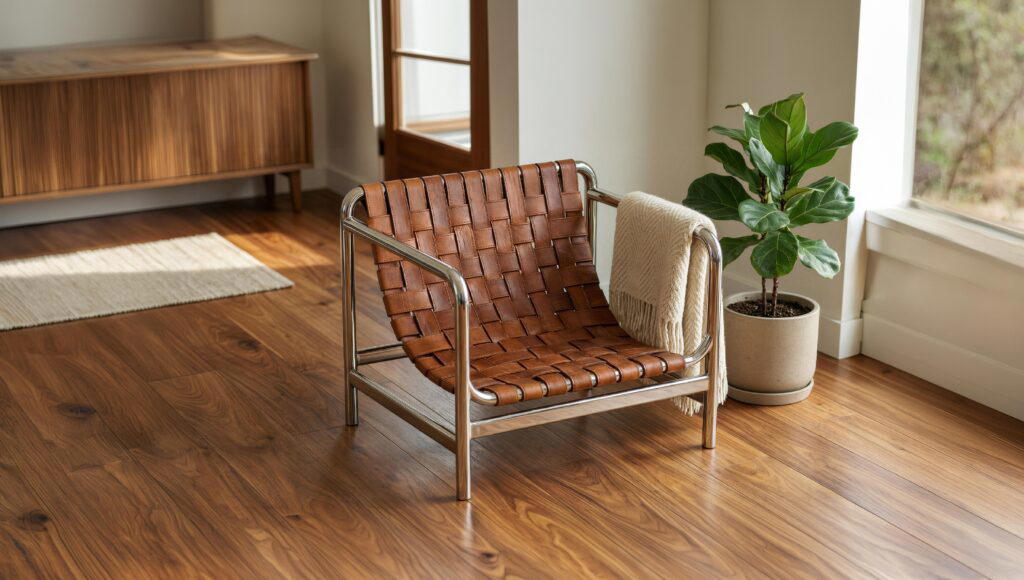
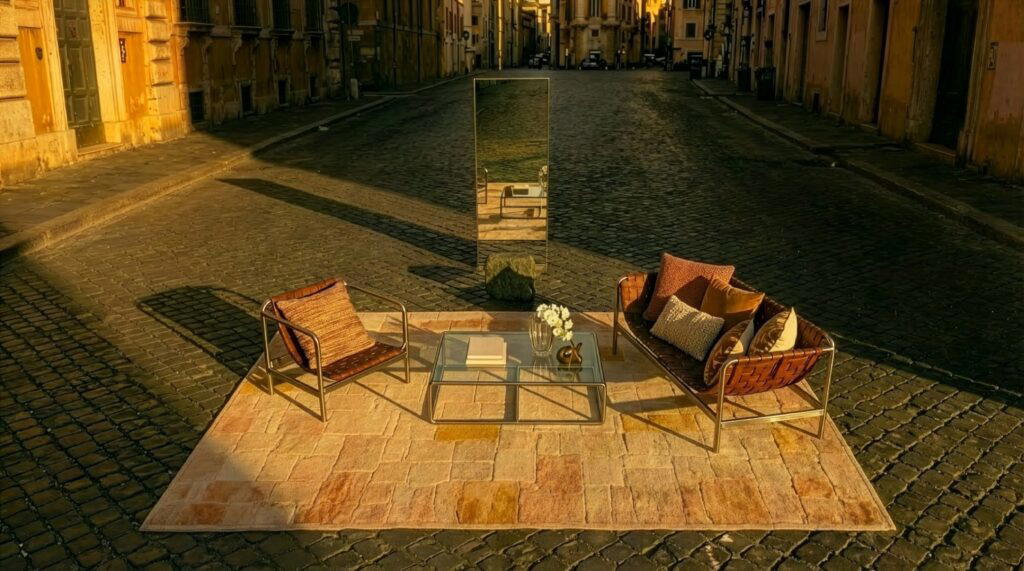
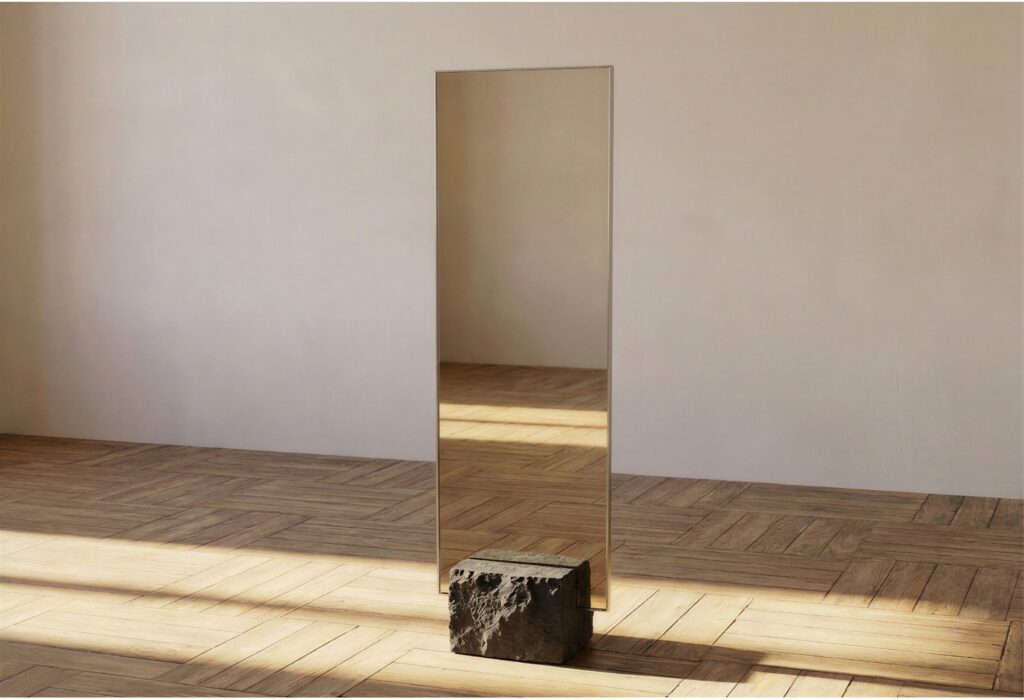
Fendi sharpened its commitment to material storytelling with the 2026 Fendi Design Prize, awarding Gustav Craft’s Via, a meditation on Rome’s sampietrini. Unveiled at the Fendi Casa boutique, the collection distills centuries of urban wear into a language of woven leather, exposed steel joints, and elemental stone, where construction is left legible and weight is used with restraint. Chairs read like mapped surfaces, a rug captures the patina of lived ground, and a mirror balances delicately on a single basalt block.
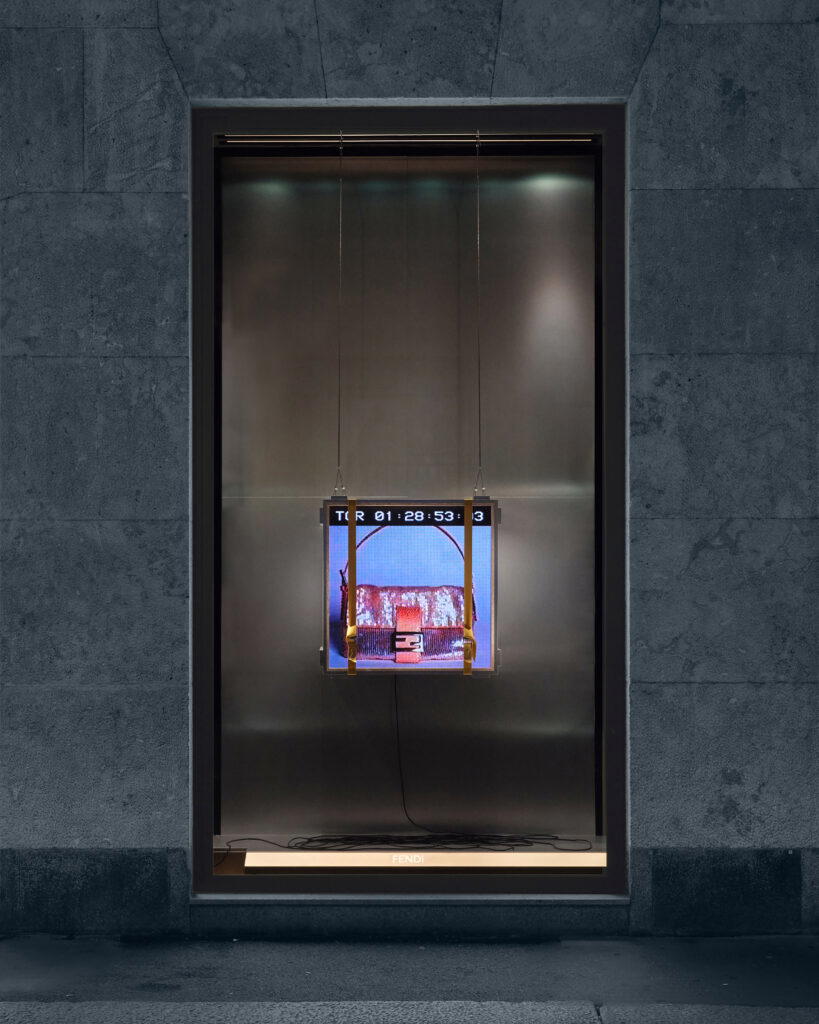
In addition, the Fendi Baguette 26424 Re-Edition returns to its 1997 origin through a softened construction that refines its under-the-arm gesture, expanding the icon into twenty variations including six Milan exclusives, each marked with special Re-Edition metal tags and presented in wooden, crate-like packaging secured with a yellow canvas belt and logo buckle.
Jil Sander
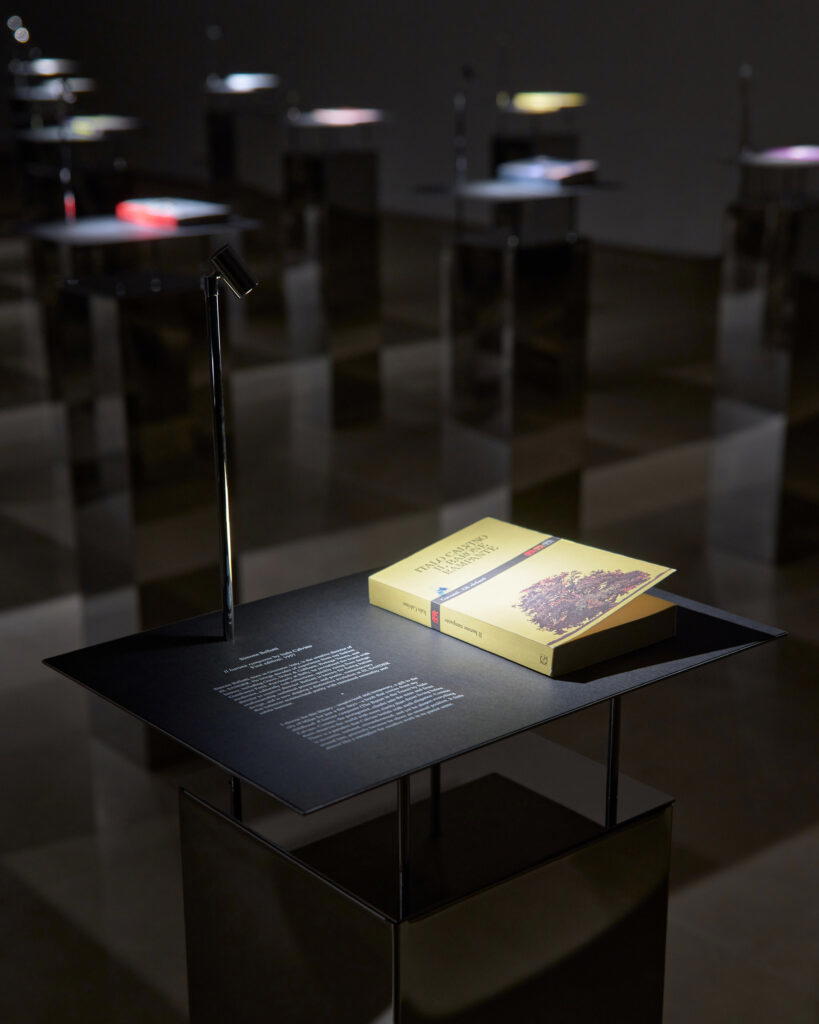
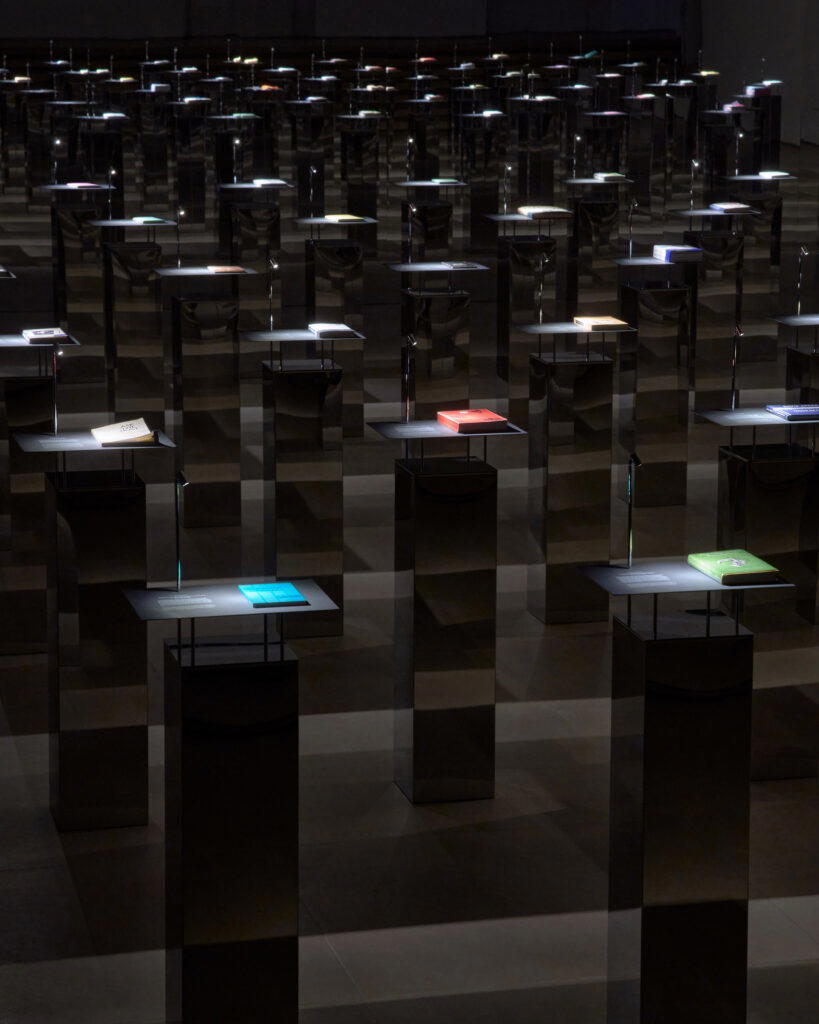
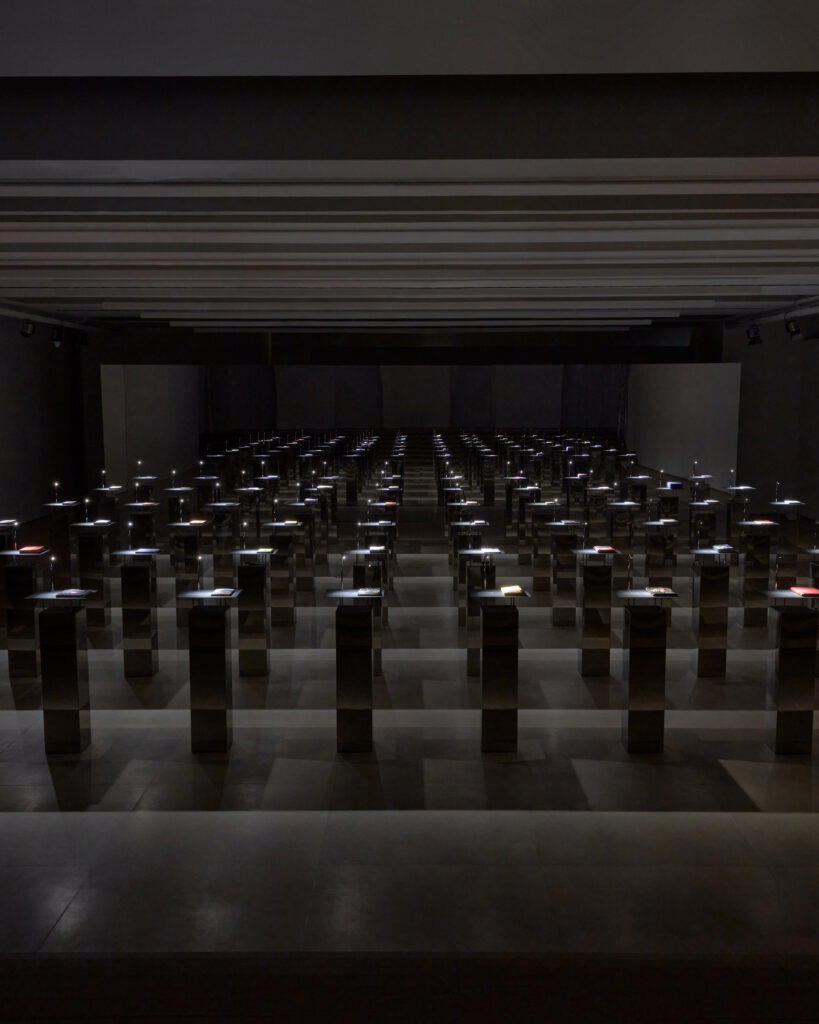
At the Jil Sander showroom in Milan, Reference Library conceived with Apartamento offered a counterpoint to Milan Design Week 2026. A room of 60 books, each selected by a different creative voice, presented not as display but as invitation. Within an installation by Milanese architecture practice Studioutte, chrome lecterns and mirrored walls framed a slower rhythm, where visitors were encouraged to read rather than scroll. Anchored by choices like Il Barone Rampante, the project positioned the book as both object and imprint.
Loro Piana
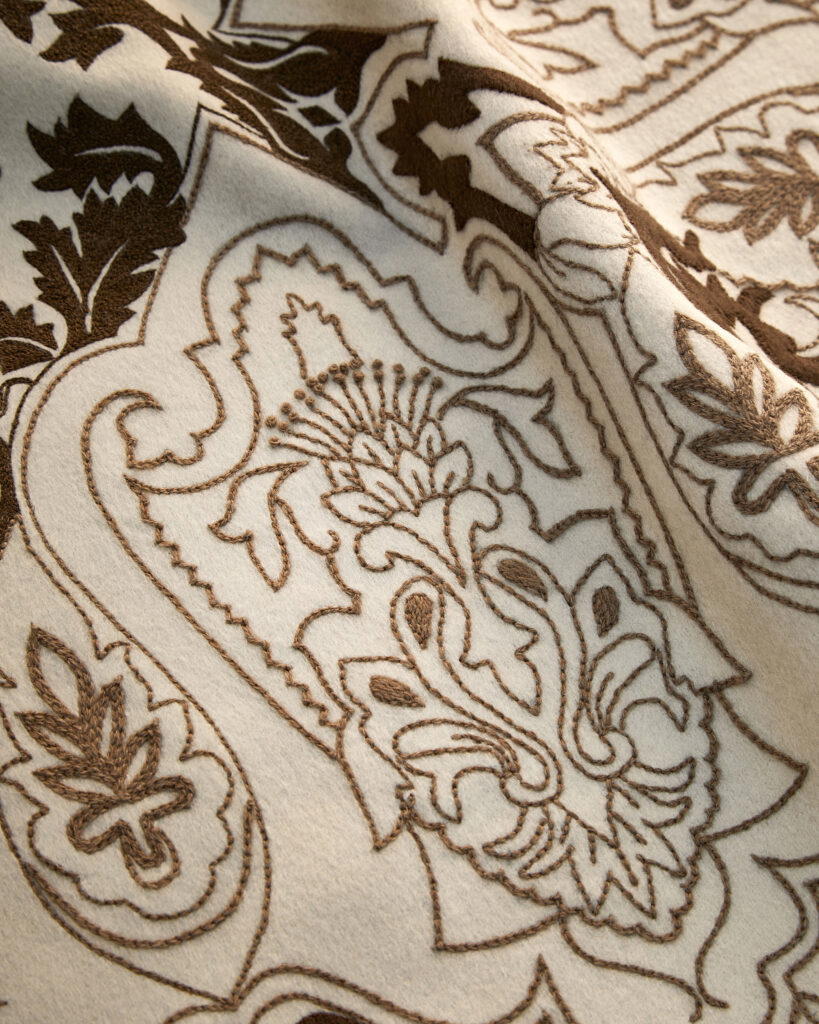
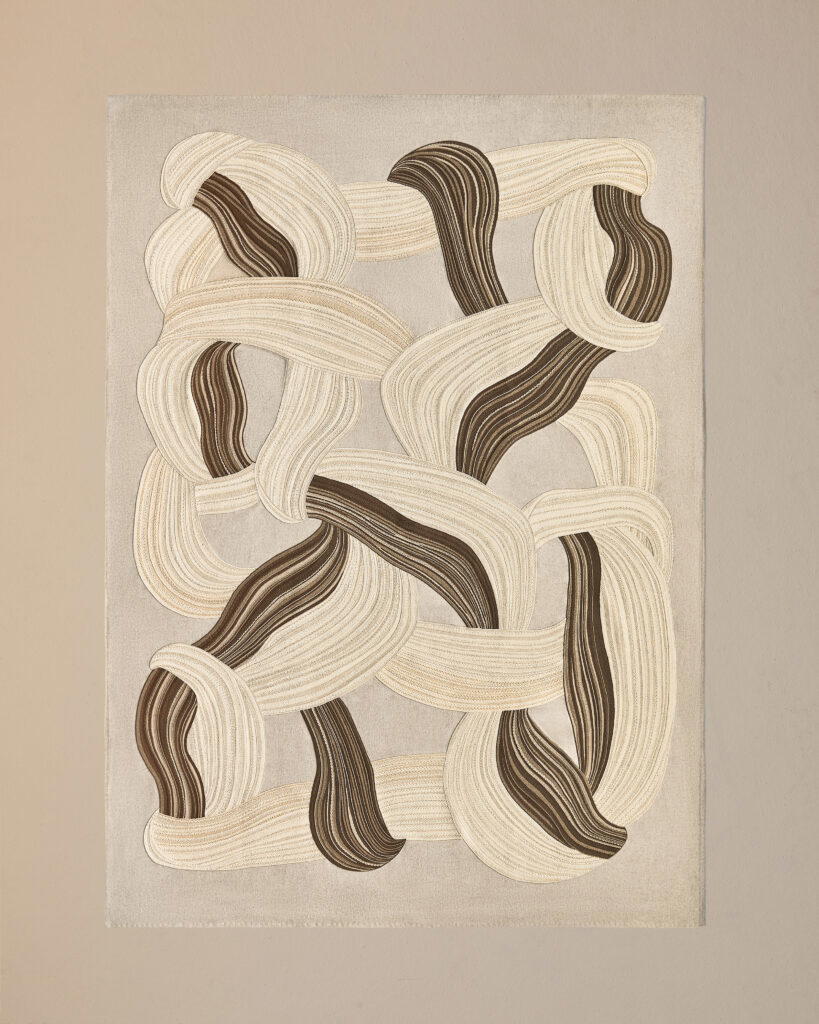
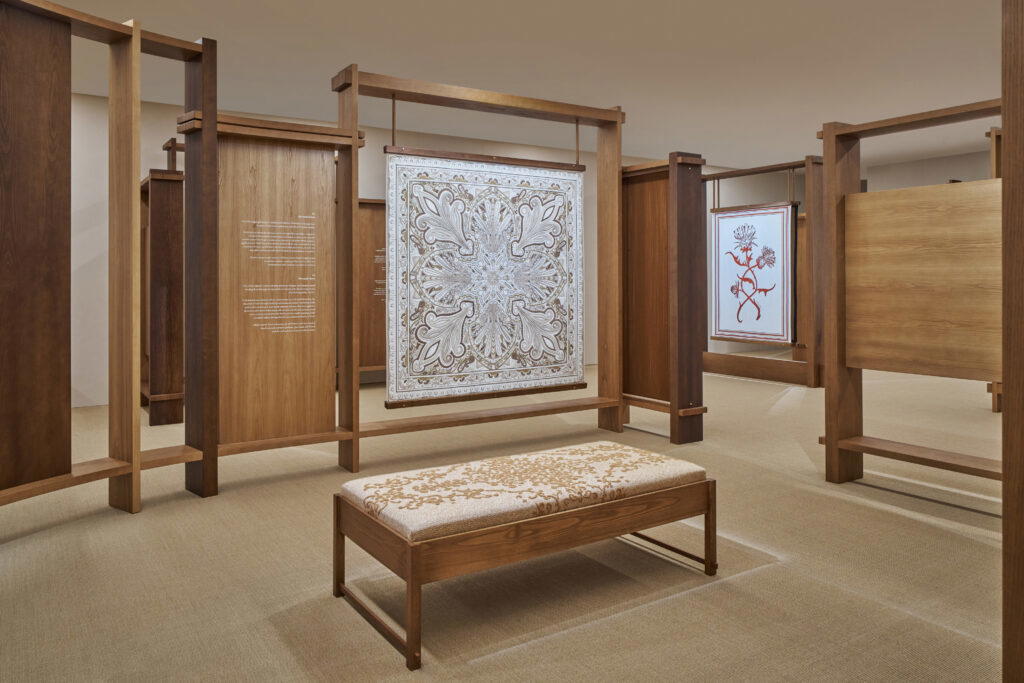
At Cortile della Seta, the Milan headquarters of Loro Piana, Studies, Chapter I: On the Plaid imagines the plaid as a disciplined field of inquiry rather than a seasonal accessory. A curatorial framework within the House’s ongoing Studies series, the presentation isolates twenty-four plaids as individual case studies, each articulated through variations in weave, technique, and finish, from handloom and patchwork to embroidery and screen printing. Fibre is treated as origin rather than backdrop, while Vicuña, Baby Cashmere, Cashmere, and proprietary innovations such as Wish wool and Pecora Nera wool appear alongside archival motifs reworked into contemporary compositions.
MCM
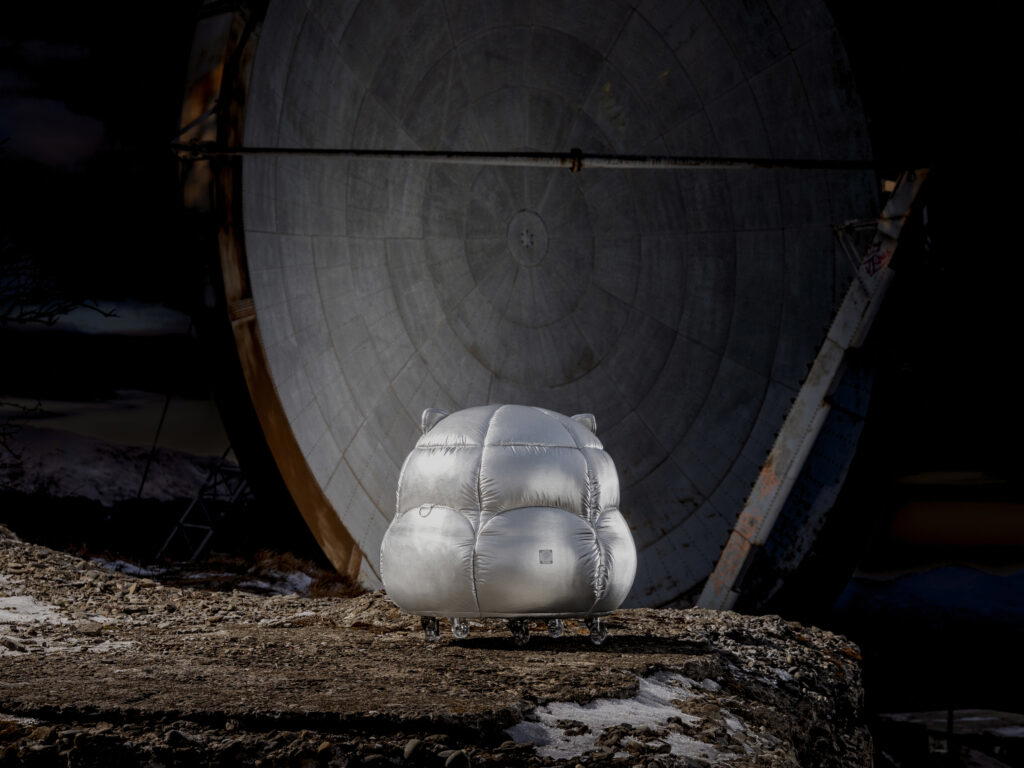
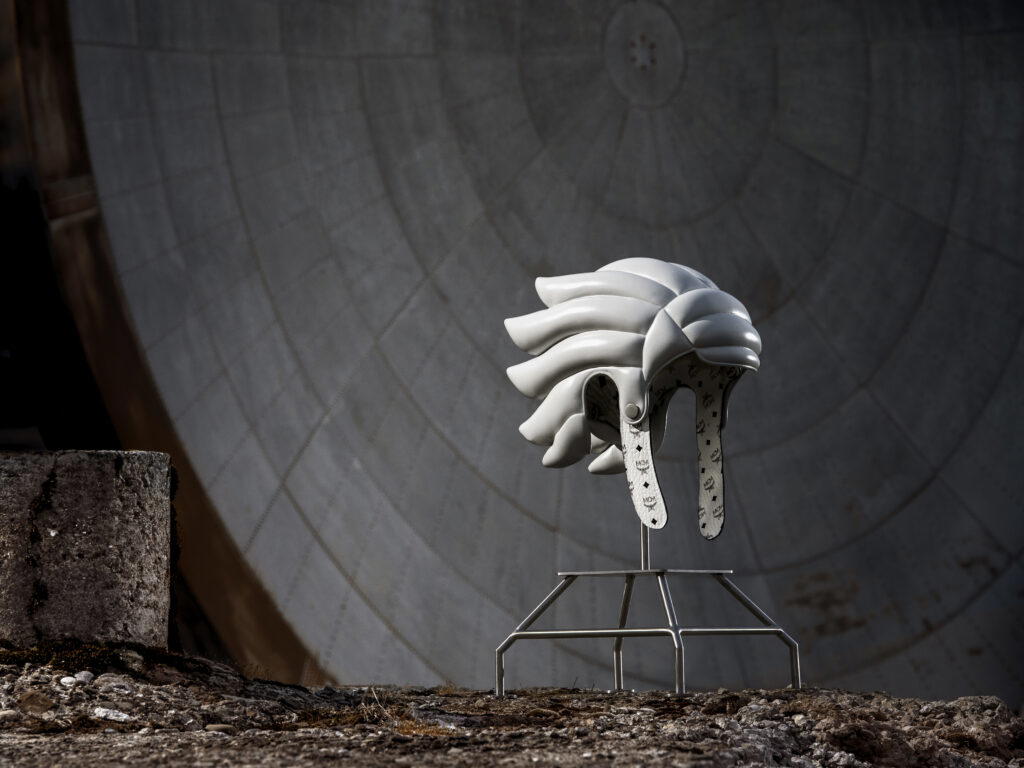
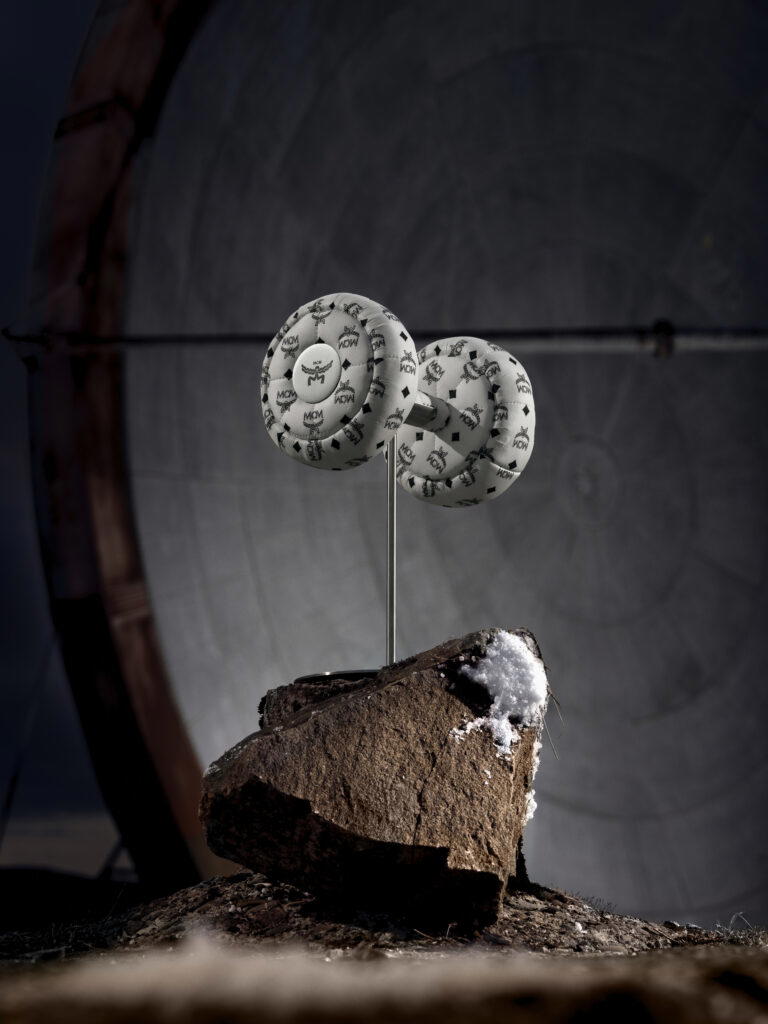
At MCM’s Disco on Mars, staged at the Rotonda del Pellegrini , Atelier Biagetti transforms the brand’s “From Munich to Mars” narrative into a three-level sensory construct where design objects, sound, and performance operate as speculative architecture. The journey begins in The Lab, where upcycled Visetos pieces and limited editions are staged within a laboratory of signals and mechanical rhythm, before shifting into Disco Mars, a roller-skating arena animated by a robot DJ and curated club sound. Across the experience, objects, from poufs to helmets, are treated as narrative devices, reinforcing a vision of design as memory projected into an imagined interplanetary future.
Aesop
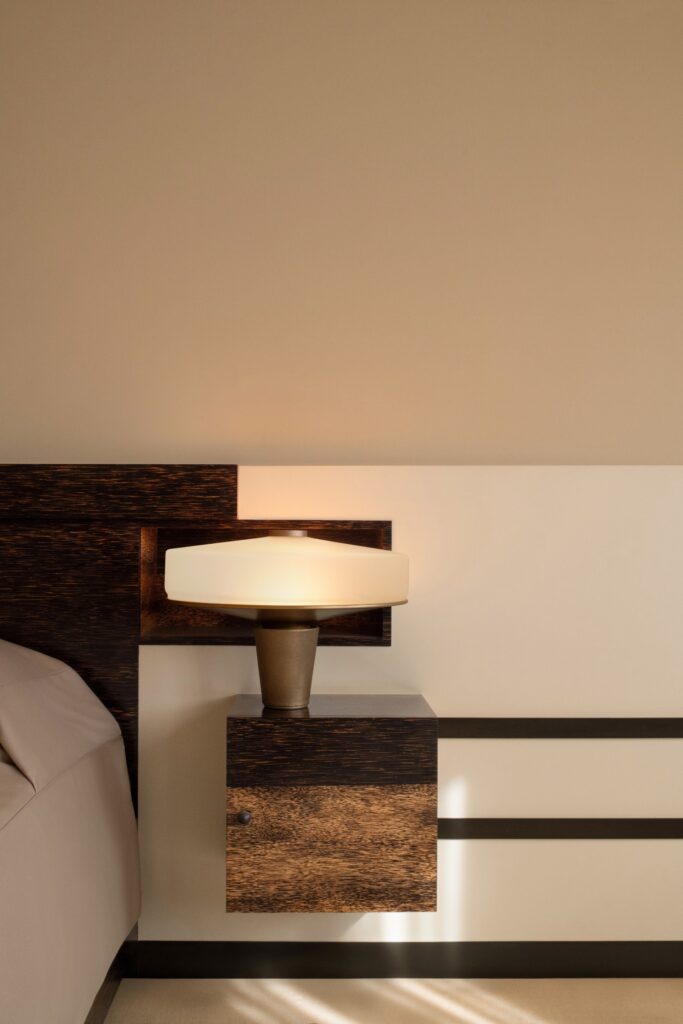
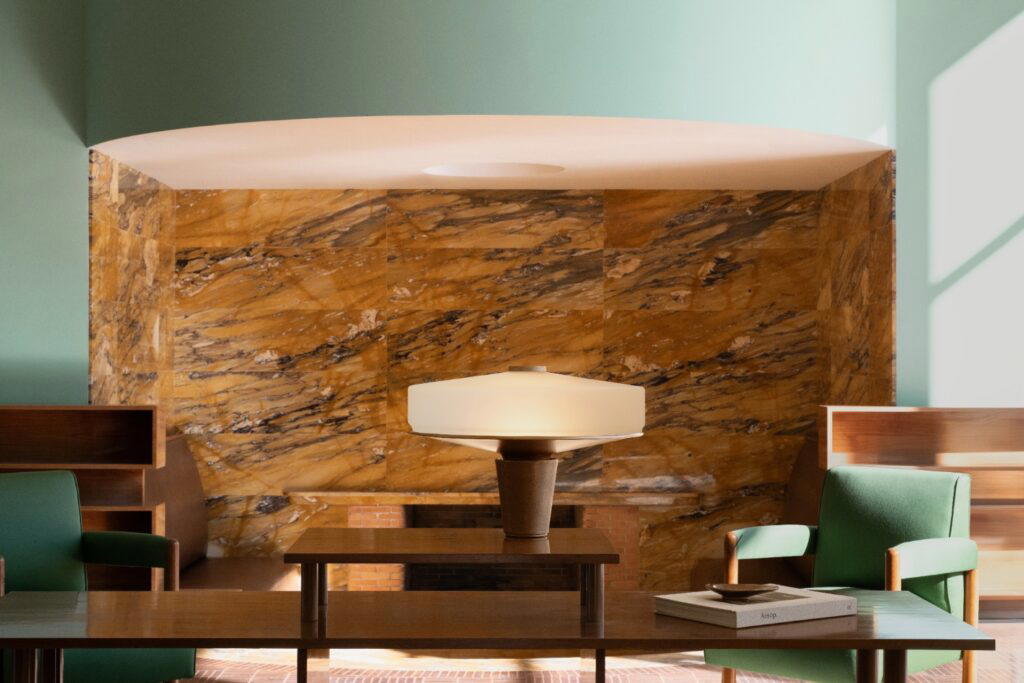
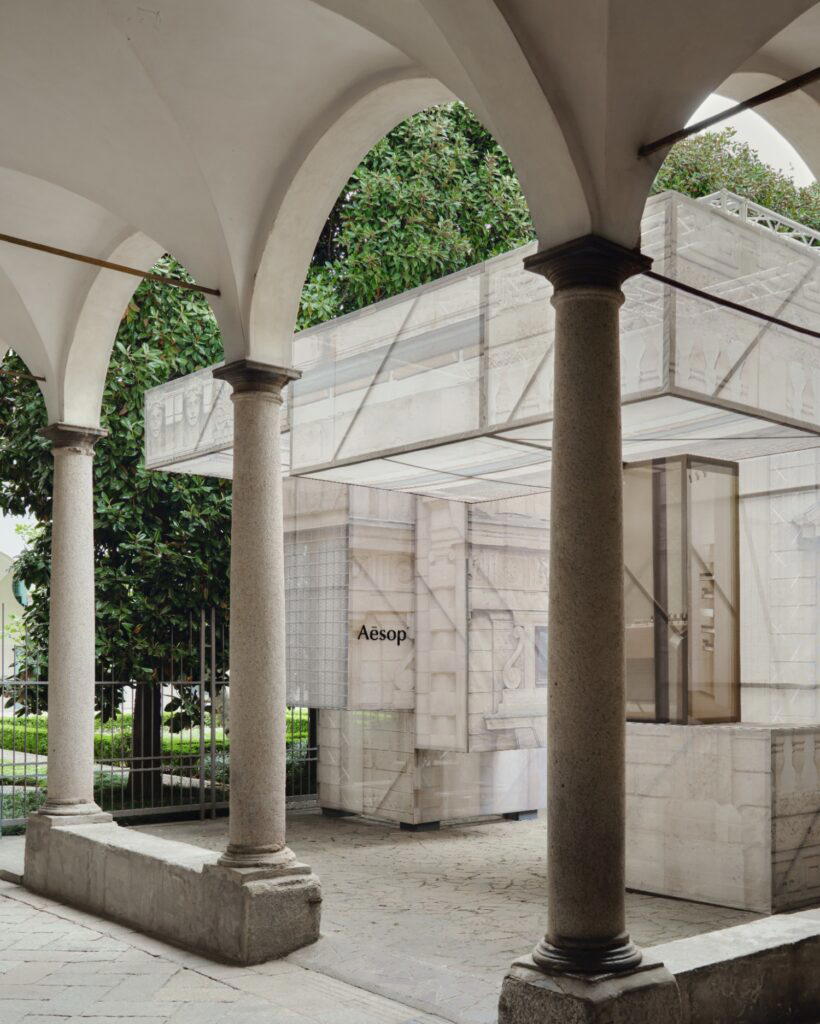
The Factory of Light by Aesop is an installation that reflects the brand’s belief in illumination as something considered and deeply human. Created by Australian architect Rodney Eggleston of March Studio, the experience unfolds just steps from Aesop Brera within the cloistered setting of Santa Maria del Carmine, where salvaged materials, architectural fragments, and sculptural interventions trace the journey toward Aposē, a new trio of lights presented for the first time.
Tod’s
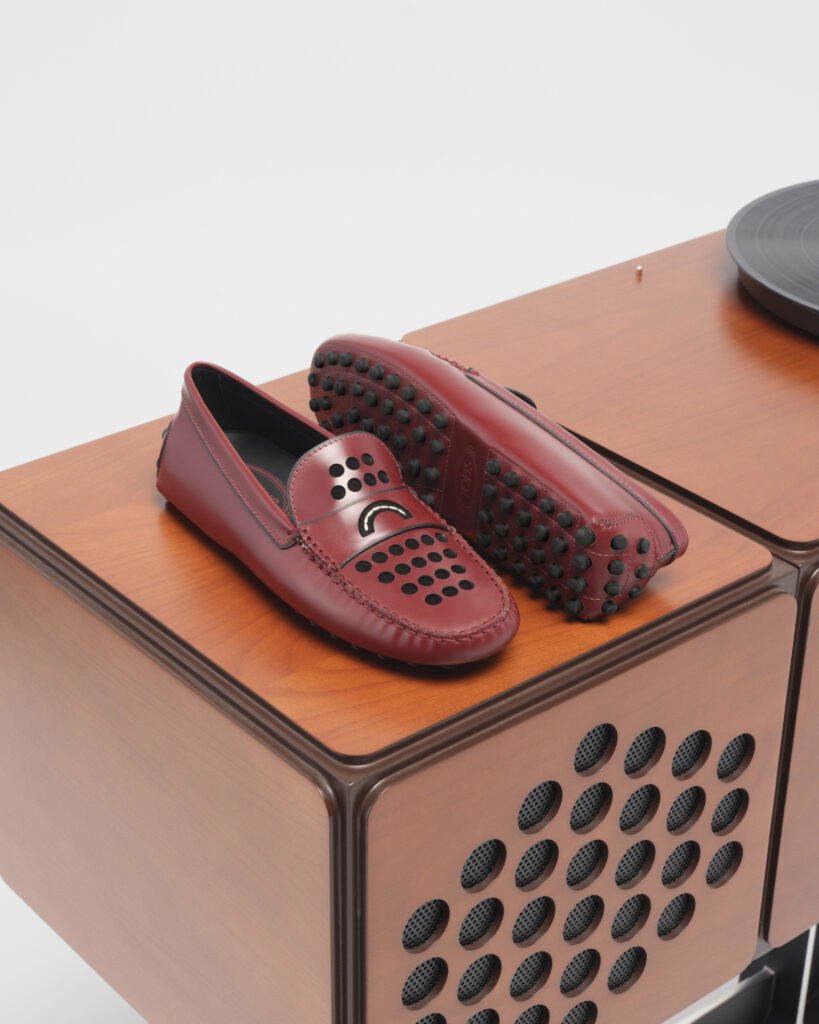
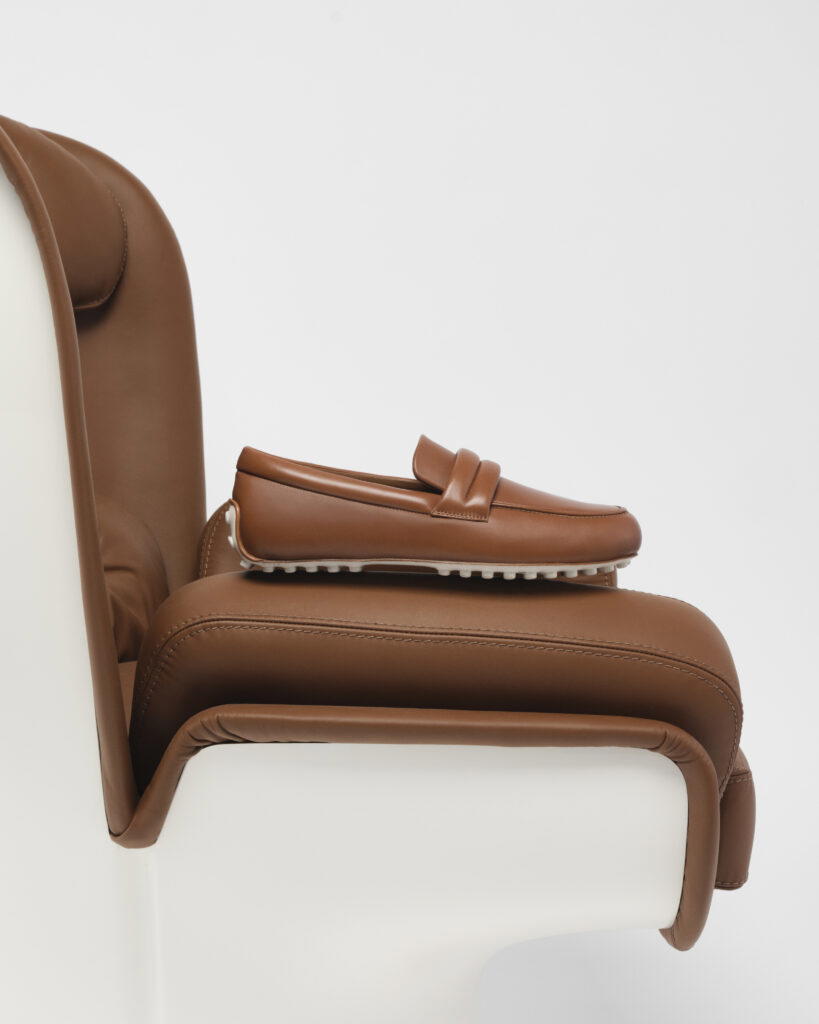
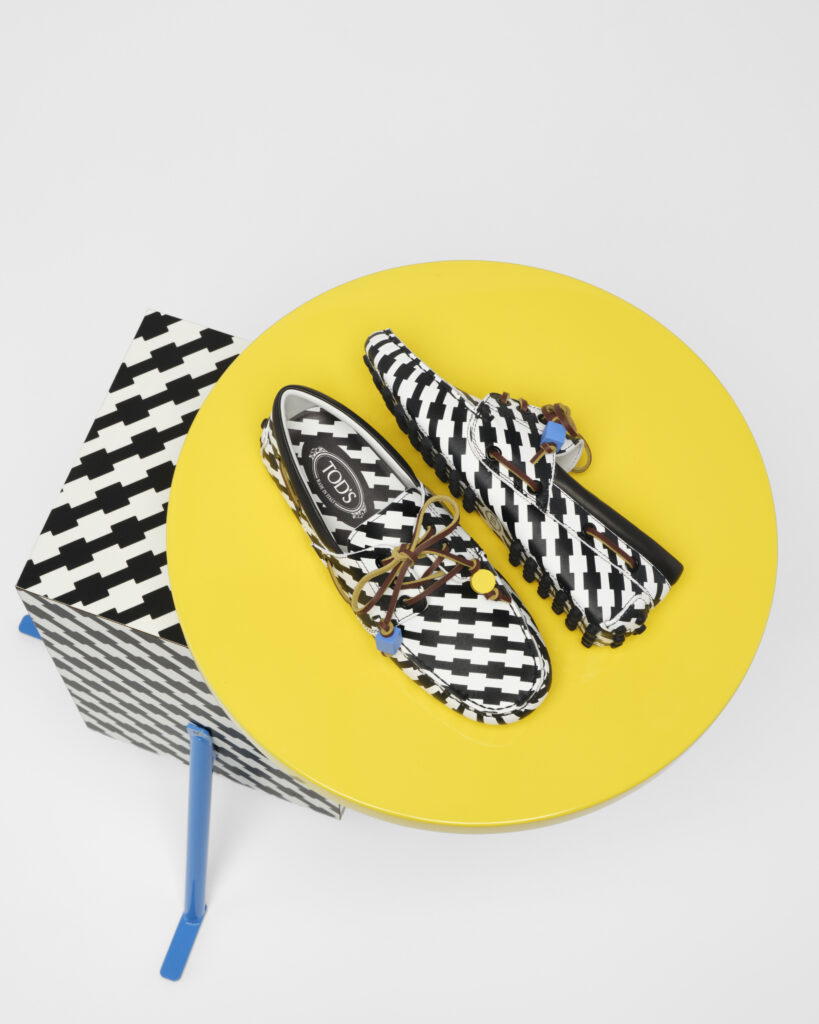
Tod’s reimagines its iconic Gommino loafer for Salone del Mobile through “Tod’s Icons by Icons”. Drawing on the futuristic curves of Joe Colombo’s Elda armchair, the material experimentation of Gaetano Pesce, the graphic radicalism of Michele De Lucchi for Memphis Milano, and the refined functionalism of Achille Castiglioni and Pier Giacomo Castiglioni, the collection transforms the signature driving shoe into a series of limited-edition design objects. Presented at Via Savona with live artisan demonstrations, the installation underscores Tod’s enduring commitment to craftsmanship.
Gucci
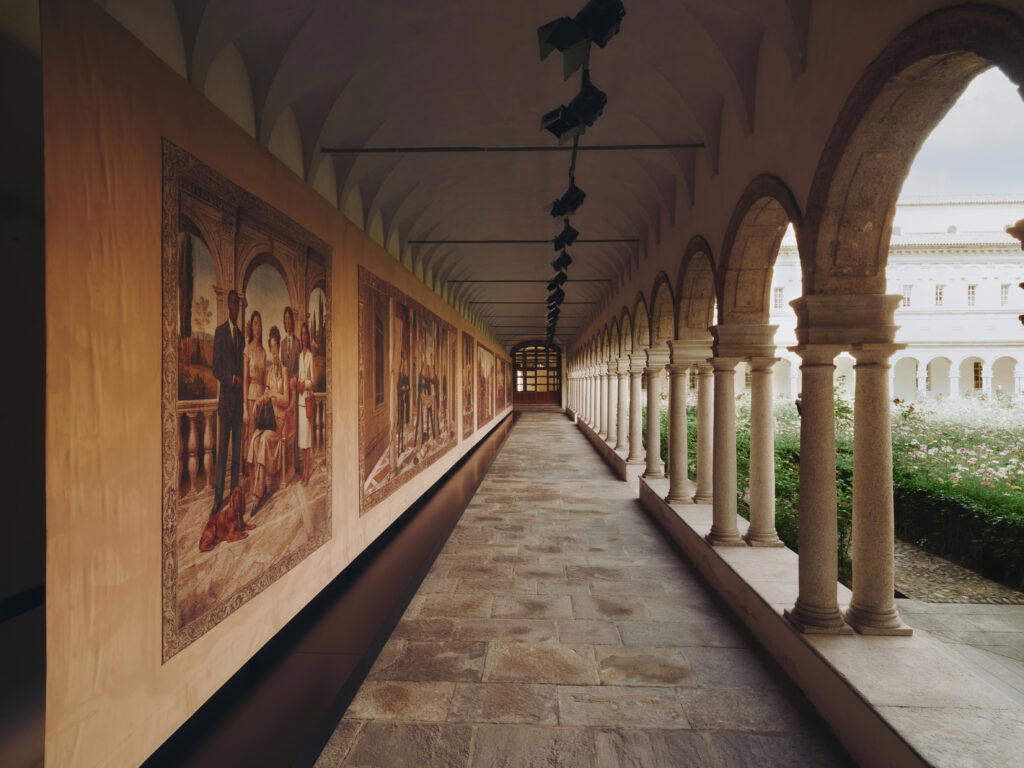
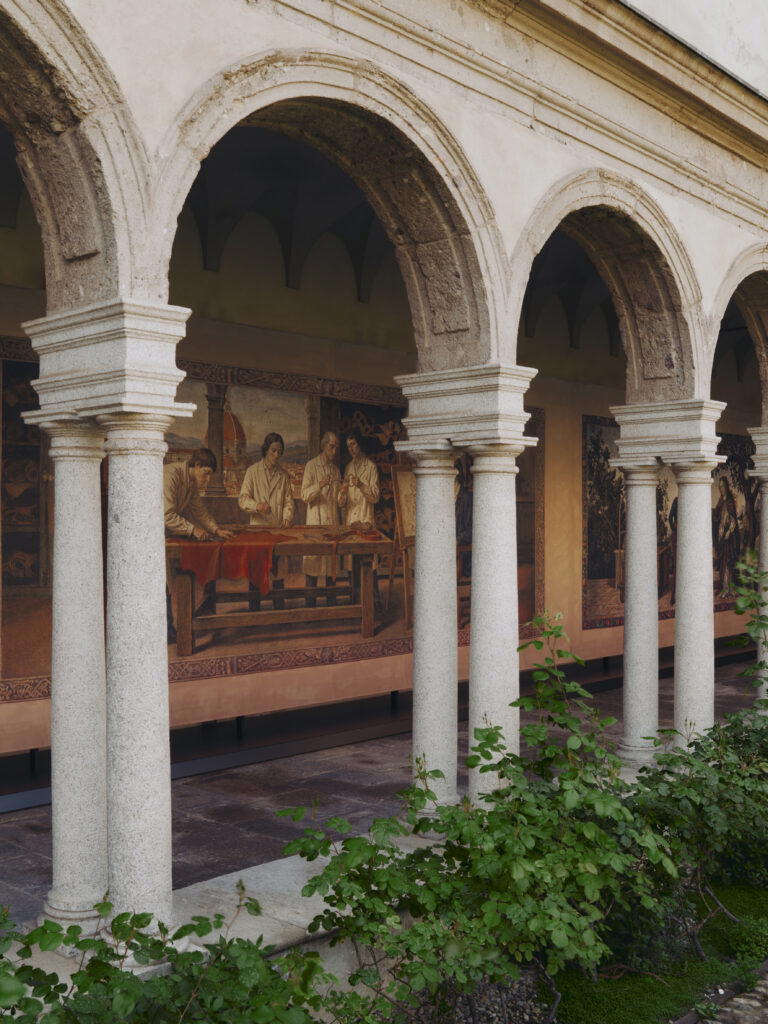
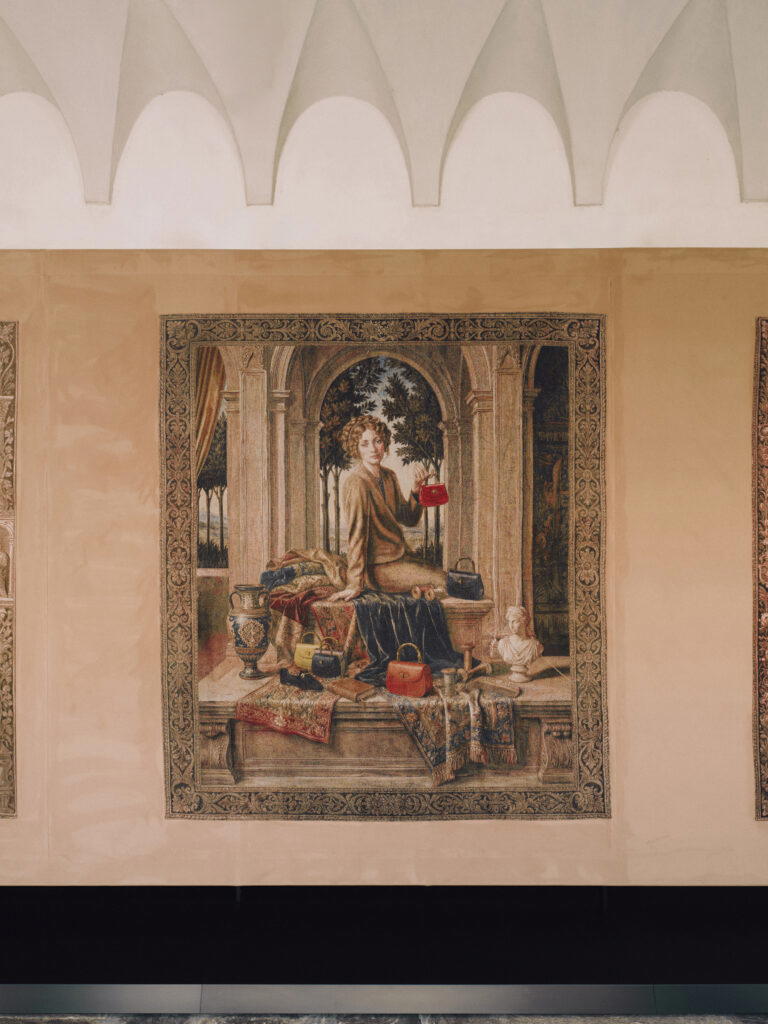
Gucci turned its history into spectacle with Gucci Memoria, a Demna-curated installation that reads like an autobiography written in tapestry and surrealism. Set within the Chiostri di San Simpliciano, the experience traced 105 years of the House through a series of richly staged tableaux, from London hotel origins to Florentine workshops, jet-set ascent, and the coded aesthetics of multiple creative eras, before landing in a present defined by Demna’s La Famiglia. Between floral gardens and vending machines dispensing personality-driven drinks, heritage becomes cultural memory.
Prada
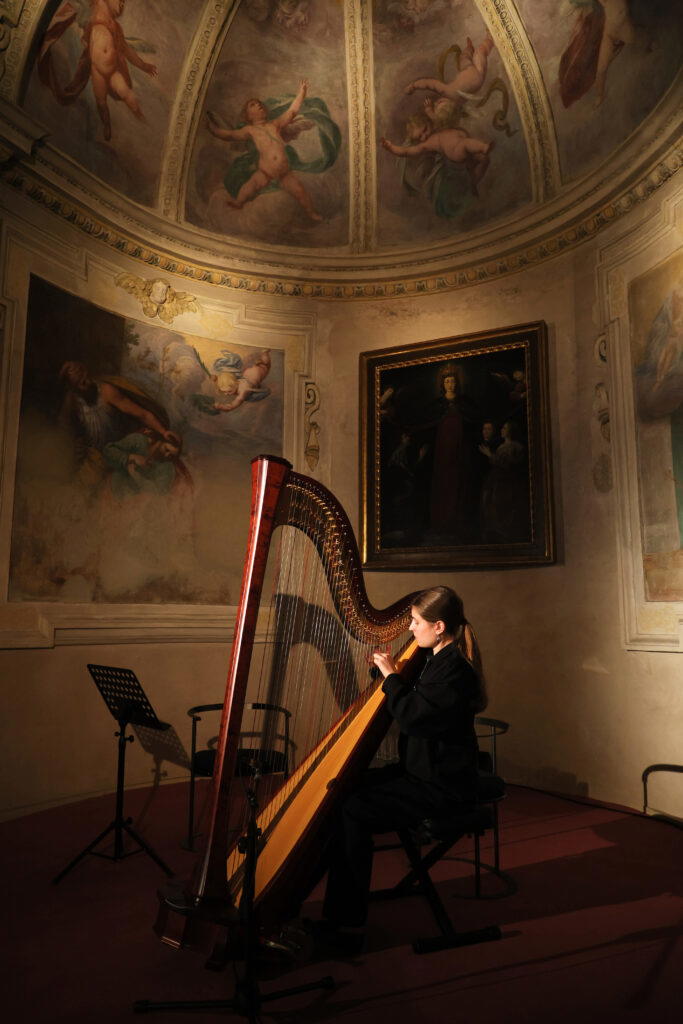
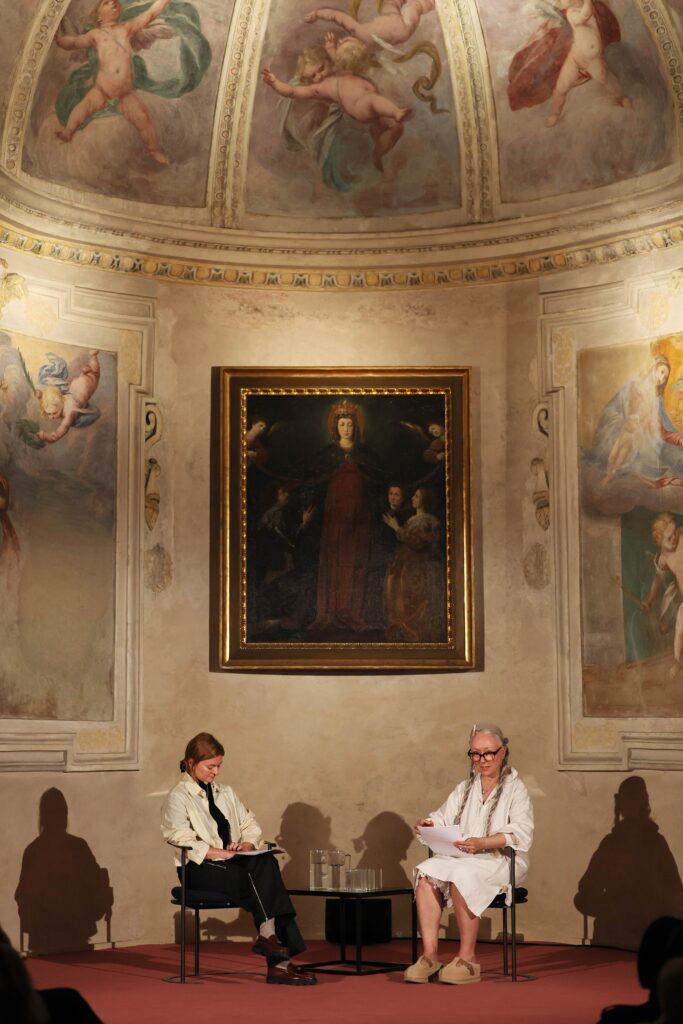
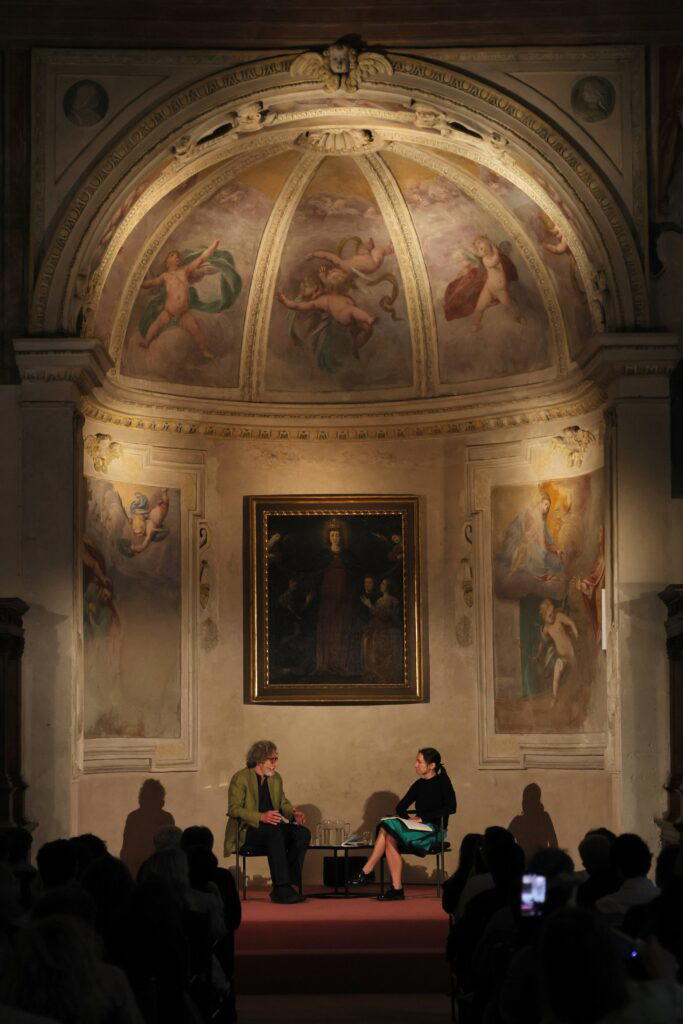
Prada Frames interrogates how images now function as unstable infrastructures that shape perception and material reality. Curated by Formafantasma and hosted within Santa Maria delle Grazie, the three-day programme used its renaissance setting as a counterpoint to contemporary visual regimes, bringing together voices from architecture, philosophy, photography, AI, and performance to examine images as systems entangled with extraction and economies of attention. Across discussions on mediation, algorithmic vision, environmental witnessing, and political imagination, the symposium traced how images construct both external and interior worlds, dissolving distinctions between what is human and machine-made.
Swarovski
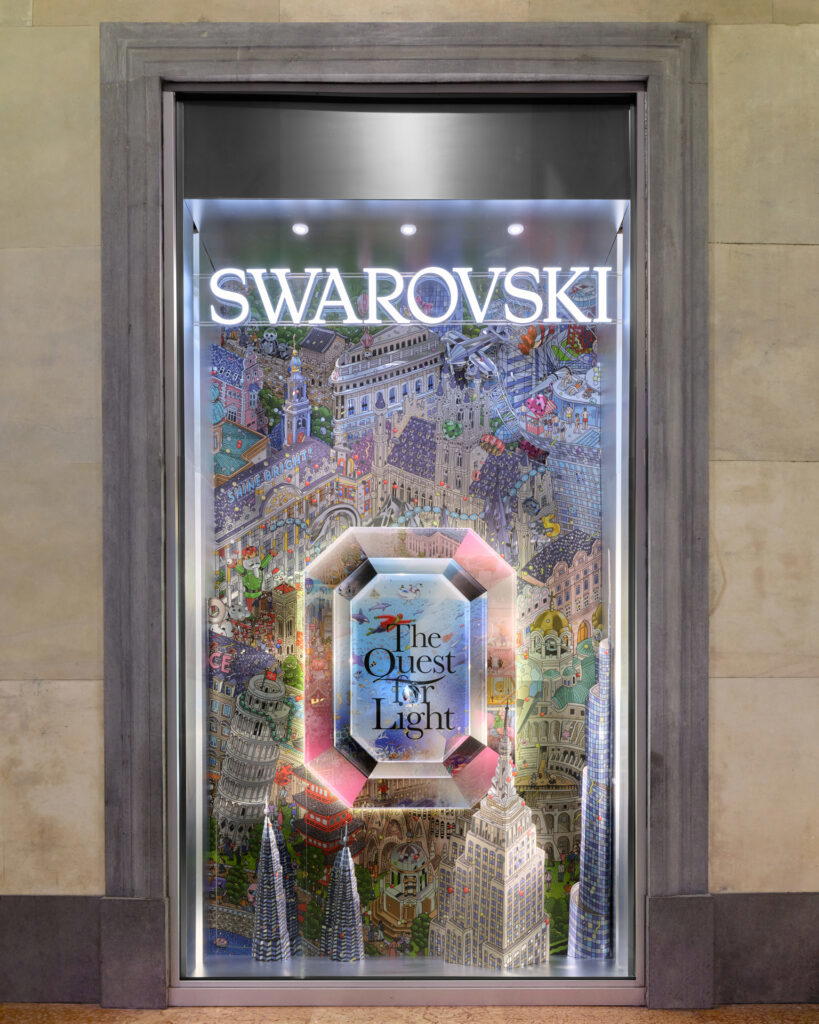
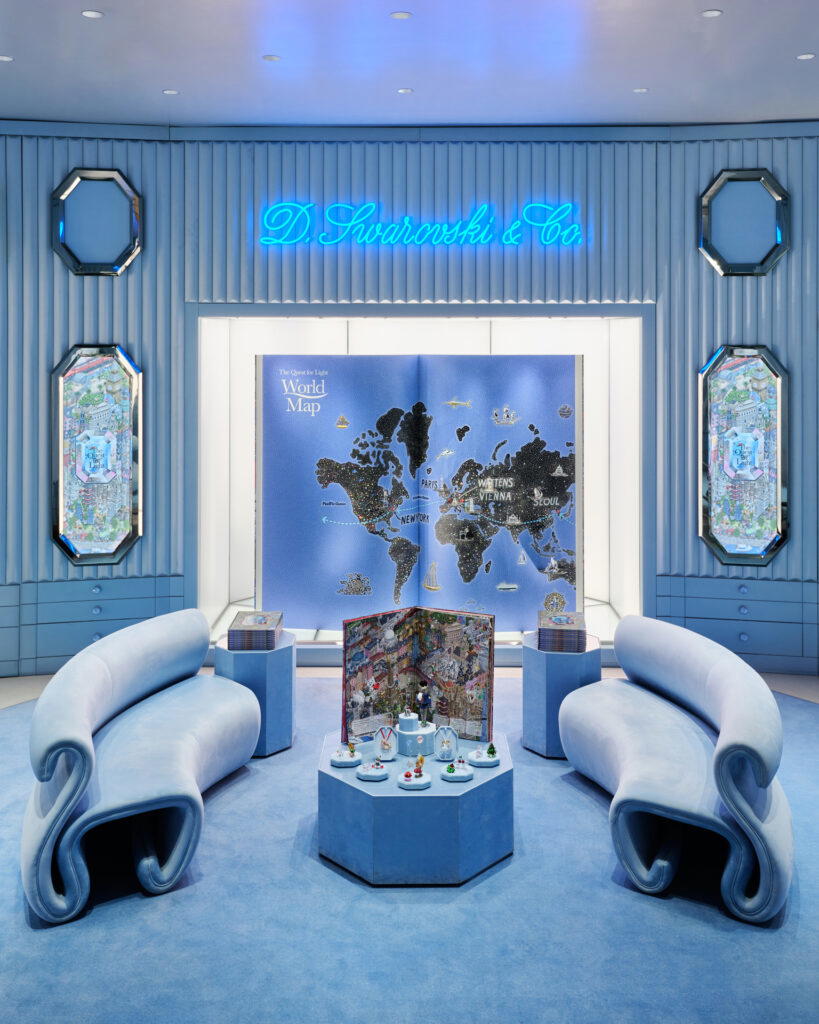
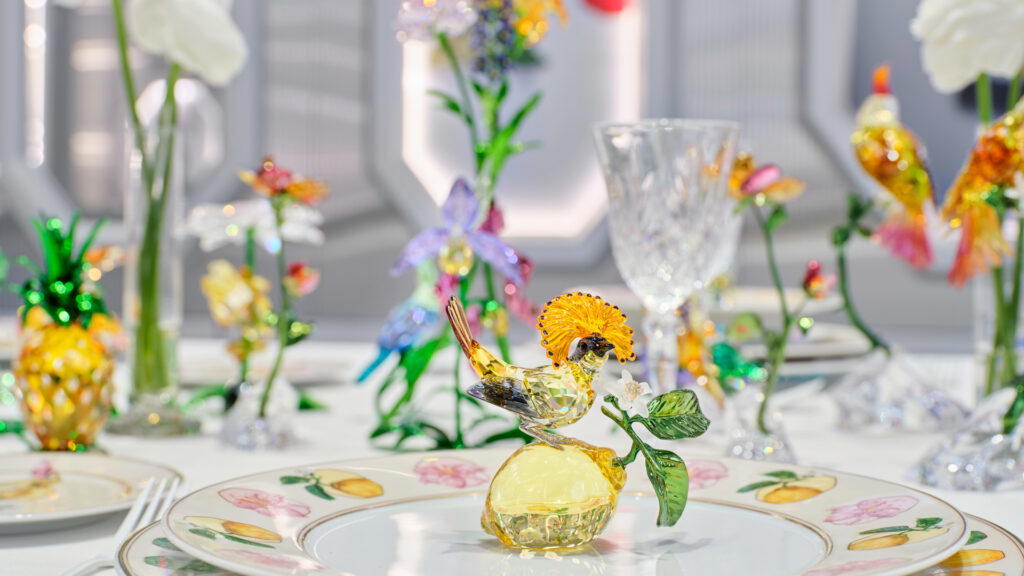
Swarovski shifted its focus from sparkle to storytelling with the debut of The Quest for Light, an immersive illustrated book unveiled at Salone del Mobile. Co-authored by Markus Langes-Swarovski and illustrated by Hiro Kamigaki with IC4DESIGN, the work stages a journey from Wattens to mythic global landscapes in search of four elemental crystals: Trust, Love, Courage, and Creation. Presented alongside a selection of crystal homeware marking 50 years of Swarovski’s interiors universe, the project extends the brand’s collectible design language into narrative form, blending figurines, tableware, and scenographic storytelling into an immersive world that reframes decorative objects as carriers of imagination.
Buccellati
Buccellati’s Aquae Mirabile is a descent into an imagined underwater mythology, curated by Federica Sala and designed by Balich Wonder Studio. It features visual storytelling by Luke Edward Hall, translating the Maison’s Caviar silverware into a submerged theatre of Roman deities, sturgeon journeys, and allegorical sea figures. Within this suspended Atlantis, Hall’s drawings animate Neptune, Naiads, and river gods as guardians of an imagined aquatic lineage, while the Caviar collection becomes a visual rhythm tying iconography to the brand’s savoir-faire.