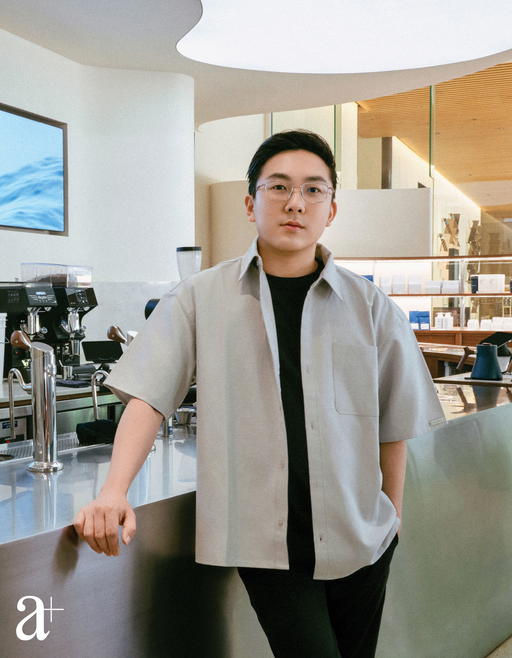

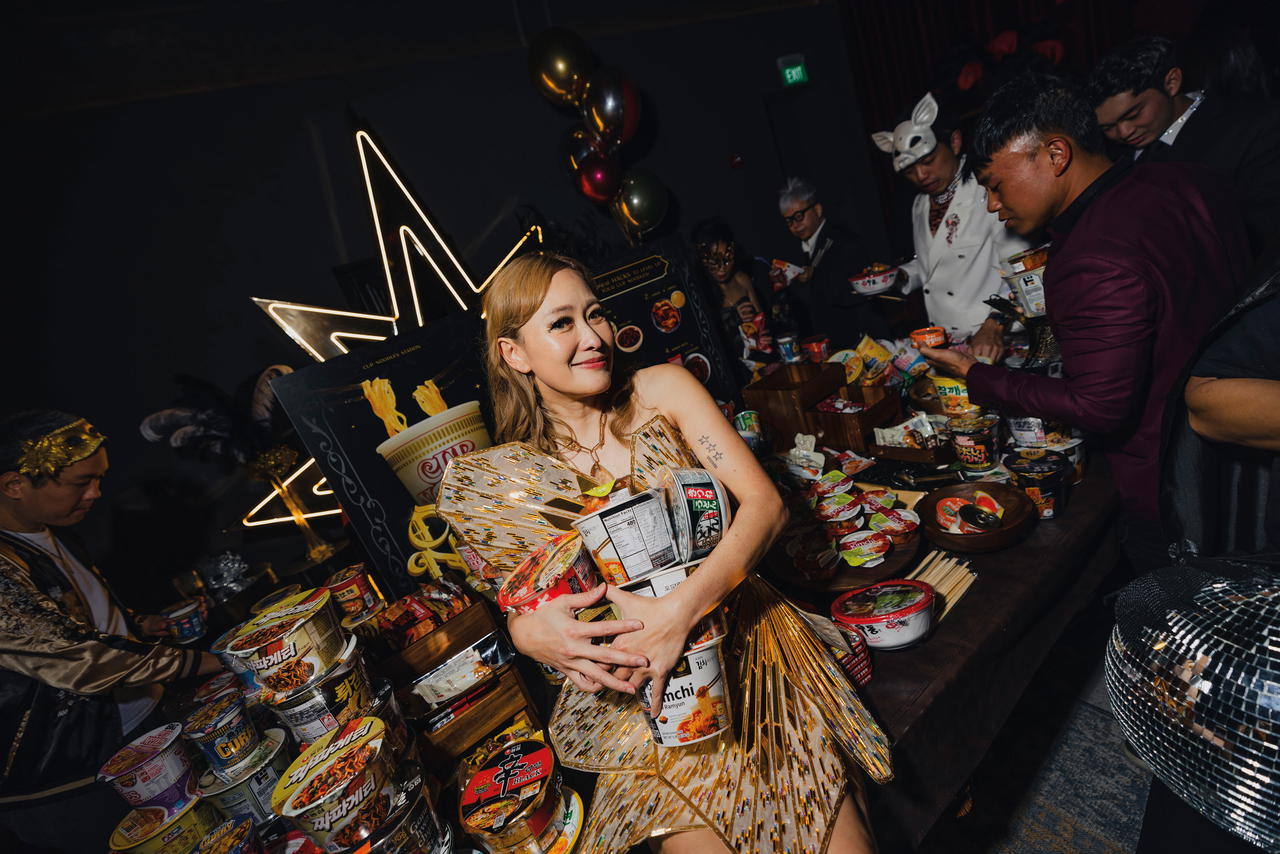
As a consummate host, Grace Kee has charted an unconventional path. The founder of local private dining and catering concept Good Graces and luxury events curator Keestone Concepts is a former zoologist turned party architect.
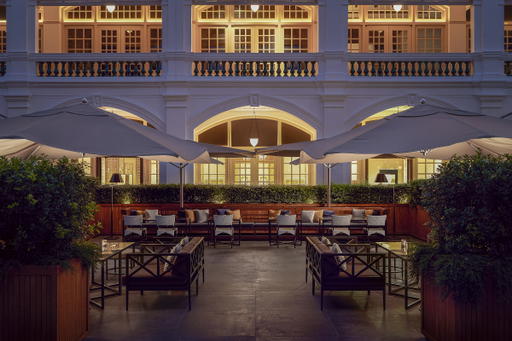
Her clientele includes luxury brands such as Prada, Valentino, Fendi, and Miu Miu. Currently, Kee is also collaborating with Raffles Hotel Singapore to introduce five Peranakan signatures to the Raffles Courtyard menu, including dry laksa goreng and ngoh hiang.
The self-described hustler credits perseverance and working smarter for overcoming challenges, and she applies that same resourcefulness to entertaining. A great party depends on the right chemistry between people, food, and atmosphere, according to Kee. Which element is most important? Knowing how to have fun while hosting.
1. Find Your Purpose
Before deciding on a menu, a guest list, or a tablescape, Kee asks herself one fundamental question: Why are we getting together? Pinpointing the purpose of the gathering is her absolute golden rule. “If you know that, everything else follows, whether it’s the food, decor, music, even the way people interact.”
A milestone birthday for a friend with a love of street style, for instance, might call for a graffiti wall, food stalls or trucks instead of a formal sit-down, and a hip-hop heavy playlist. However, when a guest list spans generations, the strategy changes. The secret, according to Kee, is designing an experience that evolves over the course of the evening.
Her Chinese New Year open houses are a masterclass in this fluid approach. Kick-starting around 5.30pm, the early hours cater to all ages with family-friendly fun such as a lion or dragon dance and claw machines for the kids.
As the evening progresses, the energy smoothly transitions towards cocktails, karaoke, and lively card games. The format is so seamless that some friends drop by with their children for the early festivities and eats, take them home to bed, then return for “round two”.
The food follows the same rhythm. Child-friendly pasta and nuggets might appear at 6pm, followed by a nasi lemak buffet at 7pm. Around midnight, a tailored supper revives the adults.
2. Foster Conversation & Inclusivity
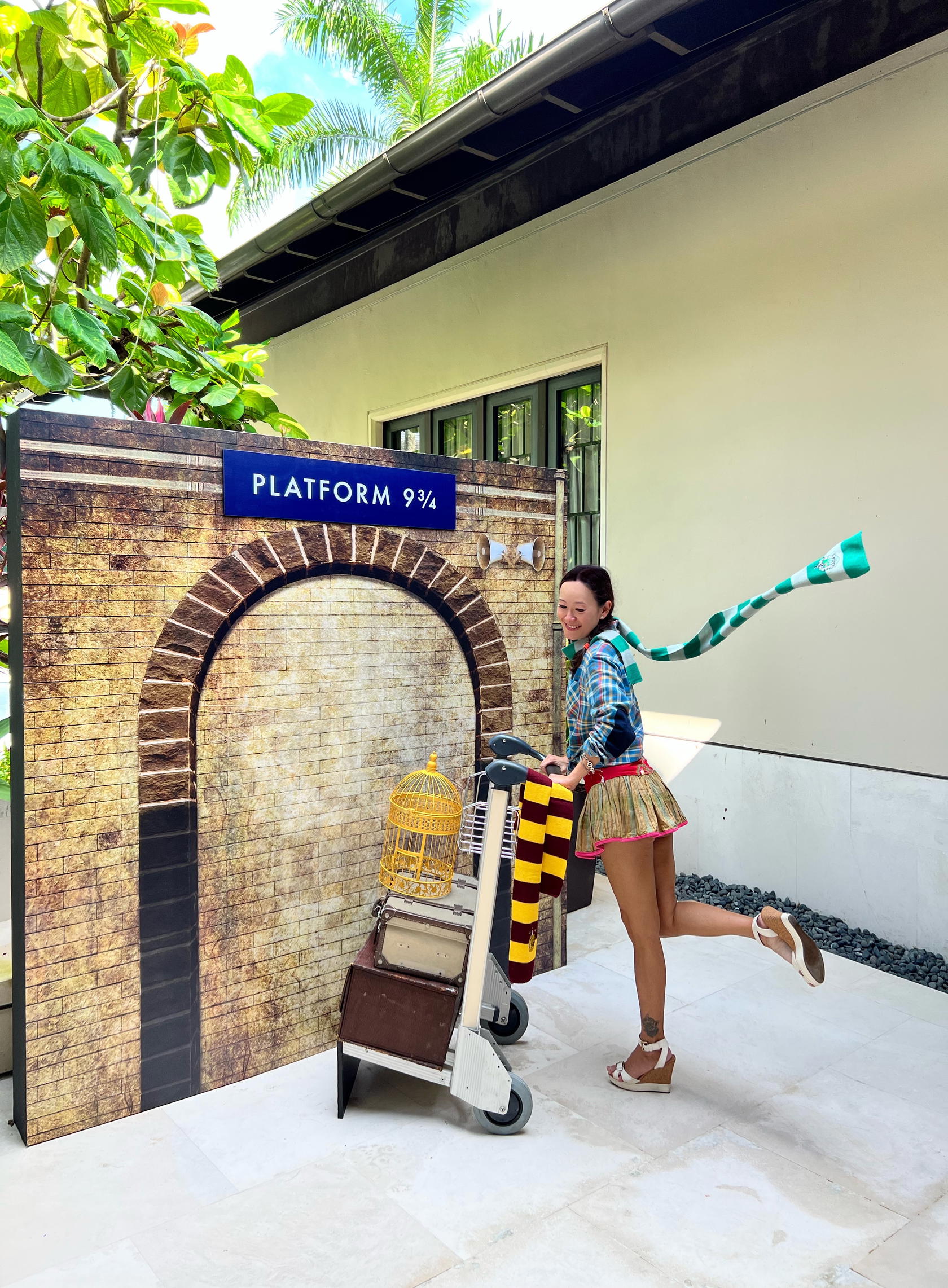
The most vibrant tables aren’t always packed with people who already know one another. In fact, Kee enjoys introducing strangers. “There’s a novelty to it, and you tend to spark more interesting conversations,” she says. Her only prerequisite is ensuring everyone knows at least one other person in the room, offering an immediate point of familiarity upon arrival.
She also questions the unspoken rule that couples should always be invited together. The presence—or absence—of a partner can completely shift the dynamic of a group, often allowing certain guests to become far more outspoken and uninhibited when flying solo.
For intimate, seated dinners, where space is at a premium, she believes there is no shame in politely making the limits clear. Her go-to script is gentle but firm: “Because this is an intimate dinner with limited seating, we unfortunately cannot accommodate plus-ones. We hope you understand and we’d absolutely love to see you there.”
What she meticulously avoids is letting a single, pre-existing clique hijack the room. As a rule of thumb, Kee tries to cap any one group at less than 20 percent of the total guest list—though she notes that personality trumps mathematics.
“You could have eight people from the same circle who are naturally curious and happy to mingle, and they’ll add enormously to the party,” she points out. “Meanwhile, another group of eight might spend the entire evening talking only to each other.”
When it comes to the seating plan, Kee stands by two non-negotiable rules: Never seat couples together. And never seat exes together either—for very different reasons.
3. Feed People Well
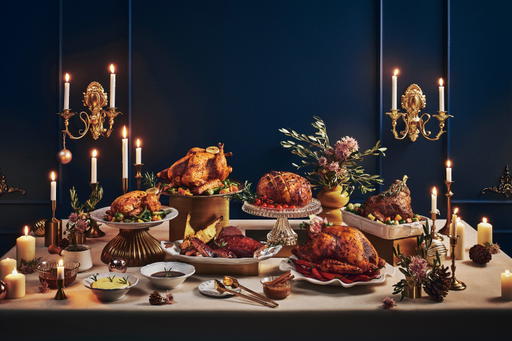
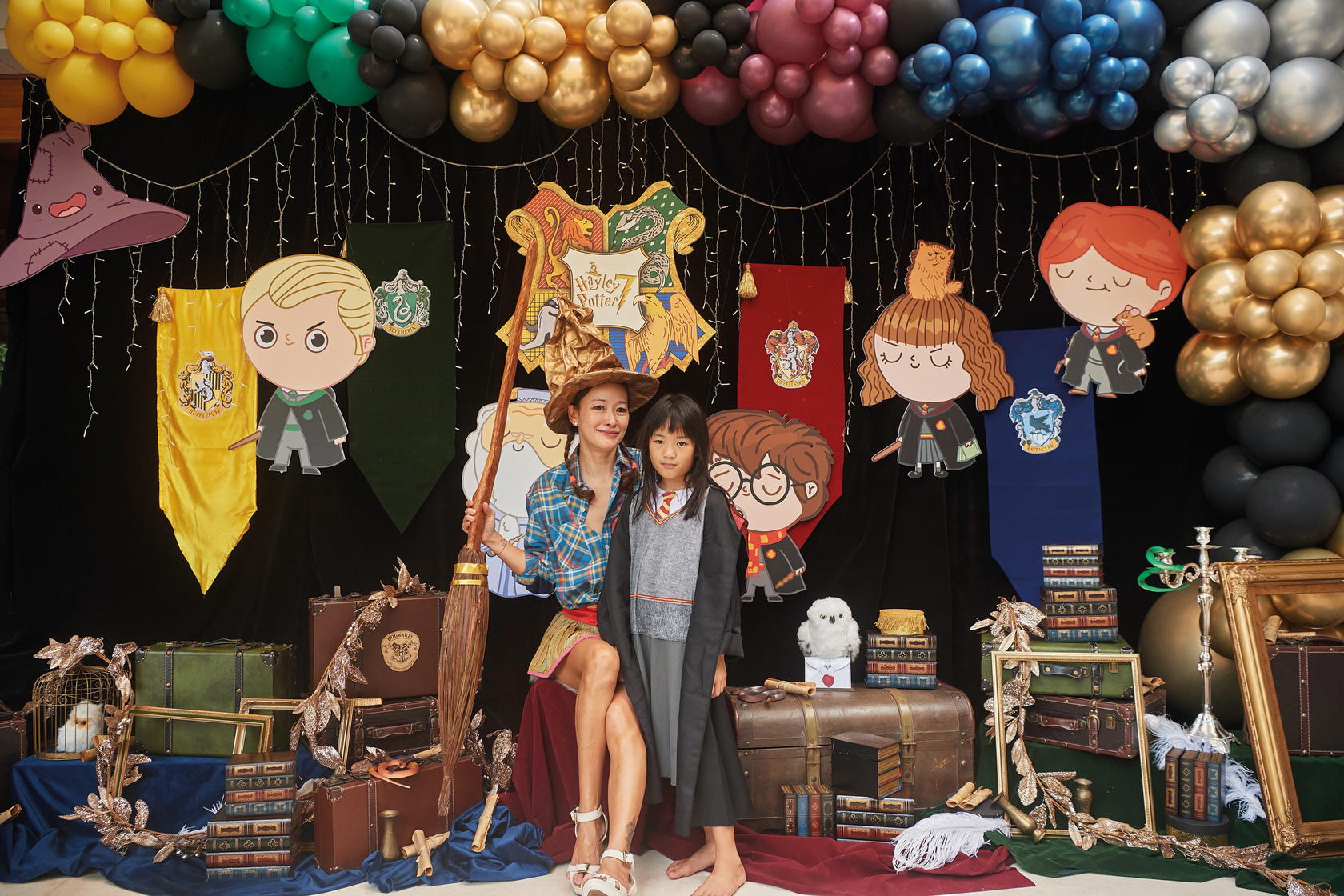
As a chef and a self-confessed foodie, Kee’s idea of an inviting environment naturally begins with food. Her signature move is placing dishes within arm’s reach the moment guests sit down. She captivates with interactive bites like DIY kueh pie tee, vibrant wild betel leaf salad wraps, or caviar with blinis and condiments.
Rather than just appetisers, she considers these as social devices. “Guests start passing things around, offering to help one another, and talking before the actual dinner has even begun,” Kee explains. “It breaks the ice without you having to force it.”
While her dream world features a wild garden of leaves and blooms spilling down the centre of every table, reality in Singapore requires a different strategy. She gravitates towards tropical flora that stands up to our heat and humidity, such as orchids, anthuriums, ginger flowers, and monstera leaves.
Not only are these local varieties hardy and readily available, but they are also more economical than delicate imports. More importantly, Kee believes that using flowers native to the local climate feels inherently more effortless than trying to force a European tablescape into the tropics.
“A table doesn’t have to look perfect,” she says. “It just needs to make people want to sit down, reach across it and interact.”
4. Plan & Outsource
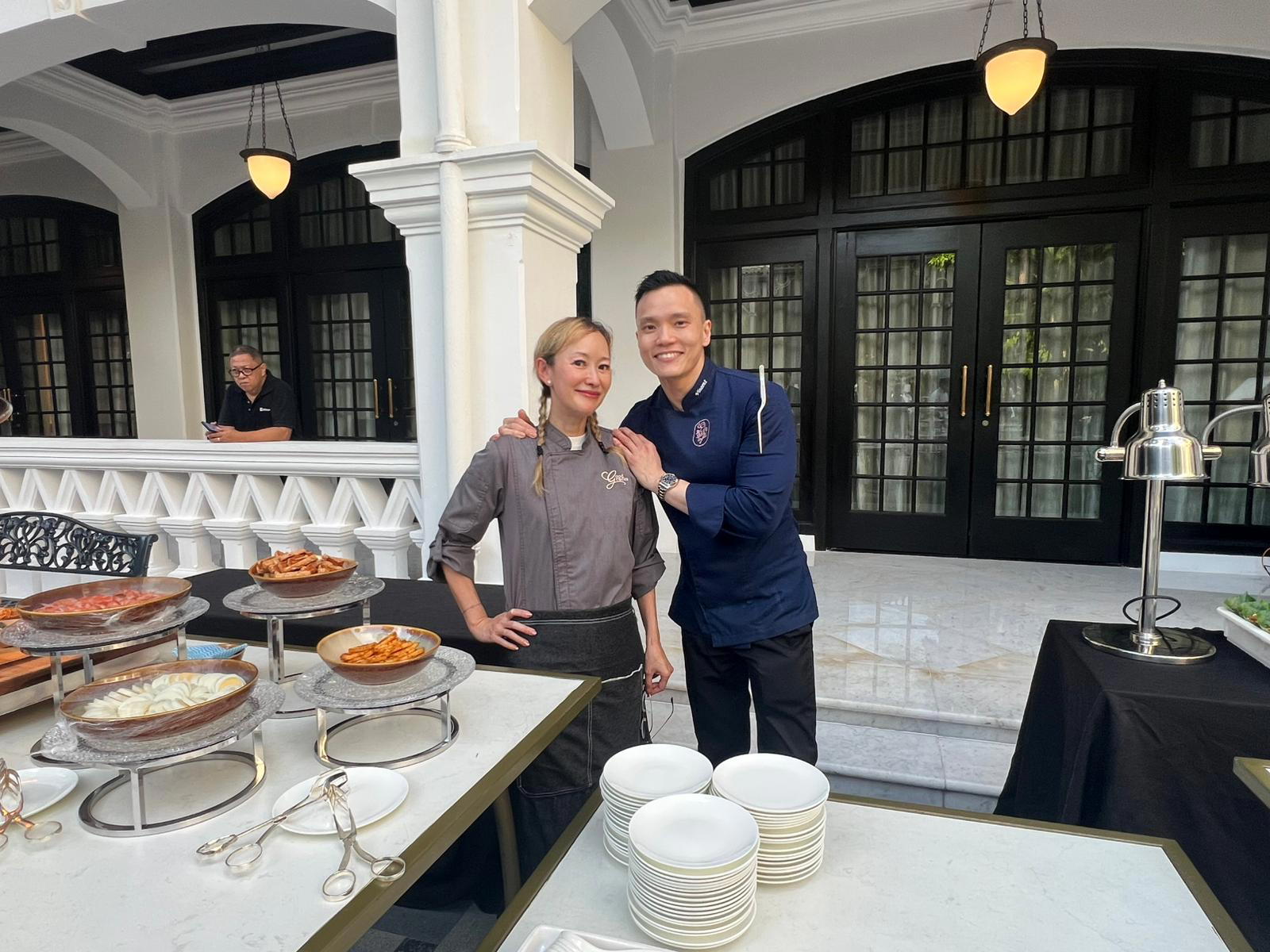
There is little pleasure in organising a beautiful dinner if the host spends most of it chopping garlic in the kitchen. Kee’s solution is a disciplined menu plan. While she might experiment with one new dish, everything else should be sufficiently tried and tested that she could even cook blindfolded.
In Kee’s opinion, three to five small nibbles followed by an appetiser, soup, main course, and dessert suffice for a sit-down meal. “You want your guests to feel well fed, not exhausted after dinner.”
Her approach to buffets and family gatherings is centred on balance rather than a prescribed number of dishes. As a minimum, she suggests at least one carbohydrate, such as rice, noodles, pasta or potatoes; a seafood dish; two meat dishes; one vegetable dish; and a dessert.
Because timing matters, she recommends planning a menu based on dishes that peak at different times. Soups, curries, and stews can all be cooked well in advance and reheated in the oven before anyone rings the doorbell, while a long-cooked pasta sauce sits and waits for you to cook the pasta and toss it in at the last minute.
A la minute cooking is best used for cooking one or two ingredients, such as fresh seafood. The last thing you want is to be frantically chopping garlic, while your guests enjoy champagne without you,” she says.
She also recommends outsourcing guilt-free. Kee is perfectly happy to delegate dessert. “I can’t bake,” she admits, “and it’s always better to see what someone else brings to the table.” Her failsafe crowd-pleaser? Ice cream.
5. Read The Room
“The best hosts constantly read the room,” says Kee. Over the course of an evening, she circulates several times, checking in with different guests and observing whether they are genuinely engaged.
Kee says the key to drawing someone into a conversation is to keep it casual. She looks for a genuine connection between guests and gives them something to work with: “Oh my goodness, Jaymes, you have to meet Bryan. You’re both such foodies—Jaymes was just telling us about all the restaurants he visited in Bangkok.”
When there is no obvious common ground, she creates intrigue: “Everyone, you have to meet Jaymes. He has the largest collection of Star Wars toys in Singapore. It’s insane.” She stays until the conversation gains momentum before quietly moving on. “It’s not just about making the introduction—it’s about giving both sides something to talk about.”
Other instances may require tact. Kee prefers to break the momentum of a heated conversation rather than referee it. In this scenario, she might whisk one person away on the pretext of needing their help, physically separating the parties, so the mood can reset. Alternatively, she might introduce a trusted friend who understands her situation and can steer the conversation in a different direction.
Finally, Kee leaves us with two practical rules that are less philosophical but just as vital: “Never run out of alcohol and always have enough toilet paper.”