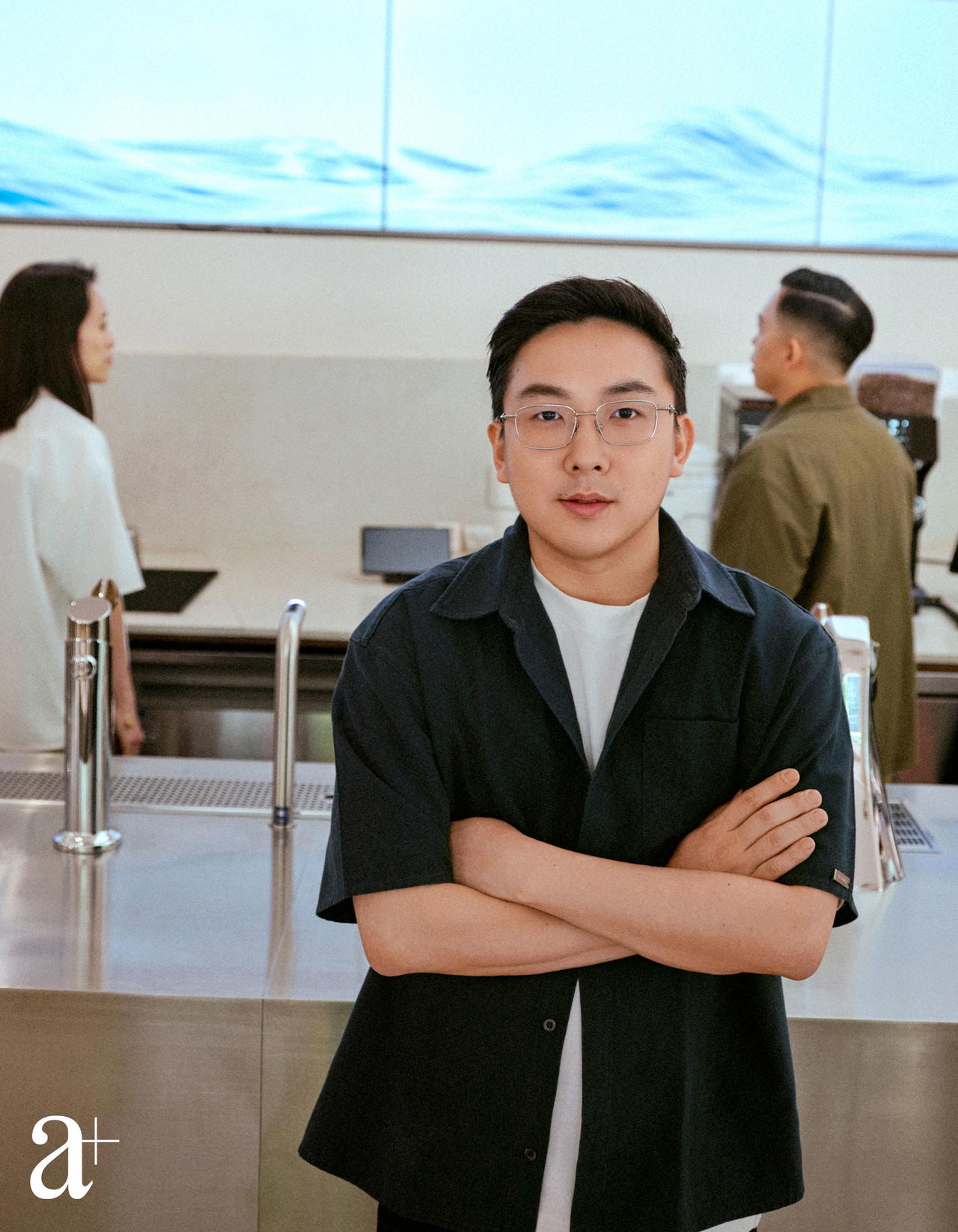
“My mother still thinks I run a little cafe.” Will Leow doesn’t rush to correct her. It isn’t wrong, but that’s not really the point. Ten years on, Alchemist has become a fixture in Singapore’s coffee scene, familiar in its presence and easy in rhythm.
The first outlet opened at the ground level of International Plaza in May 2016. It didn’t pretend to reinvent or disrupt Singapore’s concept coffee culture as a takeaway-only counter offering the essentials: espresso, white, black, and mocha.
The aunties and uncles were intrigued, Leow remembers: “They came in and asked, Eh, you have kopi?’ Most went, ‘$4 for kopi? So expensive’.” But people returned. The next day, the following day, and the days after that.
To Leow, it was simple: a cup of coffee consistently prepared well, accessible, and modern. Working with just 143 sq ft of floor space, the team learnt to do fewer things better. Instead of marketing, they concentrated on perfecting the taste of each cup, especially how reliable it would be on a daily basis.
“Every detail mattered. If something slipped, you felt it immediately. Discipline isn’t optional,” he says. “It’s what holds everything together.”
That discipline has led Alchemist to 13 outlets in Singapore, including a flagship at The Heeren and its newest location at Square 2. Last June, it ventured into Japan, with the goal of opening 10 stores in Tokyo by the end of 2028; Asakusa, Aoyama and Kyobashi are already open. More recently, it expanded to the districts of Datong and Da’an in Taiwan in February.
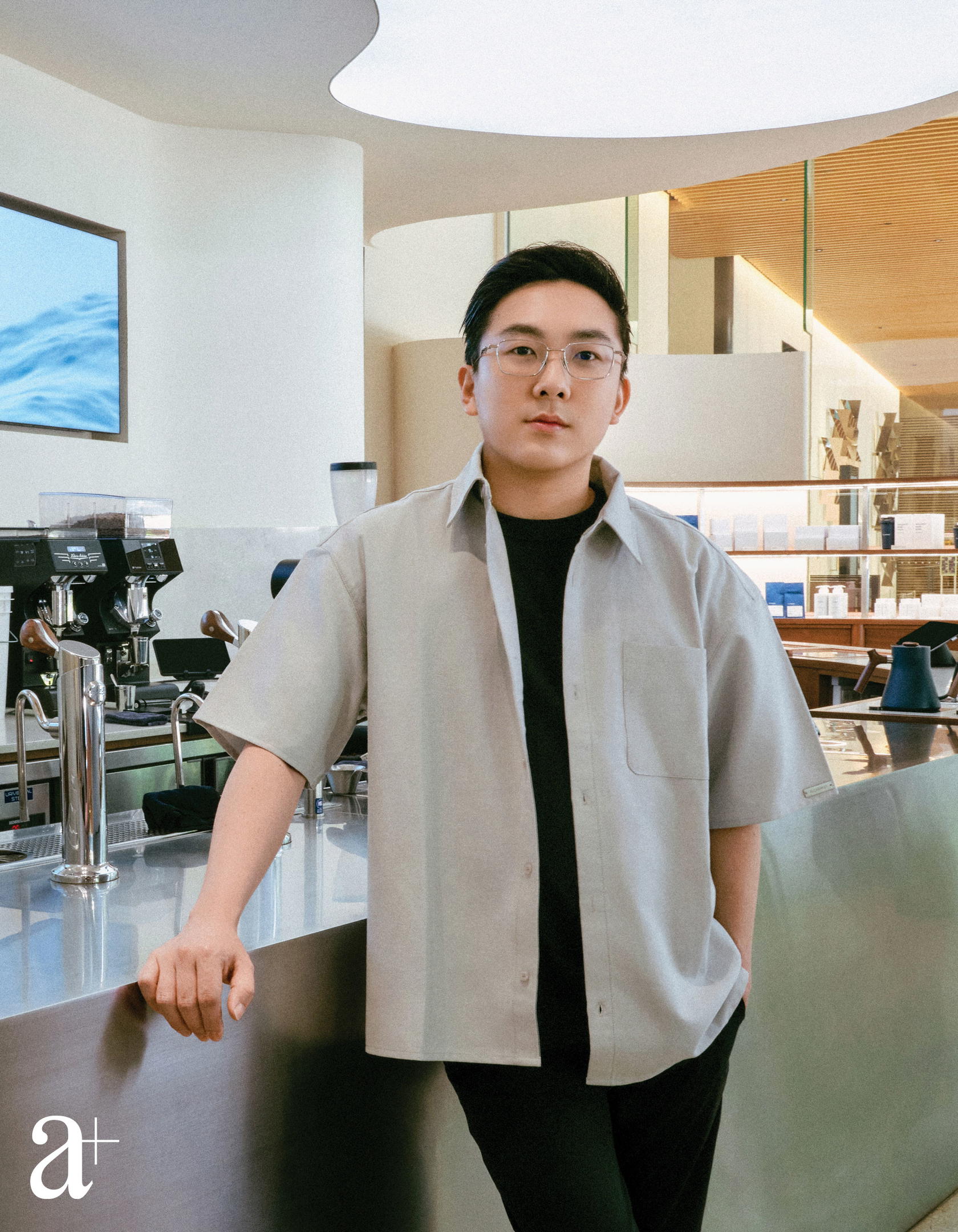
In addition to consistently well-made coffee, Alchemist’s minimalist sensibility also sets it apart. In Leow’s view, minimalism is about staying focused on what matters. “The way we decide what to eliminate is simple. If it doesn’t improve the coffee or the experience in a meaningful way, it doesn’t need to be there. That applies across everything, including the menu, workflow, and interior.”
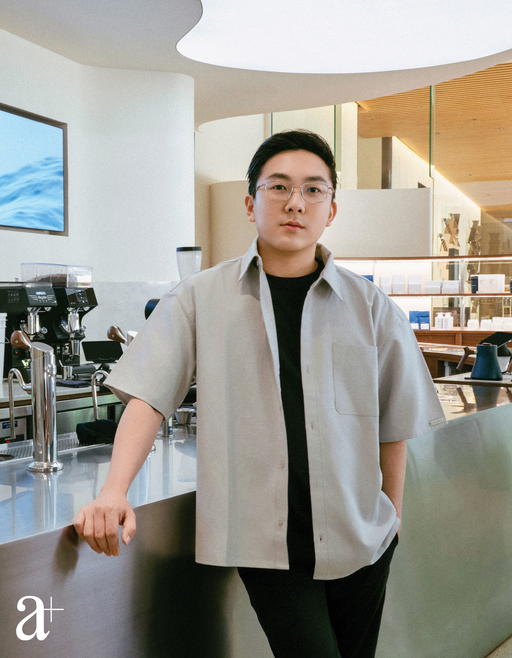
The newer stores showcase this spatially. Working with design studio Wynk Collaborative, a restrained black-and-white palette anchors the letterboard menu, while open counters provide a clear line of sight between barista and customer. Machines are positioned with intention; a stainless steel counter is left exposed for its practicality and honesty in use. The lighting is bright but controlled—precise enough for work, open enough to keep the space legible.
Each store is also shaped by its surroundings, with materials and layout based on the rhythm of the neighbourhood. The aim is not to impose a look, but to let each space speak for itself. However, design transforms into atmosphere once service begins.
repetition over perfection
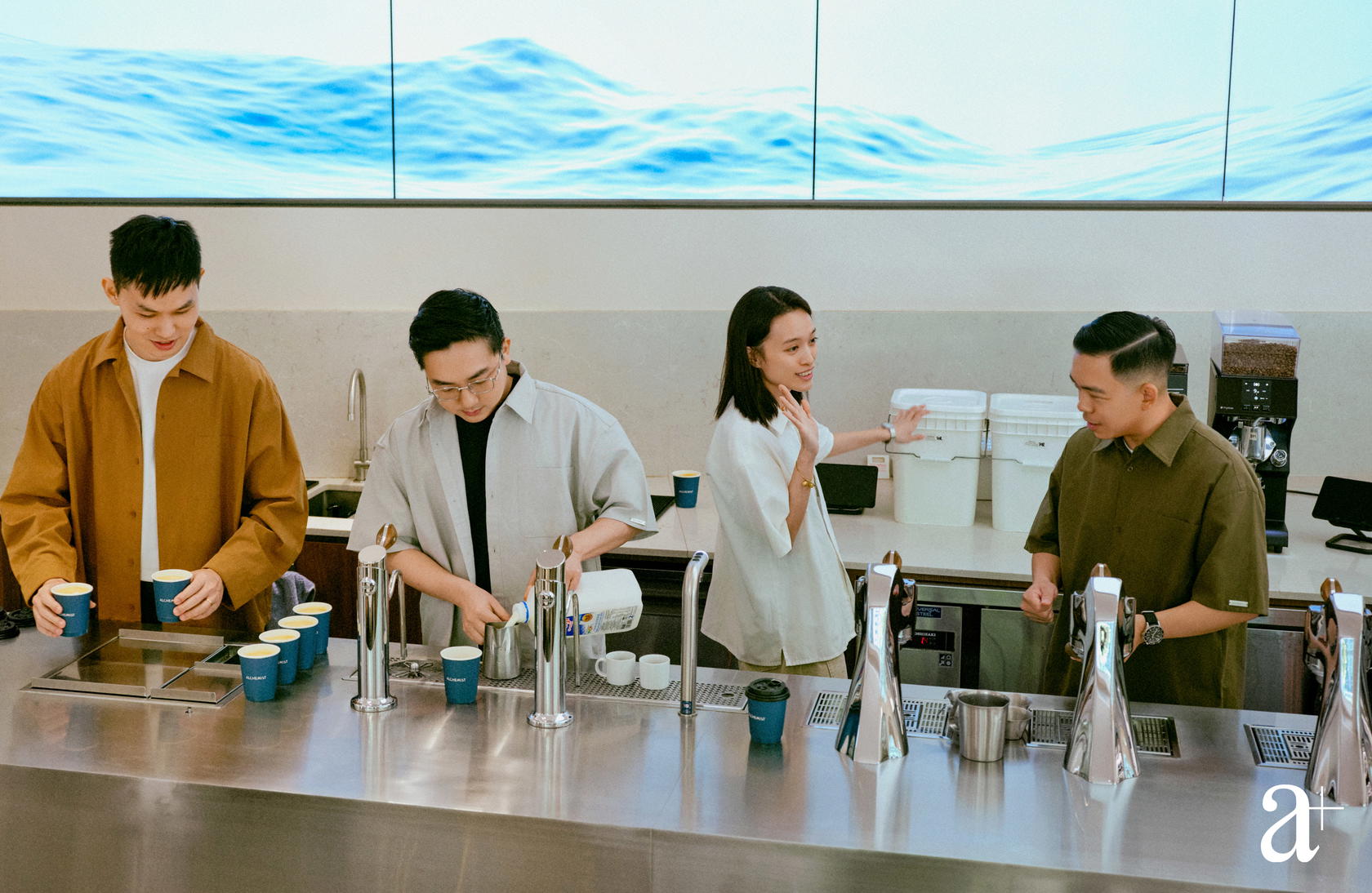
On a Wednesday afternoon at its 71 Robinson cafe, gaps close quickly. As sharply suited executives, laptop-toting regulars, athleisure-clad pilates princesses, and tourists in sundresses and straw hats settle in, tables and chairs are briskly reshuffled. “Can I take this seat?” someone asks, already plopped into the spot, espresso in hand.
In 2023—the same year the World Health Organization declared an end to Covid-19—71 Robinson marked a shift for Alchemist. This was the first CBD dine-in, featuring a generous workstation, a 16-ft LCD screen with motion art, hardscapes and dried plants, and the brand’s largest retail corner for beans, capsules, and merchandise.
Behind the counter, the pace picks up. One of three baristas pauses over the espresso machine, watching the flow, then stops the shot short and begins again. Every cup is made—or remade—without hesitation or explanation. Even when there is a queue, drinks go out only when they meet the standard.
This is non-negotiable for Leow. “We don’t balance efficiency and quality. We require both,” he says. “But don’t make the customer wait too long.” Cups are picked up, cleared, replaced. And when they aren’t, delivered directly to the table.
Leow’s passion for coffee led him to sign up for barista courses “everywhere and it went a bit too deep”. While pursuing part-time studies at the Singapore Institute of Management University—which he quit after two months—he opened a cafe (now closed). In 2013, he founded Pacamara Boutique Coffee Roasters (also now closed), a full-fledged cafe with all-day dining. In 2016, he won the Singapore Cup Tasters Championship. Then came Alchemist, which he conceived as a small-format cafe that served only coffee.
“The name was inspired by baristas. In other countries, such as Australia and the UK, where the coffee culture has existed for longer, baristas are highly paid and respected. This is not the case here. Parents may go, ‘once you have enough fun with coffee, go find a real job’. So, I wanted to build a sustainable and stable career path for baristas in Singapore. That’s why we started in the CBD from 8am to 6pm—and baristas don’t take any work home!”
Which is how Leow runs Alchemist. With career longevity as his focus, he created a structure to encourage baristas to stay in the industry and grow. Hiring begins with a simple process. “While they don’t have to be crazy interested in coffee,” he says, “they must have a genuine desire to learn and explore, as the company does the necessary training.”
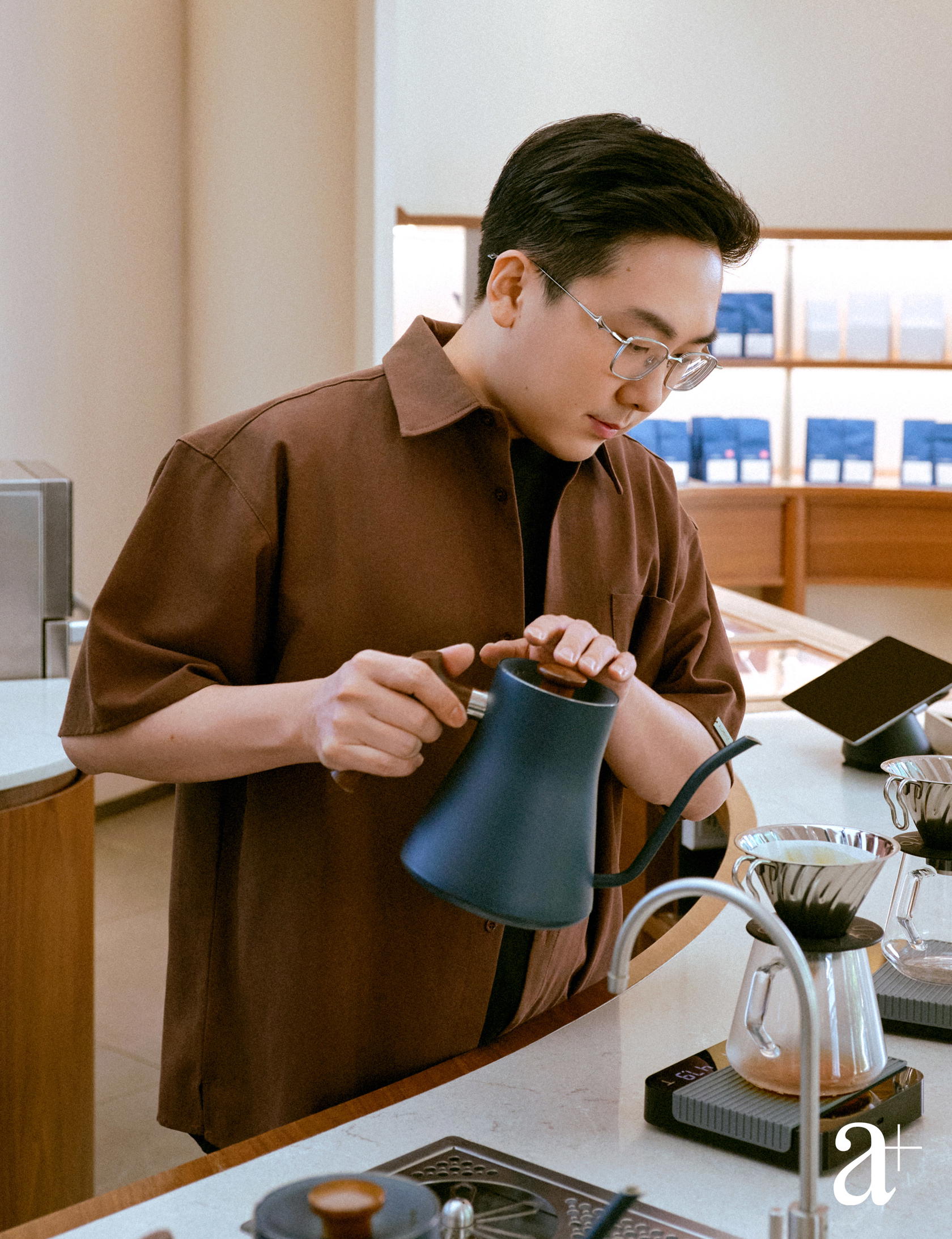
It shows up most clearly in how baristas are trained. New hires begin with the basics—service, espresso, filter—learning how to move around the bar, when to step in, and how to read a queue without slowing it down. Training then progresses into longer sessions centred around tasting and adjustment.
Much of this process involves repetition. To perfect their skills, baristas run espresso several times, learning to notice when something drifts, and correcting it before it becomes visible in the cup. The goal isn’t to perfect a single shot but to recognise when something feels off. Interventions should be performed without interrupting the flow.
“We didn’t start with a grand plan; we simply kept building. Alchemist is still a work in progress. Even though this is our 10th year, it still feels like we’ve only just begun.”
Will Leow on moving forward
GROWING WHILE STAYING TRUE TO THE VISION
In terms of scale, Leow is careful about what must remain unchanged. “There’s always an urge to do more as we grow. There are more ideas, more directions, and more opportunities. That’s the easy part. What’s difficult is exercising continuous restraint and staying true to what we started with,” he explains.
“Growth naturally pressures your original vision. The more you expand, the more you’re pulled in different directions. It’s not something you can solve once. It’s something you have to keep managing—making sure we remain ourselves and that everything we do still aligns with that core focus.”
Using the same approach, Alchemist expanded into Japan and Taiwan, selecting both countries for their high level of craftsmanship and attention to detail. Leow says the team gained a broader perspective on hospitality and service beyond their previous attention to quality, consistency, and efficiency. Observing the role of coffee in different cultural settings also helped them refine how they serve different customers while staying true to themselves.
As he explains, “Our intention wasn’t to stand out; we wanted to blend in. We wanted to learn from them how things are done, to understand different customer behaviours, and to refine ourselves through the process. It’s hard to quantify that kind of learning, but it is extremely valuable.”
Alchemist’s growth is also determined by its location. However, opportunity limits location, says Leow. In this regard, the team has been working hard for the last few years. In Japan and Taiwan, particularly, understanding a space according to the local context and demographics is crucial because they contribute to consumption patterns. “A key factor for a location is having people who need coffee.”
AT 10 YEARS OLD, STILL A WORK IN PROGRESS
As Alchemist evolved, so has living in Singapore and its coffee culture. Leow draws comparisons here: “A lot of us are very focused on what we’re trying to achieve; work, achieving goals, moving forward. There’s a strong emphasis on doing things efficiently and getting to where we want in the shortest time.
“However, at some point, you start to realise there are other things that matter just as much, things you didn’t always prioritise at the beginning. I see some parallels with what we’re going through as a brand. We started out very focused on doing one thing well, and that focus is still there. But as we grow, we’re also learning, adjusting, and gaining new perspectives along the way. I wouldn’t say we reflect how people in Singapore live, but there may be similarities in that journey.”
Alchemist celebrates its 10th anniversary at the end of May. Beyond a campaign called 10 Years. 10 Stories., Leow remains tight-lipped, mentioning only a series of interactive programmes across its physical stores and digital platforms, as well as a coffee bar at outlets.
In response to a question about legacy, he replies matter-of-factly: “I’ve not really thought about legacy. I’m more focused on doing things properly in the present. We didn’t start with a grand plan; we simply kept building. Alchemist is still a work in progress. Even though this is our 10th year, it still feels like we’ve only just begun. Perhaps this is a question better answered in another five years.”
More info on Alchemist’s 10th anniversary pop-up here.
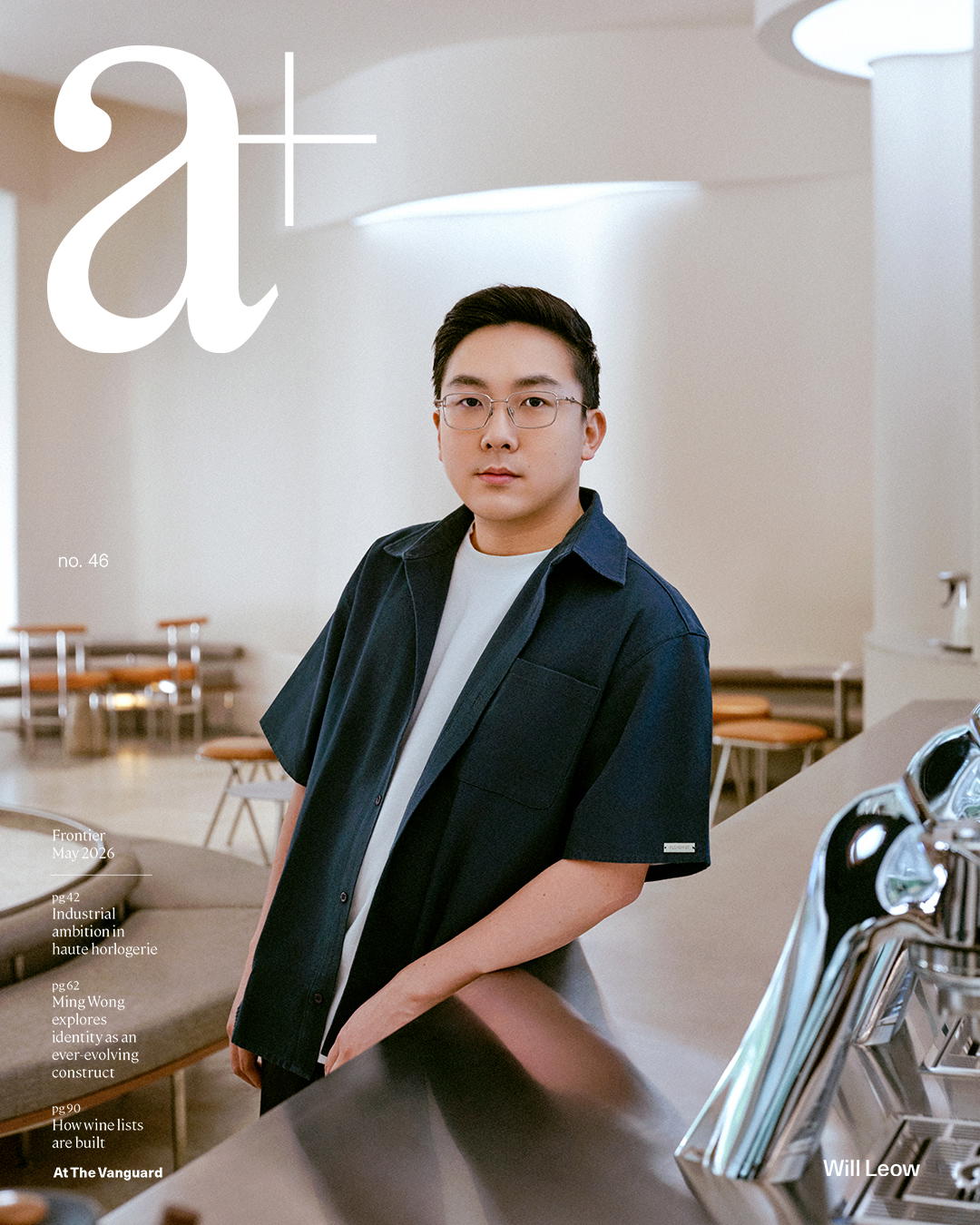
Photography Stefan Khoo
Art direction Ed Harland
Grooming Keith Bryant Lee
Photography assistant Chong Ng