
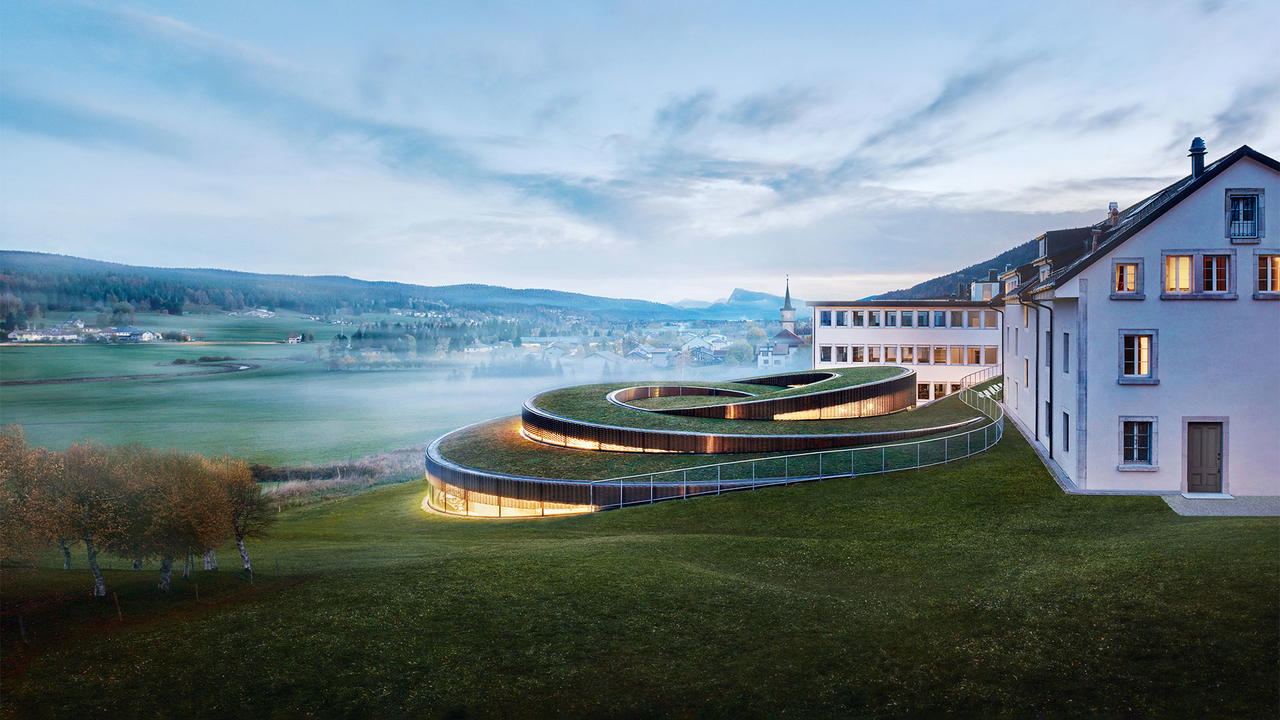
In an industry predisposed to heritage and fixated on innovation, the Musée Atelier Audemars Piguet is a sparkling symbol that bridges the past, present, and future. Lying in the shadow of the Swiss Jura Mountains and embraced by hectares of verdant pasture, it rises ethereally from the ground. At first glance, it might seem like an unassuming structure — glass and brass facades reflect the surrounding landscape, while a grass-covered steel roof blends seamlessly with the meadow.
A giant white rabbit statue clutching a pocket watch, on the other hand, is certain to catch your attention. It symbolises the brand’s constant quest for knowledge and invites watch enthusiasts to dive deep into a rabbit hole of discovery, ingenuity, and heritage just footsteps away from the museum.
A collaboration between BIG, headquartered in Denmark, and Swiss architects CCHE, the museum celebrates Audemars Piguet’s traditional and progressive ethos.
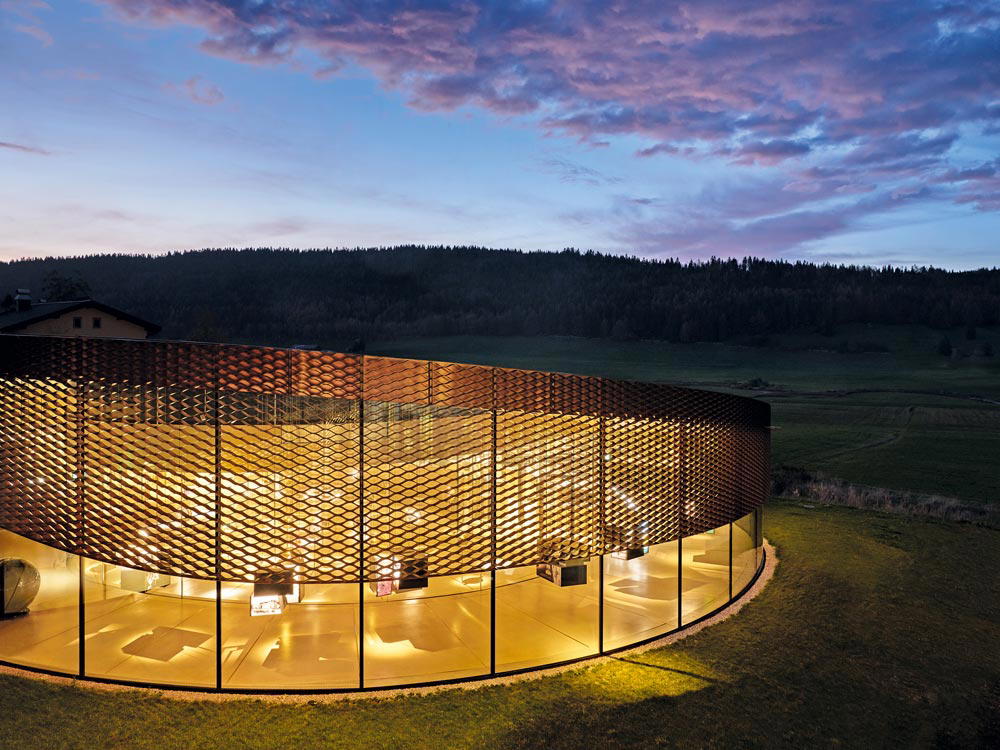
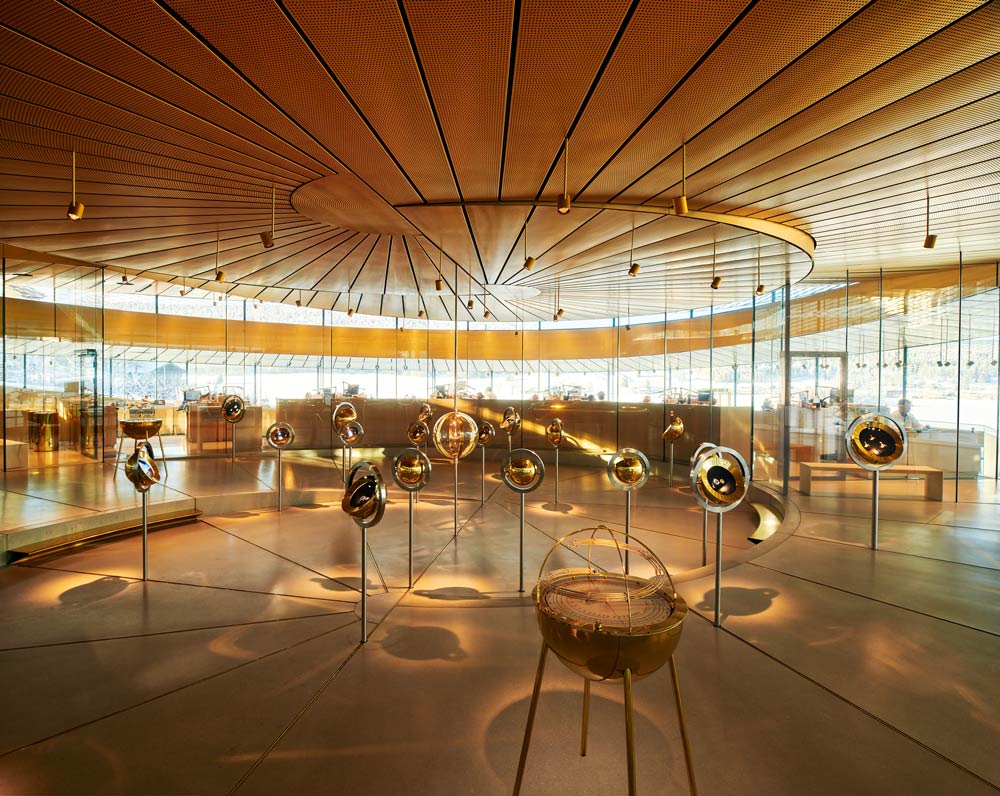
Designed like a giant hairspring — the heart of any mechanical timepiece — its architecture is resolutely modern, with coils that follow the natural gradient of the land. As well as being aesthetically pleasing, its spiral structure is a work of engineering genius. One hundred and eight load-bearing curved glass walls eliminate the need for walls or columns within the building so visitors can enjoy a continuous spatial experience.
A faceted brass mesh wraps around the external surface as a nod to one of watchmaking’s oldest materials. It also functions as a light and temperature regulator, and provides an unobstructed view of Vallée de Joux, a cradle of Swiss high watchmaking expertise in the Swiss canton of Vaud. As for the rooftop lawn, it helps regulate the temperature and absorbs water. The building also fulfils the latest Swiss Minergie requirements regarding energy efficiency and high-quality construction.
The past informs the future
Audemars Piguet’s historic house, a charming manor made of ancient timbers and stonework, serves as the entrance to the museum. Originally, the top floor was home to the first workshop of founders Jules Louis Audemars and Edward Auguste Piguet. Currently, it houses the Restoration Atelier.
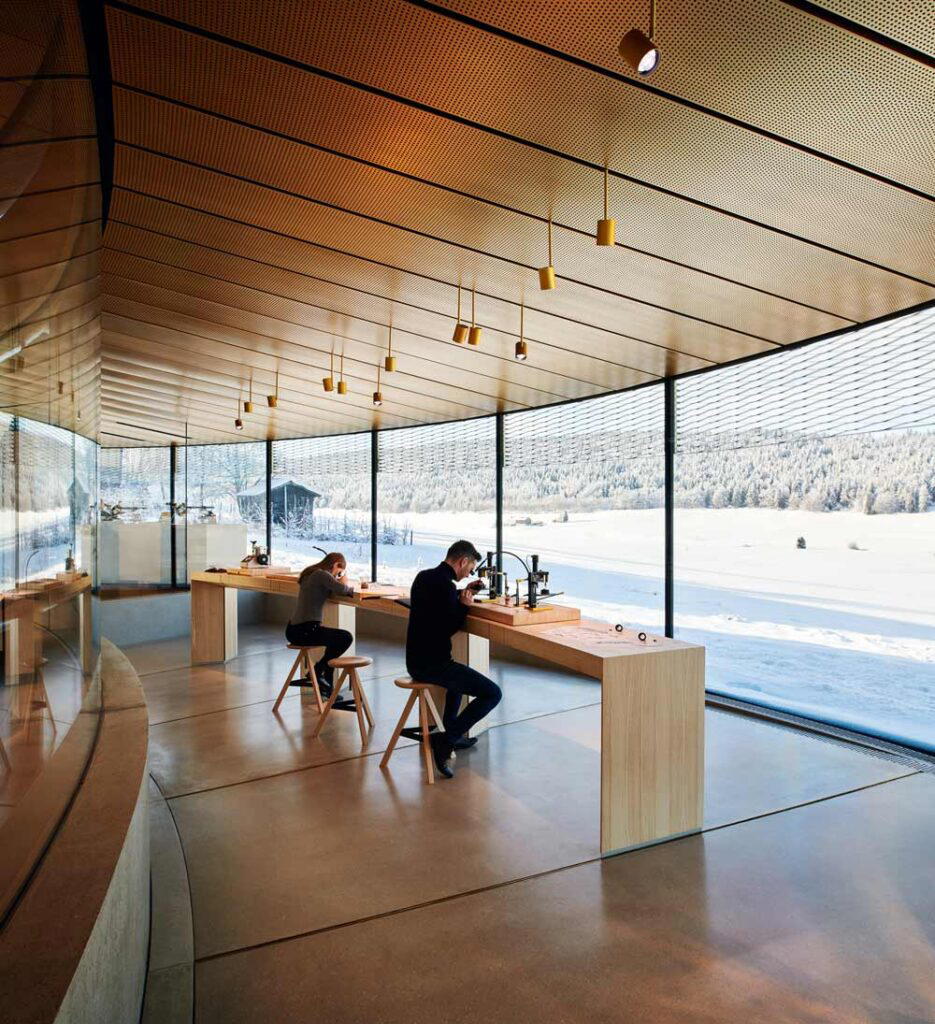
There is a sense of timelessness about the atelier. Traditional watchmaker’s benches, century-old manufacturing tools, rusty calibres, and movement parts reveal a rich history. When the time comes, they ensure Audemars Piguet’s vintage timepieces leave this workshop in their original splendour. The brand remains one of the few capable of reviving an old, forgotten watch using traditional techniques while retaining most of its original parts.
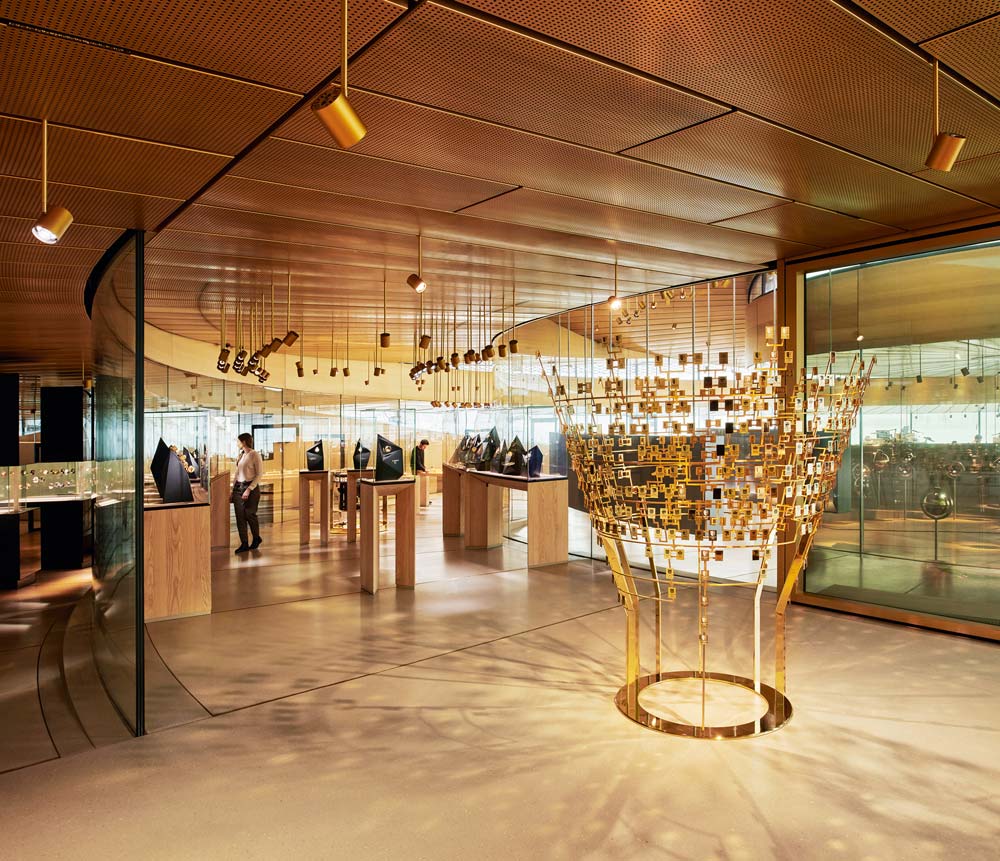
Modern art installations adorn the passageway to the museum. In the Founder’s Hall, the reception gallery, a gilded genealogy tree pays homage to the company’s founding families, who remain integral to its operations to this day. Audemars Piguet was founded by Jules Louis Audemars and Edward Auguste Piguet, whose great-grandchildren, Jasmine Audemars and Olivier Audemars, now serve on the company’s Board of Directors as chair and vice-chair, respectively. It is one of the last family-owned brands in the business of time.
Mastering time
Over 300 timepieces spanning two centuries of history, including high complications and evocative métiers d’art designs, take visitors on an educational journey to the heart of Audemars Piguet’s identity. It begins with the oldest watch on display, made by Joseph Piguet in 1769 to mark his entry into the Corporation des Horlogers de la Vallée de Joux. Passed down through the generations, it now belongs to Olivier Audemars, Piguet’s great-great-great-grandson.
Timepieces are not the only objects on display. An imposing automaton by François Junod, a master artisan known for his moving mechanical artworks, is exhibited in a space dedicated to understanding how escapements work. Junod’s creation of a man whistling happily on his stroll through a forest of fir trees and mushrooms is a whimsical interpretation of how a watch escapement functions.
Visitors also get an opportunity to discover the world’s thinnest automatic perpetual calendar wristwatch, marvel at the delicate art of striking watches, and see how the brand’s chronographs have developed since the mid-19th century. The tour converges at the centre of the spiral, where the grande complications, the most complex Audemars Piguet creations, are exhibited.
Since 1882, the brand has placed grande complications at the forefront of its production, even during difficult times. Remarkable masterpieces here include the Art Deco Grande Complication from 1922, which once belonged to American industrial pioneer Walter Chrysler, and Audemars Piguet’s first Grande Complication wristwatch from 1996.
The pièce de résistance, however, is the ultra-complicated Universelle pocket watch from 1899. With 21 functions and 1,168 components, it remains one of the world’s most complicated watches.
Creative expression
Audemars Piguet’s design language has been extremely expressive for over a century. Experimental forms, trendy designs, and even defying expectations are part of its DNA.
Even the most seasoned watch collectors might be surprised by some of the watches displayed, such as minuscule Art Deco-style ladies’ watches, flamboyant gold bracelet watches, and cushion-shaped watches.
It is important to note that the Musée Atelier Audemars Piguet is a living museum where you can see the labour behind constructing a watch in an interactive area. Visitors can also try their hand at satin brushing and circular graining, two time-honoured techniques preserved by Audemars Piguet’s finishing experts.
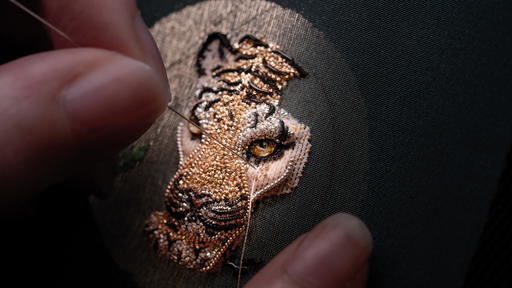
There are also two ateliers that provide a glimpse into the very soul of Audemars Piguet’s watchmaking craft: the Grandes Complications and Métiers d’Art workshops. Within these glass halls, some of Audemars Piguet’s most treasured pieces, such as the Royal Oak Grande Complication, are produced. Currently, only eight of these complex watches are produced in a year.
In this awe-inspiring museum, Audemars Piguet has created an environment filled with life and vitality. The craftsmanship and dedication poured into each timepiece transcend logic, time, and space, enlivening the inanimate objects with a life force and intelligence. Consequently, visitors leave with a greater understanding of both.