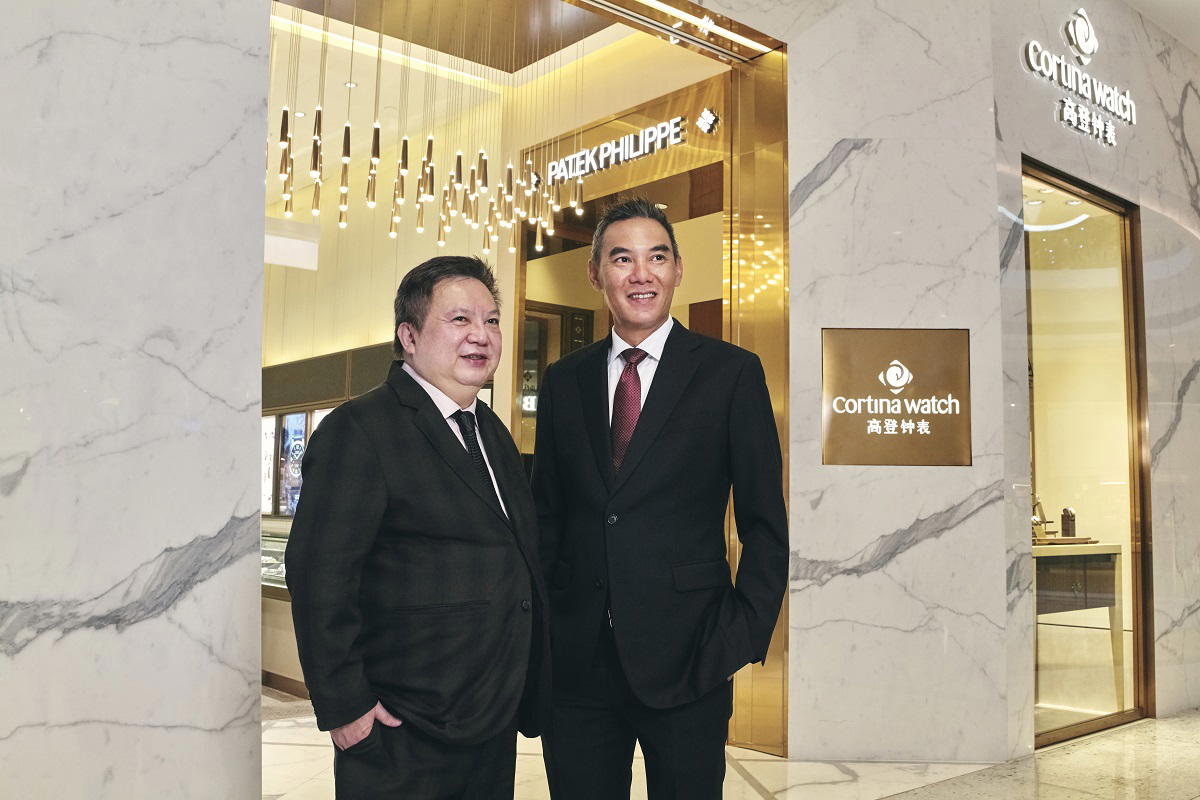
In 2021, Cortina Holdings’s board of directors appointed Raymond Lim (above, left) to the role of CEO for the group, and Jeremy Lim (right) as CEO of Cortina Watch. This came right after Cortina Watch’s acquisition of Sincere Watch, a proposal that the two brothers had planned and executed perfectly. Since then, the duo have been busy working on another project — Cortina Watch’s Golden Jubilee.
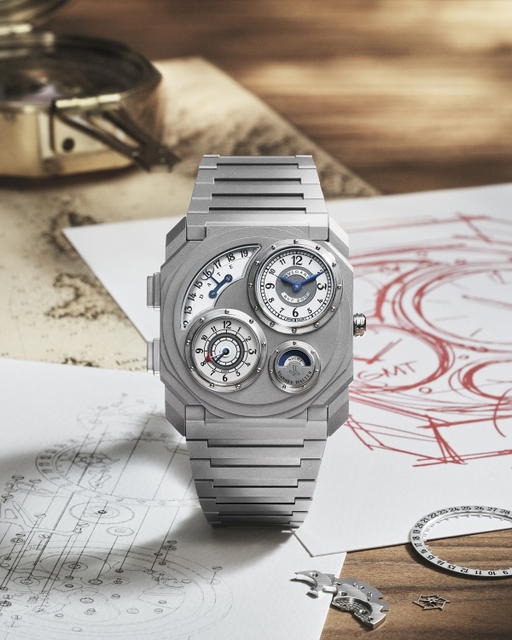
The brand launched a dedicated microsite for the 50th anniversary, where viewers will have the opportunity to discover the eight special edition models commissioned for the year. That their careers have converged at this moment is no coincidence. Their father and the founder of Cortina Watch, Anthony Lim, has steadily handed more responsibilities to the pair over the last decade. It’s thanks to their collaborative work process that the company has diversified its business across different segments of luxury watchmaking today, and across Southeast Asia, East Asia as well as Australia.
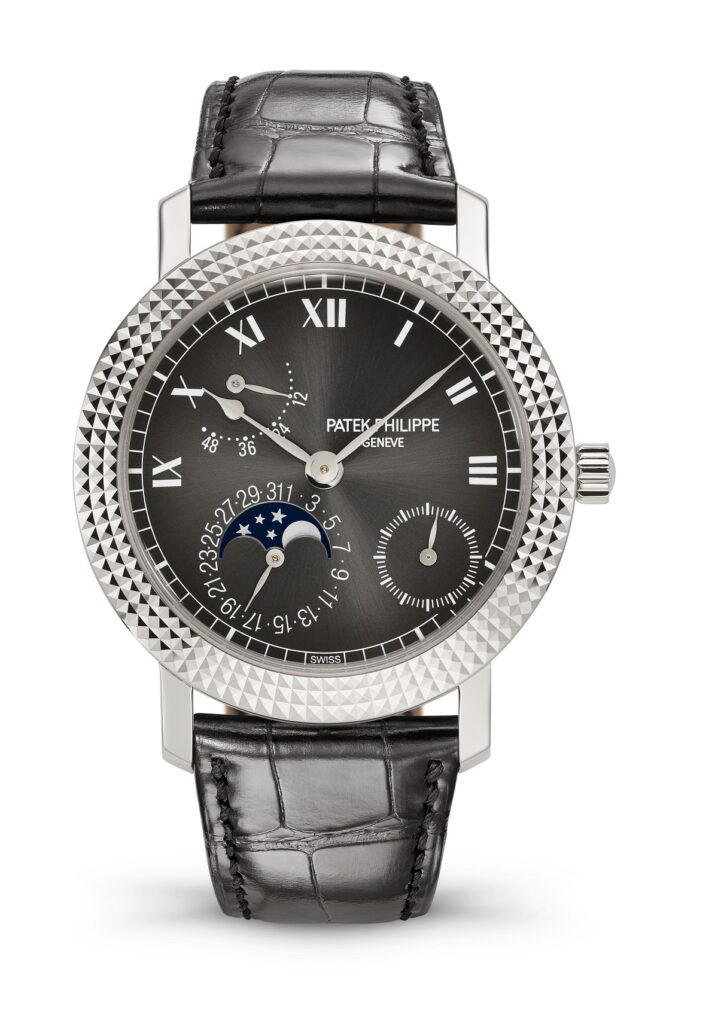
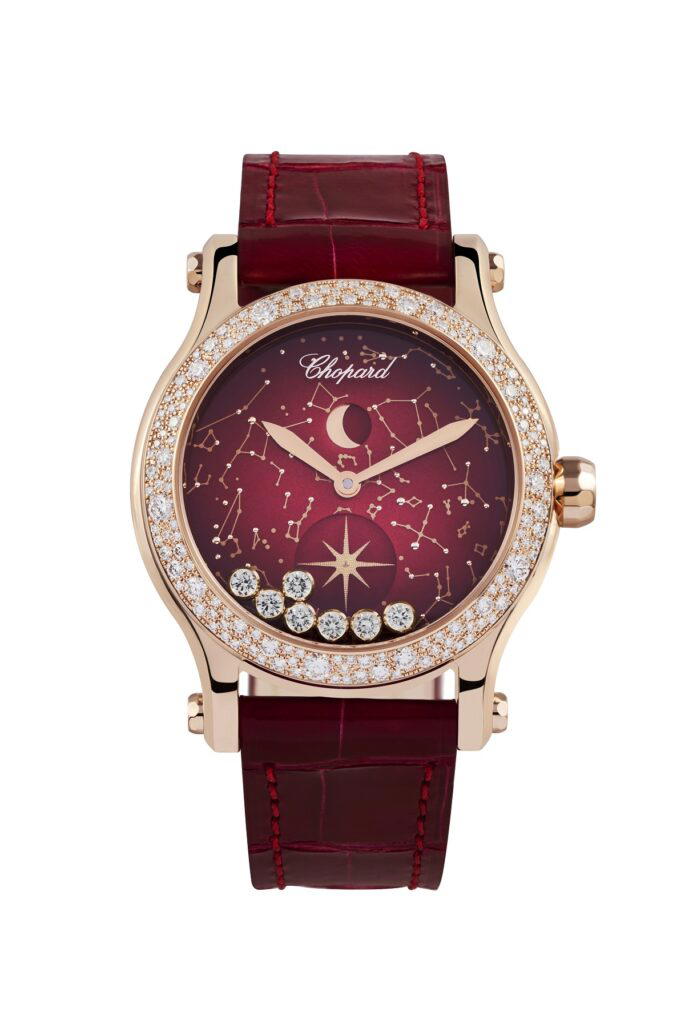
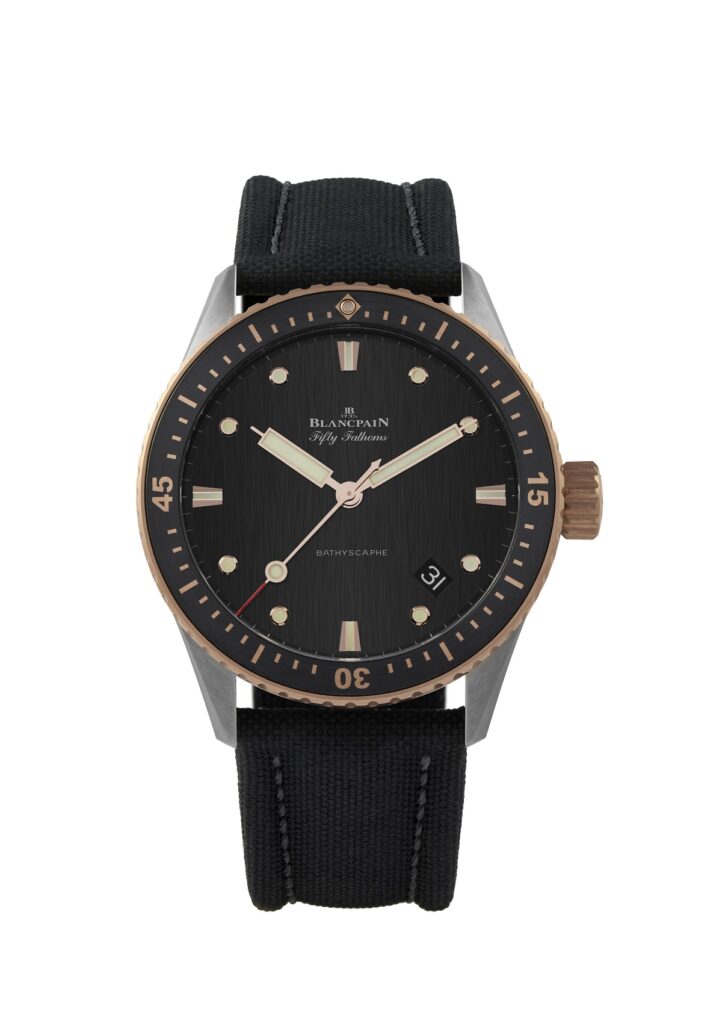
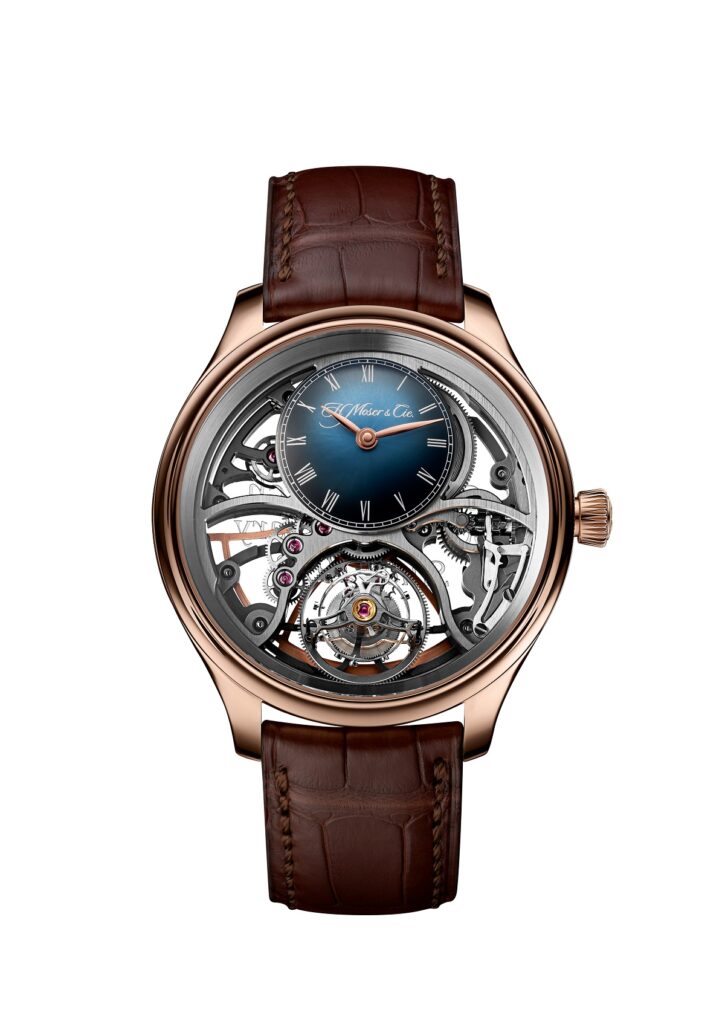
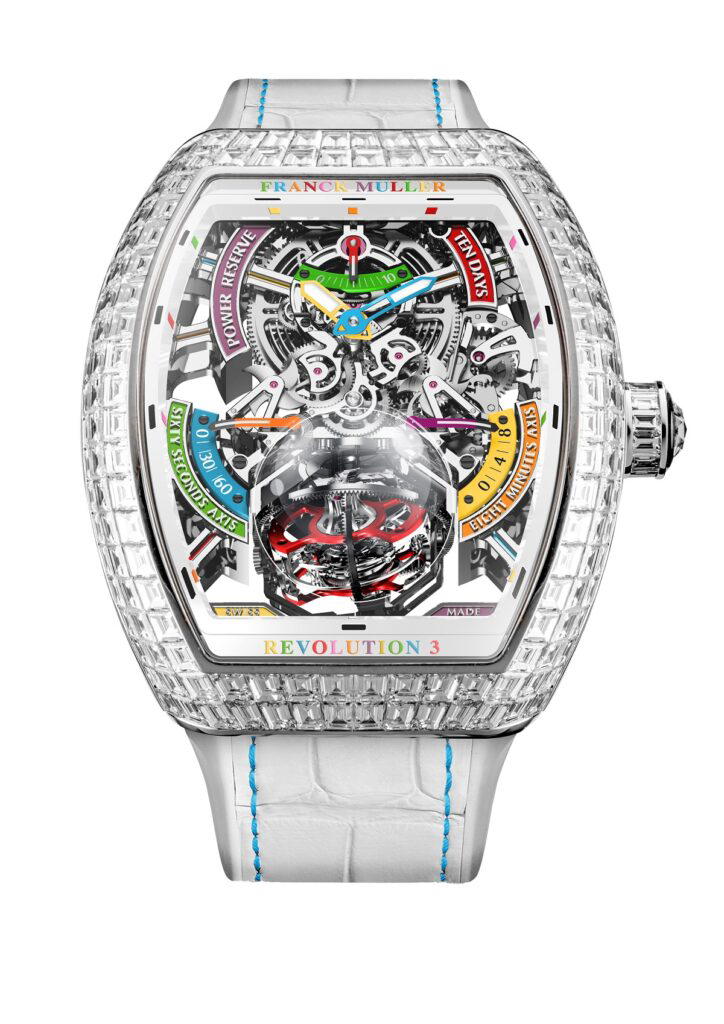
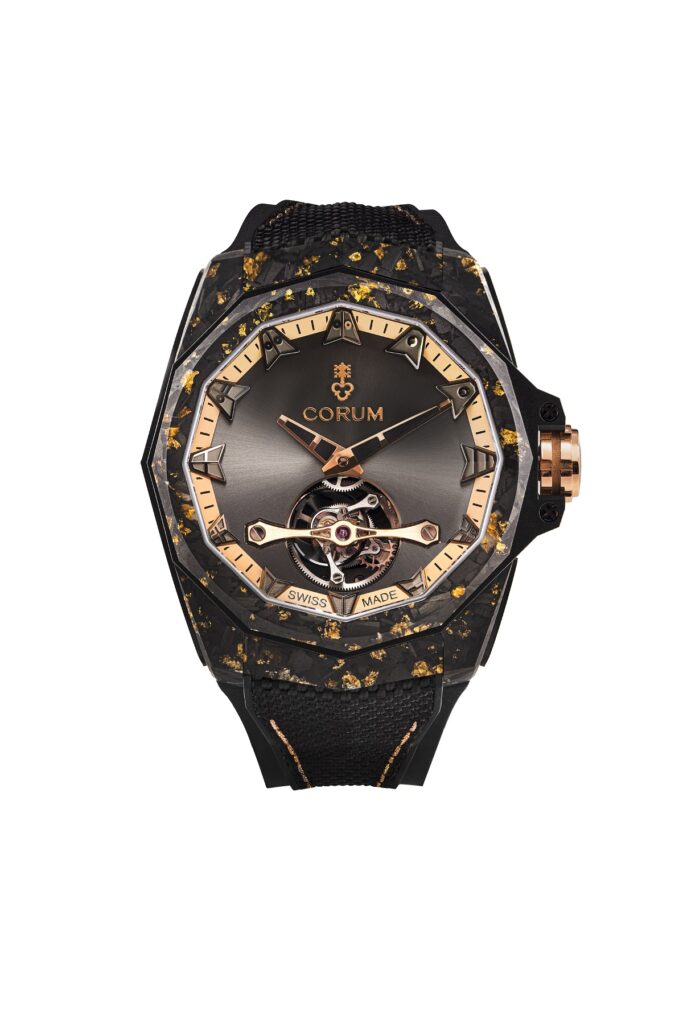
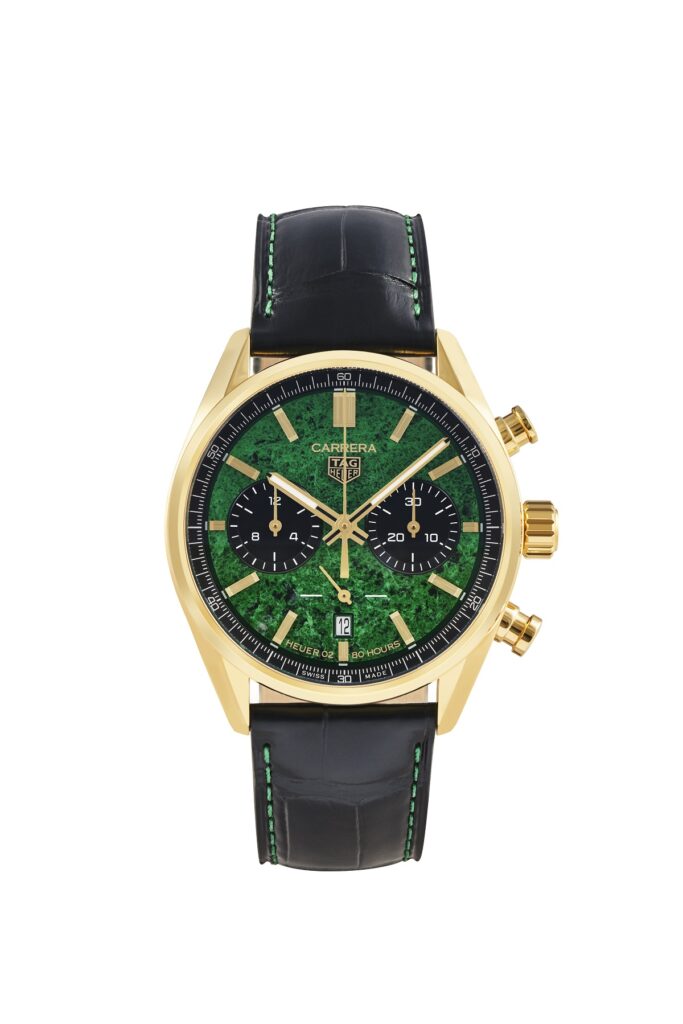
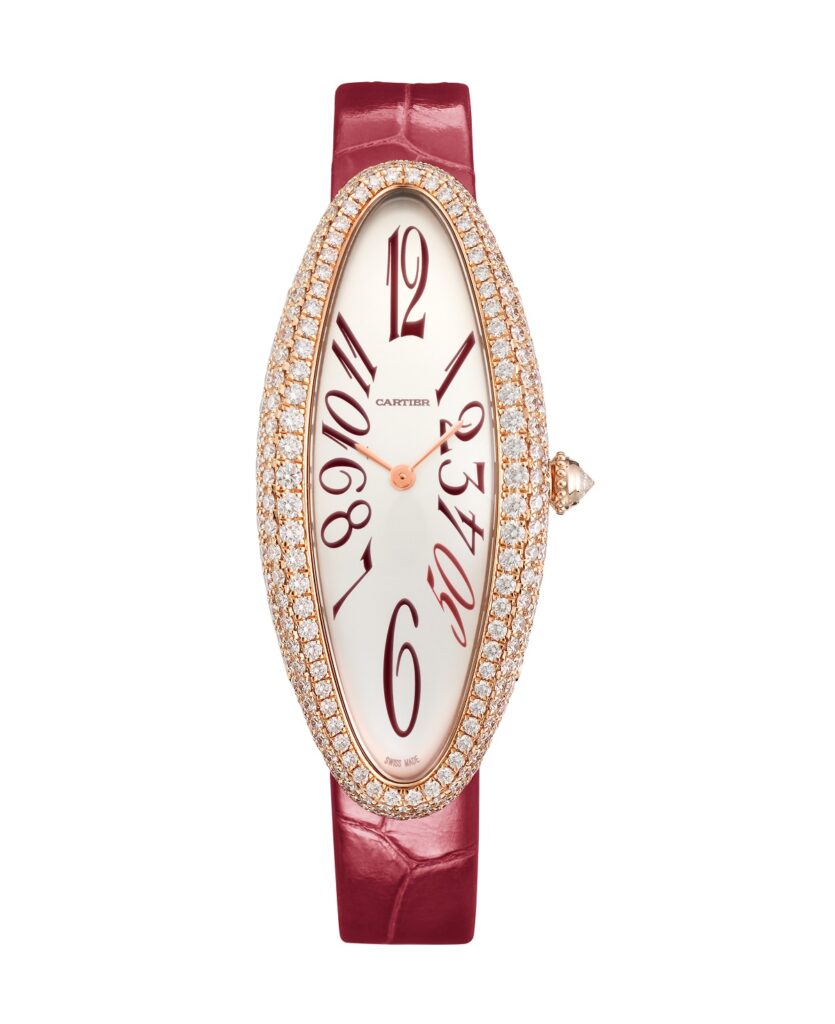
Raymond explains that when it comes to opening new markets, he has a knack for knowing the best time to enter. However, growing each market is what Jeremy excels at. “We’re very circumspect about the markets we are in. A lot of consideration goes into how each market can develop further and how we can make them self-sustaining.” Jeremy adds: “And because we’ve managed to do so, we haven’t had many issues keeping each market running smoothly despite the pandemic.”
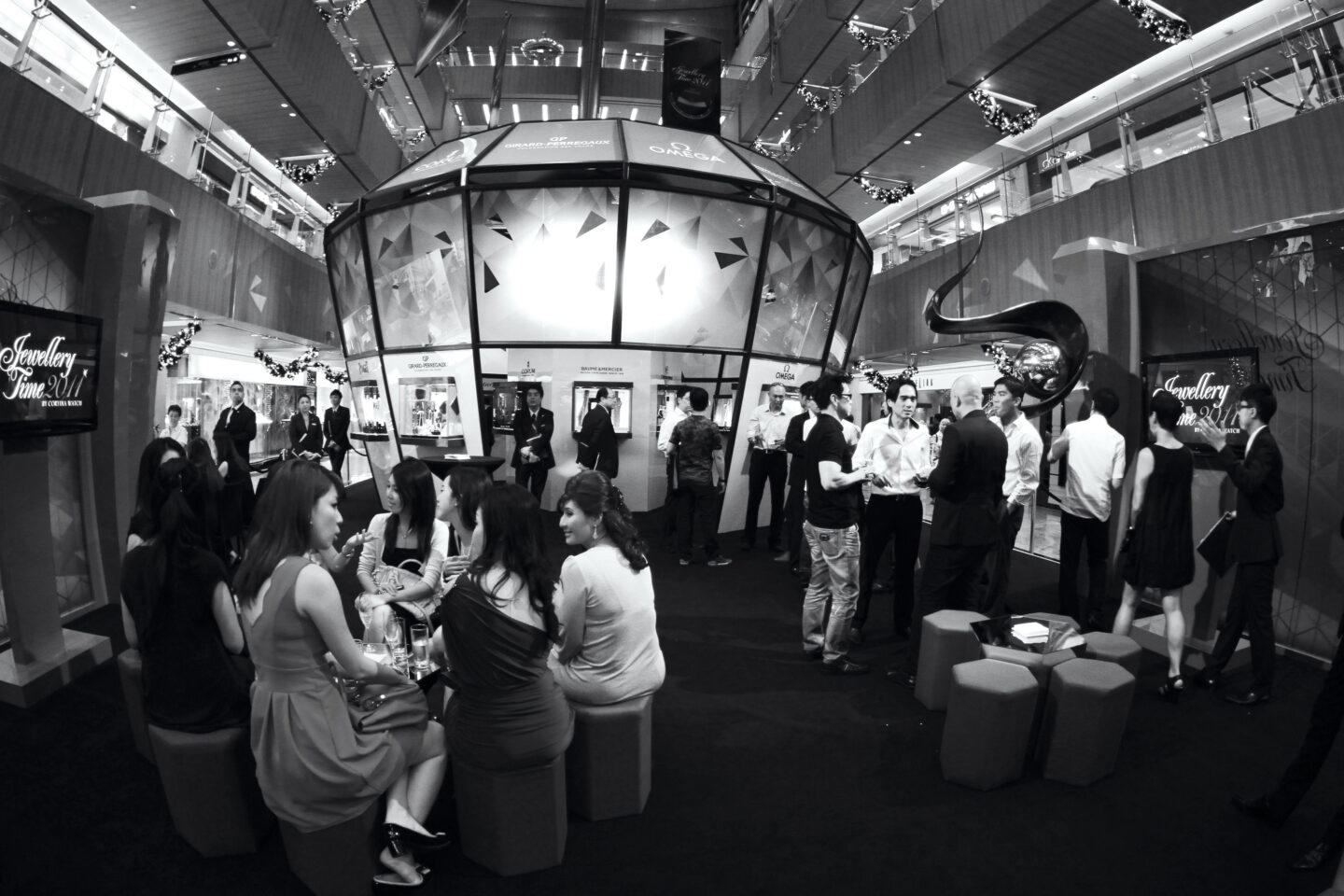
The luxury watch retailer has always excelled at carving out the right niches in the market to drive its expansion. An early example was the biennial Jewellery Time exhibition, which first launched in 2002, well before jewellery watches trended on the wrists of celebrities and billionaire rappers.
“Jewellery Time was an iconic themed exhibition that was unique in the industry. Then, it was an untapped segment in the market and space that we could own,” explains Raymond. “It helped us understand how we could continually bring something new and fresh to the market, with each addition evolving.” Jeremy points out that the exhibition enabled brands to present atypical jewellery products that they would not usually show to the public. “This demonstrated to watchmakers that customers were interested in buying scaled-down versions of the six- or seven-figure high jewellery models being presented. So today, when we talk about jewellery watches, we’re talking about a broad segment that can range from $50,000 to much more,” he opines.
Their move into the digital space and e-commerce was also a pioneering effort by the brothers to extend their retail presence beyond their stores. The idea first came about six years ago. At the time, most brands were still undecided in partnering retailers in e-retail. “There were a lot of concerns about distribution rights et cetera, and we had to find digital solutions that worked,” Jeremy recalls.
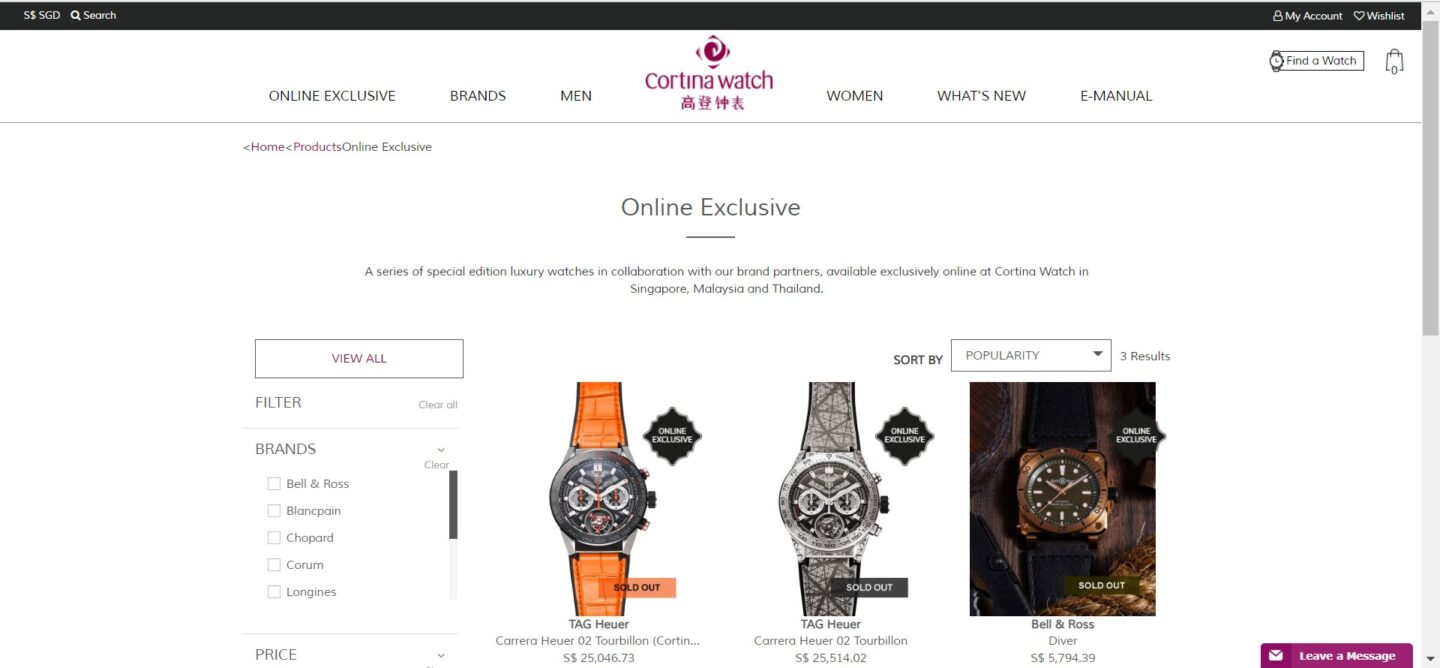
The company began to work with interested partners to commission exclusive models for the e-shop, and further used this to drive business from online to offline (O2O). “Customers who wanted to try on these exclusive models could come to the store and they could purchase it online on the spot, think about it or try something else in the store,” he explains.
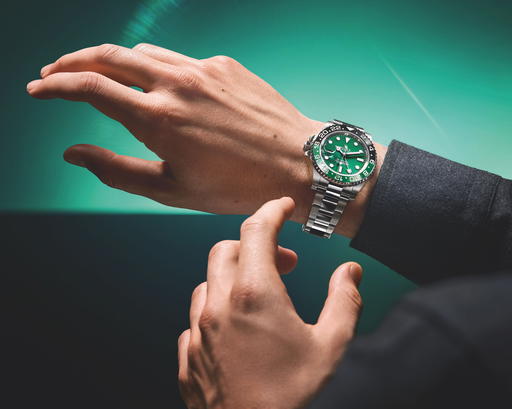
The success of these pieces — a limited-edition Bell & Ross sold out in 56 hours — demonstrated to them that there are potential customers online. This proved to be a formula that worked for them throughout the pandemic. The half-year financial statements for March and September 2021 saw an impressive 87 percent revenue increase year-on-year, with comprehensive income up 68 percent. More importantly, their digital marketing solutions, ranging from CRM tools to O2O2O, saw an increase in engagement.
“Before we can create an engaging online retail environment for our customers, we need to first understand them. Online retail can feel impersonal. That’s why we’ve upgraded our digital tools to learn about our customers’ behaviour,” notes Raymond. Jeremy adds: “With online, our role as the curators of watchmaking have extended further. We’re actively commissioning timepieces that our customers want while also shaping their interest in watchmaking with information and products.” That, they believe, is what lies at the heart of the company and how watch retail has evolved for the company.
Raymond notes, “We built Cortina because we wanted to share our passion for watchmaking with collectors in Asia.” He continues, “Today, we need to take a more active role in supporting and nurturing the next generation of watch collectors, and helping brands establish their presence in our markets. This entails a lot of trust from all sides. Trust is the quality that has shaped our success from 1972 till today and well into the future.”