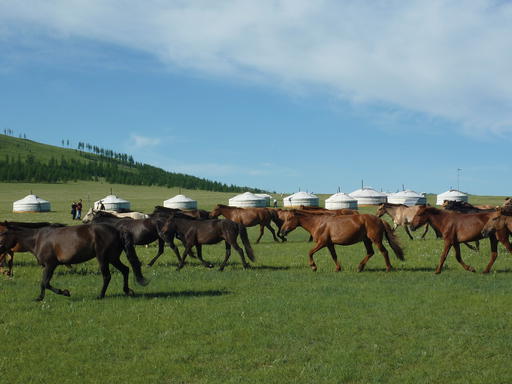

Nestled within the shadows of the Swiss Jura Mountains is the Vallée de Joux, a stronghold of the watch-making industry for centuries. Home to some of the world’s most famous watch labels, the valley recently welcomed an enthralling new resident. And it’s not a watch manufacturer.
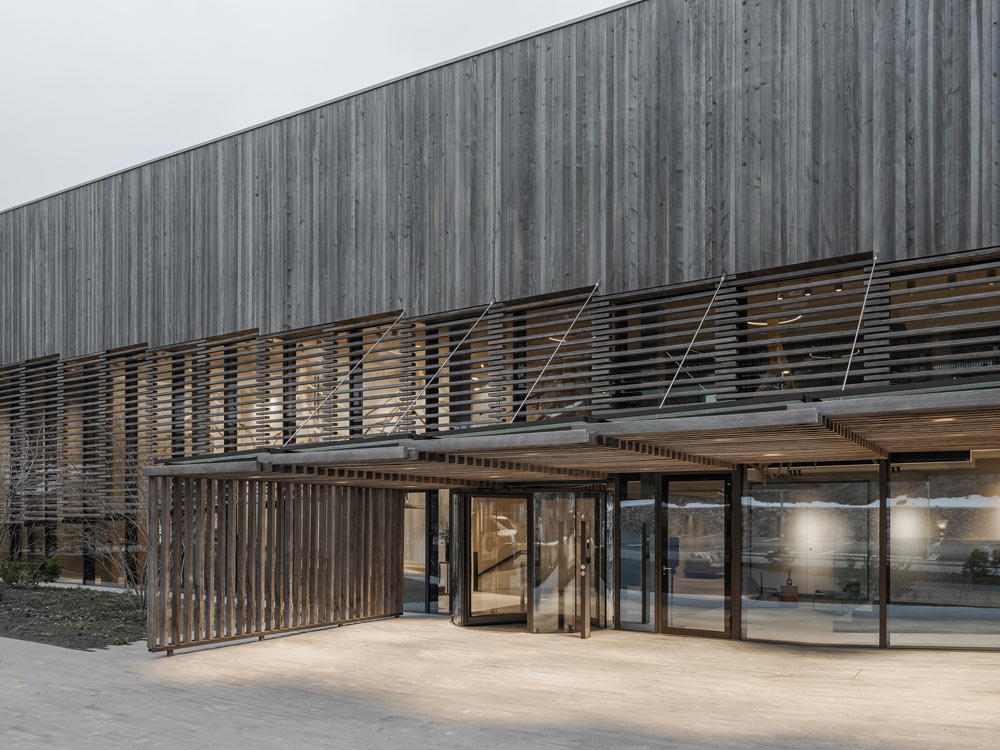
The Hôtel des Horlogers, French for clockmaker’s hotel, is the latest jewel in the valley. The epitome of contemporary elegance with its concrete, glass, and spruce timber exterior, it is owned by Audemars Piguet, which has a state-of-the-art watchmaking museum just footsteps away.
The watchmaker has been serving the hospitality needs of the valley since 2005, after it purchased and refurbished the old Hôtel de France that occupied the same location for more than a century. Audemars Piguet closed the hotel in 2016 to build a new place that better suited the brand’s image and ethos, as well as evolving sustainability trends. June 4, 2018, marked the first foundation stone laying for the new Hôtel des Horlogers. It would take four years for the project to be completed.
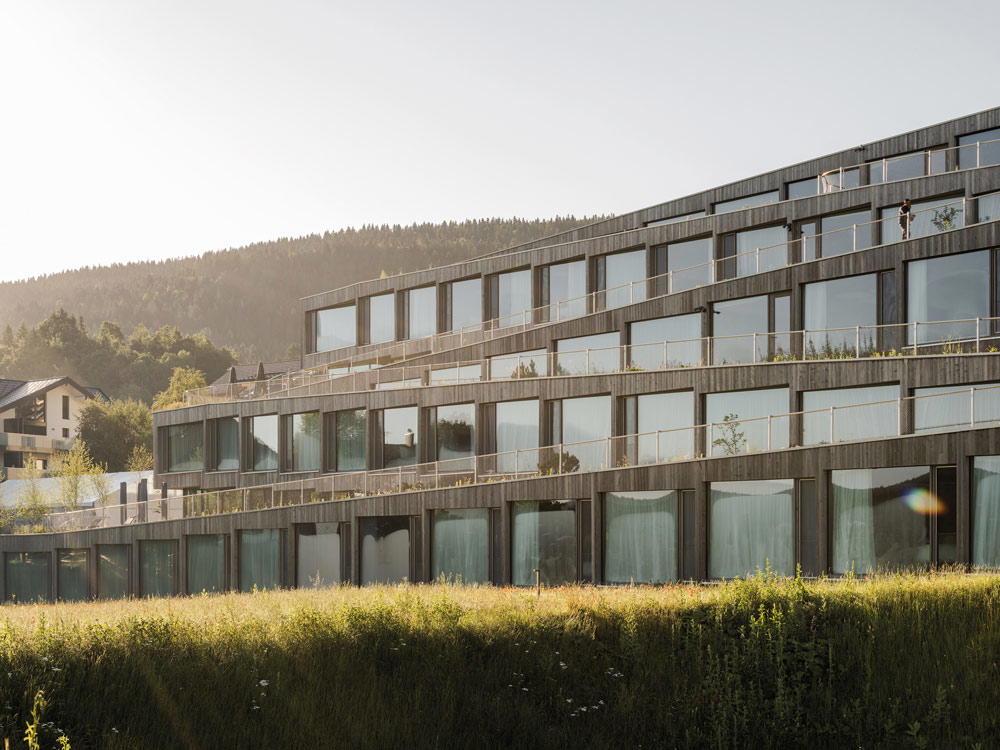
Photo: Audemars Piguet.
Designed by internationally renowned architectural firm Bjarke Ingels Group (BIG) and constructed by Swiss architecture office CCHE, which were both involved in the Musée Atelier Audemars Piguet, the hotel reflects the topography of Vallée de Joux.
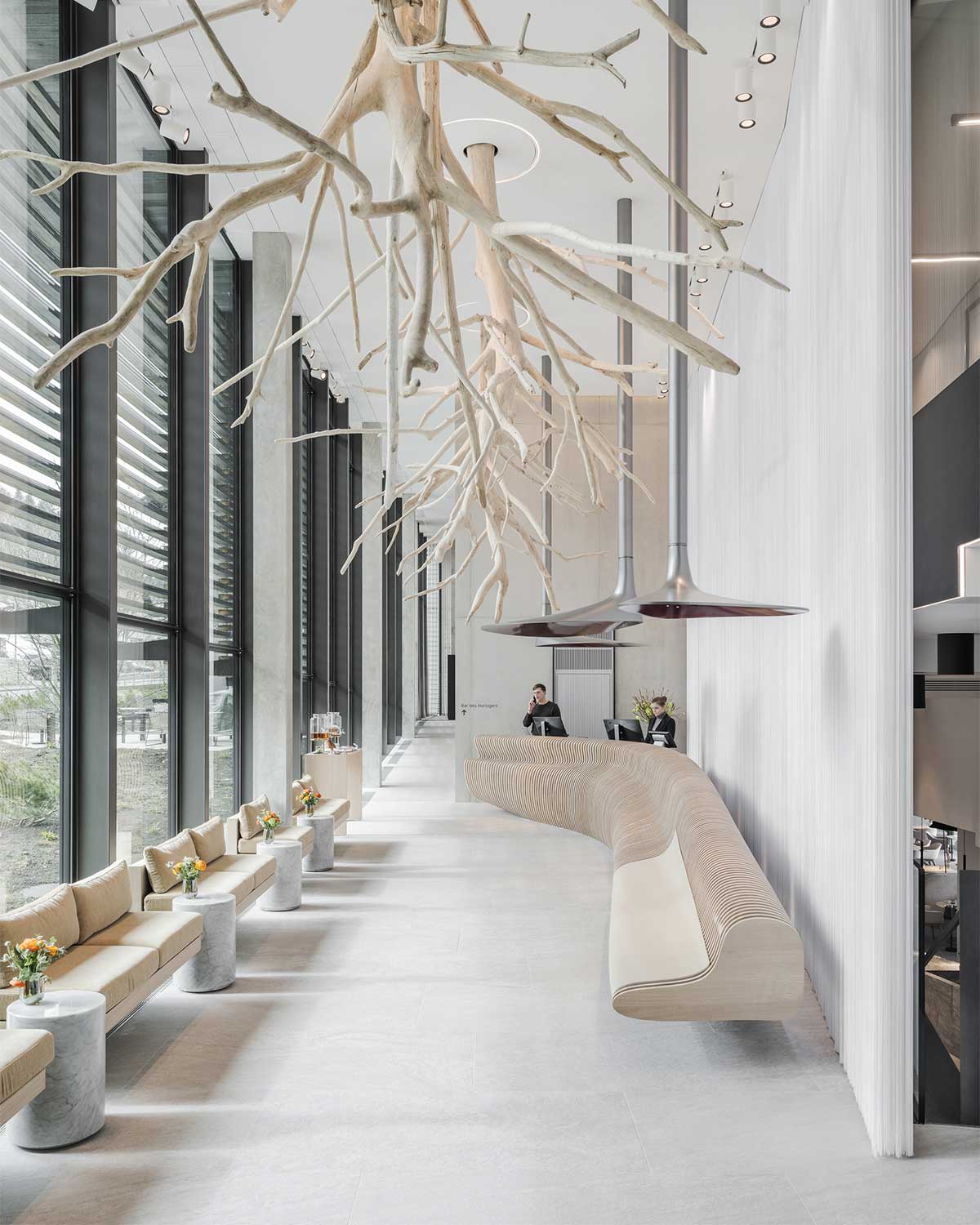
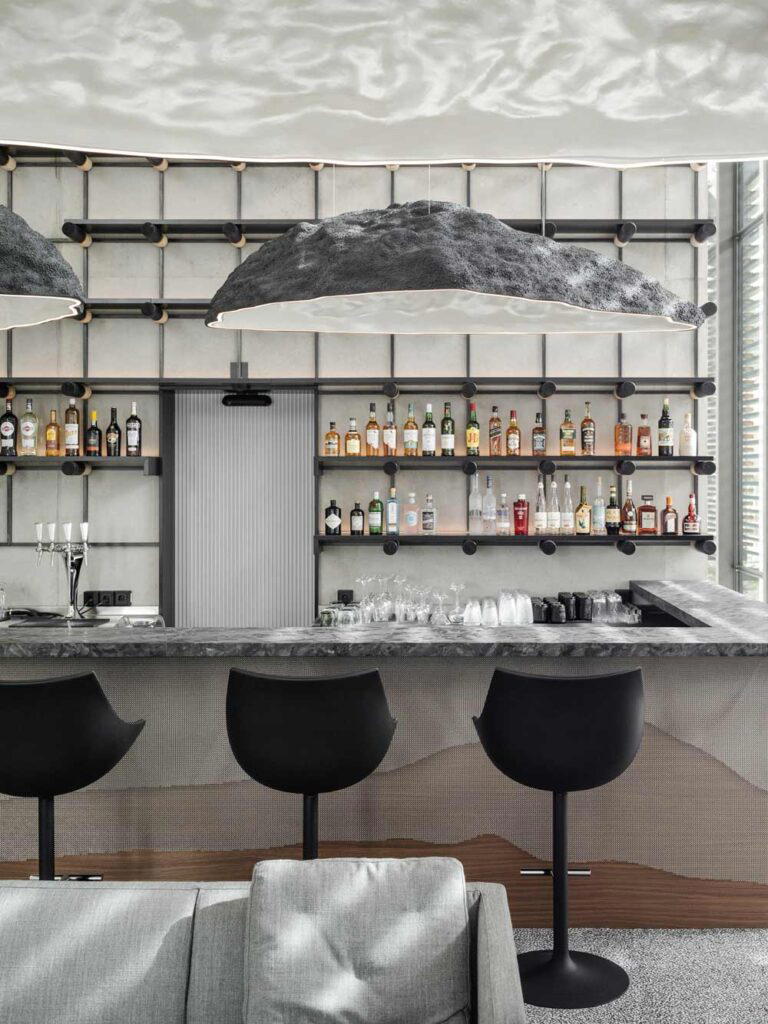
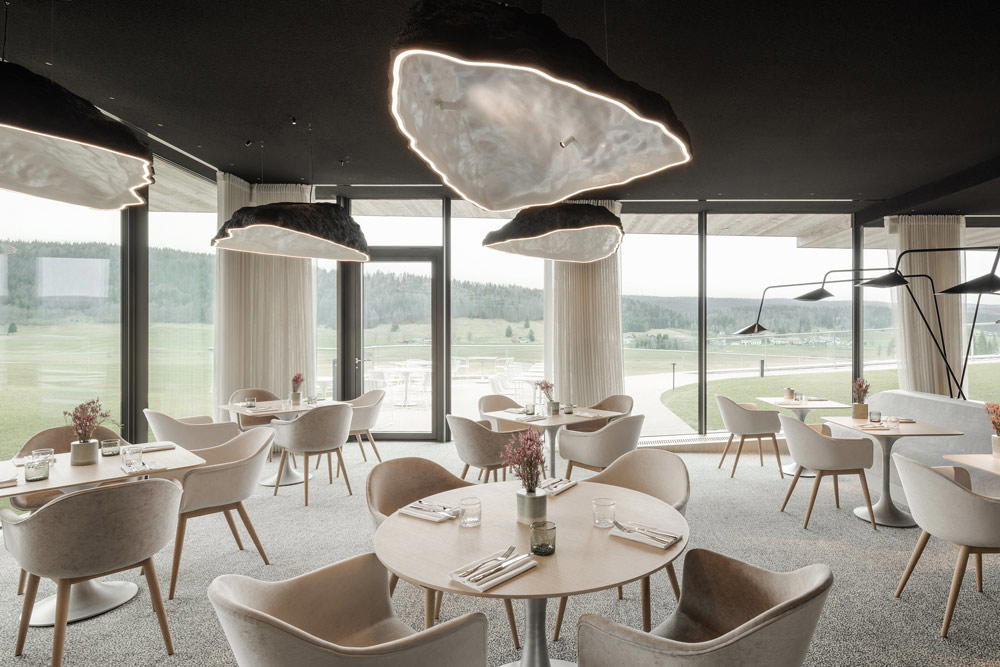
Large concrete slabs zigzag towards the meadows while a continuous concrete corridor connects all the rooms. From the lobby ceiling, white tree branches recall the reflections of the nearby Risoud forest on Lac de Joux. Multiple layers of wood make up the reception desk, which is shaped like an unfurled ammonite, while the large, hollowed lamps in the dining room and bar are inspired by forest mushrooms, but appear more like giant oyster shells.
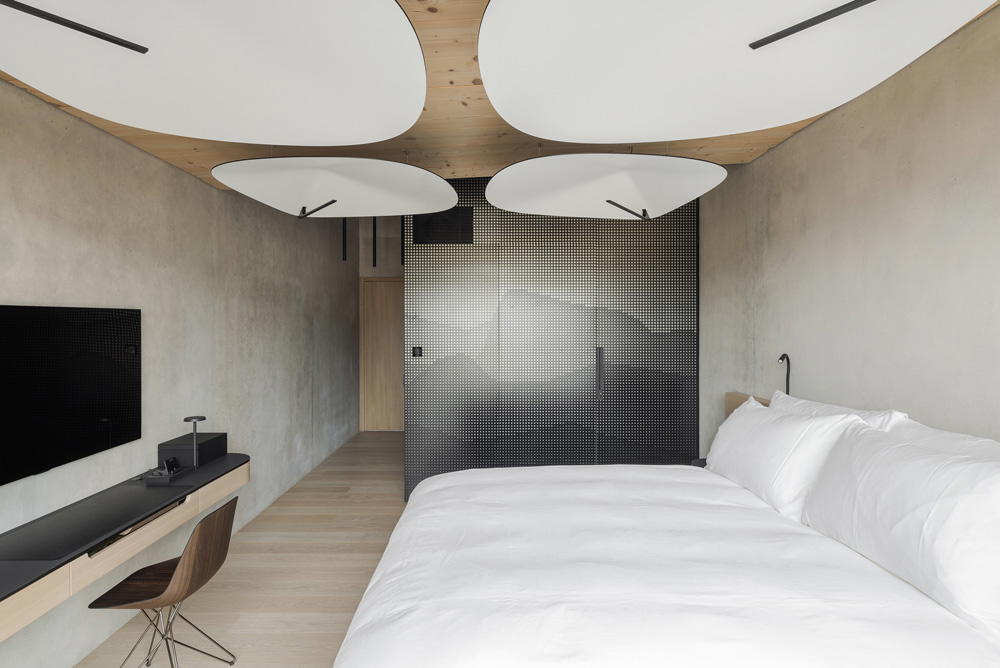
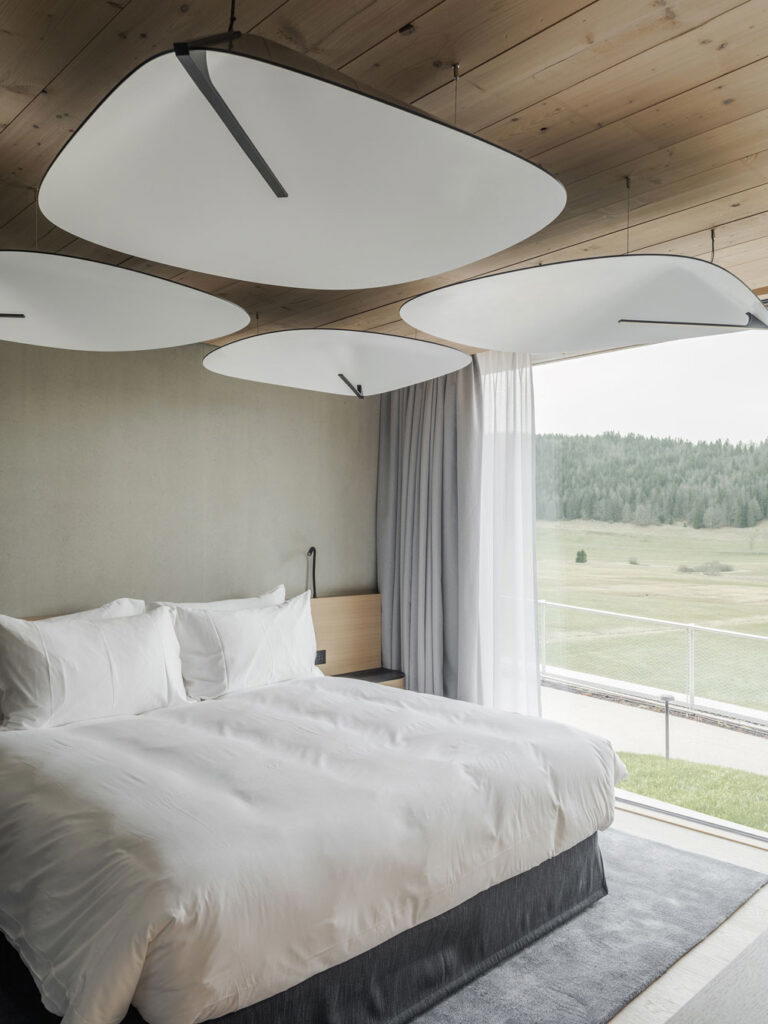
The design is unconventional and utterly modern, but it fits into the landscape unobtrusively and is typical of the work of Danish architect Bjarke Ingels, founder of BIG. Famous worldwide for his work on residential projects, such as VM Houses and Mountain Dwellings, Ingels was so captivated by the Risoud forest he wanted all 50 rooms to enjoy the view of the region. Across the five room categories, ranging from the standard Superior Room to the Signature Suite, the mood is welcoming, comforting and refined, thanks to the use of local spruce surfaces, floor-to-ceiling bay windows, and smooth concrete.
As gastronomy is a key part of the hotel experience, Le Gogant, its all-day dining restaurant, is the place to see and be seen at in the valley. With its extensive menu, it’s also where people come to have a taste of three-Michelin-starred chef Emmanuel Renaut’s food. He helms the two restaurants and the bar and emphasises the use of local produce. Additionally, the hotel has a garden that supplies fruits, vegetables, and herbs to the restaurants.
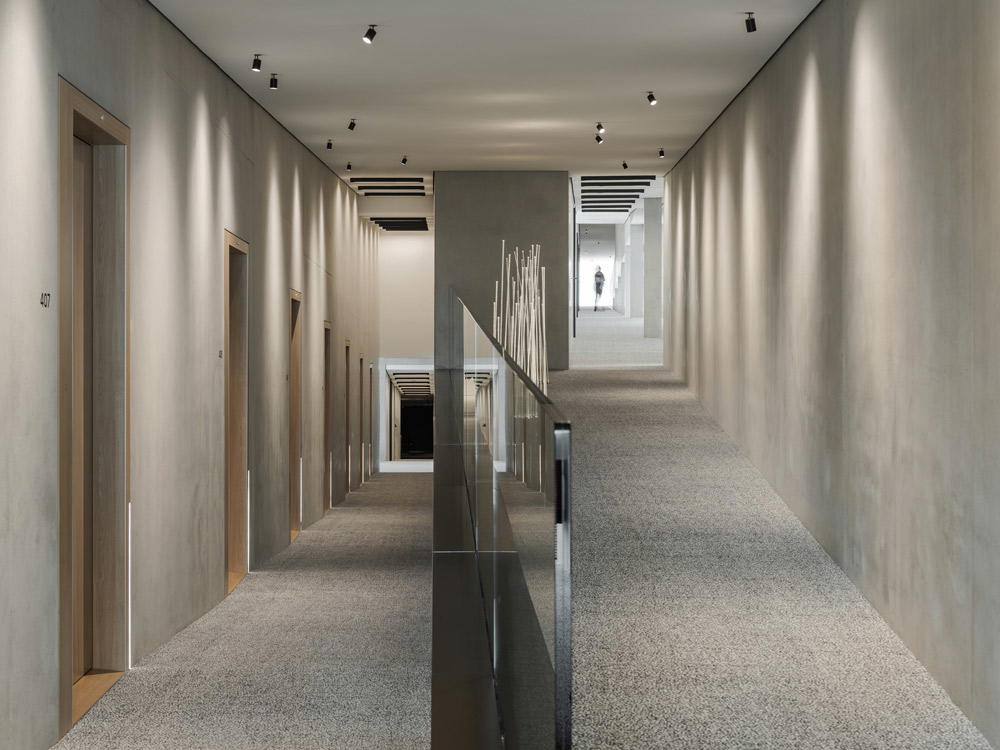
Photo: Audemars Piguet.
Relying on local suppliers is just one of the ways in which Hôtel des Horlogers reduces its carbon footprint. It also follows strict soil protection policies, uses solar energy, refrains from plastic, and relies on a local wood-based heating network for hot water and heating.
Furthermore, locally sourced water is house-bottled to drastically reduce grey energy linked to transportation, while organic waste is transformed into biomass via a MEIKO GREEN Waste Solutions system before being converted into electricity and heat.
Today, appealing to the modern traveller goes beyond outstanding food and design. Hotels like Hôtel des Horlogers, certified by Minergie-ECO for its eco- friendly practices and building ecology approach, are increasingly focusing on global issues that concern informed citizens. In addition to creating a new blueprint for what a hotel can be, they also provide a means for us to travel responsibly.