At Shanghai’s buzzing Hongqiao station, the clock strikes 4pm, and the crowd surges forward like a human tide—each person en route to a destination that seems closer than ever in today’s China.
As I prepare to board the high-speed train to Hangzhou, the efficiency of the rail network is a far cry from my first visit to China in 2012. Back then, urban planning felt like a work-in-progress, and transportation options were limited and cumbersome. With trains now reaching speeds of up to 360km per hour, the journey across the country’s urban backbone is a living mantra that “China is changing.”
After a quick passport scan at the auto gate, my journey begins. Barely an hour later, I find myself in Hangzhou, a city steeped in history yet pulsating with modern energy. Once a vital trading hub along the Yangtze River and celebrated as the “House of Silk”, and one of China’s seven ancient capitals, Hangzhou dates back 4,700 years to the Neolithic Liangzhu culture.
Records indicate that agriculture flourished in the Yangtze River region in ancient times. By the Song Dynasty (1127-1279 CE), the villages along the river had become some of the richest in China, benefiting from the region’s fertile land and strategic location as a hub and port.
It was here that many merchants from Fujian and Guangdong began trading in silk, tea, and porcelain, and silk production in Hangzhou advanced with the invention of brocade, twill, satin, silk, yarn, and cotton.
TRADITION IS A WAY OF LIFE IN HANGZHOU
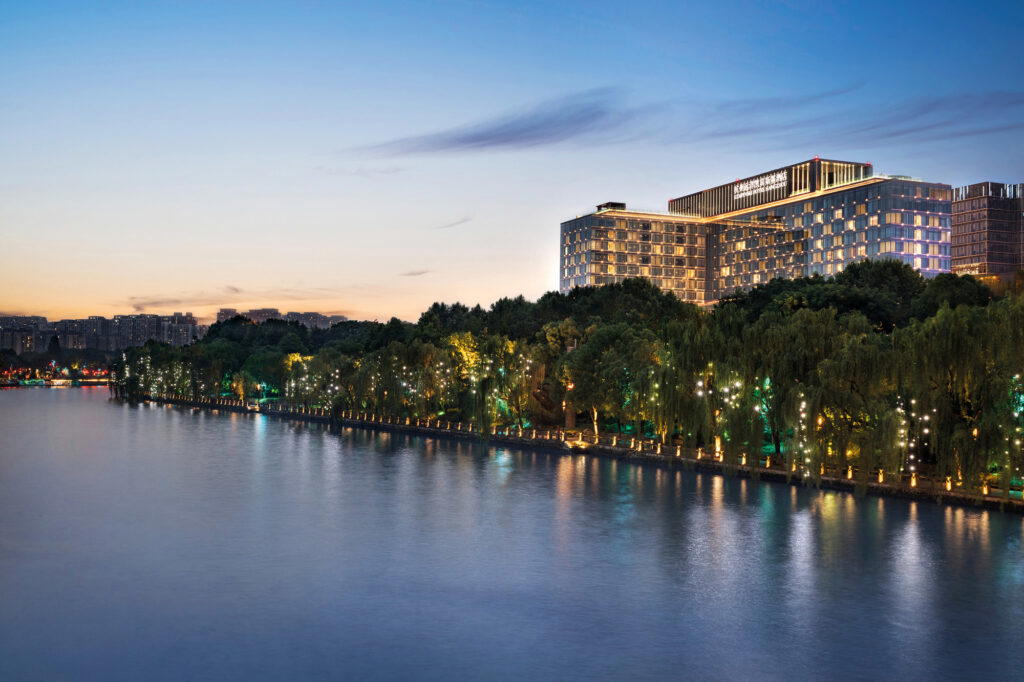
I check into Kempinski Hotel Hangzhou, strategically located along the southern end of the Grand Canal, a Unesco World Heritage Site. Opened in 2019, the five-star luxury hotel is the first Kempinski property in the Zhejiang province and the 19th built in China.
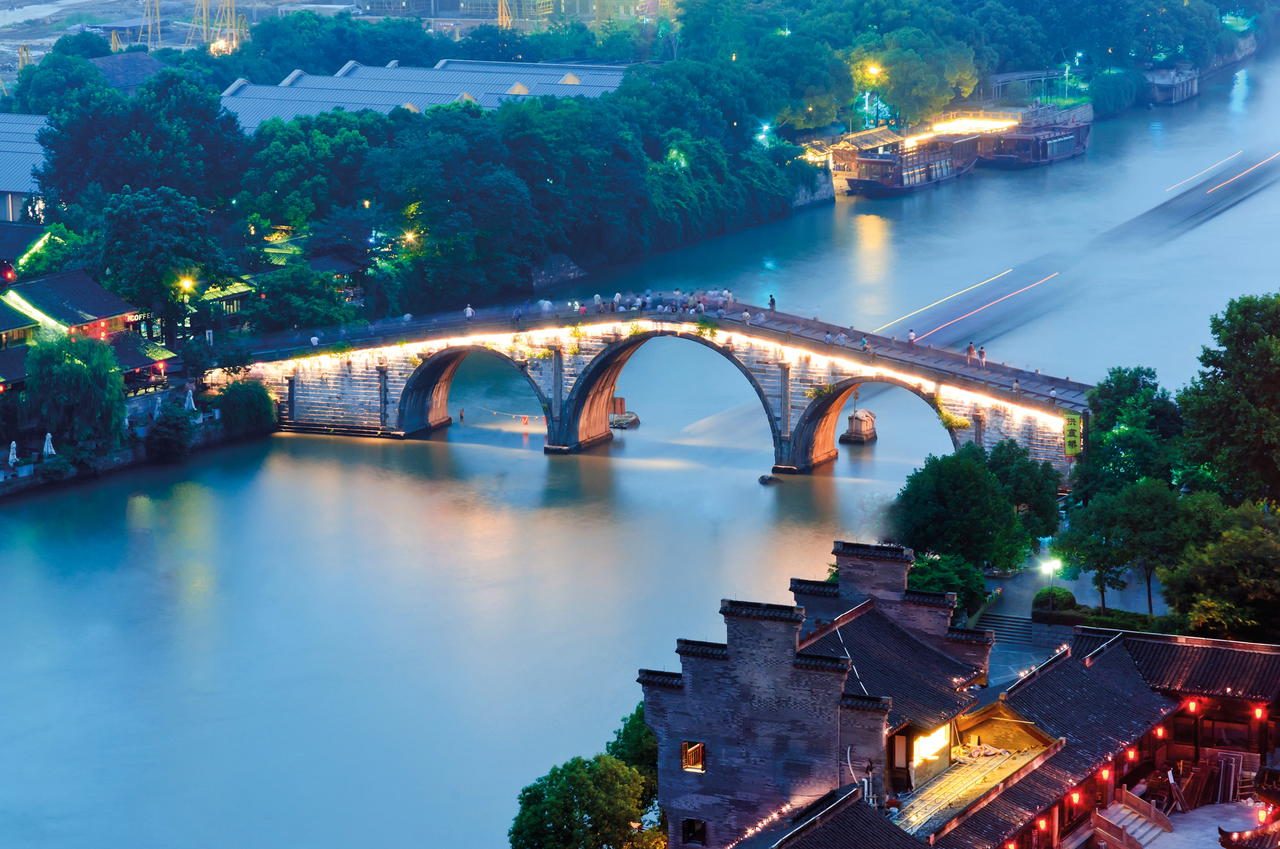
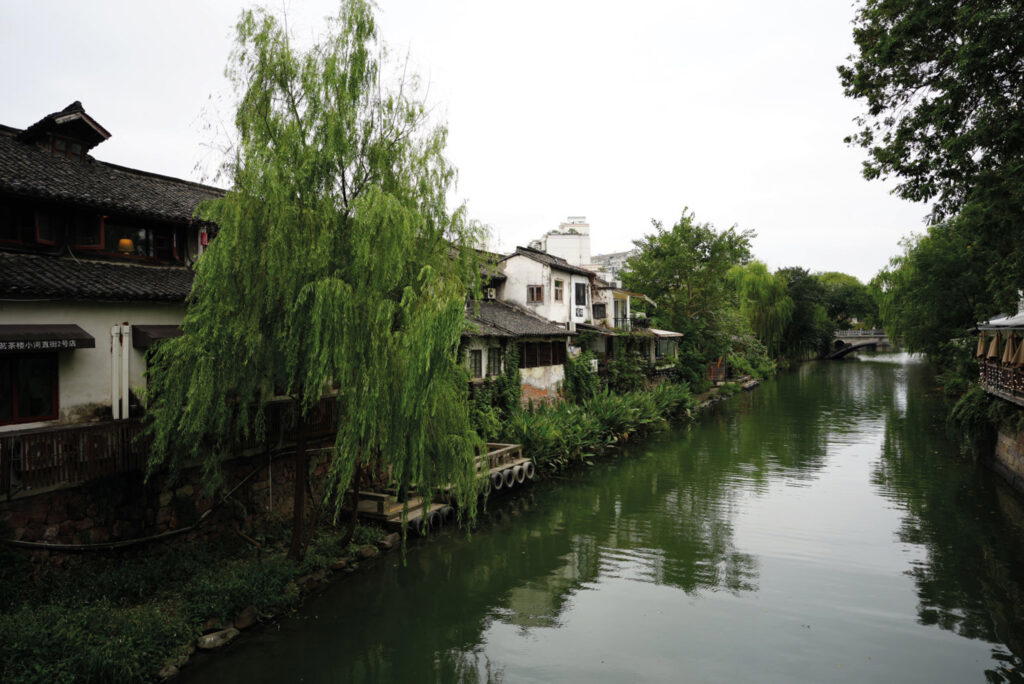
Eager to explore, I join the hotel’s bike tour to Xiaohe Street, where the Grand Canal converges with the Yuhangtang River. This heritage-rich conservation area thrived because of the Grand Canal, which connected the lower Yangtze River to prominent cities like Yangzhou and Beijing.
Once a bustling hub for trade and cultural exchange, Xiaohe Street retains its old-world charm and generations of villagers, known as “The Last Surviving Canal Households”, still call this place home. Many of the historical relics have been transformed into workshops and stores, their white walls and black-tiled roofs preserving the essence of a bygone era.
Walking along these riverside lanes, it’s easy to picture the vibrancy of canal life in its heyday. But it is just as interesting to see how local people have kept their traditions alive.
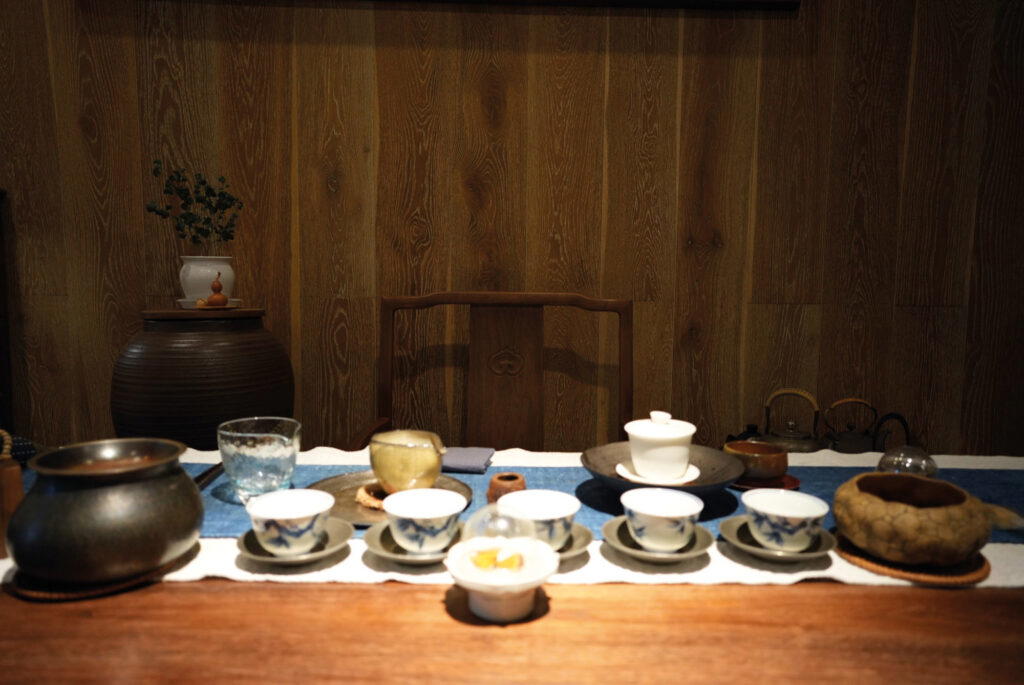
A group of women practise Chinese sword dance as a portable speaker blasted music nearby. A mother does laundry outside her home as her child watches on. Several tea houses operate on the ground floor while the upper floors are used as homes for families, a remnant of the old canal merchant port culture.
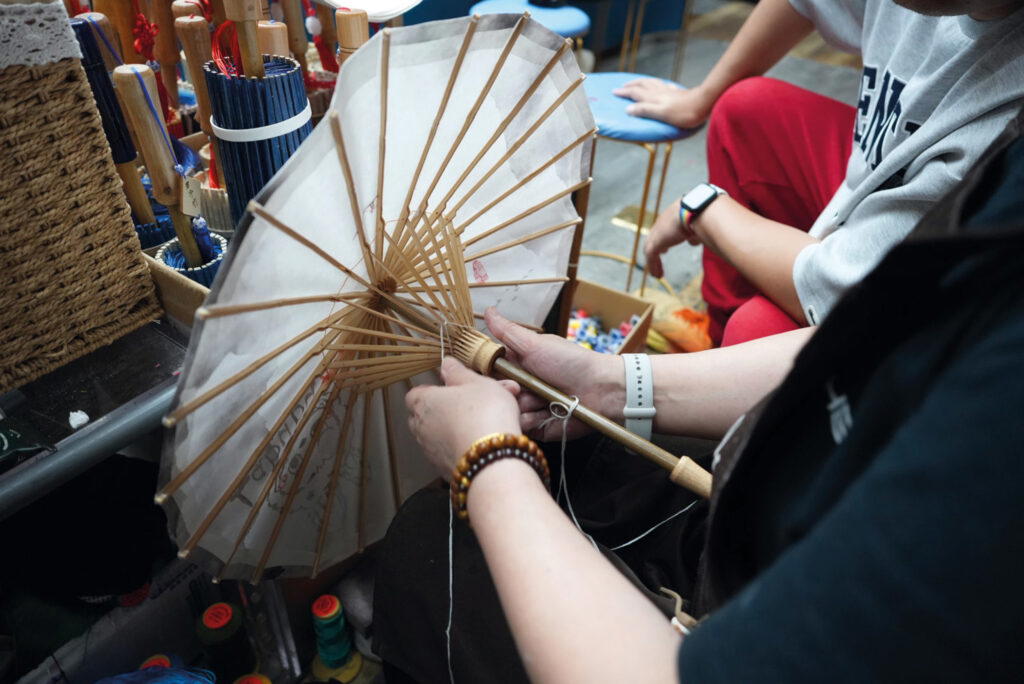
Nearby, tourists flanked by the Gongcheng Bridge make their way to Hangzhou Arts & Crafts museum, where visitors can sign up for activities like papercut art or ceramic making workshops.
Another must-visit Unesco Heritage Site is the nearby West Lake that has inspired famous poets, scholars, and artists since the ninth century. Its temples, pagodas, pavilions, gardens, and ornamental trees have also inspired garden design both in China and abroad. Its lakes and causeways, in particular, have has been emulated in gardens around the world.
The next day, as I board the high-speed train bound for Nanjing, I glance back at Hangzhou, captivated by its harmonious blend of past and present. Despite its ancient roots as one of the cradles of Chinese civilisation, the city’s development feels remarkably balanced, with verdant green spaces softening its urban edges.
Hangzhou’s forward-thinking vision is evident in its latest endeavour. Earlier this year, global architecture studio Foster + Partners won an international competition to design a new urban centre for the city. The ambitious master plan envisions a “green and interconnected mixed-use quarter” honouring Hangzhou’s deep historical connection with water while embracing a sustainable future.
NANJING’S GLIMPSES INTO THE PAST
After an hour aboard the high-speed train, I arrive in Nanjing, the historic capital of Jiangsu Province in Eastern China. Strategically positioned along the Yangtze River, Nanjing has served as the capital for 10 different dynasties and regimes over the course of 1,800 years, including the illustrious Ming Dynasty and the Republic of China.
Its history stretches back over 500,000 years. Ancient civilisations thrived in the region during the prehistoric period, leaving behind evidence of advanced agricultural tools, ceramics, and jade carvings.
By the mid-sixth century, Nanjing had become China’s most culturally and economically advanced city. Political turmoil in Northern China led many skilled craftsmen and artists to migrate south, fuelling the growth of Nanjing’s textile, ceramics, and metalworking industries.
To understand more about ancient silk history, tourists can make their way to the Nanjing Yunjin Museum, which has been recognised as one of the “New Jinling 48 Scenic Spots”.
The intricate craftsmanship of Nanjing Yunjin wooden loom embroidery has also earned its place as a national intangible cultural heritage, valued for its rich historical, cultural, and technological significance.
In 2009, Nanjing Yunjin was further honoured by Unesco as a Representative List of the Intangible Cultural Heritage of Humanity.
Checking into Kempinski Hotel Nanjing, adjacent to the Ming Dynasty Palace Ruins, the world’s largest palace complex, I observe typical cultural elements of the Ming Dynasty such as the Imperial Palace, Jiangnan Examination Hall, Qinhuai Night Scenery, and Jinling Taverns included in the space design. Its opulent imperial ambience is a modern welcome to the city’s rich history.
Adjacent to the main hotel building, Wangzilou, also known as Building No. 24, is one of several auxiliary buildings of the Ming Palace. It originally served as the pilots’ club for the Ming Palace Airport.
Today, it’s known as Jin Kai Lou, a Chinese restaurant that brings together the elegance of pre-1949 China with an exquisite modern twist. Yap Kim Leong, Jin Kai Lou’s Master Chef, skilfully blends Cantonese culinary traditions with local flavours, creating innovative fusion dishes. Our bellies full and spirits lifted, we embarked on the next leg of our adventure.
Nanjing offers history lovers a glimpse into the past with Purple Mountain—also known as Zhongshan Mountain National Park—a historic site with stunning views of the city. It is named for the purple clouds that often shroud its peak.
Spanning 31 sq km, Purple Mountain boasts over 200 scenic spots. Among these, 15 are significant historical and cultural relics protected by the state. The mountain is divided into four main scenic areas: the Xiaoling Mausoleum of the Ming Dynasty, Dr Sun Yat-sen’s Mausoleum, Linggu Temple, and Toutuo Ridge.
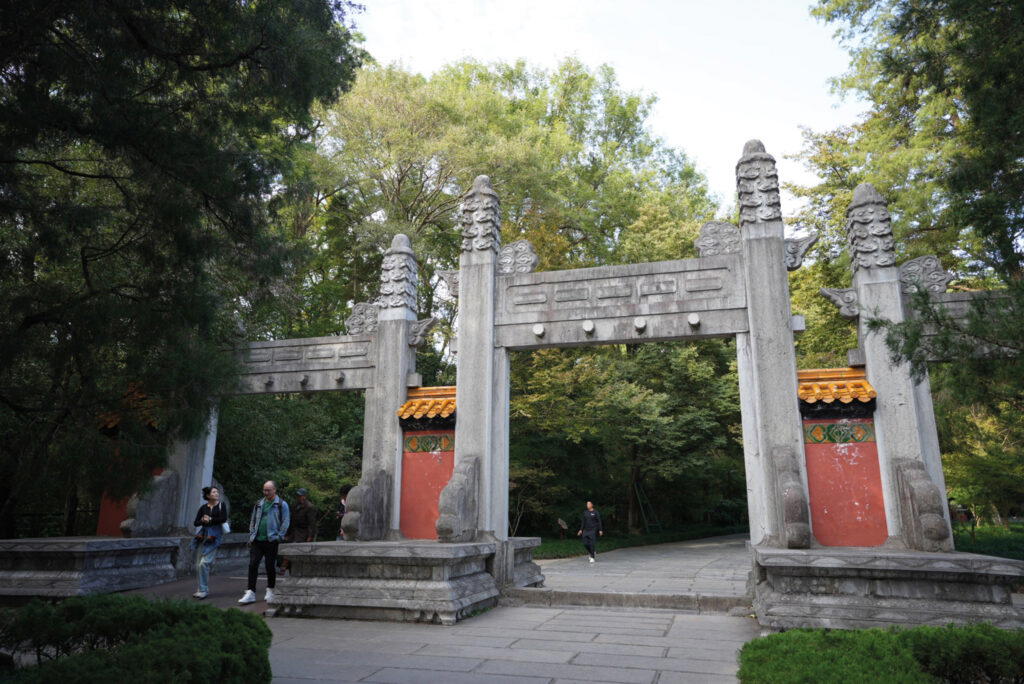
Purple Mountain boasts over 200 scenic spots, including 15 significant historical and cultural relics protected by the state.
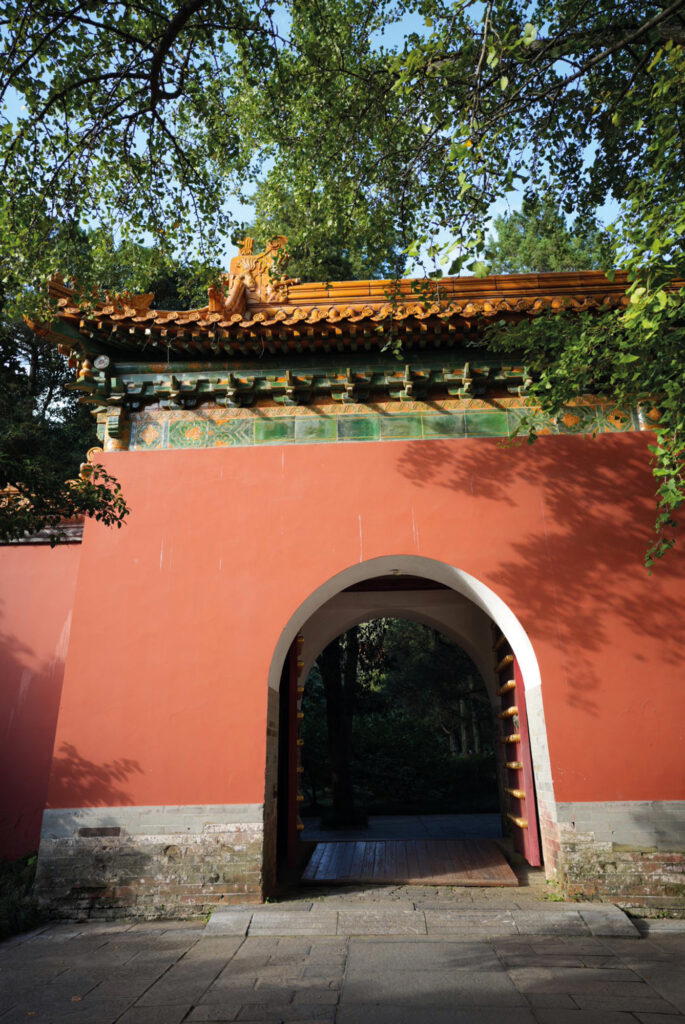
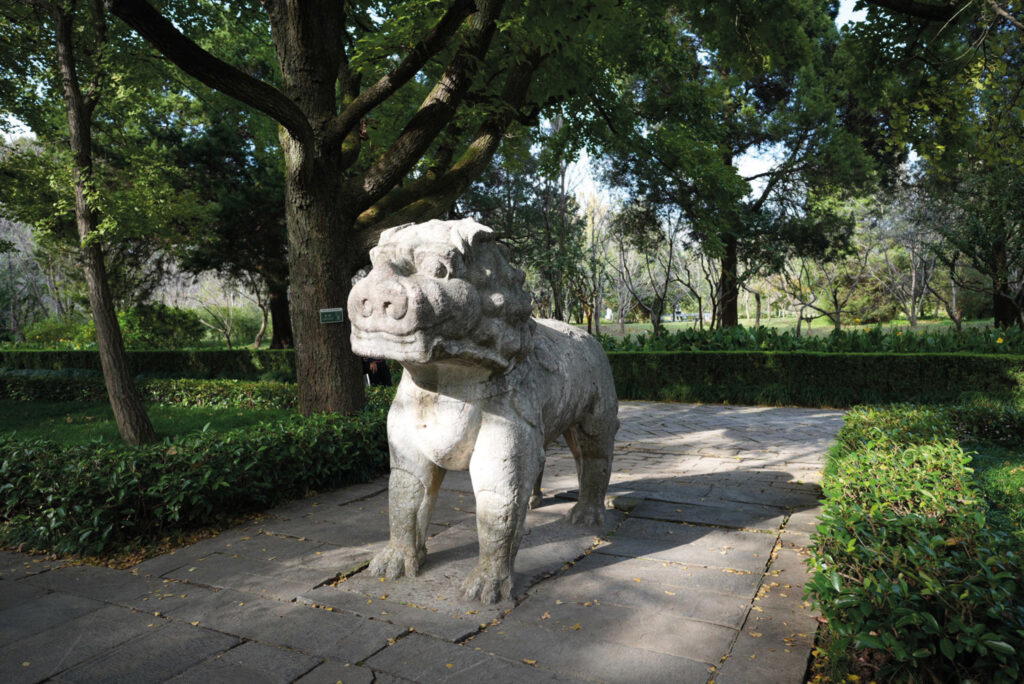
With only a few hours to spare, I walk to Xiaoling Mausoleum, the largest imperial mausoleum in Nanjing, which was built in 1381. Emperor Zhu Yuanzhang, the founder of the Ming Dynasty (1368-1911), and his empress were laid to rest here in 1398.
Renowned as “The First Imperial Mausoleum in the Ming and Qing Dynasties”, it significantly influenced the design of imperial mausoleums for the next five centuries. In July 2003, Unesco recognised it as a World Cultural Heritage Site.
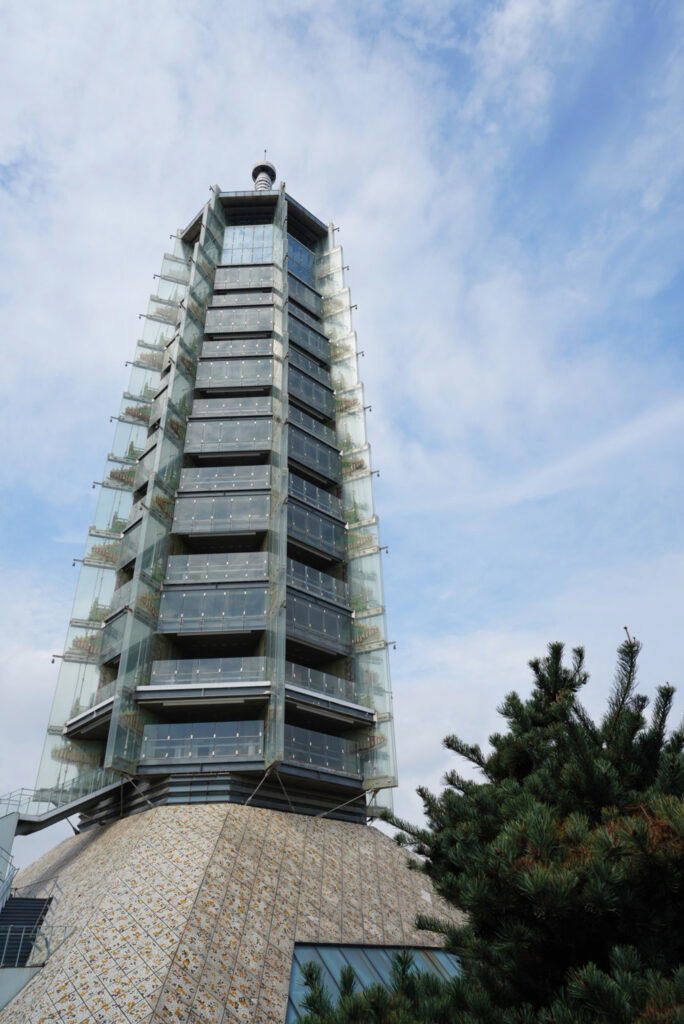
My journey ends at Baoen Temple, once hailed among the Seven Wonders of the Medieval Age and known as the Porcelain Tower. This nine-story structure, clad in white porcelain-covered bricks, would shimmer during the day and glow under the light of lanterns at night.
Construction began in 1412 and lasted 17 years. Named Baoen or Temple of Repaid Gratitude, it stood until the 1850s when it was destroyed during a civil war.
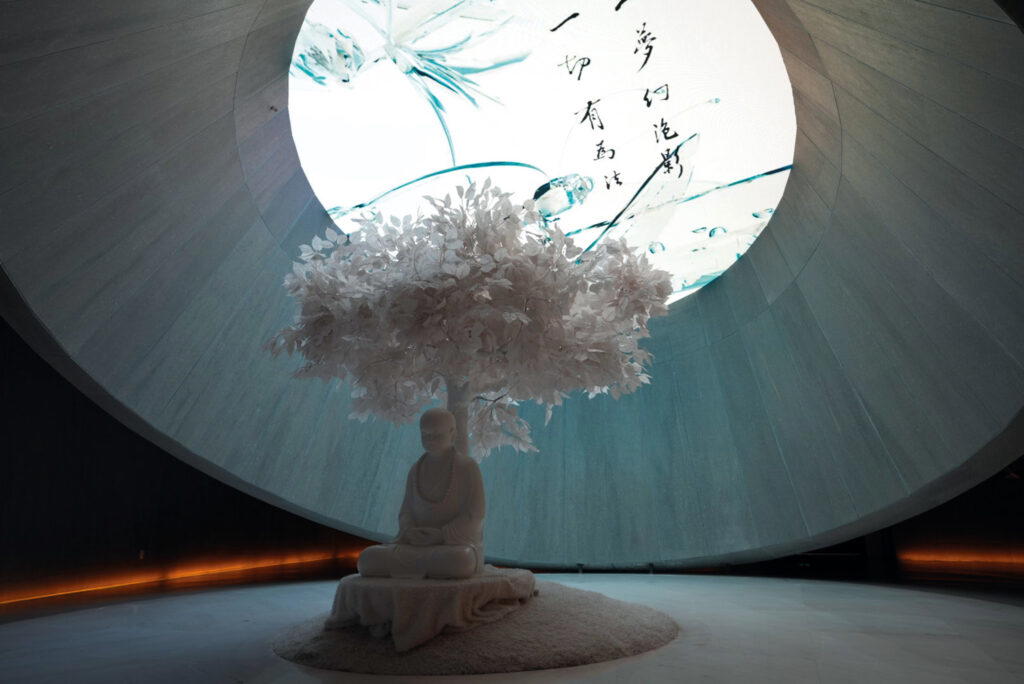
In 2007, archaeologists acquired permission to excavate the temple ruins. A year later, a significant discovery was made: a golden box believed to contain a piece of the Gautama Buddha’s skull, along with other precious relics. This discovery sparked a movement to rebuild the tower and establish Porcelain Tower Heritage Park.
Hangzhou and Nanjing, two ancient cities steeped in history and natural beauty, offer a captivating glimpse into China’s rich past. Both also offer a unique blend of cultural experiences, historical sites, and stunning landscapes, making them essential stops for any traveller seeking to delve into China’s rich heritage.