By sheer coincidence, a wave of pop-up exhibitions that fused culture and commerce recently hit our shores. In conjunction with their stopovers, the luxury fashion and watch houses joined forces with local artists and industrial designers to produce artworks that present fresh takes on their cult classics.
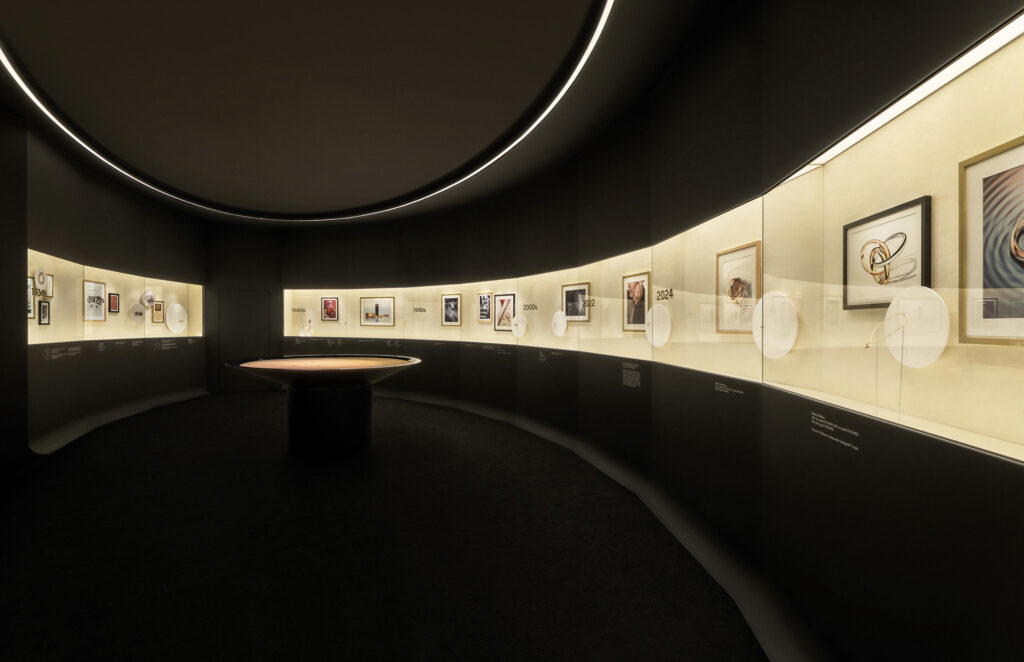
In July, Cartier celebrated the Trinity collection’s 100th anniversary with its travelling exhibition ‘Trinity 100’ at The Arts House, formerly the Old Parliament House. Seven rooms were interconnected by the history and cultural legacy of the Trinity rings.
Cartier’s show also featured the debut of ‘Infinite Circles’, a curated project by Jérôme Sans that featured over 100 artworks. Among the global talents invited to create pieces that engaged with the iconic Trinity concept, Singapore was represented by industrial designer Olivia Lee, filmmaker He Shuming, and pianist-composer Churen Li.
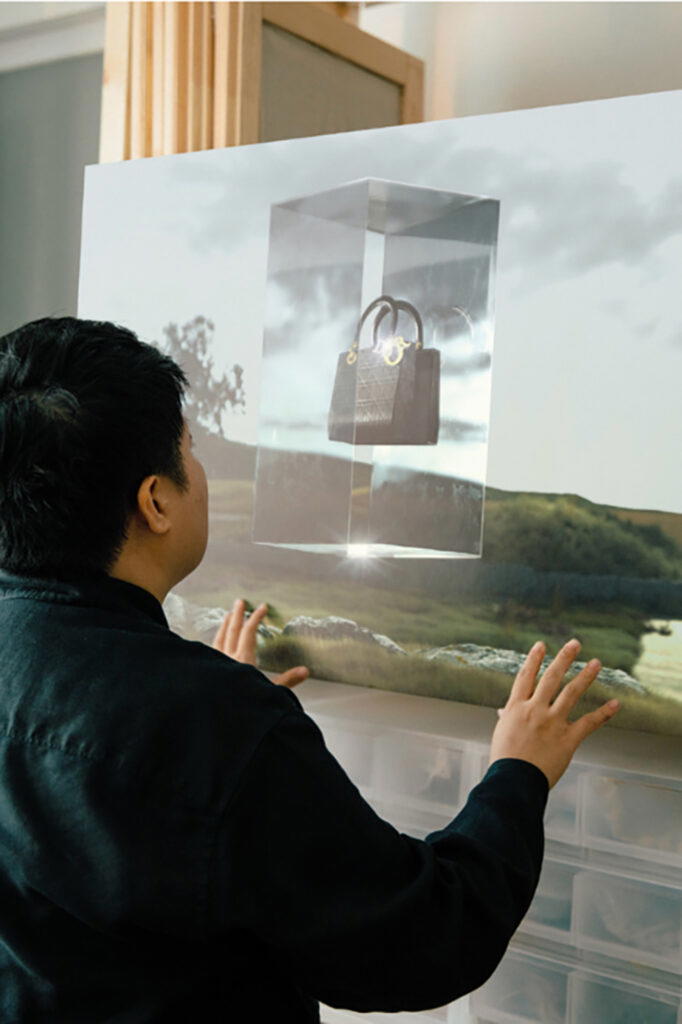
Meanwhile, Dior’s ‘Lady Dior House’ opened at Jiak Kim Street for 24 days during July and August. Continuing from Vietnam, the touring show presented the Dior Lady Art and Lady Dior As Seen By collections. Along with novelty items for sale, it featured more than 80 interpretations of the maison’s emblematic handbag by international artists. A notable feature of this edition was the inclusion of works by Singaporean artists Genevieve Chua, Grace Tan, and Samuel Xun. Each explored mediums ranging from digital printmaking to sculpture.
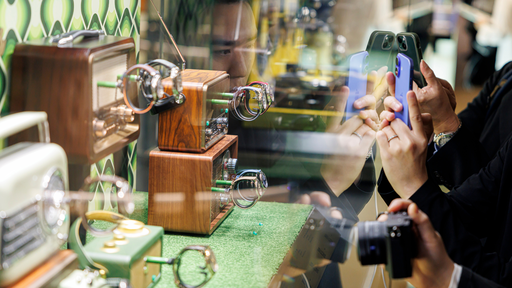
Vacheron Constantin also held its ‘From Geometry to Artistry’ exhibition in July, transforming all four floors of a heritage Bukit Pasoh shophouse into a showcase of the Swiss watchmaker’s meticulous design process. Its novelties from Watches & Wonders Geneva 2024—the Egerie, Traditionnelle, and Overseas—along with some exceptional pieces, demonstrated the high level of horology and artistry required to construct luxury watches.
In cracking the formula for successful collaborations, each spectacle hybridised traditional retail spaces with exhibition-going norms from the art world. As one of the major cities for these activations, Singapore signifies the luxury world’s interest in developing an arts and culture roadmap for the region.
Anne Yitzhakov, Managing Director of Cartier Singapore, Malaysia and Asean, describes South-east Asia as a region with a rich cultural and historical heritage. Elaborating on the strategic choice of Singapore, she cites its discerning and knowledgeable customer base.
“This dynamic environment demands that luxury maisons maintain a competitive pace to sustain their presence. With the Trinity collection being featured in literature, art, and film over the years, it has become a cultural icon. No longer just a product collection, it is synonymous with instinctual shared stories and relationships,” says Yitzhakov.
As conglomerates gain legitimacy as art patrons, it doesn’t faze us that the nexus of luxury, art and design is “happening against a backdrop of cultural levelling” to quote Natasha Degen, author of Merchants of Style: Art and Fashion After Warhol. Mass and elite tastes are no longer segregated, and the days when “selling out” was frowned upon and “commerce” was considered a dirty word are long gone.
The luxury fashion industry, however, is currently oversaturated with co-brand and cross-disciplinary collaborations. As per Highsnobiety, “collaboration overdrive” has reached the point of absurdity in the past decade.
From Louis Vuitton’s infamous Jeff Koons series to the Balenciaga x Alipay T-shirts, rolling out collaborations that stand out for the right reasons is challenging. Some resonate with artists and capture the public’s imagination, while others raise ethical and artistic concerns.
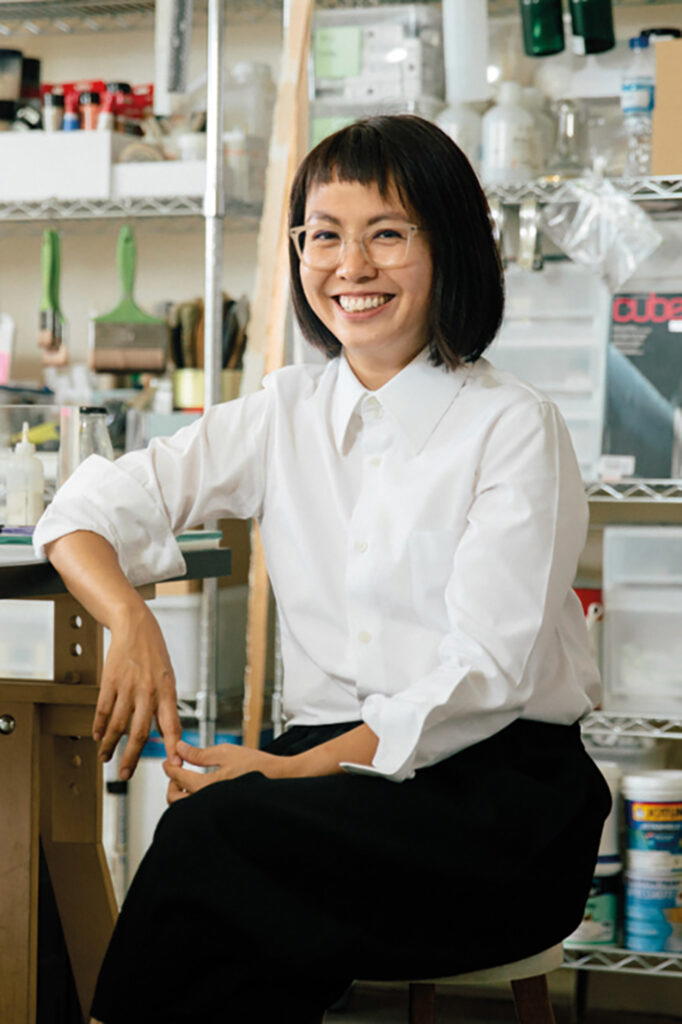
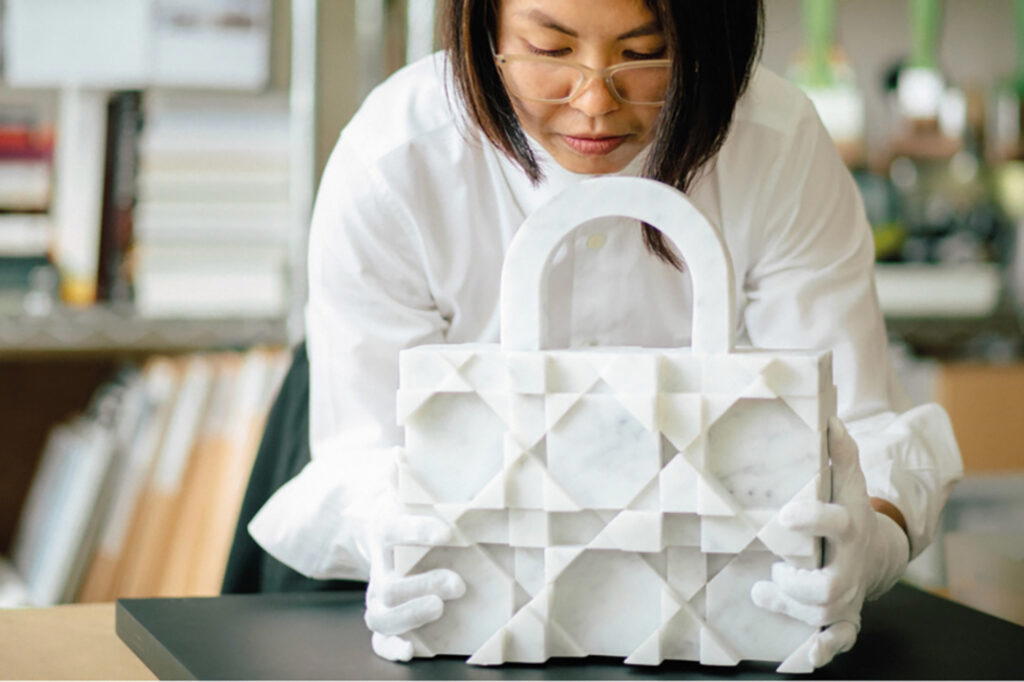
With Singapore’s creatives having more access to such opportunities, just how beneficial these ventures are is open for debate. In the eyes of multidisciplinary artist and designer Grace Tan, her collaboration with Dior was a great opportunity for her to revisit her fashion training and reaffirm her interest in materials.
Her sculptural interpretation delved into the three-axial woven structure of the padded cannage leather pattern and its bold geometric proportions that made the Lady Dior an iconic object. “My practice is very much about materiality and the working process,” says Tan. “Learning how the Lady Dior is crafted reignited my deep respect for the dedicated artisans who bring out the beauty of the materials they work with.”
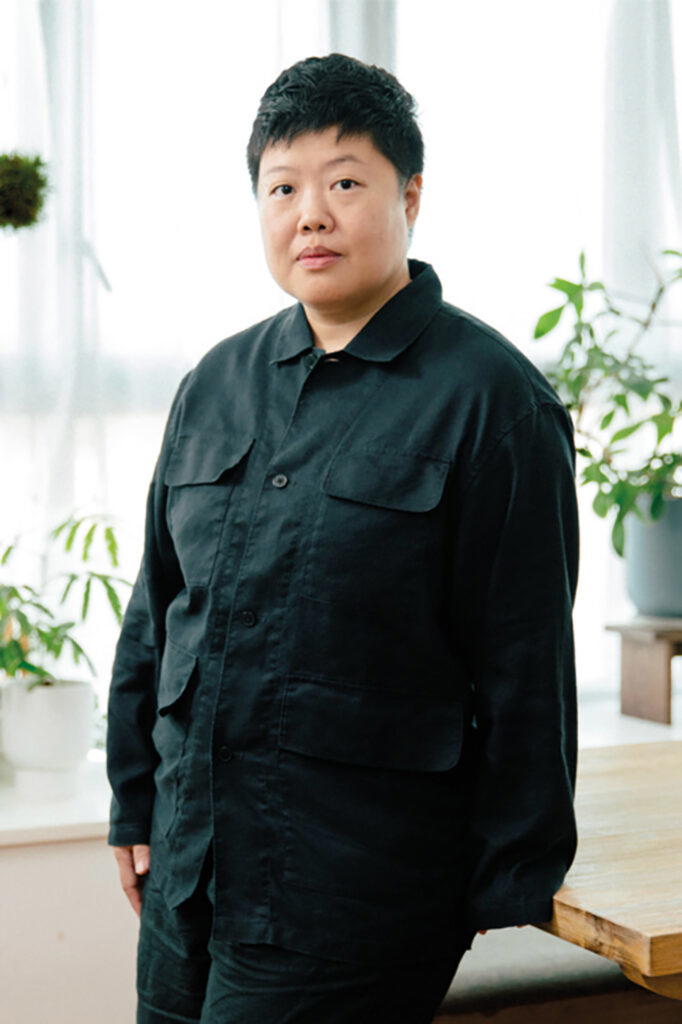
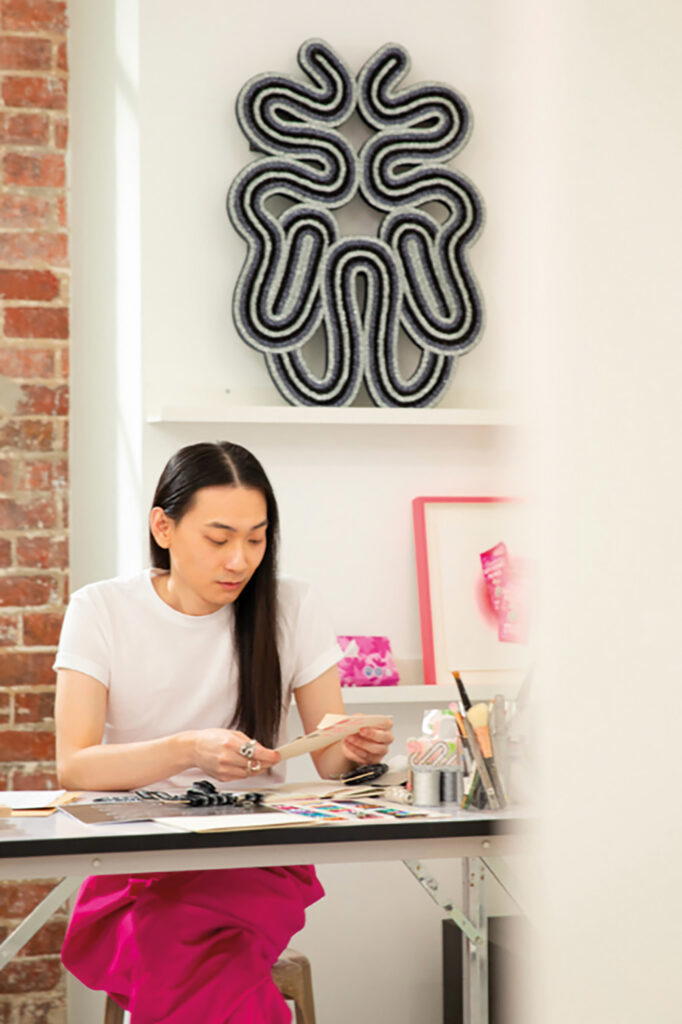
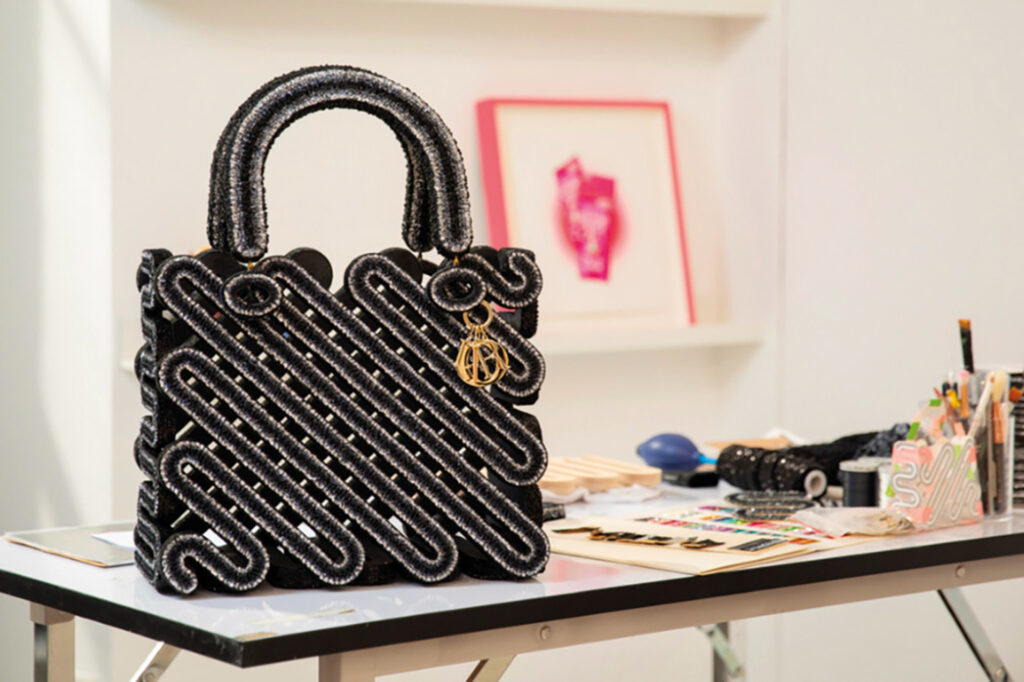
Similarly, Genevieve Chua, a painter who works primarily through abstraction, believes artist-brand collaborations offer opportunties for creatives to reflect contemporary concerns and show what the future holds for a label. The Dior project also created room for symbiosis and interaction between the artisans who work on the handbag and her digital rendering.
“I appreciated the opportunity to explore new mediums and contexts through this crossover,” says Chua. “This allowed for creative experimentation, resulting in forms that disregard function or build relationships with the body. Both disciplines are crucial to the way we relearn standards of beauty.”
Multidisciplinary visual artist Samuel Xun says the sudden boom in cross-disciplinary unions helps to increase the visibility of artworks and their makers and processes as a whole. “When collaborations are done right, the results are mutually beneficial, even magical. I viewed this Dior collaboration as more of a respect for our work and practice,” Xun says. “We were allowed to reinterpret a house staple as local artists, something brands rarely offer up for artistic deviation. A house that respects its collaborators—that is what I am interested in.”
Participating in more of such projects is something some artists embrace, while others wait for the right moment and place to do so. Authenticity was a priority for Xun. “Artworks don’t just materialise, even if they’re collaborative commodities,” shares Xun. “If I were to dedicate my time and effort, the potential artwork has to make sense for my artistic practice.”
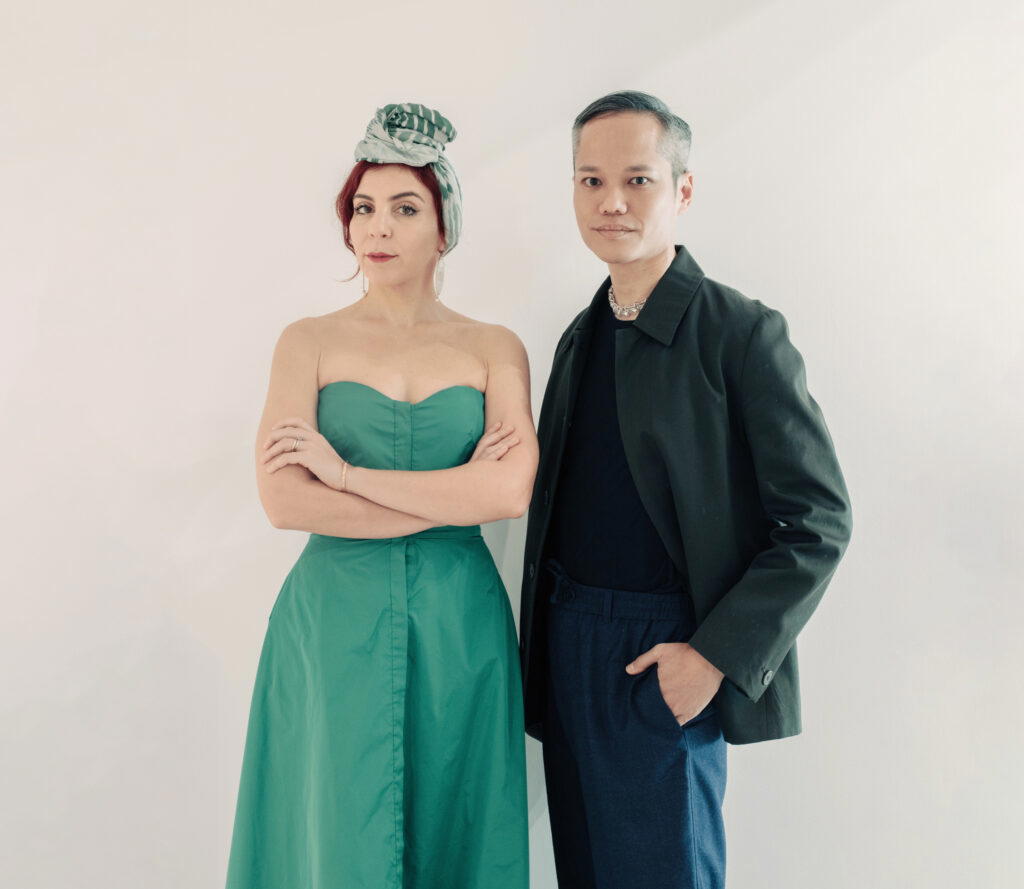
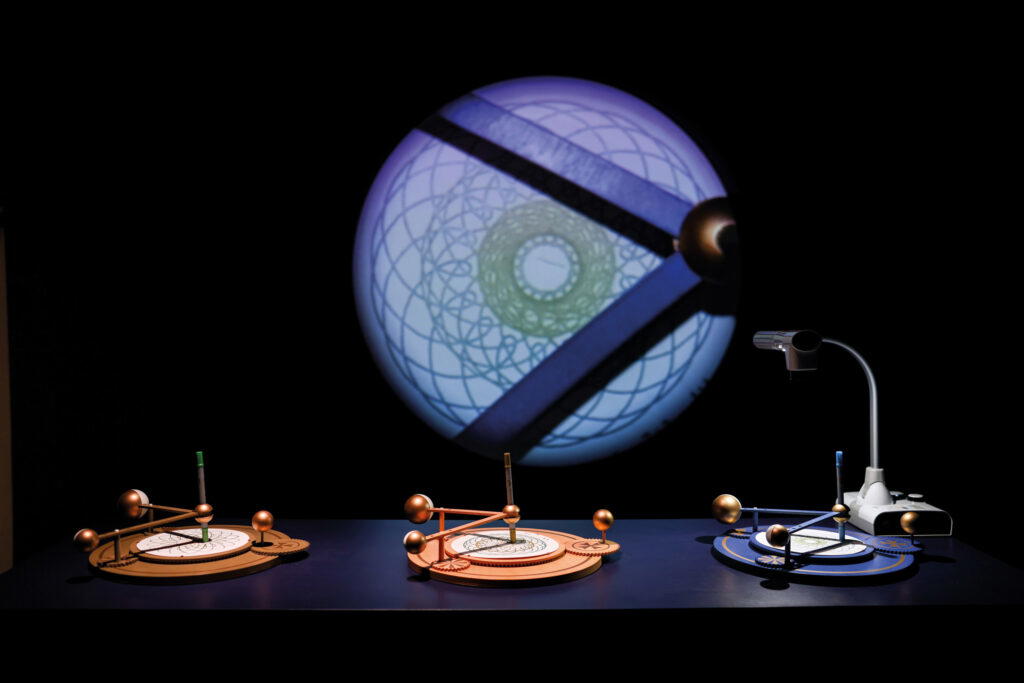
The same goes for Lanzavecchia + Wai, an industrial design consultancy based in Italy and Singapore. Founded by Francesca Lanzavecchia from Italy and Singaporean Hunn Wai in 2010, their renowned human-centred design approach has led to collaborations with Hermès, Zanotta, and La Triennale di Milano.
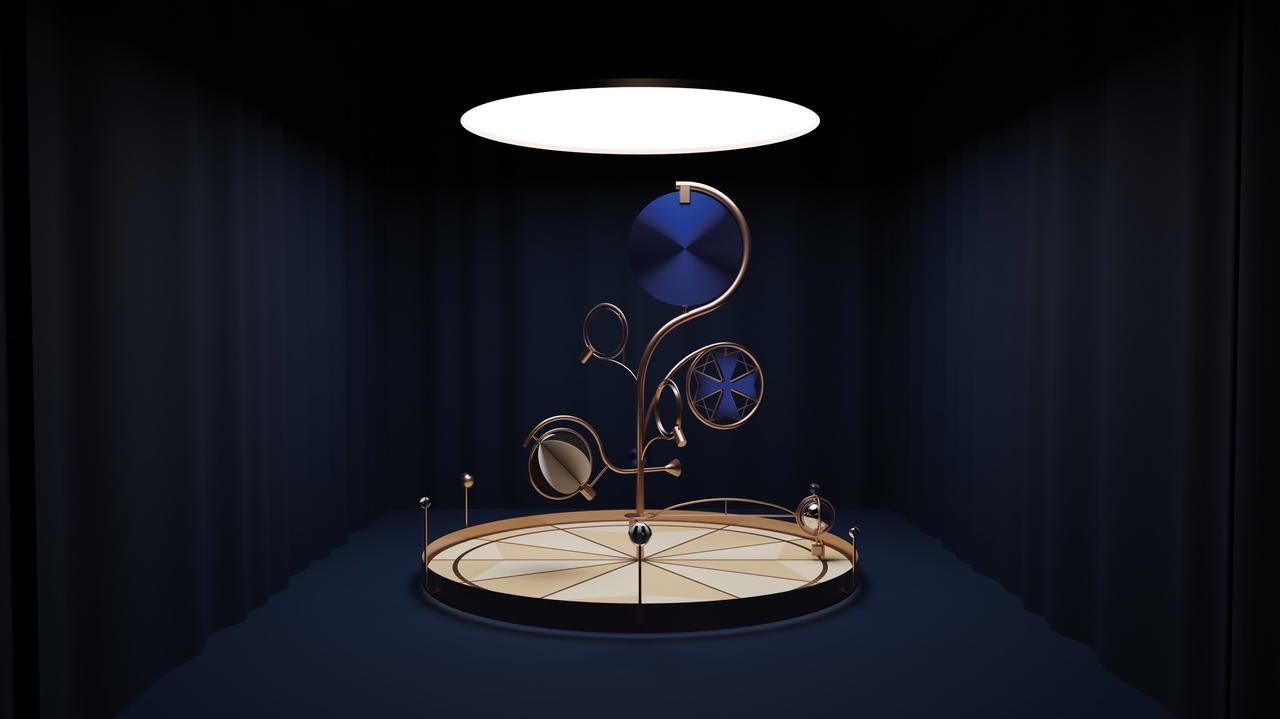
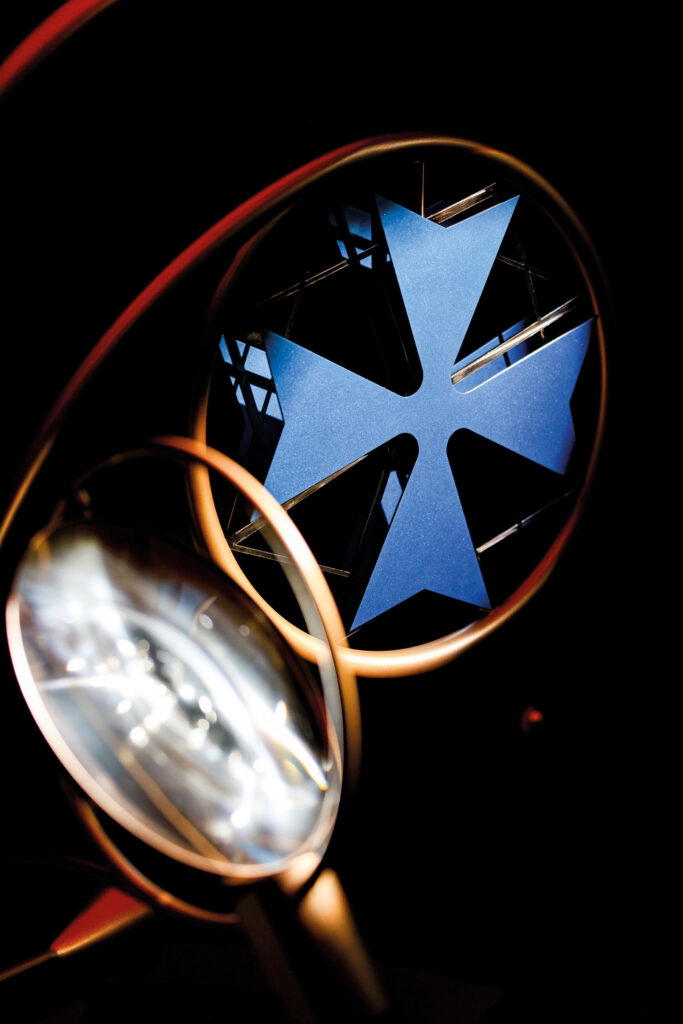
As practitioners of both design art and industrial design, working on the kinetic art installation Le Bonsaï for Vacheron Constantin enabled them to explore horology’s rich history, choreography and geometry in nature—both terrestrially and cosmologically.
“This collaboration affirmed our witty, high-craft approach. It indicated that our unique brand of auteurship, honed through our diverse creative journey, aligns well with storied marques like Vacheron Constantin,” says Wai. “This opens up poetic and expansive possibilities for translating and re-framing brand stories into unforgettable experiences through our creative lens.”
For the duo, the convergence of commerce and artists represents a healthy evolution of brand expression and communication. “In an era of global campaigns and social media’s intensity, there’s excitement when luxury brands create a serendipitous feeling that extends beyond their traditional brand identity, connecting more deeply with their audience,” explains Lanzavecchia. “The world of luxury automotives is also an area that deeply fascinates us. We believe there is considerable potential for brand collaborations and art experiences within haute horology.”
When it comes to the collaboration equation, it’s safe to say that we’re currently in a win-win situation. However, when creatives are repeatedly courted by brands, they must maintain their credibility and navigate partnerships cautiously. With the fashion, art, and design industries taking leaps of faith and tying their fortunes together, the challenge now is to think about which artworks are winning corporate support and how those that haven’t can achieve the same.