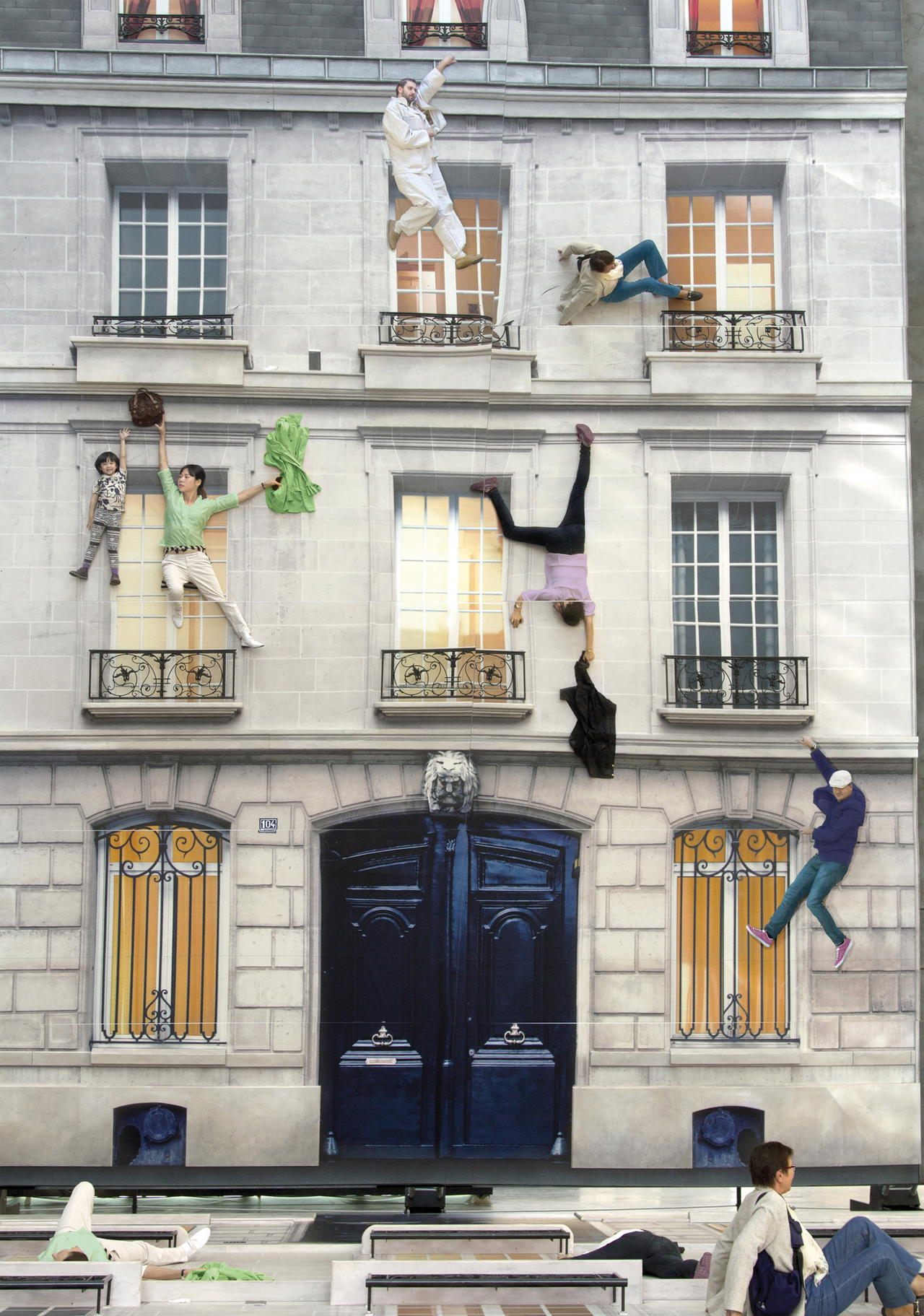
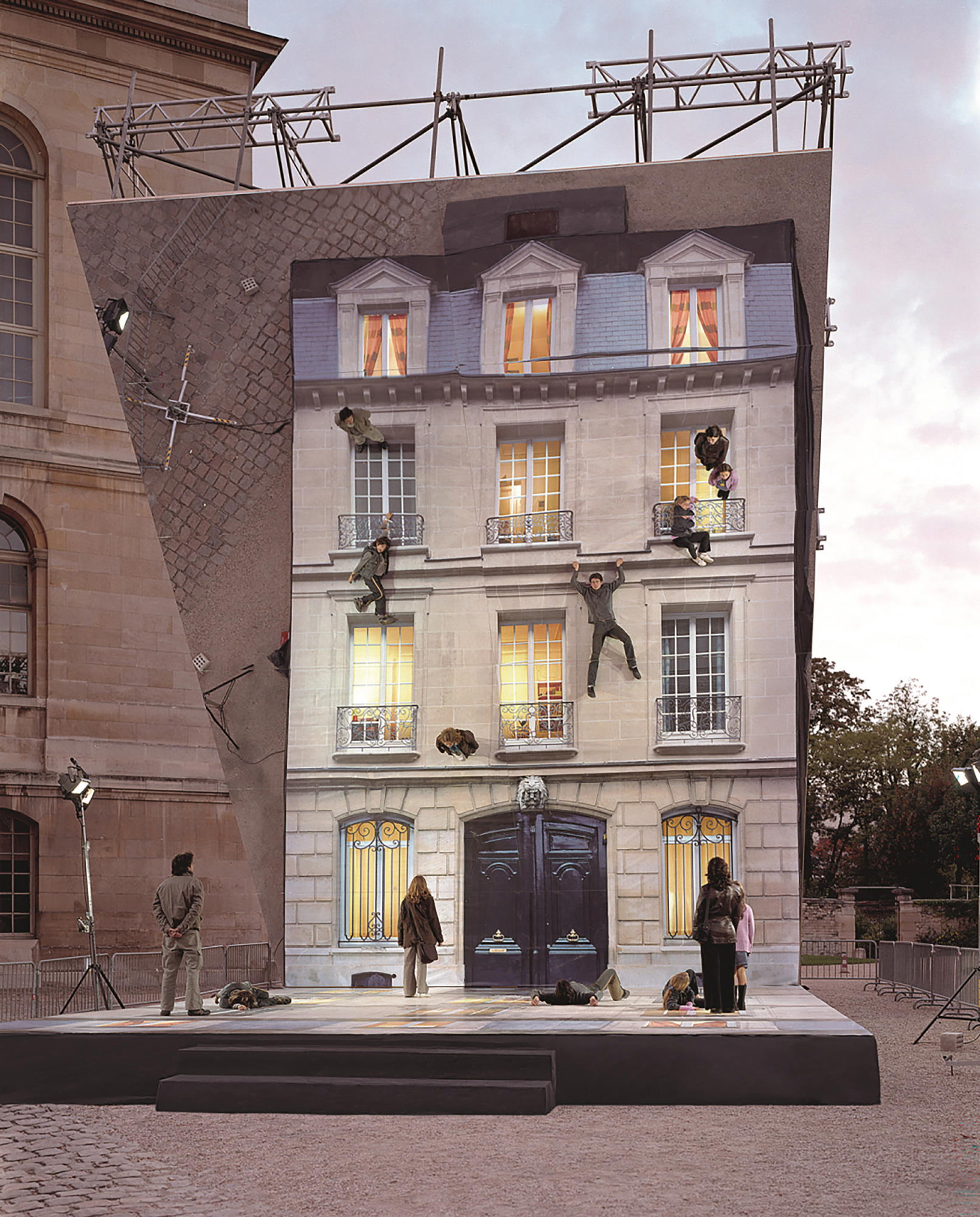
I am dangling from a window ledge several storeys above a Paris street. Around me, visitors cling to balconies, crawl across stone facades, and strike improbable poses worthy of an action film—except nobody is in danger. The building is horizontal, the sky is a mirror, and the laws of gravity have quietly stepped aside.
This is ‘Bâtiment’ (or “Building” in English; 2004) , one of Leandro Erlich’s most celebrated works. Like the artist himself, it begins with a simple question: what if reality is not quite as stable as we think?
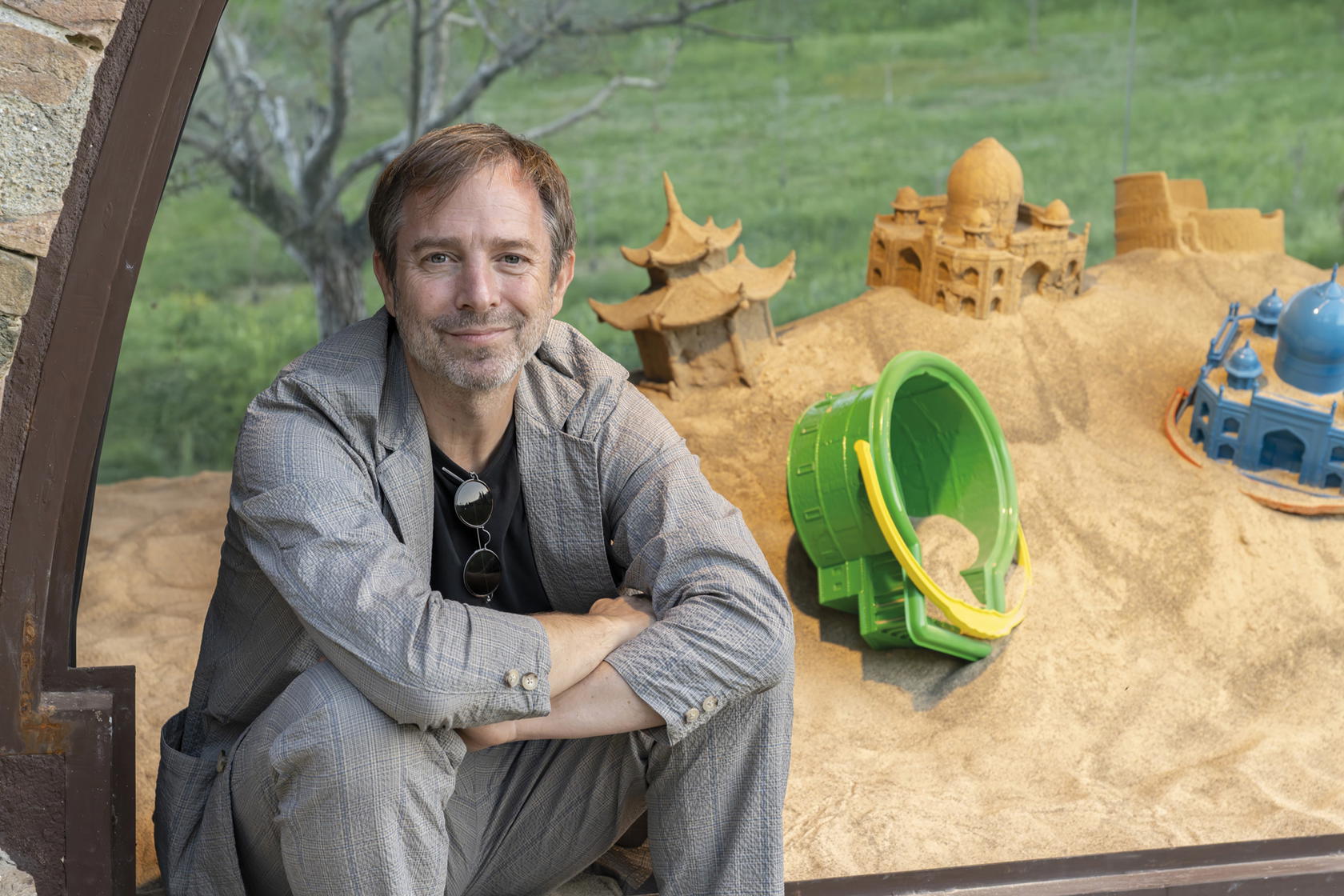
That query has guided Erlich’s career for more than three decades. Born in Buenos Aires in 1973 into a family steeped in architecture and science, he grew up amid conversations about space, structure, materiality, and the natural world. His father, aunt, and brother were architects; his mother was a geologist. As a child, he drew constantly, built objects and imaginary worlds, and observed everyday life with unusual intensity.
Today, Erlich is one of the most recognisable artists on the global stage, creating immersive installations that attract hundreds of thousands of visitors from Tokyo and Miami to Milan and Helsinki. Yet despite the spectacular scale of his work, his starting point remains remarkably ordinary.
DO YOU SEE WHAT I SEE?
“Architecture is probably the most direct physical expression of human thought,” he says. “We inhabit architecture constantly yet we stop seeing it. Buildings become invisible through familiarity. I am interested in taking these structures that define our daily lives and displacing them just enough so they become strange again.”
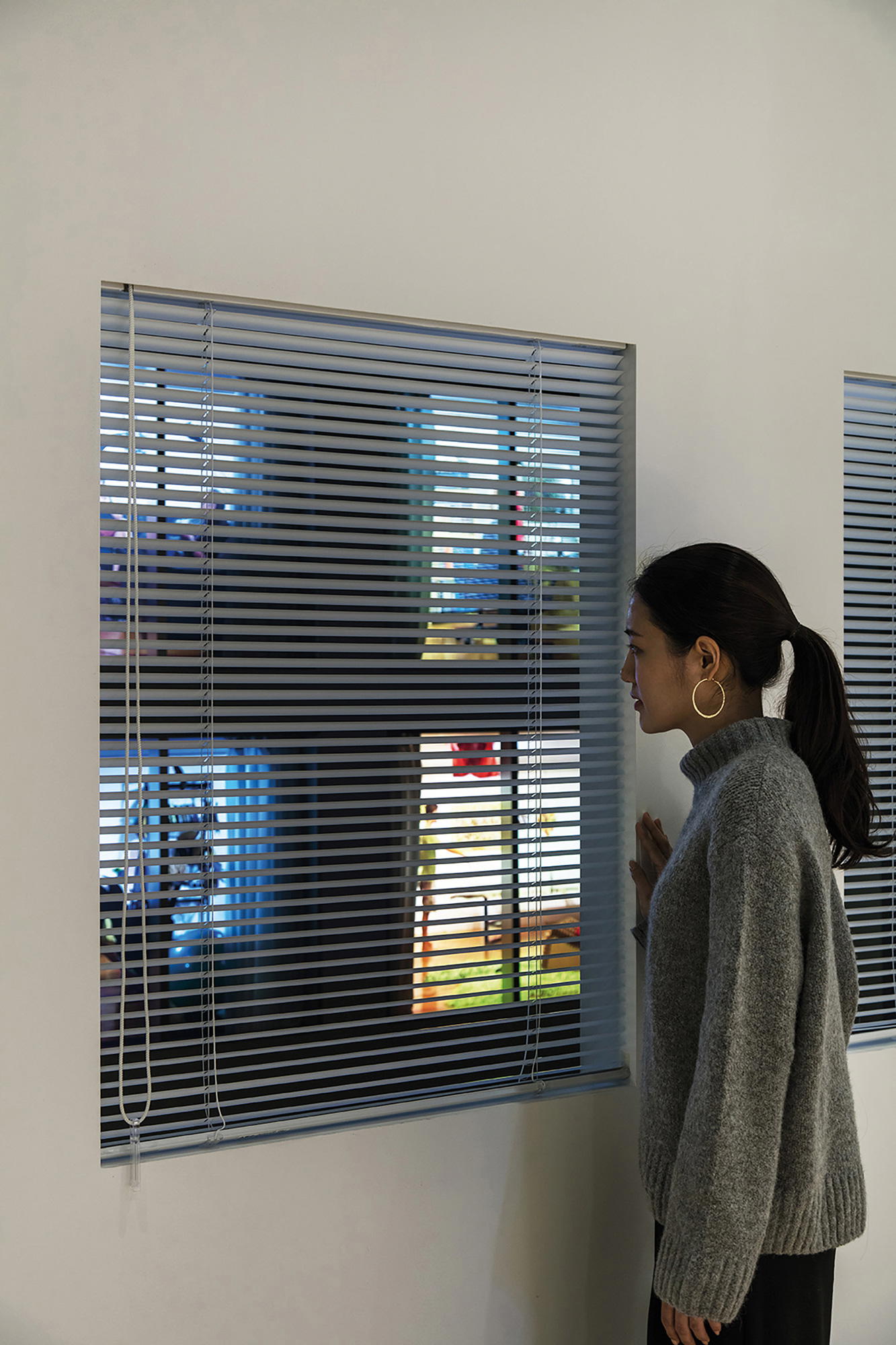
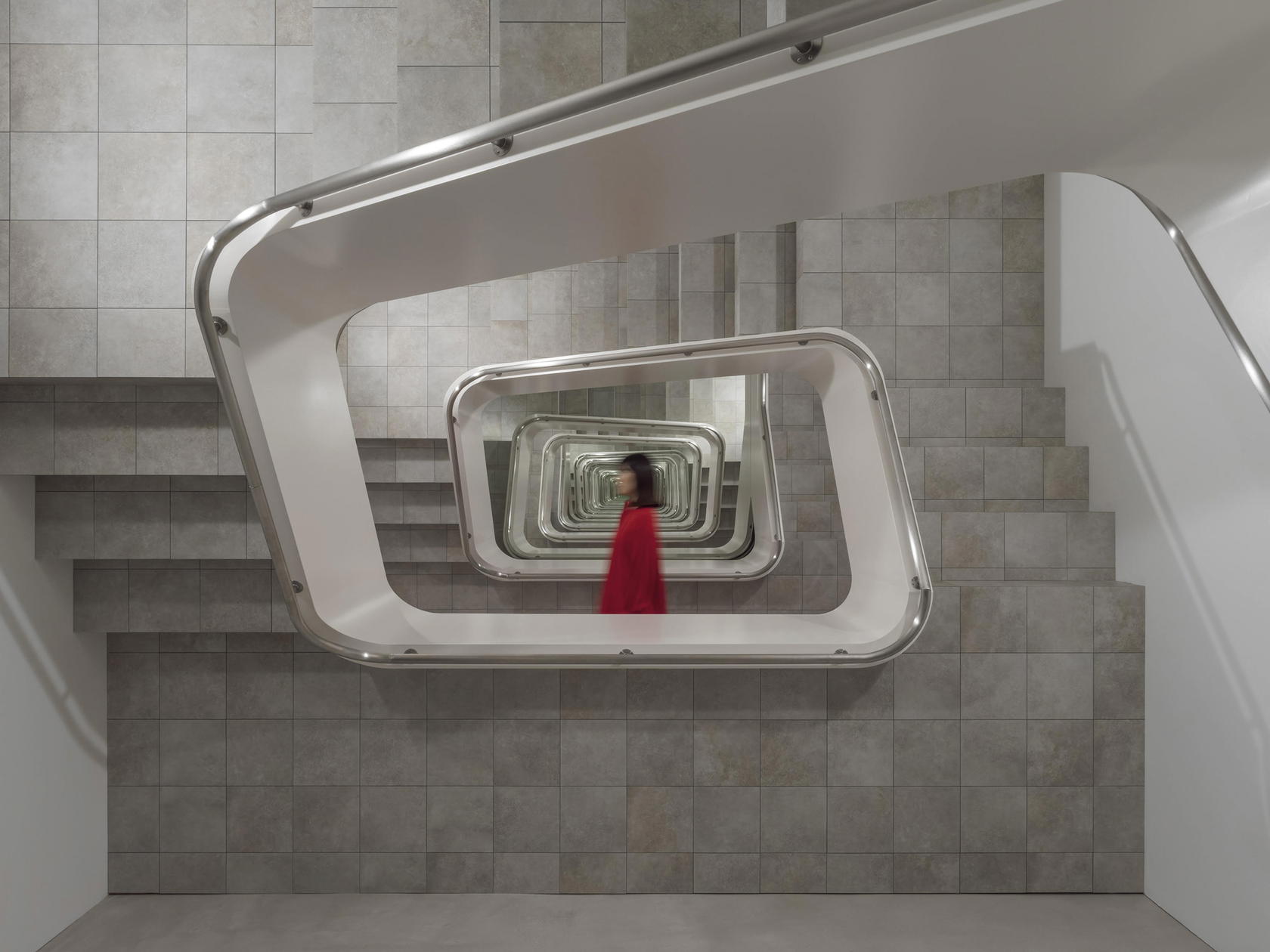
Elevators, swimming pools, classrooms, windows, staircases, and apartment blocks populate his artistic universe. Everyday objects are shifted ever so slightly off axis until certainty gives way to doubt. Visitors enter what appears to be a recognisable environment only to discover that something fundamental has changed.
“When something familiar becomes unstable, we begin to look at it differently,” Erlich says. “By transforming them, I am also exploring the systems of belief embedded within them.”
The result is a unique artistic language that combines architecture, sculpture, engineering, optics, mirrors, water, resin, metal, and meticulous fabrication. However, the technology is never the point. Unlike a magician, Erlich is not interested in preserving the illusion at all costs: “The revelation is part of the work. I’m not interested in fooling people permanently.”
DISCOVERY IS THE EXPERIENCE
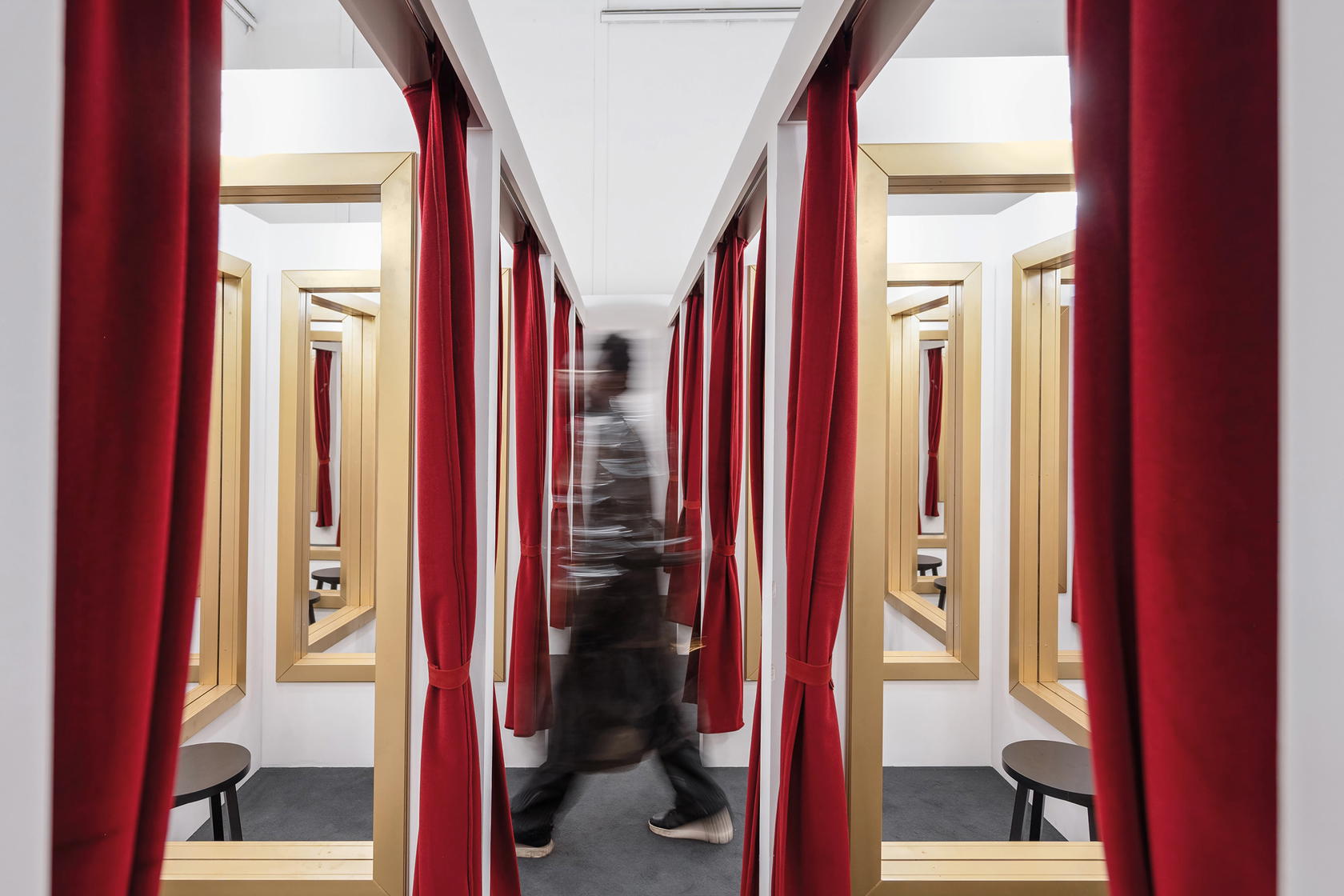
Indeed, one of the most intriguing aspects of his practice is that he often allows viewers to unravel exactly how the trick works. The moment of discovery marks the beginning of a deeper experience.
“Once the viewer understands how something works, another layer of reflection appears,” Erlich explains. “The work shifts from surprise to awareness.” That approach feels especially relevant in an era shaped by artificial intelligence, misinformation, and increasingly blurred boundaries between truth and fiction.
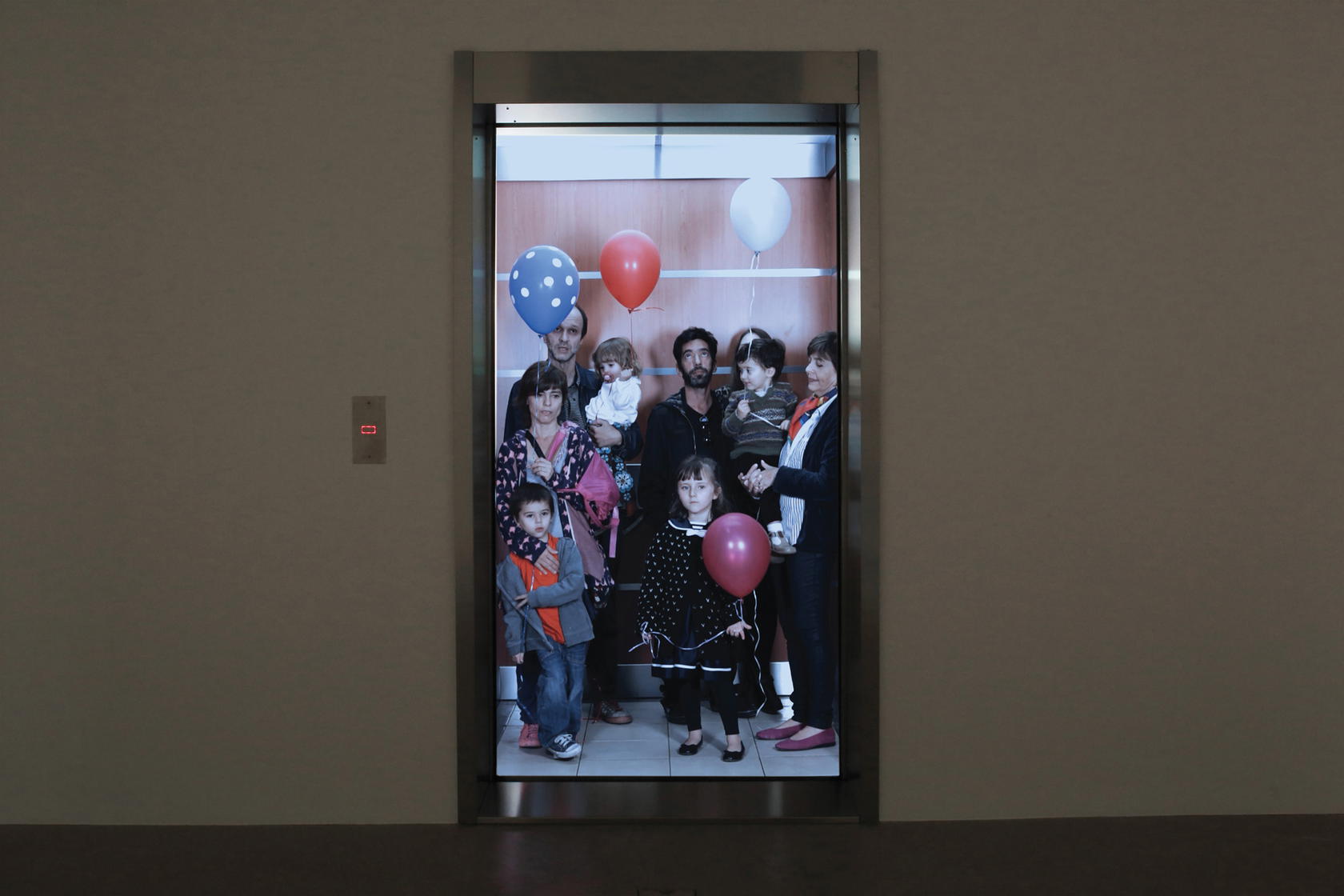
Long before these became daily concerns, Erlich was exploring the fragile mechanisms by which we construct reality. “My fascination with perception probably stems from childhood, when I was drawn to mirror reflections, optical effects, scale shifts, dreams, and cinema.
“Over time, I realised that illusion is not simply a visual game; it can be a philosophical tool. Illusion in my work is not an escape from reality but a way of questioning how reality itself is constructed.”
Audience participation is central to that mission. Invited to step inside Erlich’s installations, visitors become performers, collaborators, and, in many cases, the artwork itself.
“The participation of the viewer is essential because the work is incomplete without human presence. The body activates the piece,” he says.
That philosophy informs his first major retrospective in Paris, on view through 6 September 2026 at the Grand Palais. Across three galleries, the show gathers life-size or large-scale immersive installations, maquettes, and archival materials that recast everyday architecture into perceptual puzzles.
Buildings can be climbed. Clouds are trapped between glass panes of glass. Lifts lead nowhere. Boats float without water. The works are intellectually rigorous yet instantly accessible, playful yet philosophical. Visitors come for the spectacle and depart questioning their assumptions.
REALITY IS NEVER FIXED
Yet Erlich’s ambitions extend well beyond museums and galleries. Few works illustrate this better than ‘Concrete Coral’ (2025), his permanent contribution to Reefline, a pioneering underwater public sculpture park and hybrid reef in Miami Beach. Submerged 6m beneath the ocean surface, it comprises 22 concrete cars arranged as a surreal subaquatic traffic jam.
Over time, these vehicles will become habitats for marine life, part of an inspired artificial reef designed to support coral growth, biodiversity, and coastal resilience. “The choice of cars is metaphorical,” he notes. “Once carriers of pollution and speed, they now become vessels of regeneration.”
“When something familiar becomes unstable, we begin to look at it differently.”
The transformation is characteristic of his thinking: a symbol of congestion becomes a living ecosystem, art becomes infrastructure, and a warning turning into hope.
Meanwhile, his concurrent exhibition “Hybrids”, presented as a collateral event of the 2026 Venice Biennale, continues his investigation into the overlap between nature, humanity, and technology. Here, corals become urban structures, trees acquire anthropomorphic traits, and bodies merge with objects. It is another chapter in a career defined by displacement, ambiguity, and the productive tension between what we believe and what we see.
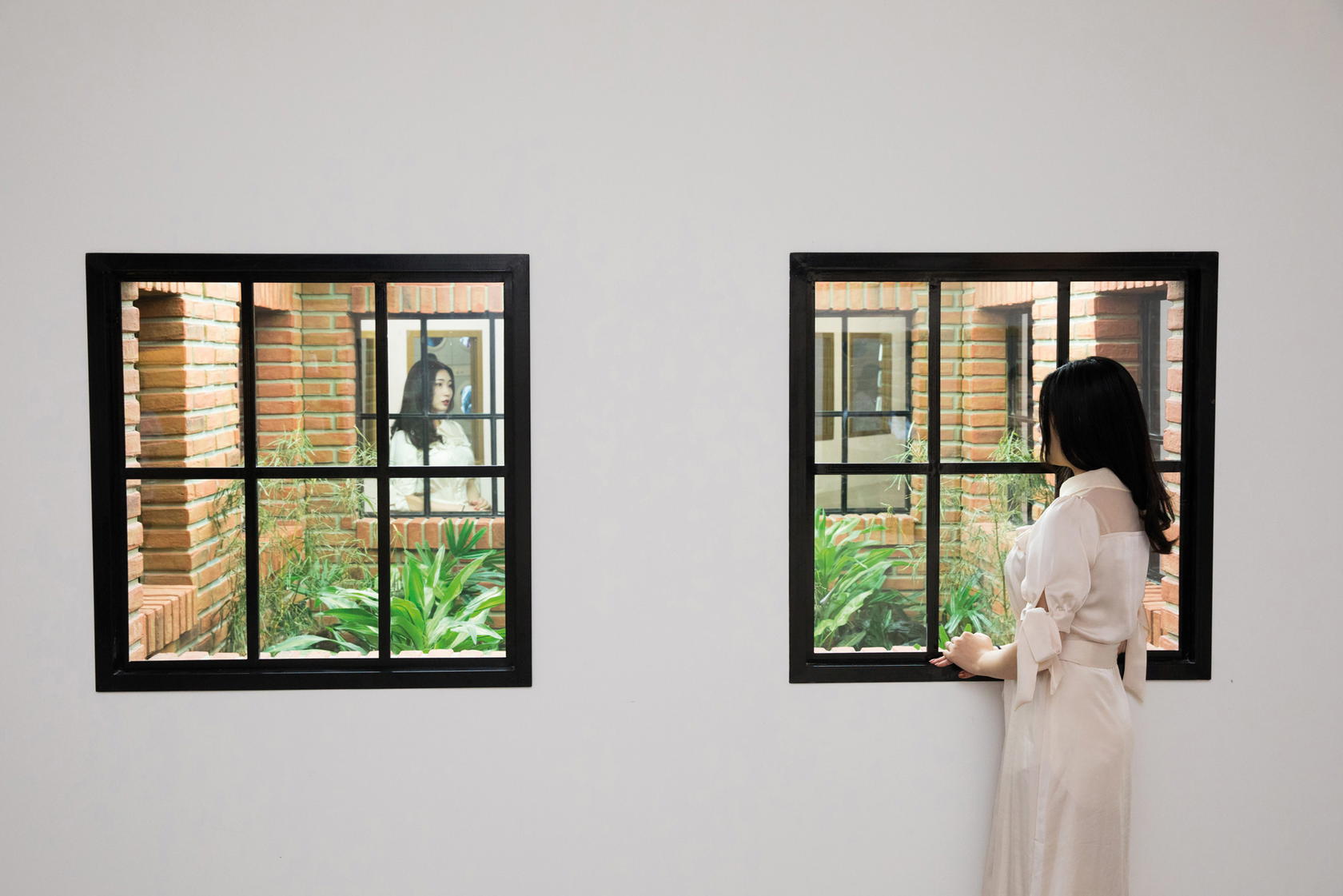
“Art can slow perception down and destabilise what we take for granted,” Erlich concludes. “If something remains after the installations disappear, I hope it is a subtle shift in how people look at the world around them.”
In his view, reality is never fixed. It is negotiated, constructed, and continually open to revision. His works do not ask viewers to flee from the world; they ask them to look at it again. After hanging impossibly from the facade of ‘Bâtiment’, it becomes surprisingly hard not to.