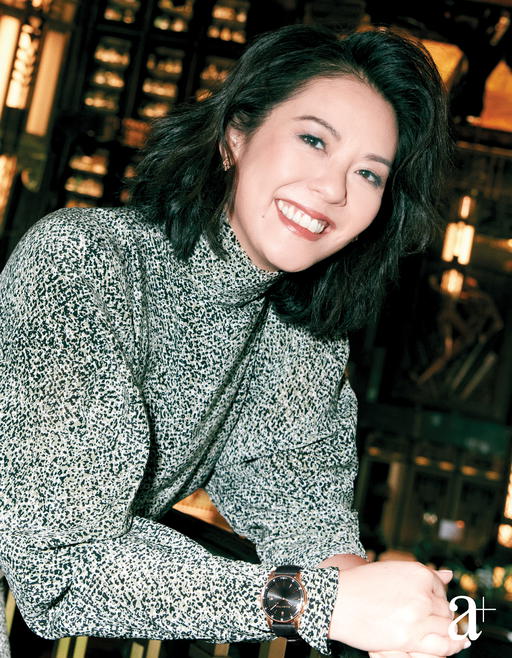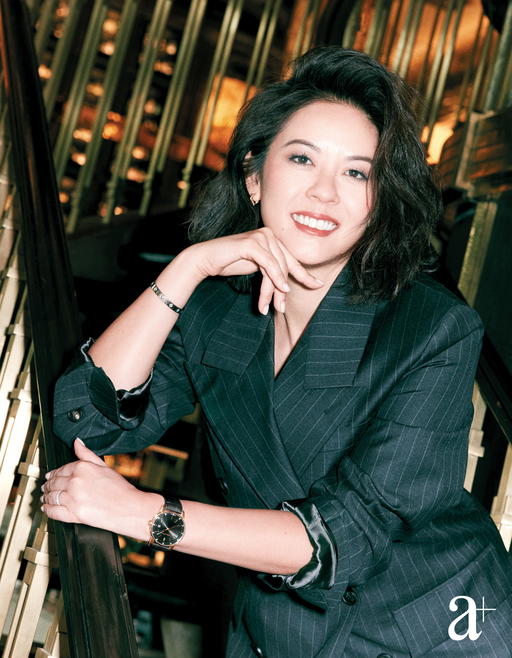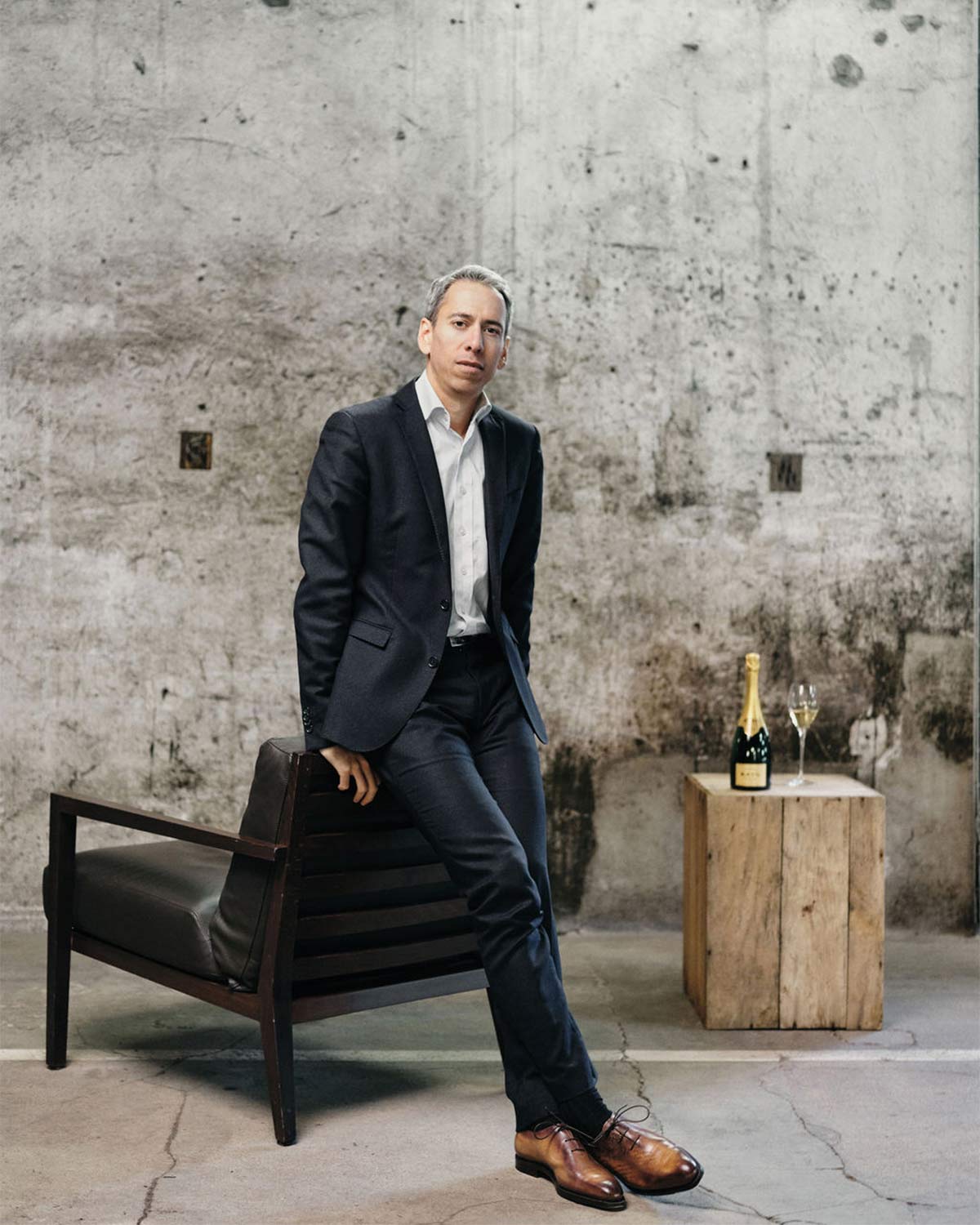
Manuel Reman loves telling the story of the first time he tasted Krug. The year was 2002 and he was with his wife at La Grande Épicerie de Paris, an iconic food hall serving some of the best in the city, for a tasting. “It was an older edition of Krug Grande Cuvée and such an unforgettable experience for both of us. I still recall the flavours and aromas,” says Reman.
Life has a way of coming full circle. Having worked in Champagne since 2004 and indirectly with Krug since 2016, Reman now leads the House of Krug, ascending to the throne in April 2022. He’s been guiding the maison marvellously and has no plans to change how Krug makes champagne.
“I like to quote Julie Cavil. When she became our cellar master, after 14 years of working alongside former cellar master Eric Lebel, everyone asked her what she wanted to change at Krug. Her reply? Nothing!” says Reman.
While the champagne is highly coveted, he has no plans to increase production—Krug represents only 0.2 percent of the Champagne region’s annual output. Instead, he wants to find new ways to enhance the tasting experience of champagne.
The house recently added Japanese composer Ryuichi Sakomoto to the Krug Music portfolio, a project that began in 2017 when research showed that music altered the taste of food and drink significantly.
Krug has poured more money into studying this phenomenon. Reman reveals that it has also explored left-field genres such as rap, jazz and electronic music for Krug Music, but made little headway. Lyrics, it seems, make pairings exponentially more difficult. Still, he doesn’t rule it out in the near future.
It employs a similar approach to attracting new, younger fans. Reman likens Krug to a close-knit family. You won’t hear words such as ‘strategy’ and ‘demographic’ in meetings. Instead, Reman and the team focus on values and relationships.
“Often, new Krug lovers discover us through another Krug lover: a parent, a relative, a sommelier. Randomness is rare. Some of our best ambassadors are the young talents we support—chefs, sommeliers, musicians. They make Krug shine in front of different audiences.”
And while many brands have begun incorporating sustainability into their business operations, Krug has focused on it from the start. Great champagne can only be created by preserving the terroir and environment.
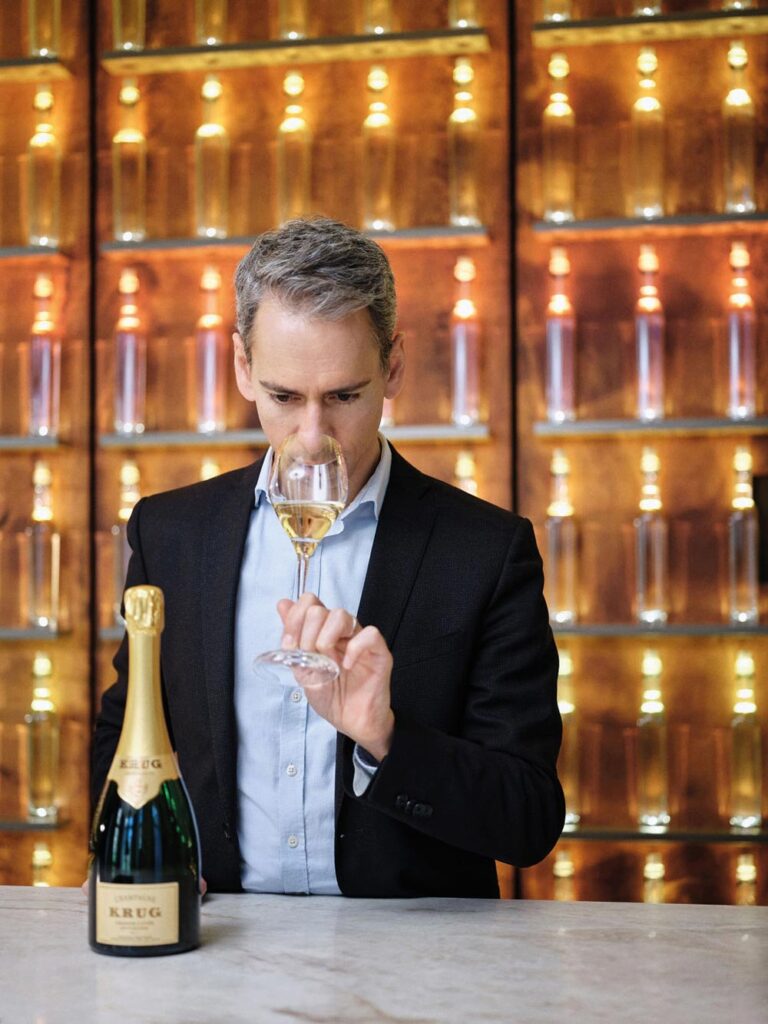
The vineyards never use herbicides or synthetic fertilisers on the vines. Plots are also fully planted with cover crops to curtail soil erosion. Additionally, it has launched initiatives to optimise energy consumption. “Our new equipment at our production sites consumes 50 percent less water. All waste is sorted and reused for energy. We also encourage and incentivise close partners to follow our viticulture,” says Reman.
He’s especially proud of a new eco-friendly gift box Krug has made. Requiring less energy to produce and avoiding overproduction and waste, the box is 100 percent sustainable.
The slow-burning approach might be unsatisfactory to shareholders, who demand unsustainable quarterly growth, but Krug remains steadfast to its principles—and it has paid off handsomely. New releases sell out consistently and oenophiles fervently sing its praises.
It is also serendipitous that Krug’s Parisian offices are above La Grande Épicerie de Paris, where Reman first drank a glass of Krug champagne.
On occasion, he will pour himself a glass of the Grande Cuvée after a long day at work and reminisce about that period. The Pixies’ Where Is My Mind? blares from the speakers in the background.
Reman is at home.