
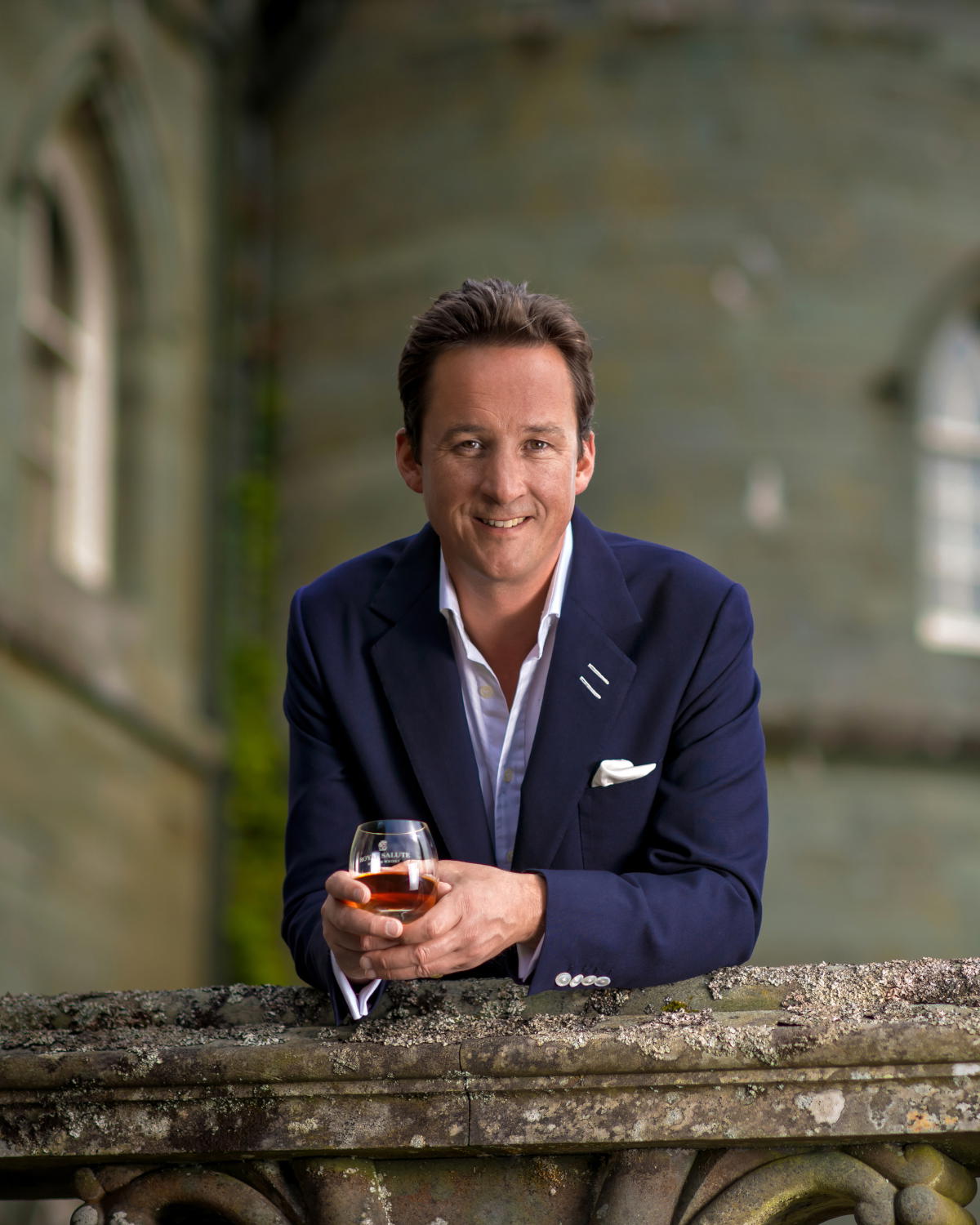
Few people have a connection to whisky the way Torquhil Campbell does. “Back in the day, every Scot produced whisky. It was just something they did in their garden shed. But the oldest piece of whisky-making equipment known was found in a castle that belongs to my family,” says the 13th Duke of Argyll.
Branding is a relatively new concept. Also the current Chief of Clan Campbell, historically one of the largest and most powerful Scottish Highland clans, the Duke says it is only in recent years that production has become commercialised. Clan Campbell at present produces its eponymous whisky, which he calls a home run. “It’s a leading brand in France. It’s big there.”
Given his lineage, he continues, working with whisky is a natural progression. It is why he is also the brand ambassador of blended Scotch whisky brand Royal Salute, and at the time of writing he is in town for the launch of its 62 Gun Salute collection.
It helps that he is a fan of the brand story. “It’s fantastic and true. We didn’t make it up. We haven’t gone to a brand agency to say, ‘Make up a story for something new’.”
What’s fantastic and true is that Chivas Brothers launched Royal Salute in 1953 to pay homage to Queen Elizabeth II on her Coronation day, and the Duke was her Page of Honour from 1981 to 1983. Named after the ceremonial 21-gun salute fired from the Tower of London to mark special royal occasions, its whiskies are aged for a minimum of 21 years.
“Whisky is one of Scotland’s greatest exports. To be able to work for a brand like Royal Salute, which is at the very pinnacle of whisky production, is a huge honour.”
The 62 Gun Salute collection, the brand’s luxury range, is named after the highest ceremonial honour in British royal tradition and features a series of three whiskies blended with over 50 of Scotland’s oldest and rarest whiskies.
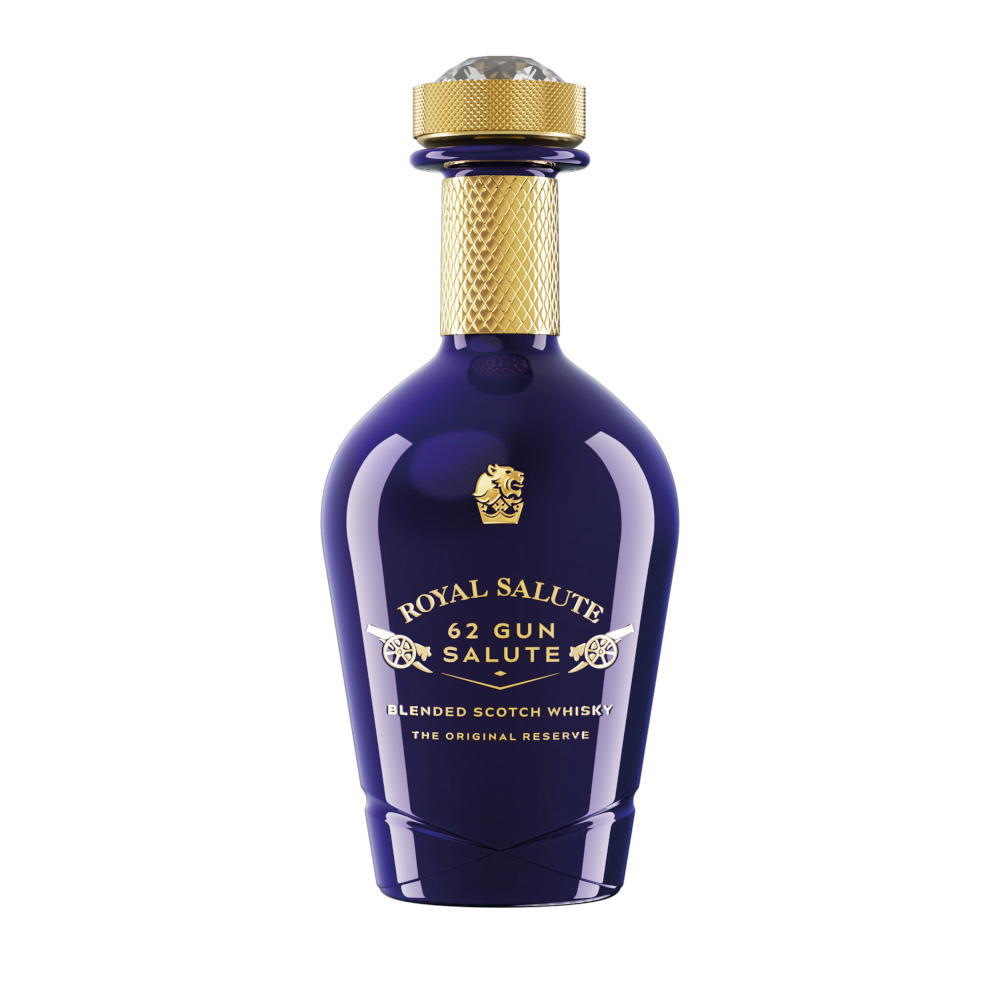
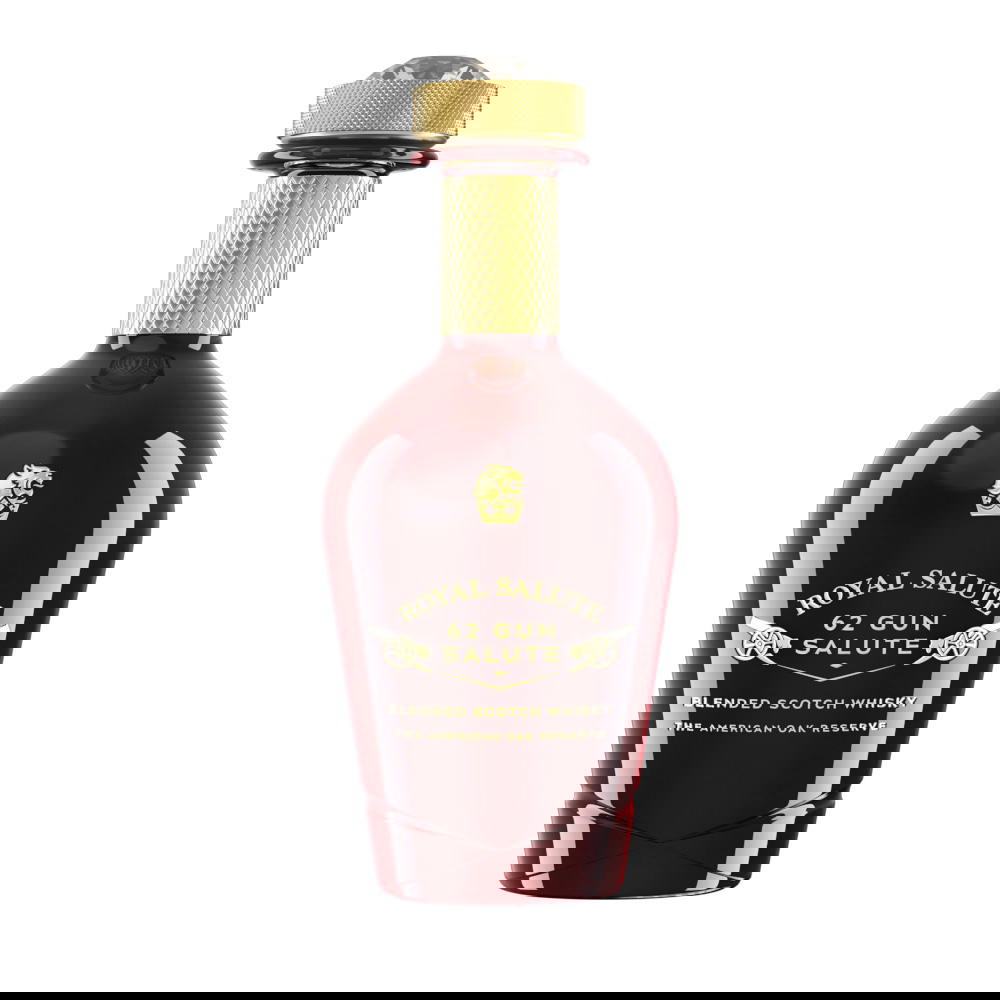
The Original Reserve was the first to debut in 2018. Nutty, oaky, and sweet with flavours of ripe plums and sherry, it leaves a long, lingering finish on the palate. Then there is The American Oak Reserve, made with whiskies exclusively aged in American Oak casks. On the nose, it has vanilla fudge, shortbread, and genoise sponge, followed by fruity features of blueberry muffins, sweet red apples, and homemade strawberry jam. On the palate, tropical fruits such as pineapple, mango, and papaya.
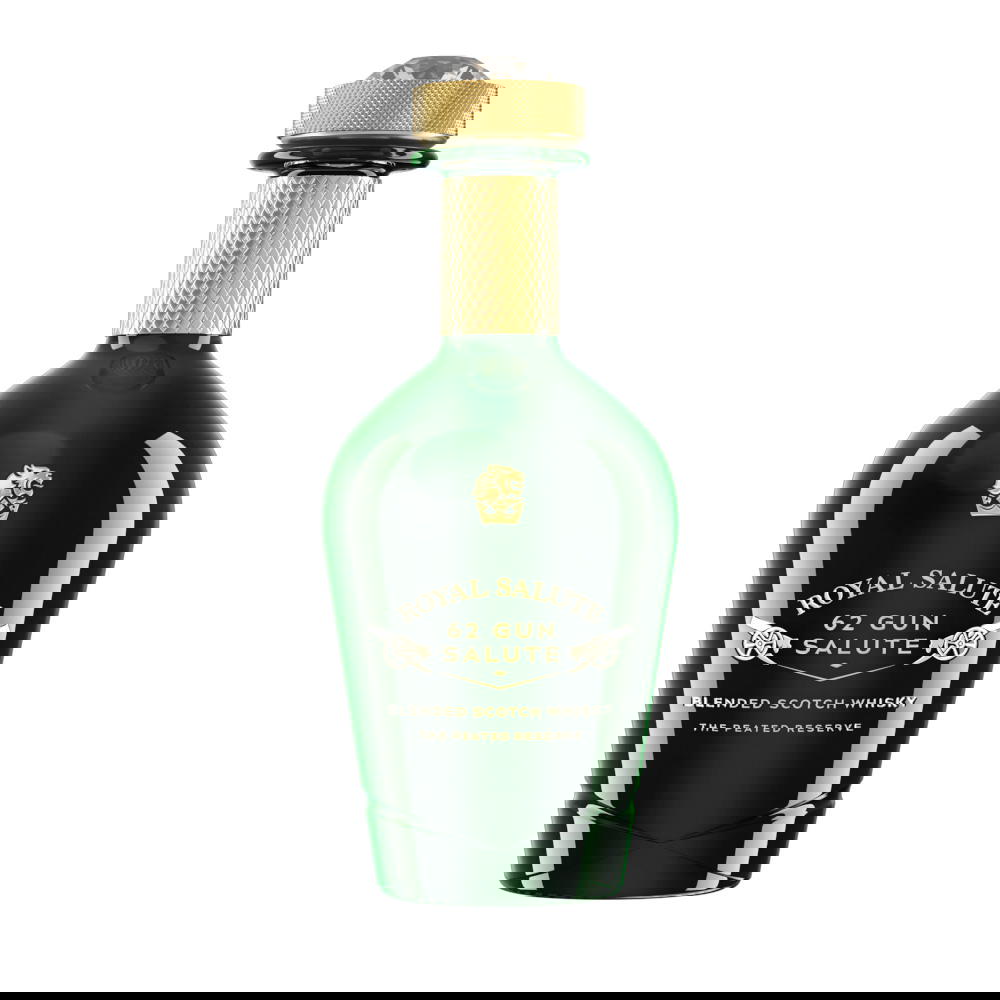
Lastly, The Peated Reserve, a travel retail exclusive that amplifies the Original Reserve. Aromatic fruity notes of dark cherries, ripe pears, and sweet green apples blend with blossom honey, milk chocolate honeycomb, and homemade orange marmalade. There are flavours of orange zest and lemon sherbet layered upon notes of ripe peaches and Jamaican ginger cake on the palate.
Some of the whiskies used are from distilleries that no longer exist today. The collection pretty much captures a moment in time, the Duke reckons. But while the Royal Salute blends are special, they shouldn’t be left untouched, he makes clear.
“They’re rare, but not so rare that you don’t want to open them. The blends are meant to be drunk and appreciated, not just stuck on a shelf and never opened. And the best part is once a bottle has been drunk, you can go out and buy another.”
Torquhil Campbell on Royal Salute’s spirit of celebration
Besides, whisky is very much a drink to be shared, so if you open a good bottle, you’re likely to be in the company of good friends, he sums up. His personal favourite for celebrating special occasions is the Royal Salute 38 Year Old Stone of Destiny, which boasts deep aromas of cedar wood and almonds with a rich, sherried oak on the palate.
How he likes his whiskies depends on how old they are. If they’re “really old”, he takes them neat since they’re richer in flavour. If they’re younger, he likes them with a dash of water.
But the best way to appreciate them also depends on the climate, he points out. The Duke references the Royal Salute Polo Edition, which has ripe honeydew melon, homemade berry jam and creamy toffee on the palate. “It’s designed to be a sort of slightly lighter whisky that you’d drink in the afternoon while watching a polo match and stuff like that, so you’d probably want it long. It’s not just what you’re drinking, but why you’re drinking.”
While there are trends in whisky, no one tampers with the whisky-making process too much—not when there are laws to what qualifies as Scotch. Some of the key rules: It should be made with water, yeast, and malted barley; produced in one location in Scotland; produced in copper pot stills; distilled twice; and aged in used oak barrels for a minimum of three years. “There really isn’t much leeway,” the Duke says.
In his opinion, a positive attitude is sufficient to navigate challenges in the field. “Whisky has been around a long time. We don’t do things quickly because it’s just a process of evolution, though there are challenging times ahead. But you know, we’ll find a way through it. We don’t want to focus on global events when tomorrow will be different anyway.”