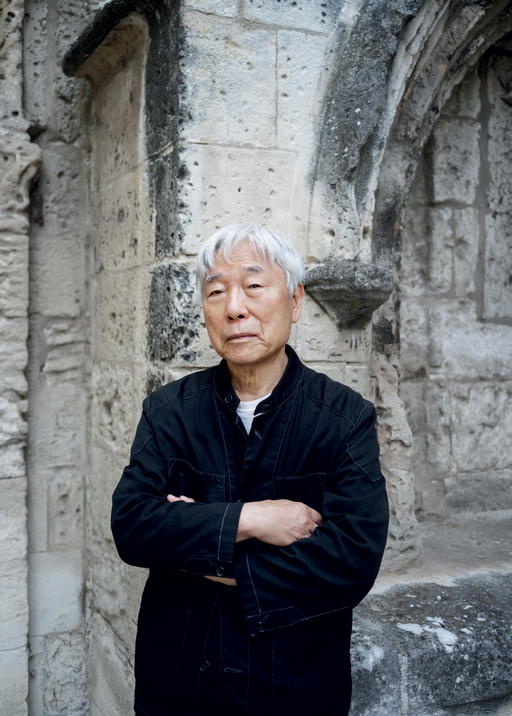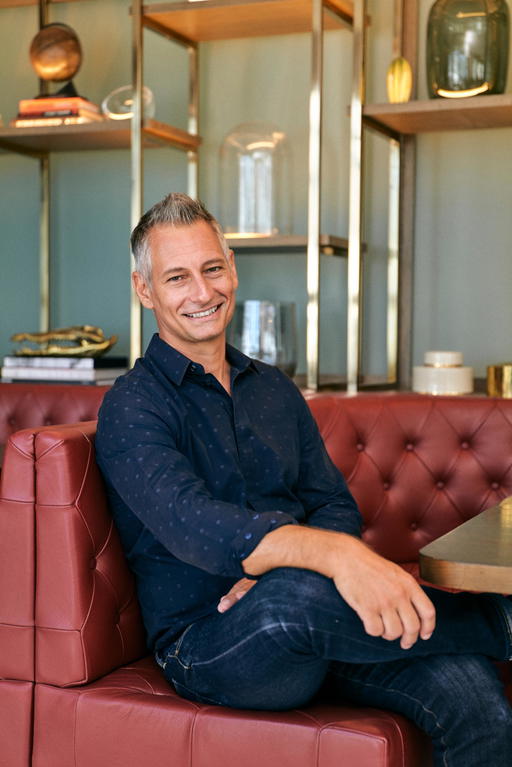


Khir Johari attributes his passion for the culinary arts to growing up in Kampong Glam with his mother, a cookery teacher. “My love for cooking, along with the stories it encompasses, is an accumulation of emotions,” says Khir. “I was fortunate to grow up as part of a four-generation family in Gedung Kuning, a historic residence the Malay community regarded as a treasure trove of recipes.”
For the math teacher turned food historian, food is more than just sustenance. It plays a crucial role in shaping his identity as a Singaporean Malay. His efforts to share this heritage culminated in The Food of Singapore Malays: Gastronomic Travels Through the Archipelago, launched in November 2021.
It features 32 recipes contextualised by stories and travelogues highlighting Malay cuisine’s cultural expressions. Last year, it earned the top prize at the 28th Gourmand World Cookbook Awards. This year, it was runner-up for the inaugural Dr Alan HJ Chan
Spirit of Singapore Book Prize.
Khir shares how he selected the recipes, where he finds his favourite dishes, and why coconut is the most maligned ingredient in Malay cooking.
What made you write The Food of Singapore Malays: Gastronomic Travels Through the Archipelago?
Geographically, Singapore and Singaporeans can be defined as being in the middle of the
Malay Archipelago. Our island has been an important port since the 13th century. This context led me to write this book.
Malay food is under-researched and under-recognised. Working on the book was a cultural calling for me. Besides interviewing people on the ground, I visited museums, combed through historical materials from the 7th century Srivijaya Empire, and translated ancient steles (standing stone slabs used for dedication, commemoration, and demarcation. The entire process took 11 years. In celebrating the gastronomic heritage of our nation and community, we learn more about who we are.
How would you define Singapore Malay cuisine?
Understanding what “Malay” means is important: do you identify as Malay by race, ethnicity, geography, or cultural affiliation? Malay food is created, prepared, and consumed according to the distinct cultural norms of the Malay people regardless of their geographic, national, ethnic, or racial origin.
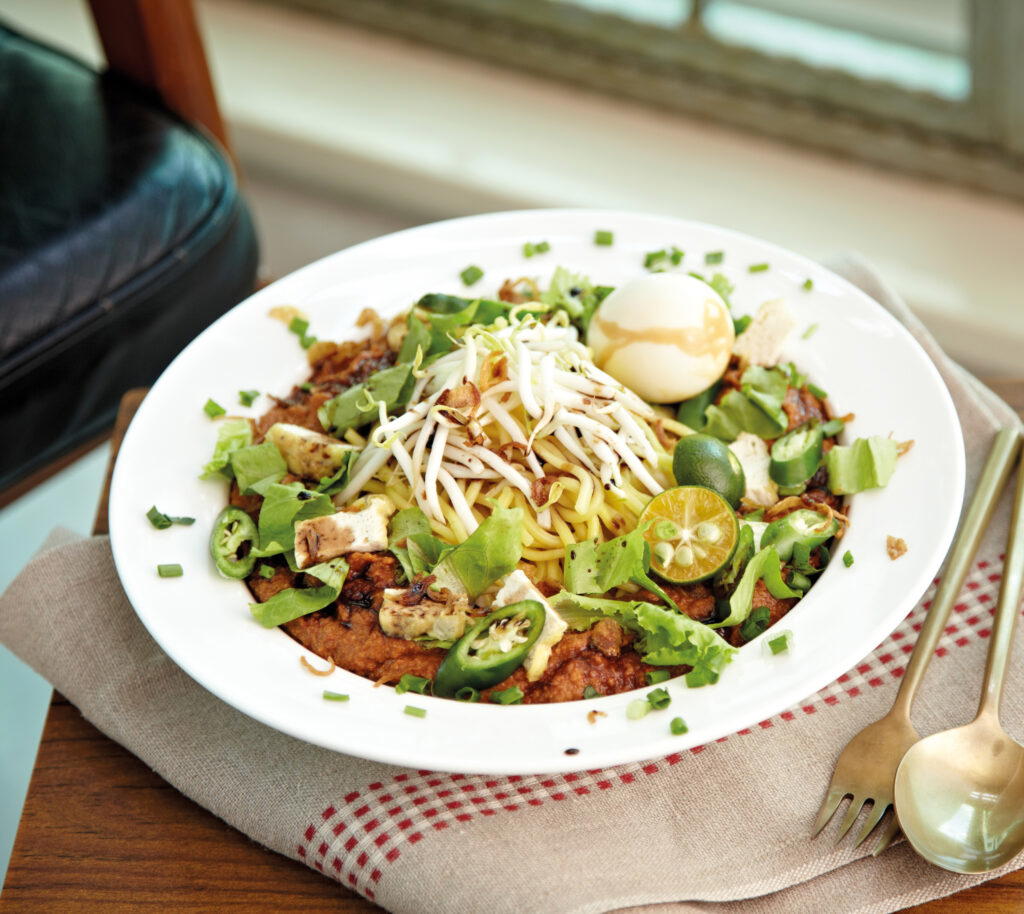
While Singapore is home to unique dishes such as mee rebus and mee siam, many dishes we might consider “Singapore Malay” are also shared with our neighbours. We are not separate from the rest of the region because key techniques and ingredients in South-east Asian cooking have not changed.
How did you select the 32 recipes for your book?
My book proffers that Singapore is a key culinary hub of the region. It is not a cookbook, but rather an exploration of food ethnology. Recipes were selected through a rigorous, thoughtful process to provide a well-rounded understanding of Singapore Malay food.
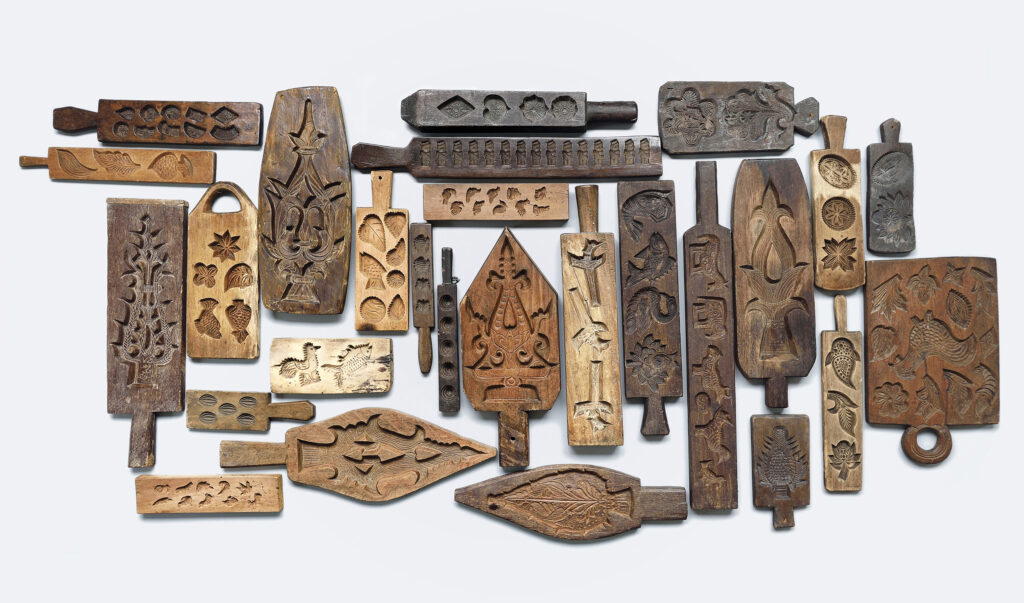
With a diverse array of dishes, from rice and noodles to forgotten and iconic kueh recipes, the collection includes a variety of culinary genres and a wide range of historical events and socioeconomic backgrounds. All of them illustrate the cuisine’s rich flavours and traditions.
Which key influences shaped Singapore’s Malay cuisine?
Firstly, our geography defines our food; we eat what is available or accessible. In addition, Malays have developed an indigenous knowledge of the local flora and fauna, resulting in a cuisine based on locally sourced ingredients. Lastly, Malay cuisine is also influenced by faith and belief.
What are your favourite restaurants in Singapore for Malay cuisine?
Warong Pariaman for the most authentic nasi padang experience; Fiz for both rustic and modern interpretations of classics; Satay Solo for home-style cooking; and Harummanis for culinary artistry with a contemporary twist.
What is one lesser-known recipe you would like to see preserved in our culinary heritage?
Mee Maidin, a dish consisting of yellow noodles paired with ragu made from udang geragau (krill). It is one of a trilogy of distinct noodle offerings the residents of Kampong Glam have skilfully experimented with. However, it has largely faded from public consciousness, and warrants efforts for its revival.
What misconceptions about Malay cuisine would you like to debunk?
The most damaging aspect is that it is unhealthy. Despite the popular misconception that Malay cuisine is high in saturated fat and carbohydrates, it has many boiled, steamed, grilled, and soup dishes.
Rice, fish, vegetables, and condiments such as sambal (which needn’t be spicy) make up the bulk of a Malay meal at home. It is especially incomplete without vegetables, whether sauteed or served raw in ulam, a traditional Malay salad.
Coconut cream, or santan, is the most maligned ingredient. Despite being a staple, it is not frequently used. It imbues a delicious, creamy richness (lemak) to many dishes but coconut itself is not a health hazard. This brings us back to the adage, “everything in moderation ”.